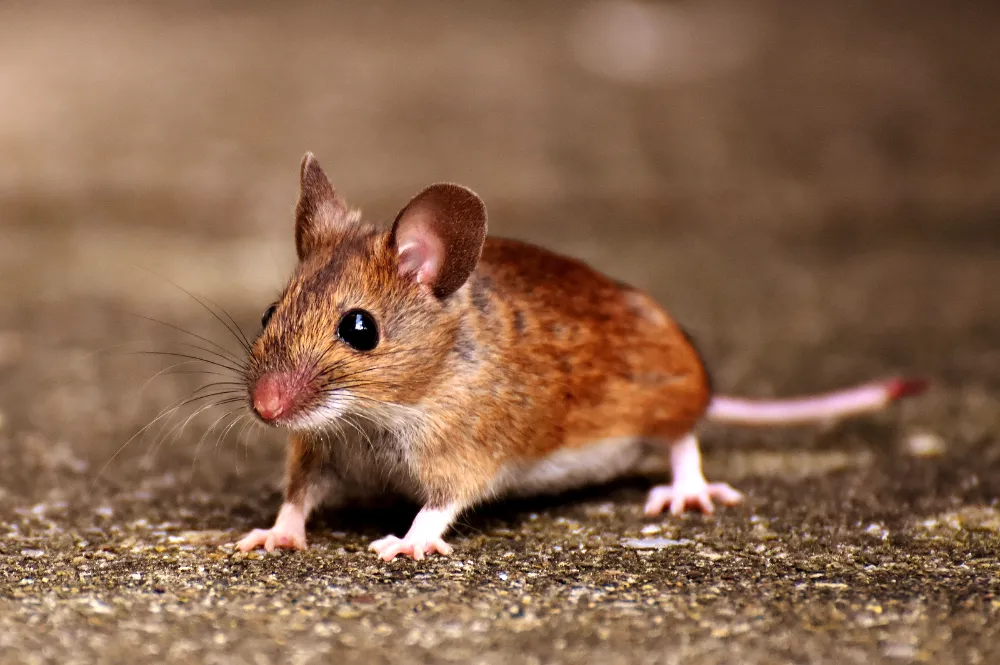
Mouse urine has a smell that’s hard to describe but impossible to miss once you’ve encountered it—sharp, musty, and slightly ammonia-like, often noticed in an attic, a garage, behind an appliance, or inside a drawer that hasn’t been opened in a while. Unlike most household odors, this one comes with an added layer of seriousness, because mouse urine and droppings can carry hantavirus and other pathogens that pose a genuine health risk if disturbed incorrectly. That changes the approach here in an important way: this isn’t just about getting rid of a smell, it’s about doing so without creating an airborne health hazard in the process.
The good news is that once you understand the right precautions and the right cleaning approach, mouse urine smell is completely removable, even from areas where infestation has been going on for a while. Here are seven ways to tackle it depending on where it’s located and how extensive the contamination is, along with the safety steps that genuinely matter and shouldn’t be skipped.
Why Mouse Urine Smell Is Different From Other Odor Problems
Before getting into methods, it’s worth understanding two things that make this particular smell different from cleaning up after most other household accidents.
First, mouse urine contains pheromones that other mice can detect, which means an area that’s been used once is more likely to be used again unless it’s cleaned thoroughly enough to eliminate that scent marker entirely. This is part of why mouse problems tend to recur in the same spots even after the original mice are gone.
Second, and more importantly, dried mouse droppings and urine can become airborne when disturbed, and inhaling that dust carries a real risk of hantavirus, a serious and sometimes fatal respiratory illness. This is why the CDC specifically recommends against vacuuming or sweeping dry mouse droppings or urine-contaminated areas, since that action is exactly what aerosolizes the particles into the air you’re breathing. Every method below builds in the wet-down step that prevents this, and it’s not optional.
Safety Precautions Before You Start Cleaning
This section matters more than any individual cleaning method, so it’s worth reading even if you’re tempted to skip ahead.
Ventilate the area first. Open windows and doors if possible, and leave the space for at least 30 minutes before starting any cleanup to let any airborne particles settle and fresh air circulate through.
Wear rubber or disposable gloves for the entire process, and consider an N95 or similar mask if the contamination is significant, particularly in enclosed spaces like attics, crawl spaces, or inside cabinets with poor airflow.
Never sweep or vacuum dry droppings or urine residue. This is the single most important rule. Dry disturbance is what creates airborne particles. Everything needs to be sprayed down and wet before it’s touched.
Spray contaminated areas with a disinfectant solution before cleaning and let it sit for at least five minutes to saturate and neutralize the area before wiping anything up.
Dispose of cleaning materials properly. Paper towels, gloves, and any disposable items used should go into a sealed plastic bag before being placed in the regular trash, rather than being left loose or rinsed and reused.
Method 1: Disinfectant Spray and Wet Cleanup (The Standard Approach)
This is the baseline method for any mouse urine contamination and the right starting point for most situations, particularly fresher contamination on hard surfaces like floors, shelves, or countertops.
Put on gloves and a mask before starting. Spray the contaminated area thoroughly with a household disinfectant or a bleach solution made from one part bleach to ten parts water, making sure to saturate any visible urine stains or droppings completely.
Let the disinfectant sit on the surface for at least five minutes. This dwell time is what actually kills bacteria and neutralizes the area rather than just wiping things around.
Use paper towels to wipe up the now-wet residue, folding the paper towel as you go so you’re always using a clean section rather than smearing contaminated material across the surface.
Dispose of the used paper towels immediately in a sealed plastic bag. Re-spray the area a second time and wipe down again with fresh paper towels to make sure everything has been addressed.
Once the area is visually clean, go over it one more time with disinfectant and allow it to air dry completely rather than wiping it dry immediately, since the extended contact time with the disinfectant continues working as it evaporates.
Method 2: Enzyme Cleaner for Porous Surfaces
For surfaces that absorb liquid—wood, drywall, fabric, insulation, or unfinished surfaces—a disinfectant alone often isn’t enough, since it cleans the surface but doesn’t reach urine that’s soaked deeper into the material. Enzyme cleaner addresses this the same way it works for cat or dog urine, by breaking down the compounds at a molecular level rather than just disinfecting the surface.
After the initial disinfectant pass described in Method 1, apply an enzyme-based cleaner generously to the affected porous surface, making sure to saturate it enough to reach the depth the urine likely penetrated.
Let the enzyme cleaner sit for the time specified on the product label, which is often considerably longer than a standard disinfectant dwell time, sometimes several hours for deeply soaked materials.
Blot up the excess with paper towels, dispose of them properly, and allow the area to air dry completely with good ventilation.
Repeat the application if the smell persists once the area is fully dry, since porous materials sometimes need a second treatment to fully eliminate odor that’s penetrated unevenly through the material.
Method 3: Baking Soda for Ongoing Odor Absorption
This method works well as a finishing step after the methods above, or as a standalone approach for mild residual odor in an area where active contamination has already been cleaned but a faint smell lingers.
Once the area has been disinfected and is completely dry, sprinkle a generous layer of baking soda across the affected surface or area.
For enclosed spaces like drawers, cabinets, or small storage areas, place an open container of baking soda inside and close the space up for several days, allowing the baking soda to passively absorb odor from the air rather than from a direct surface.
Leave the baking soda in place for at least 24 hours, longer for more persistent smells, then sweep or vacuum it up once it’s been sitting long enough to absorb what it can, since at this point the area should already be clean and disinfected so there’s no contamination risk in vacuuming the baking soda itself.
Method 4: White Vinegar Solution for Walls and Hard Surfaces
Vinegar works well on hard, non-porous surfaces as both a mild disinfectant and a natural odor neutralizer, and it’s a good option when you want something effective but don’t have bleach or commercial disinfectant on hand.
Mix equal parts white vinegar and water in a spray bottle. Spray the affected hard surface thoroughly, making sure to cover the full area rather than just the visibly soiled spot, since the smell often extends beyond what’s immediately visible.
Let the vinegar solution sit for 10 minutes before wiping with a clean cloth or paper towel, disposing of any paper towels used as described in the safety section above.
Repeat as needed for areas with a stronger smell, and follow with a baking soda treatment if any odor remains after the surface is visually clean and dry.
Avoid using vinegar on natural stone surfaces like marble or granite, since the acidity can etch and damage these materials over time.
Method 5: Steam Cleaning for Insulation and Hard-to-Reach Areas
For contamination in attic insulation, wall cavities, or other areas that are difficult to access and clean by hand, steam cleaning is sometimes the more practical approach, particularly for larger-scale infestations where individual spot treatment isn’t realistic.
Unlike the no-heat rule for cat and dog urine on fabric, steam is actually useful here specifically because the goal with mouse contamination is disinfection and odor elimination on building materials rather than preserving fiber integrity the way you would with a rug or carpet, and the high heat helps kill pathogens effectively.
Wear a mask and gloves, and pre-treat the area with disinfectant spray as described in Method 1 before steaming, allowing the standard dwell time first.
Use a steam cleaner with appropriate attachments to treat the affected insulation or hard-to-reach surface, working slowly and allowing the steam to penetrate rather than rushing across the surface.
For heavily contaminated insulation, removal and replacement is often more practical and effective than attempting to clean and deodorize material that’s absorbed urine extensively over time, particularly in attics where mice have been present for months or years.
Method 6: Ozone or Activated Charcoal for Persistent Whole-Room Odor
When the smell has permeated an entire room or enclosed space rather than being isolated to a specific surface, surface cleaning alone sometimes isn’t enough to fully clear the air, and this is where ozone treatment or activated charcoal becomes useful as a complementary approach.
Complete all surface cleaning and disinfection first using the methods above, since odor treatment for the air shouldn’t be a substitute for actually cleaning contaminated surfaces.
For activated charcoal, place several open containers or charcoal bags throughout the affected room and leave them in place for several days to a week, since activated charcoal works by absorbing odor molecules from the air over time rather than instantly.
For ozone treatment, this is best handled with a rented or professional-grade ozone generator rather than a small consumer air purifier, since the concentration needed to fully break down persistent odor molecules requires equipment most households don’t already own. The room needs to be vacated during treatment and ventilated thoroughly afterward, since ozone itself is harmful to breathe at the concentrations used for odor elimination.
Run either method in conjunction with continued ventilation, opening windows when weather allows, to support the air clearing process rather than relying on a single method alone.
Method 7: Sealing and Replacing Severely Contaminated Materials
Sometimes the most effective solution isn’t cleaning at all, but removal and replacement, particularly for materials that have absorbed urine over an extended period or in cases of significant infestation where cleaning would take more effort and cost than simply replacing the material.
Identify materials that are heavily saturated rather than lightly contaminated. This often includes insulation in long-term infestation areas, particle board or MDF furniture that has absorbed urine into the material itself, and drywall that has been exposed to repeated contamination over months.
Remove the affected material carefully while following the wet-down safety precautions described earlier, spraying with disinfectant before removal even when the material itself is being discarded, since disturbing it dry still creates the airborne particle risk.
Bag contaminated material securely in heavy-duty plastic bags before disposal, sealing thoroughly to prevent any odor or particle escape during transport to the trash.
Treat the now-exposed surface underneath, whether that’s a subfloor, wall studs, or the space behind where furniture sat, with disinfectant and allow it to fully dry before replacing with new material, since cleaning underneath is just as important as removing what was contaminated.
For an odor-blocking primer on areas like subfloors or wall cavities before replacing materials, a shellac-based sealing primer designed for odor control creates a barrier that prevents any remaining trace odor from migrating into new materials installed afterward.
Quick Fixes for Common Problems
| Problem | Potential Solution | Alternative Approach |
|---|---|---|
| Smell persists after surface cleaning | Apply enzyme cleaner to porous materials that may have absorbed urine beyond the surface | Use activated charcoal in the room for several days to absorb lingering airborne odor |
| Smell only noticeable in certain weather or humidity | This usually means urine has soaked into a porous material that hasn’t been fully treated—reapply enzyme cleaner with longer dwell time | Improve ventilation in the affected area to reduce humidity that reactivates the smell |
| Mice keep returning to the same spot after cleanup | Pheromone residue may still be present—reapply disinfectant and consider an enzyme treatment specifically on that spot | Seal entry points and use mouse deterrents in conjunction with thorough cleaning |
| Concerned about hantavirus risk during cleanup | Always wet down the area with disinfectant before touching anything, and wear a mask in enclosed spaces | Consider hiring a professional cleanup service for significant infestations rather than DIY cleaning |
| Smell has spread through HVAC or wall cavities | This typically requires professional inspection and possibly duct cleaning | Use activated charcoal near vents and run the system with windows open when possible |
| Insulation in the attic still smells after spot treatment | Heavily contaminated insulation is usually better replaced than cleaned | Have a pest control professional assess the extent before deciding between cleaning and replacement |
How to Prevent Mice From Coming Back to the Same Area
Cleaning up the smell addresses what’s already happened, but preventing a repeat infestation in the same spot is just as important, since mice are drawn back to areas that previously felt safe and accessible to them.
Seal any entry points you can identify, even small gaps, since mice can fit through openings as small as a quarter inch. Steel wool or caulk works well for sealing small gaps, since mice can chew through plastic or soft materials but not steel wool.
Remove any food sources that may have attracted mice in the first place, storing pantry items in sealed containers rather than their original packaging, and clean up crumbs and spills promptly.
Address the root cause of why mice were in that specific area, whether that’s a gap near a pipe, an attic vent without proper screening, or general clutter that provided hiding spots, since cleaning the smell without addressing why mice were there in the first place often means dealing with the same problem again.
When to Call a Professional
For significant infestations, particularly in attics, crawl spaces, or areas with extensive insulation contamination, professional pest control or biohazard cleanup services are worth considering rather than attempting full DIY cleanup. This is especially true if you’re dealing with a large volume of droppings and urine accumulated over a long period, since the health risk scales with the extent of contamination, and professionals have equipment and protective gear designed specifically for this kind of cleanup.
It’s also worth calling a professional if anyone in the household has a compromised immune system, respiratory conditions, or is pregnant, since the health risks associated with mouse urine and droppings are more serious for these groups.
FAQ
Is mouse urine smell dangerous to breathe?
The smell itself isn’t directly dangerous, but the dust that can become airborne when dry mouse droppings or urine residue is disturbed carries a real risk, including hantavirus exposure. This is why wetting down any contaminated area before cleaning matters so much, rather than sweeping or vacuuming it while dry.
How long does mouse urine smell last if left untreated?
It can persist indefinitely, since urine residue doesn’t break down or fade away on its own the way many people assume. Without proper cleaning, particularly in porous materials like insulation or wood, the smell can remain for years and tends to get worse with humidity and heat rather than improving with time.
Can I use the same cleaning method for fresh and old, dried contamination?
The disinfecting and safety steps stay the same regardless of age, but older, dried contamination on porous surfaces often needs the enzyme cleaner method specifically, since disinfectant alone addresses surface bacteria but doesn’t fully break down urine that’s had time to soak deeper into a material.
Will an air purifier get rid of the smell on its own?
A standard air purifier with a HEPA filter helps somewhat with airborne particles but generally isn’t strong enough to fully eliminate a persistent mouse urine smell on its own, particularly if the source contamination on surfaces hasn’t been properly cleaned first. Activated carbon filters specifically designed for odor absorption perform better than HEPA alone for this particular smell.
Why does the smell seem worse in an attic during summer?
Heat and humidity both intensify the volatility of odor compounds, which is why an attic that seemed fine in cooler months can suddenly smell much stronger once summer heat sets in. This is also a sign that contamination is present even if it wasn’t noticeable before, and it’s worth inspecting and cleaning rather than waiting for cooler weather to mask it again.
Conclusion
Getting rid of mouse urine smell completely takes a bit more care than most household odor problems, both because of the genuine health considerations involved and because the smell tends to hide in porous materials that need more than a surface wipe to fully address. Always wet down contaminated areas before cleaning rather than sweeping or vacuuming dry, use enzyme cleaner on anything porous, and don’t hesitate to replace materials that have absorbed too much to realistically clean. Handle it properly once, and that musty, ammonia smell won’t keep finding its way back into the room.
Enjoyed this project? Get even more DIY ideas that save (and make) you money.
Join our free newsletter for profitable DIY projects, clever cleaning hacks, home ideas, and creative crafts delivered straight to your inbox.
✓ Free forever • No spam • Unsubscribe anytime