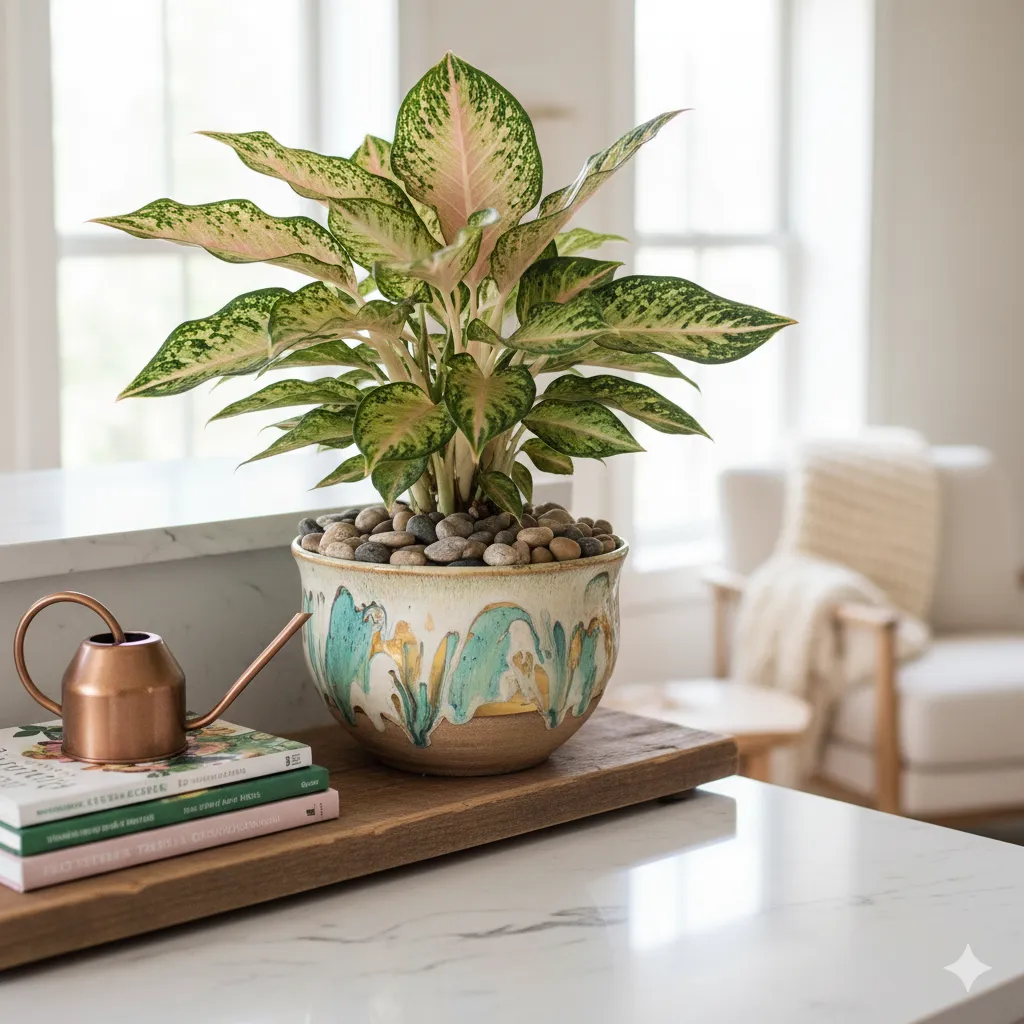
Aglaonemas don’t try hard, yet they show up dressed in pink, red, and silver like it’s a gala. If you want a plant that forgives your busy schedule and still throws gorgeous color, this is your sign. I’ll show you how to keep those leaves vibrant without turning your home into a greenhouse.
This video gives the best Aglaonema care tips for gorgeous, colorful leaves:
Ready for bold color with minimal fuss? Here’s how to do it.
Light: The Secret Sauce for Color
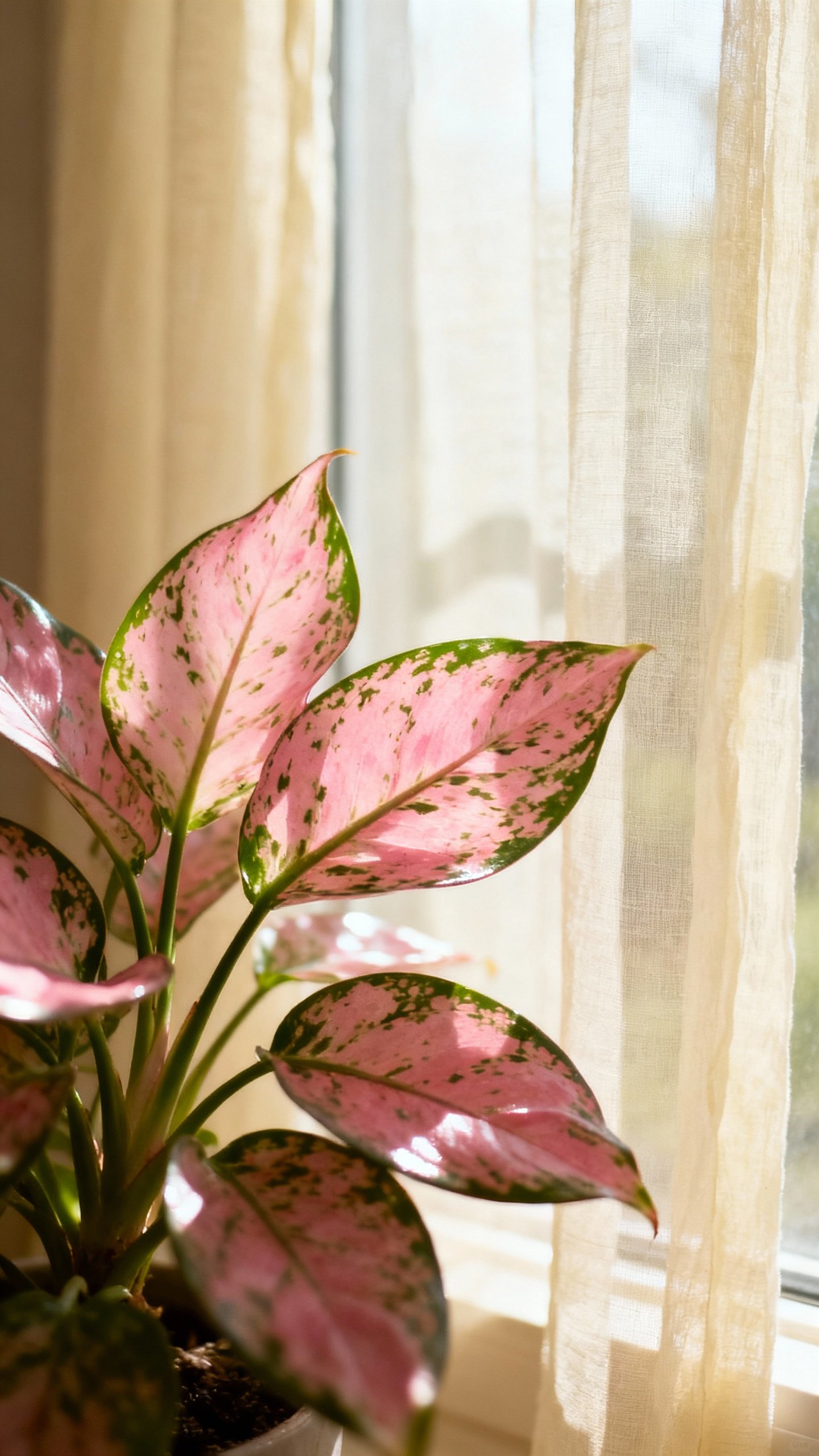
Aglaonema leaves get brighter when you give them the right light. No light, no color—simple.
Aim for bright, indirect light. A few feet from a sunny window works great. Red, pink, or variegated types need more light to keep their color sharp. Green varieties handle lower light like champs, but they won’t pop as much.
Direct sun can scorch leaves (crispy edges, anyone?), so filter it with a sheer curtain.
Light tips that actually help
- North or east windows = safe zone for most varieties.
- West windows = fine with a sheer curtain.
- Use a grow light if your space feels like a cave. Keep it 12–18 inches above the plant for 10–12 hours/day.
- Rotate your plant every week to keep growth even and prevent lopsided drama.
Watering: Keep It Chill, Not Swampy
Overwatering kills more Aglaonemas than anything else. They prefer a moderate routine, not soggy feet.
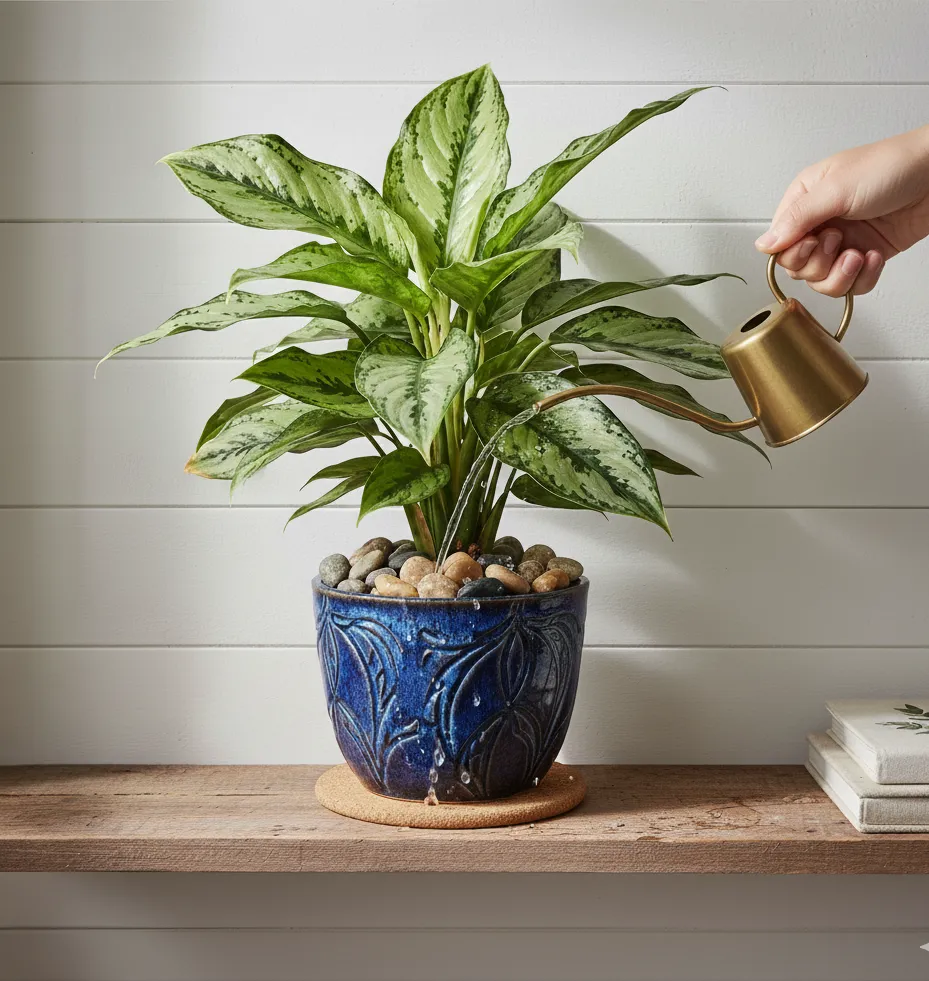
Water when the top 1–2 inches of soil feel dry. If you love schedules, try every 7–10 days in spring/summer and every 2–3 weeks in winter, then adjust based on your home. Use a pot with drainage holes. If water sits at the bottom, the roots will sulk and rot.
Yellow leaves + mushy stems = you overdid it. Brown crispy tips + curling = you waited too long.
Watering best practices
- Water thoroughly until you see a small amount drain out—no halfhearted sips.
- Empty saucers after 10 minutes. You’re watering the plant, not the furniture.
- Use room-temperature water.
Ice-cold water can shock roots, FYI.
Soil and Potting: Give Roots Room to Breathe
Aglaonemas like a light, airy mix. Use a high-quality houseplant soil and cut it with perlite for drainage. You can also use aroid soil blends if you already have them. My go-to mix (IMO):
- 2 parts houseplant or peat-based potting mix
- 1 part perlite
- 1 part orchid bark or coco chips
Repot every 1–2 years, or when roots circle the pot and the plant dries out too fast.
Go up one pot size only. Too big, and moisture lingers where roots can’t reach—hello, rot.
Humidity and Temperature: Tropical Vibes, Not a Sauna
Aglaonemas thrive in 40–60% humidity. They tolerate normal home air, but extra humidity keeps leaf edges smooth and glossy.
Bathrooms with bright light? Perfect. Otherwise, group plants or add a small humidifier nearby.
Keep temps between 65–80°F (18–27°C). They hate cold drafts and temp drops. If your plant sits by a door in winter, move it or prepare for drama.
Signs your plant wants more humidity
- Brown, crispy edges or tips
- Wrinkly new leaves
- Leaves feel dull instead of glossy
Feeding for Color and Growth
During spring and summer, feed every 4–6 weeks with a balanced, diluted liquid fertilizer.
Aim for 1/2 strength. You want color, not a salt buildup. In fall and winter, slow down or pause.
If you use slow-release granules, apply in spring and you’re set for months. Just don’t double up with liquid feed—your plant won’t say thank you.
Fertilizer options that work
- Balanced 10-10-10 or 20-20-20 at half strength
- Organic fish/seaweed blends for gentle feeding
- Slow-release pellets once per growing season
Pruning, Cleaning, and Propagation
Trim yellow or damaged leaves at the base to keep the plant tidy and focused on new growth. Wipe leaves monthly with a damp cloth to remove dust.
Shiny leaves absorb more light and look fancy. Want more plants for free? You can divide clumps during repotting or take stem cuttings and root them in water or moist soil.
Aglaonemas propagate easily, which feels unfair in the best way.
Simple propagation steps
- Pick a healthy stem with at least one node (that bump where roots will form).
- Snip cleanly, let it callous for an hour.
- Root in water (change weekly) or plant in a perlite/soil mix and keep humid.
- Plant up once you see a few inches of roots.
Pests and Problems (and How to Chill)
Aglaonemas resist most pests, but they’re not invincible. Check under leaves and along stems when you water. If you see sticky residue, webbing, or tiny cottony blobs, it’s pest party time. Common culprits:
- Spider mites: speckling and fine webbing; increase humidity and wash leaves.
- Mealybugs: cottony white clusters; dab with alcohol and rinse.
- Scale: brown bumps; scrape gently and treat with neem or insecticidal soap.
Leaf yellowing?
Usually overwatering. Faded color? Not enough light.
Curling leaves? Thirst or cold drafts. Diagnose, tweak, move on.
No shame—everyone overwaters sometimes.
Variety Matters: Pick the Right Diva
Some Aglaonemas stay colorful with less light, but many bold varieties want brighter spots. Choose based on your space. Great picks (IMO):
- Red Siam/Red Valentine: punchy pink-red leaves—needs brighter light to stay vivid.
- Pink Dalmatian: speckled and sassy, also likes bright indirect light.
- Silver Bay: silvery-green, very forgiving, does great in medium light.
- Cutlass: narrow leaves, sleek and adaptable to medium light.
Quick Care Routine You’ll Actually Use
- Light: bright, indirect for color; medium for green types.
- Water: when top 1–2 inches dry; drain thoroughly.
- Soil: airy and fast-draining with perlite/bark.
- Humidity: 40–60%; avoid cold drafts.
- Feed: every 4–6 weeks in spring/summer at half strength.
- Clean/prune: monthly wipe-down; trim old leaves.
FAQs
Are Aglaonemas safe for pets?
Aglaonemas contain calcium oxalate crystals, which can irritate mouths and stomachs if chewed. Keep them out of reach of curious pets and kids.
If you need pet-safe alternatives, try calathea or maranta.
Why is my Aglaonema losing its pink/red color?
It likely needs more light. Move it closer to a bright window with filtered sun, or add a grow light. Check fertilizer too—balanced feeding helps, but light drives color.
Can Aglaonema grow in low light?
Yes, especially green and silver varieties like Silver Bay.
They’ll survive and look fine, but color intensity drops in very low light. If you want those hot pink vibes, give it brighter indirect light.
How big do they get?
Most indoor Aglaonemas reach 1–3 feet tall and wide. Compact varieties stay smaller, while older clumps can get lush and full.
If it crowd-surfs out of the pot, divide it and share.
Do I need to mist my Aglaonema?
You don’t need to. Misting briefly raises humidity, but it doesn’t last. A humidifier, pebble tray, or grouping plants works better and avoids water spots on leaves.
What’s the best pot type?
Any pot with drainage works.
Terracotta breathes and prevents soggy soil, but it dries faster. Plastic retains moisture longer, so water less often. Match the pot to your habits.
Conclusion
Aglaonemas bring bold color without the diva behavior—just give them bright, indirect light, water when the soil dries, and keep their roots comfy.
Feed lightly, clean the leaves, and watch those pinks and silvers glow. Want more? Snip, root, repeat.
With a few simple habits, you’ll have a low-fuss plant that looks high-maintenance—my favorite kind of magic.
Enjoyed this project? Get even more DIY ideas that save (and make) you money.
Join our free newsletter for profitable DIY projects, clever cleaning hacks, home ideas, and creative crafts delivered straight to your inbox.
✓ Free forever • No spam • Unsubscribe anytime