Roses look high-maintenance, but they’re more “friend who likes a plan” than diva. Give them sun, airflow, and a few simple routines, and they’ll reward you with ridiculous blooms. Skip the drama, keep the basics tight, and you’ll have a rose bush that flaunts flowers like it’s showing off.
Ready to upgrade your garden flex?
Pick the Right Rose (Start Smart, Save Headaches)
You can’t out-care a poor match. Choose roses that fit your climate, space, and vibe. Shrub and landscape roses handle chaos like champs. Hybrid teas deliver classic long-stem stunners but want more attention. Floribundas give clusters and nonstop color. Want zero-pruning energy? Groundcover and miniature roses are delightfully chill.
Check the tag like your blooms depend on it (they do)
– Hardiness zone: Match your USDA zone so winter doesn’t deliver heartbreak. – Disease resistance: Look for “resistant to black spot/mildew.” Trust me, you’ll thank yourself. – Growth habit: Bushy, climbing, compact—pick what fits your space and support plan.
Sun, Soil, and Airflow: The Non-Negotiables
Roses need 6-8 hours of direct sun.
Morning sun beats afternoon scorch because it dries leaves faster and shuts down fungal parties. Plant them where breezes can flow and shrubs don’t crowd them. Soil should drain well. Roses hate wet feet.
Aim for a loamy mix with organic matter. If your soil feels like concrete or a sponge, fix it.
Improve soil the easy way
– Mix in 2-4 inches of compost or well-rotted manure before planting. – Add coarse sand or perlite to heavy clay for drainage. – In containers, use a high-quality potting mix plus compost. Garden soil in pots = nope.
Watering: Deep, Not Daily
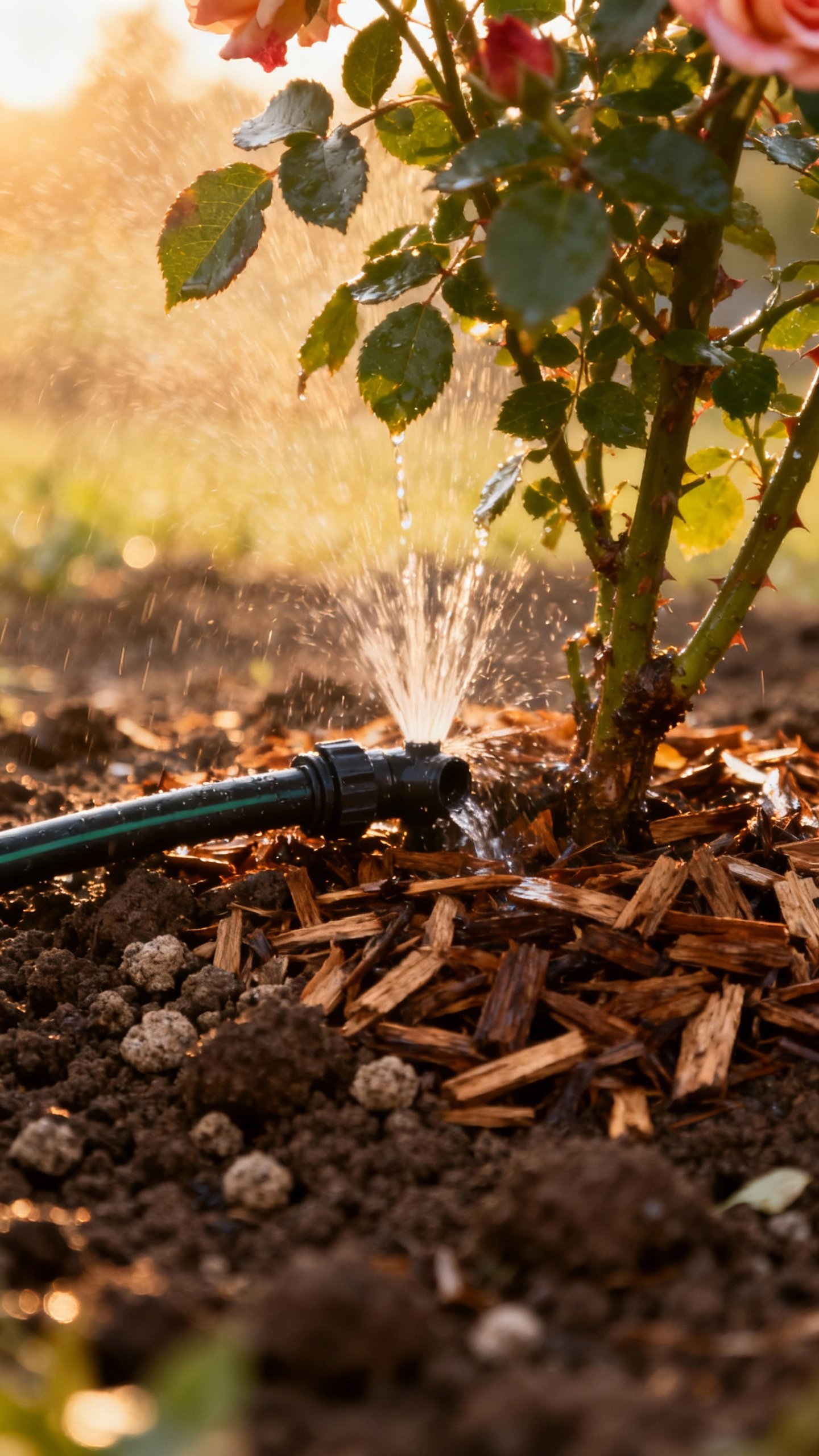
Roses need consistent moisture, but not a daily shower. Water deeply 1-3 times per week depending on heat and soil.
Aim for 1-2 inches of water weekly. Stick your finger in the soil; if the top 2 inches feel dry, it’s go time. Water at the base, not over the leaves. You’ll prevent fungal issues and keep petals clean.
Drip irrigation or a slow-soak hose works best. Morning watering beats evening, IMO.
Mulch: Your Lazy-Gardener Superpower
– Spread 2-3 inches of mulch (shredded bark, leaves, or straw) around plants, keeping it an inch off the canes. – Mulch saves water, evens out soil temps, and chokes weeds. Low effort, huge payoff.
Feeding Roses Without Overdoing It
Roses are hungry, but you don’t need a PhD in fertilizers. Feed in spring when new growth starts, then every 4-6 weeks until mid-summer.
Stop late-season feeding so plants can harden off for winter. Use a balanced rose fertilizer (e.g., 5-7-2 organic or 10-10-10 synthetic). Organic options release slower and improve soil life—IMO, they’re more forgiving.
Simple feeding routine
– Early spring: Compost + slow-release fertilizer. – Bud set: Light boost with liquid feed or fish/seaweed emulsion. – Mid-summer: Final feeding, then stop to avoid tender growth before fall.
Pruning Without Panic
Pruning scares people, but roses don’t carry grudges. Prune in late winter or very early spring when buds start to swell.
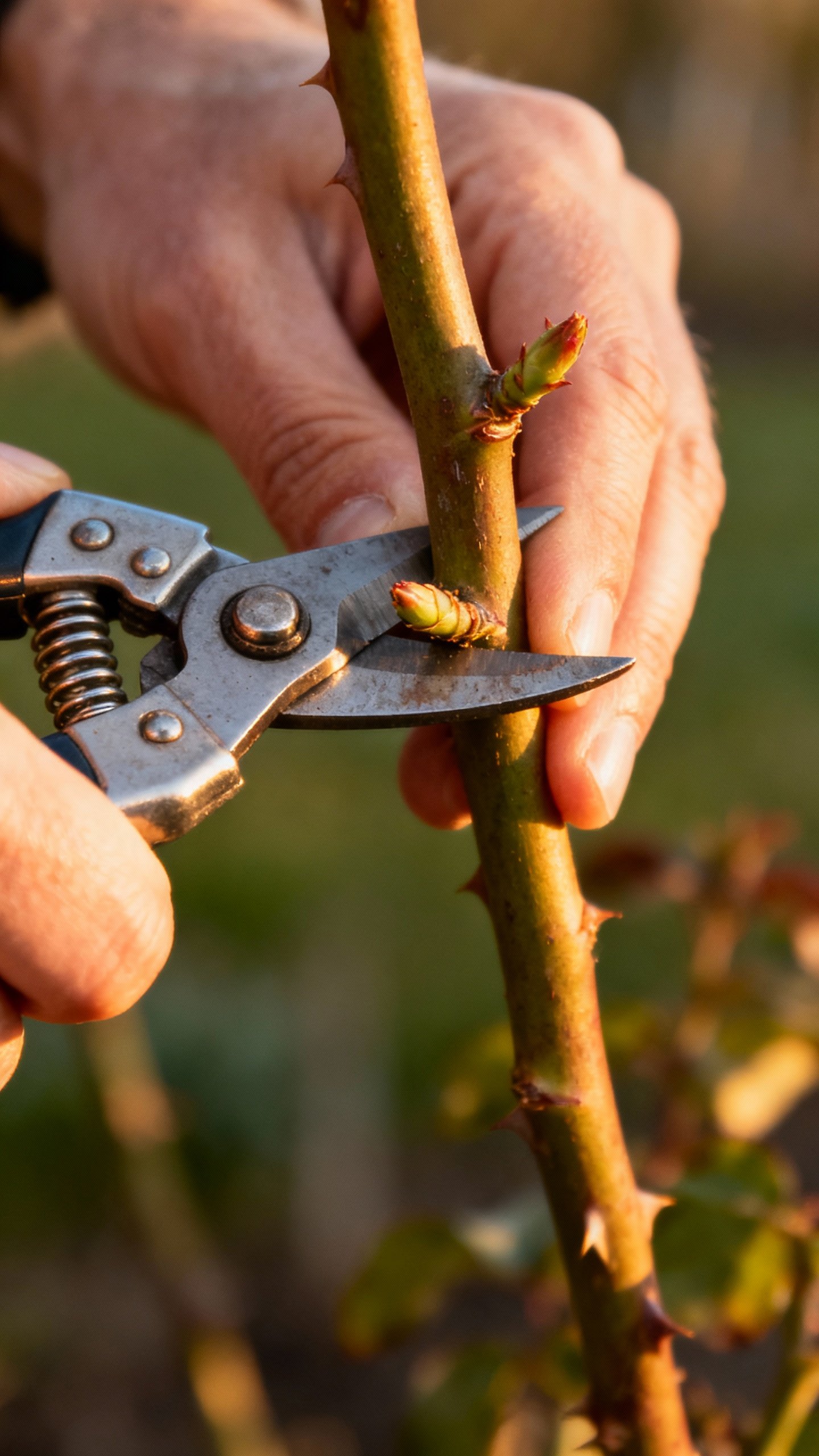
Use sharp, clean shears. Remove dead, damaged, or crossing canes first. Then shape the plant to open the center for airflow. Cut 1/4 inch above an outward-facing bud at a slight angle.
That encourages growth outward instead of into the plant where mildew likes to hang.
Easy pruning rules of thumb
– Hybrid teas: Reduce to 3-5 strong canes, about 12-18 inches tall. – Shrub roses: Take out the oldest canes and lightly shape. – Climbers: Tie new long canes horizontally to encourage more flowering shoots. – Anytime: Deadhead spent blooms to keep flowers coming (unless you want hips in fall—those are pretty!).
Pest and Disease: Prevention Beats Cure
Roses get drama from bugs and fungi, but you can stay ahead. Choose resistant varieties and keep things clean. Water smart, prune for airflow, and don’t crowd plants.
Common issues and quick fixes
– Black spot: Round black leaf spots, yellowing. Remove affected leaves, keep water off foliage, apply a sulfur or potassium bicarbonate spray if needed. – Powdery mildew: White film on leaves.
Improve airflow, avoid late watering, use horticultural oil if it persists. – Aphids: Tiny green vampires on buds. Blast with water, or use insecticidal soap or neem. Ladybugs help too. – Japanese beetles: Handpick in the morning into soapy water.
Traps can actually lure more beetles, FYI. – Spider mites: Speckled leaves, webbing in heat. Hose down undersides, use miticidal soap if it escalates.
Container Roses: Big Style, Small Footprint
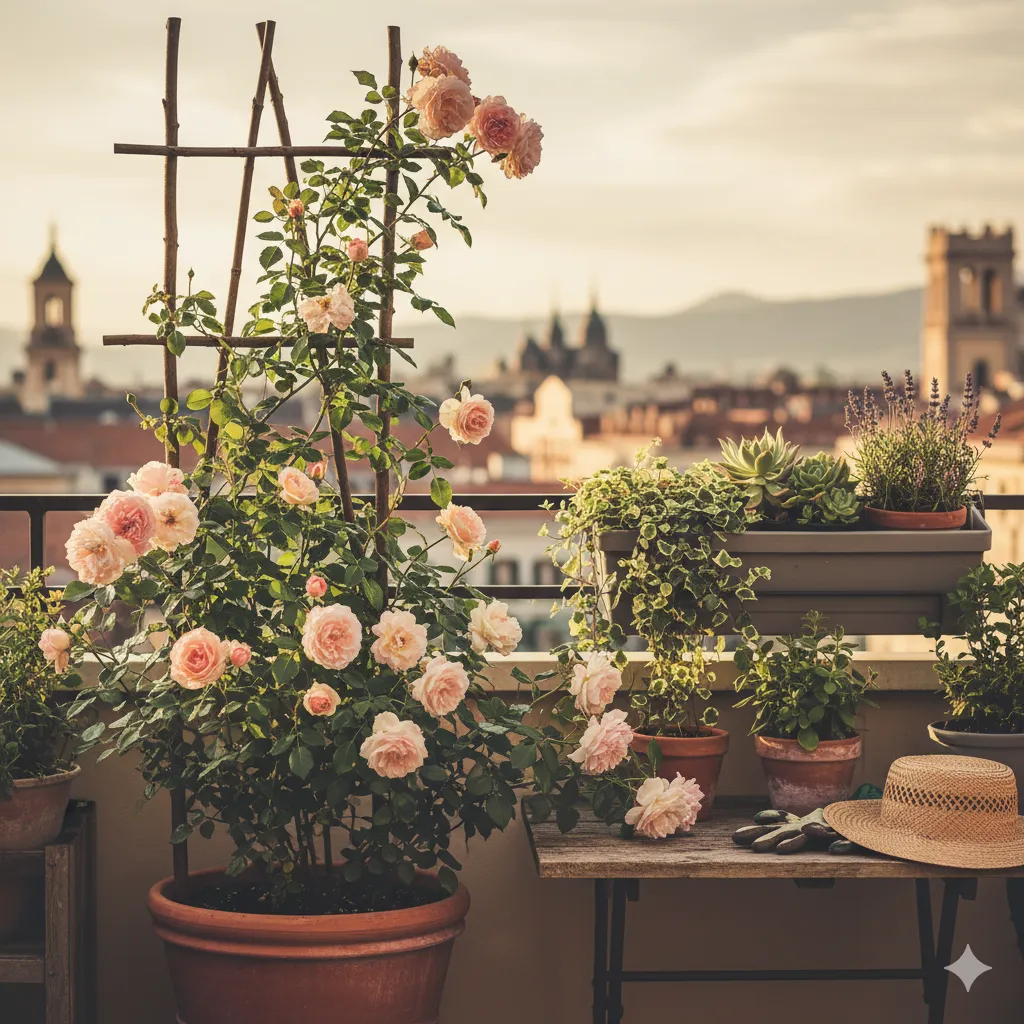
Yes, you can grow roses in pots and yes, they can look fabulous. Pick a pot at least 16-20 inches wide with drainage.
Use quality potting mix and raise the container on feet so water escapes. Water more often, especially in heat. Container roses love a monthly liquid feed during the growing season. Rotate the pot every few weeks for even sun exposure.
And if winter hits hard in your zone, roll them into shelter or wrap the pot.
Seasonal Rhythm: What To Do, When
Keeping roses thriving takes small, timely moves. Here’s your cheat sheet.
Spring
– Prune, clean up old leaves, and refresh mulch. – Feed with compost and slow-release fertilizer. – Watch for aphids and early black spot.
Summer
– Deep water, deadhead, and light feed mid-season. – Inspect weekly for pests and disease. – Provide afternoon shade for potted roses in heat waves.
Fall
– Stop feeding; let plants wind down. – Keep watering until frost. Reduce deadheading if you want rose hips. – Clean fallen leaves to cut disease pressure.
Winter
– In cold zones, mound 4-6 inches of mulch around the base after the first hard frost. – For grafted roses, protect the bud union (that swollen knob near the base). – Tie canes on climbers to prevent wind damage.
FAQ
How many hours of sun do roses really need?
Aim for 6-8 hours of direct sun.
Morning sun is ideal because it dries dew quickly and reduces disease. Some shrub roses can bloom with a bit less, but more sun equals more flowers, period.
Can I grow roses indoors?
Not long-term, unless you count a bright sunroom or greenhouse. Miniature roses from the store usually want to move outside ASAP.
If you try indoors, give them strong light and excellent airflow, but expect limited blooms.
What’s the easiest rose for beginners?
Shrub or landscape roses like Knock Out, Drift, or other disease-resistant varieties. They bloom like champs with minimal fuss, and they forgive watering and pruning mistakes. Great starter roses, IMO.
Why do my rose leaves turn yellow and drop?
Could be overwatering, nutrient deficiency, or black spot.
Check soil moisture first. If it’s soggy, back off. If leaves show uniform yellowing, add a balanced feed.
If you see black spots with yellow halos, remove infected leaves and improve airflow.
Do I need to deadhead every bloom?
You don’t have to, but deadheading keeps the show going on repeat-blooming varieties. Snip above a five-leaflet leaf. If you want rose hips in fall (pretty orange-red fruit), skip deadheading later in the season.
What’s the best fertilizer for roses?
A balanced, rose-specific fertilizer works great.
Organic blends (like 5-7-2) build soil health and reduce burn risk. Supplement with compost in spring and a liquid feed at bud set for top-tier blooms.
Wrap-Up: Roses, Demystified
You don’t need wizard skills to grow roses—just consistency. Give them sun, drainage, deep watering, and a few trims, and they’ll put on a floral parade all season.
Start with the right variety, keep airflow in mind, and handle issues early. Do that, and your roses will stop acting fussy and start acting fabulous.
Next, learn How To Grow Roses From Cuttings.
Enjoyed this project? Get even more DIY ideas that save (and make) you money.
Join our free newsletter for profitable DIY projects, clever cleaning hacks, home ideas, and creative crafts delivered straight to your inbox.
✓ Free forever • No spam • Unsubscribe anytime