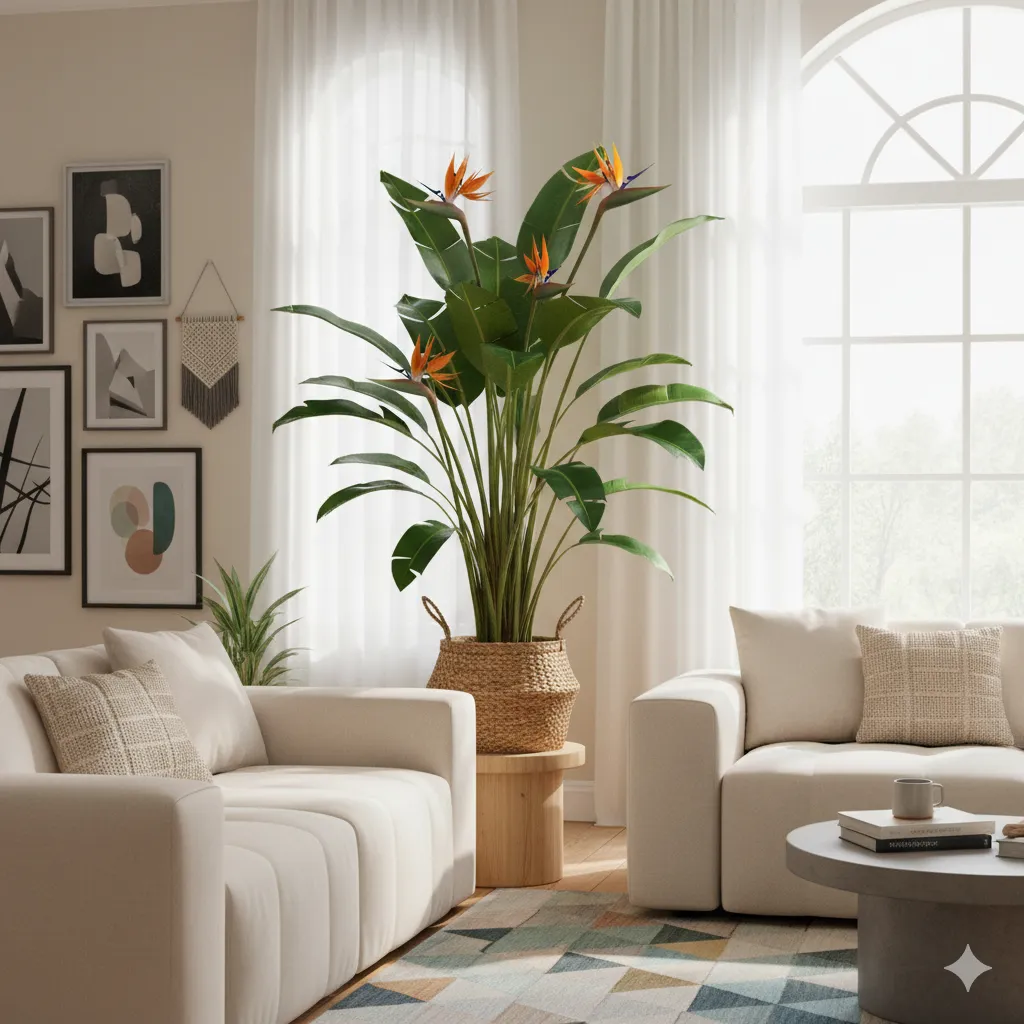
Bird of paradise looks like a tropical bird mid-flight and acts like a diva with a lighting contract. The good news? You can coax those dramatic blooms indoors without a greenhouse or a PhD.
You just need bright light, smart watering, and a little patience. Ready to get those outrageous orange-and-blue flowers to strut in your living room?
Meet Your Diva: What You’re Actually Growing
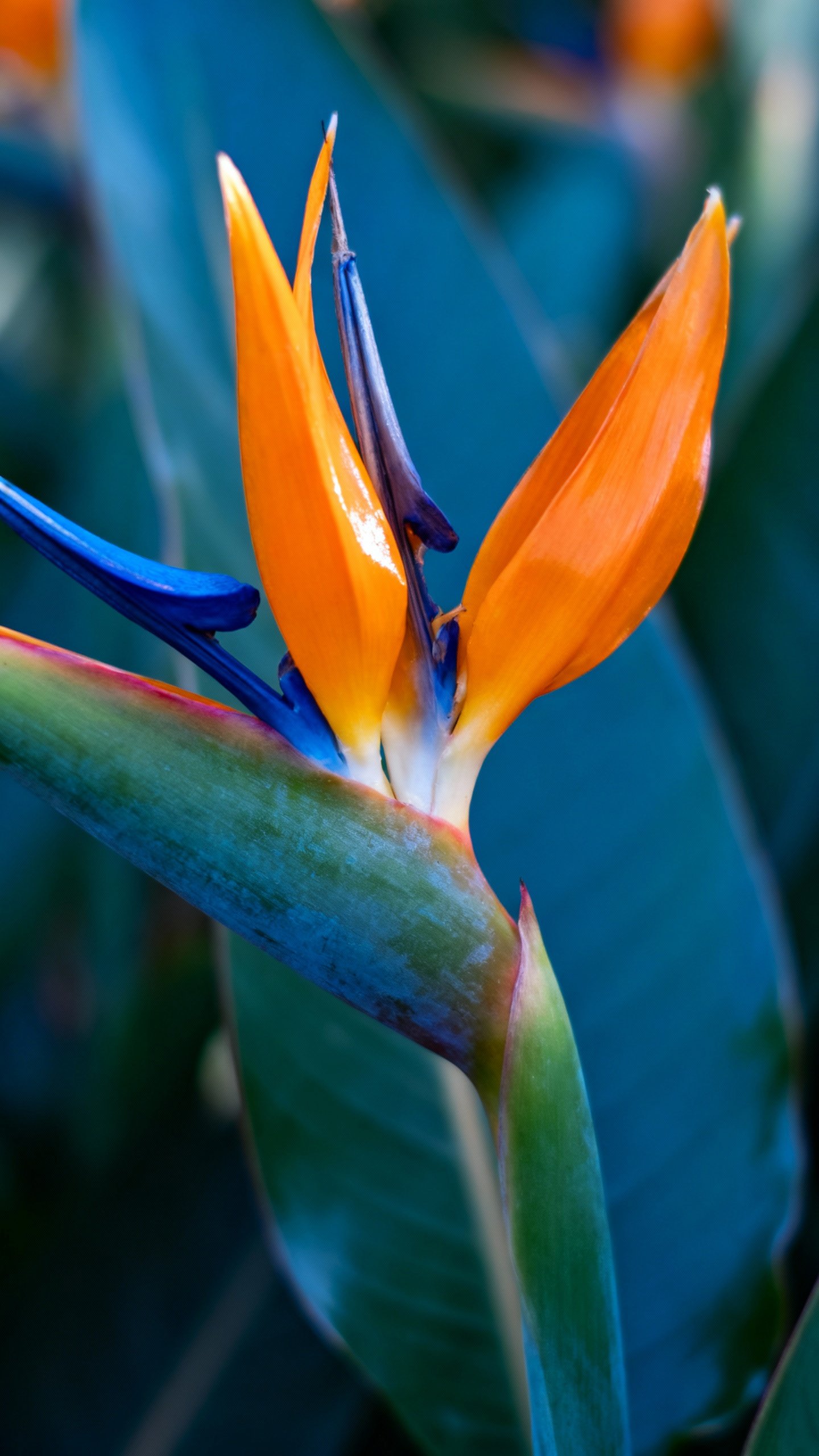
Bird of paradise (Strelitzia) comes in a few flavors, but you’ll most likely see:
- Strelitzia reginae: The classic orange-and-blue “bird” flower. Great for indoor blooms.
- Strelitzia nicolai: The “giant white” variety.
Bigger leaves, taller plant, white-and-purple flowers. Indoors, it’s mostly a stunning foliage statement.
Key difference? Reginae blooms more reliably in pots. Nicolai is more of a sculptural housemate unless you’ve got greenhouse-level light.
Light: The Non-Negotiable
Want blooms?
Give it sun. Not “some light.” Lots of light. Think bright, direct light for hours each day.
- Best spots: South or west windows.
East works with supplemental grow lights.
- Grow lights: Aim for 10,000–20,000 lux for 10–12 hours daily. Keep LEDs 12–24 inches above the plant.
- Rotate weekly: Prevent the “lean-left” look and encourage strong, even growth.
FYI: If your plant only gets bright, indirect light, you’ll get gorgeous leaves and probably zero flowers. Still a win, just not the cheerleader pom-poms we’re chasing.
Sunburn vs.
Sulking
New indoor plants can scorch if you throw them into full sun on day one. Ramp up light over 1–2 weeks. Brown crispy patches = sunburn.
Floppy leaves and no growth = not enough light. Choose your battle.
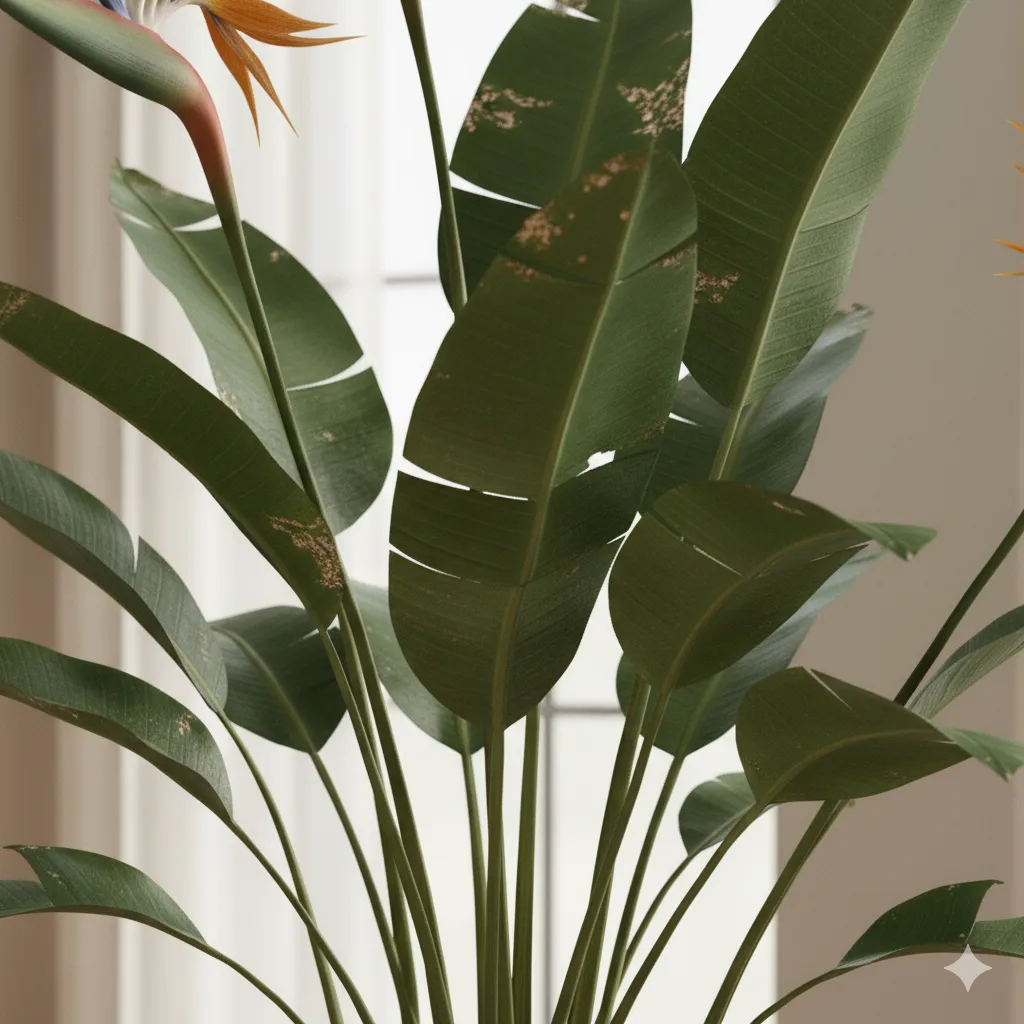
Watering: Less Guessing, More Rhythm
Bird of paradise likes a steady cycle: drink, dry down, repeat. Overwatering kills more plants than under-watering, IMO.
- Check the top 2 inches: If dry, water thoroughly until it drains.
- Winter slowdown: Water less as growth slows and the top half of the soil dries.
- Drainage matters: Pot with a drain hole.
No exceptions. The roots need air.
Signs you’re off: Yellow lower leaves and droop = underwatering or chronic thirst. Mushy stems and sour soil smell = overwatering.
Adjust, don’t panic.
Water Quality
They tolerate tap water in most places, but if your water runs very hard or salty, use filtered or rainwater to prevent leaf tip burn. Not mandatory, just a nice upgrade.
Soil and Pot: Give Those Roots Room
Bird of paradise grows beefy, rhizome-like roots. It wants structure, not soggy mush.
- Soil mix: 2 parts high-quality potting mix, 1 part perlite or pumice, 1 part orchid bark.
You want fast-draining and slightly airy.
- Pot size: Size up only 1–2 inches wider when roots circle the pot. Too big a pot = wet soil for days.
- Repot timing: Every 2–3 years in spring. Refresh top 1–2 inches of soil yearly if you keep the same pot.
Hot tip: A slightly snug pot can encourage blooms because the plant focuses energy upward rather than building a sprawling underground palace.
Feeding for Flowers
You want strong growth and bloom power, so feed during the warm season.
- Spring–summer: Use a balanced liquid fertilizer (like 3-1-2 or 10-10-10) at half strength every 2–4 weeks.
- Fall–winter: Cut back to monthly or pause if growth slows.
- Micronutrients: Occasional seaweed or a fertilizer with micronutrients helps prevent weird deficiencies.
Don’t overdo nitrogen if your plant refuses to bloom.
You’ll get a jungle of leaves and zero fireworks.
Bloom Reality Check
Even with great care, reginae usually needs to reach maturity (often 3–5 years old) to flower. Smaller plants might tease you with new leaves for a year or two first. Patience isn’t optional.
Humidity, Temperature, and Airflow
This plant loves a warm, breezy summer vibe.
It tolerates normal home humidity, but a little extra humidity bumps leaf quality.
- Temperature sweet spot: 65–85°F (18–29°C). Protect from drafts below 55°F (13°C).
- Humidity: 40–60% is fine. Group plants or use a tray of pebbles and water if air feels desert-dry.
- Airflow: Gentle airflow helps deter pests and fungus.
Think ceiling fan on low, not hurricane.
Pruning, Grooming, and Styling
Keep it clean and confident. A tidy plant grows better.
- Remove old leaves: Cut at the base with clean shears. Don’t tear.
- Wipe dust: Monthly leaf wipe with damp cloth = more photosynthesis.
- Support: Large nicolai may need a discreet stake to keep its architectural look.
When You Finally Get a Bloom
Flowers emerge from a horizontal “boat” called a spathe.
If it stalls, gently mist the spathe so petals can slide out. Don’t tug them. The bloom can last weeks, and yes, you can brag to everyone.
Pests and Problems (And Chill Solutions)
They’re not drama magnets, but things happen.
- Spider mites: Tiny webbing, stippled leaves.
Increase humidity, shower the plant, and treat with insecticidal soap or neem weekly until gone.
- Mealybugs/scale: Sticky leaves, cottony spots. Dab with alcohol, then follow up with horticultural oil.
- Leaf splits: Normal! Built-in wind vents.
Don’t panic, don’t tape, just accept the coastal aesthetic.
- Browning tips: Low humidity or salts in water. Trim tips at an angle and tweak care.
IMO: Prevent issues with regular rinses and good airflow. A monthly shower works wonders.
Encouraging Indoor Blooms: The Game Plan
Let’s stack the deck for flowers, not just foliage:
- Maximize light: South/west window + 1–2 hours of direct sun minimum, or add a grow light.
- Right-size pot: Slightly snug, well-draining mix.
Don’t bury the crown.
- Steady feeding: Balanced fertilizer in the growing season.
- Seasonal rhythm: Slightly cooler nights (60–65°F) in winter can signal bloom time come spring.
- Patience and maturity: Don’t hack off healthy leaves. The plant needs energy reserves to flower.
FYI: Crowding multiple mature plants together can trigger a “competition” bloom effect. It’s a little plant psychology.
FAQs
Why won’t my bird of paradise bloom indoors?
Usually it’s light.
Most homes don’t offer enough direct sun. Add a strong grow light, keep the plant slightly pot-bound, feed during spring and summer, and maintain warm temps with cooler nights in winter. Also check age—immature plants just won’t bloom yet.
How often should I water?
Water when the top 2 inches of soil feel dry.
In warm months, that might be weekly. In winter, every 10–21 days. Always water thoroughly, let excess drain, and never let the pot sit in a saucer full of water.
Is bird of paradise safe for pets?
Mildly toxic if ingested.
It’s not the most dangerous plant out there, but keep leaves and flowers out of chewing range. If your pet snacks on everything, consider placing the plant on a sturdy stand or behind a barrier.
Can I grow it on a balcony in summer?
Yes, and it will love you for it. Transition gradually to direct sun over 1–2 weeks to avoid scorch.
Bring it back inside before nights drop below 55°F (13°C). Expect a growth spurt from the outdoor vacation.
What’s the best size for indoor spaces?
For reginae, a 10–12 inch pot with a 3–5 foot plant suits most rooms. Nicolai gets big—floor-to-ceiling energy.
Give it a corner with headroom, or it’ll audition for “house tree” and win.
Should I divide my plant?
Only if it’s overflowing the pot or you want more plants. Divide in spring, keeping at least 3 healthy stems per division. Expect a pause in growth while it settles, which can delay blooms temporarily.
Conclusion
Bird of paradise asks for light, warmth, and a steady hand—and pays you back with sculptural leaves and, with time, iconic blooms.
Set it up near a sunny window, water with intention, feed smart, and don’t rush it. Give this diva the stage, and it will put on a tropical show right in your living room.
Enjoyed this project? Get even more DIY ideas that save (and make) you money.
Join our free newsletter for profitable DIY projects, clever cleaning hacks, home ideas, and creative crafts delivered straight to your inbox.
✓ Free forever • No spam • Unsubscribe anytime