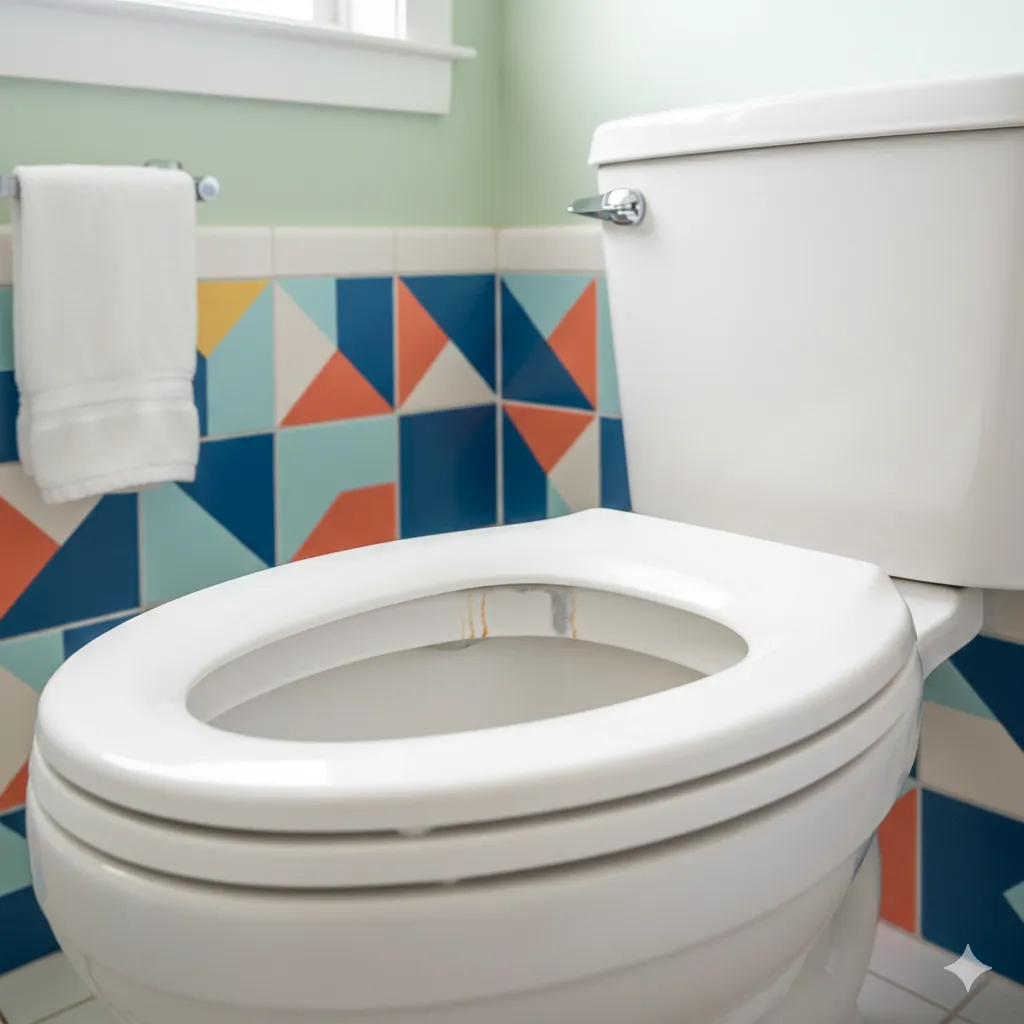
You glance into the bowl and see those stubborn rings staring back at you like they pay rent. Hard water stains, weird rust streaks, mystery marks—none of them spark joy. Good news: you can kick them out without harsh fumes or an arm workout.
I’ll show you what works, what’s overhyped, and how to keep your throne gleaming with minimal effort.
Watch this short video to see how to remove toilet bowl stains:
Know Your Enemy: What Those Stains Actually Are
Not all stains act the same, so you’ll clean smarter if you know what you’re fighting. Quick guide:
- Hard water/mineral ring: Cloudy white or gray band around the waterline. Calcium and lime build-up makes it gritty.
- Rust/orange streaks: Iron in your water or old pipes leaves orange or brown drips and streaks.
- Organic stains: Let’s be adults—these are from, ahem, life.
They respond to disinfectants and basic toilet cleaners.
- Black mold/mildew marks: Dark specks or lines, usually under the rim where water sits and air doesn’t reach.
FYI: You might see a combo of these. That’s normal. We’ll stack methods to tackle them all.
Gear Up: The Simple Kit That Actually Works
You don’t need a cart full of gimmicks.
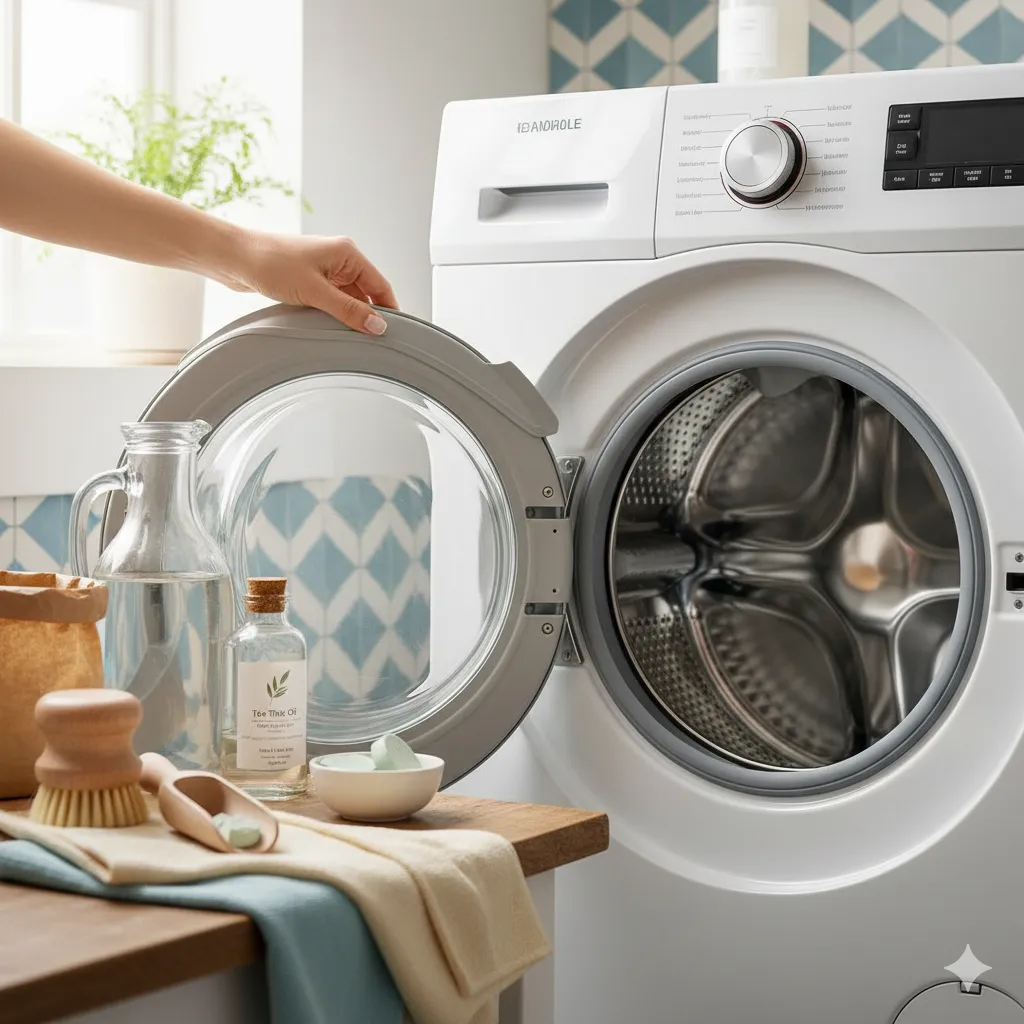
Keep these on hand:
- Toilet brush with stiff bristles (not the cheap floppy kind)
- Pumice stone for toilets (safe for porcelain when wet)
- White vinegar and baking soda
- Citric acid powder or fresh lemons
- Disinfecting toilet cleaner or bleach (for sanitizing, not descaling)
- Rubber gloves and good ventilation
Pro tip: Keep a dedicated microfiber cloth for the exterior. No cross-contamination with your sink towels unless you enjoy chaos.
The Fast Routine: Weekly Clean in 5–7 Minutes
This keeps stains from ever taking over. Do this once a week, and future you will thank you.
- Flush and pre-wet. Wet porcelain resists scratching and spreads cleaner evenly.
- Apply toilet cleaner under the rim. Let it sit 2–3 minutes while you wipe the tank, seat, and base.
- Scrub the bowl. Hit the waterline, under the rim, and the trap (the curve at the bottom).
Scrub with intention, not rage.
- Flush. Check for missed spots. Repeat quick scrub if needed.
IMO, you’ll avoid 90% of drama just by sticking to this routine.
Deep Clean: Remove Mineral Rings and Rust
When stains laugh at your normal routine, bring out the big guns. Choose one method below based on what you have.
Method A: Vinegar + Baking Soda (Gentle and Effective)
- Drain the bowl a bit: Turn off the water valve behind the toilet and flush once.
You want less water so the acids work directly on stains.
- Pour 2 cups vinegar around the bowl, especially on the ring. Sprinkle 1/2 cup baking soda over it. Let fizz.
- Wait 10–15 minutes, scrub. Hit under the rim and the ring.
For heavy buildup, repeat once.
- Turn water on and flush.
This combo softens mineral deposits without harsh fumes. It won’t fix 10-year-old scale in one go, but it’s reliable.
Method B: Citric Acid Soak (For Stubborn Hard Water)
- Mix 2–3 tablespoons citric acid in a quart of warm water. Stir to dissolve.
- Pour solution around the bowl and directly onto the ring.
- Let sit 30–60 minutes. Go live your life.
- Scrub and flush.
Citric acid chews through calcium and lime beautifully.
Lemon juice works in a pinch but needs more elbow grease.
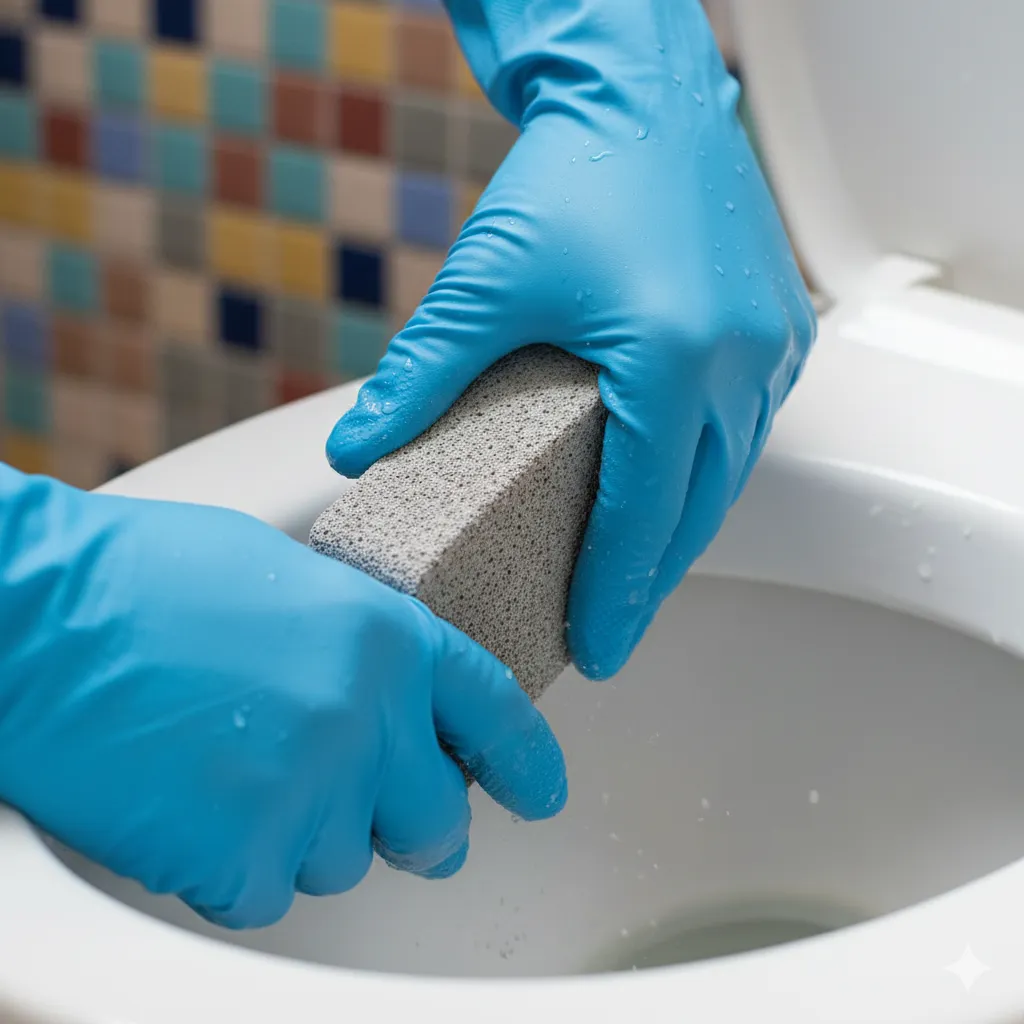
Method C: Pumice Stone (When Nothing Else Budges)
- Soak the pumice and keep the bowl wet. Water is non-negotiable to avoid scratching.
- Gently rub the ring with light pressure. You’ll see deposits lift like eraser shavings.
- Finish with a quick brush and flush.
Use only on real porcelain or glazed ceramic. No pumice on plastic or specialty finishes.
Be gentle; your toilet is not a grill grate.
Method D: Rust and Orange Streaks
- Use a rust remover labeled safe for toilets or try citric acid first.
- Avoid bleach on rust initially. Bleach can set some iron stains.
- Scrub lightly and rinse well.
Under-the-Rim: The Sneaky Source of Smells and Stains
Stains hide where you don’t look: under the rim jets. They feed black mold and send mineral grit down every flush.
- Flip your brush upward and scrub directly under the rim.
- For deep clogs: Soak a paper towel in vinegar and press it along the underside of the rim. Leave 20–30 minutes, then scrub.
- Persistent mold? Use a bleach gel cleaner under the rim, let sit 10 minutes, scrub, and flush.
What Not To Do (Because Regret Is Expensive)
- Don’t mix cleaners. Especially bleach and ammonia or acids.
Bad fumes, dangerous combo, hard pass.
- Don’t use metal scrapers or scouring pads. They scratch porcelain and make stains cling harder next time.
- Don’t pour boiling water into the bowl. Porcelain can crack from thermal shock. Lukewarm is fine; boiling is not.
- Don’t ignore hard water. If you see buildup in a week, consider a water softener or at least regular citric acid soaks.
Keep It Clean Longer: Easy Preventive Habits
A tiny bit of prevention beats a weekend project. Try these:
- Quick brush midweek. Two minutes keeps rings from forming.
- Vinegar night once a month. Pour a cup into the bowl before bed.
Scrub in the morning, flush, done.
- Wipe the exterior weekly. Tank top, handle, seat hinges—fast pass with a disinfecting wipe.
- Check water level and flow. Weak flushes leave residue. Adjust the float or clean the rim jets if needed.
- Dehumidify the bathroom. Less moisture = less mildew.
IMO, a little consistency beats every “miracle” blue tablet that crumbles into your tank and wrecks the flapper.
Eco-Friendly vs. Chemical: Choosing Your Cleaners
Both camps have wins.
Pick based on your stains and tolerance.
Eco-Leaning Options
- Vinegar + baking soda: Great for regular descaling and deodorizing.
- Citric acid: MVP for hard water and rust. Minimal smell, strong results.
- Hydrogen peroxide (3%): Disinfects without bleach smell. Good for the exterior and seat.
Stronger Chemical Options
- Bleach cleaner: Disinfects and whitens.
Use after you’ve removed mineral deposits for best results.
- Commercial descalers (limescale removers): Fast on heavy deposits. Follow labels and ventilate.
Balance it. Use acids for scale, then disinfect to finish.
You don’t need to choose a team forever.
FAQ
How do I remove that gray ring that comes back every week?
You’re dealing with hard water. Do a citric acid soak or vinegar treatment to dissolve the minerals, then switch to a quick midweek brush. Add a monthly vinegar night to keep it from reforming.
If it returns super fast, consider a water softener or a filter.
Is a pumice stone safe for my toilet?
Yes—if you keep both the stone and the porcelain very wet. Use light pressure and go slow. Avoid on non-porcelain surfaces or fancy matte finishes.
If you hear scraping, stop and re-wet.
Can I use bleach for everything?
Bleach disinfects wonderfully, but it doesn’t dissolve mineral scale. Use vinegar or citric acid first to remove deposits, then bleach if you want to sanitize. Also, never mix bleach with other cleaners.
Ever.
What’s the best natural cleaner for rust stains?
Citric acid works great. Make a strong solution, soak the area 30–60 minutes, then scrub. For tough rust, use a rust remover labeled safe for toilets, but test carefully.
Do those drop-in tank tablets help?
They make the water blue and can freshen scent, but many chew through rubber tank parts over time.
I’d skip them. Use bowl-applied cleaners and a quick brush instead. Your flapper valve will live longer.
Why does my toilet smell even after cleaning?
Check under the rim for hidden gunk, clean the siphon jet, and scrub the trap area.
Wipe the seat hinges and the base of the toilet—these areas hold odor. Also, ensure good ventilation and fix any slow leaks.
Wrap-Up: The Throne Deserves Its Crown
You don’t need harsh chemicals or heroic scrubbing to win the battle against toilet stains. Identify the stain, hit it with the right method (vinegar, citric acid, or a gentle pumice), and lock in a quick weekly routine.
Keep it simple, keep it consistent, and your bathroom will stay sparkling—no drama, no fumes, no judgment. FYI, your future self just sent a thank-you note.
Enjoyed this project? Get even more DIY ideas that save (and make) you money.
Join our free newsletter for profitable DIY projects, clever cleaning hacks, home ideas, and creative crafts delivered straight to your inbox.
✓ Free forever • No spam • Unsubscribe anytime