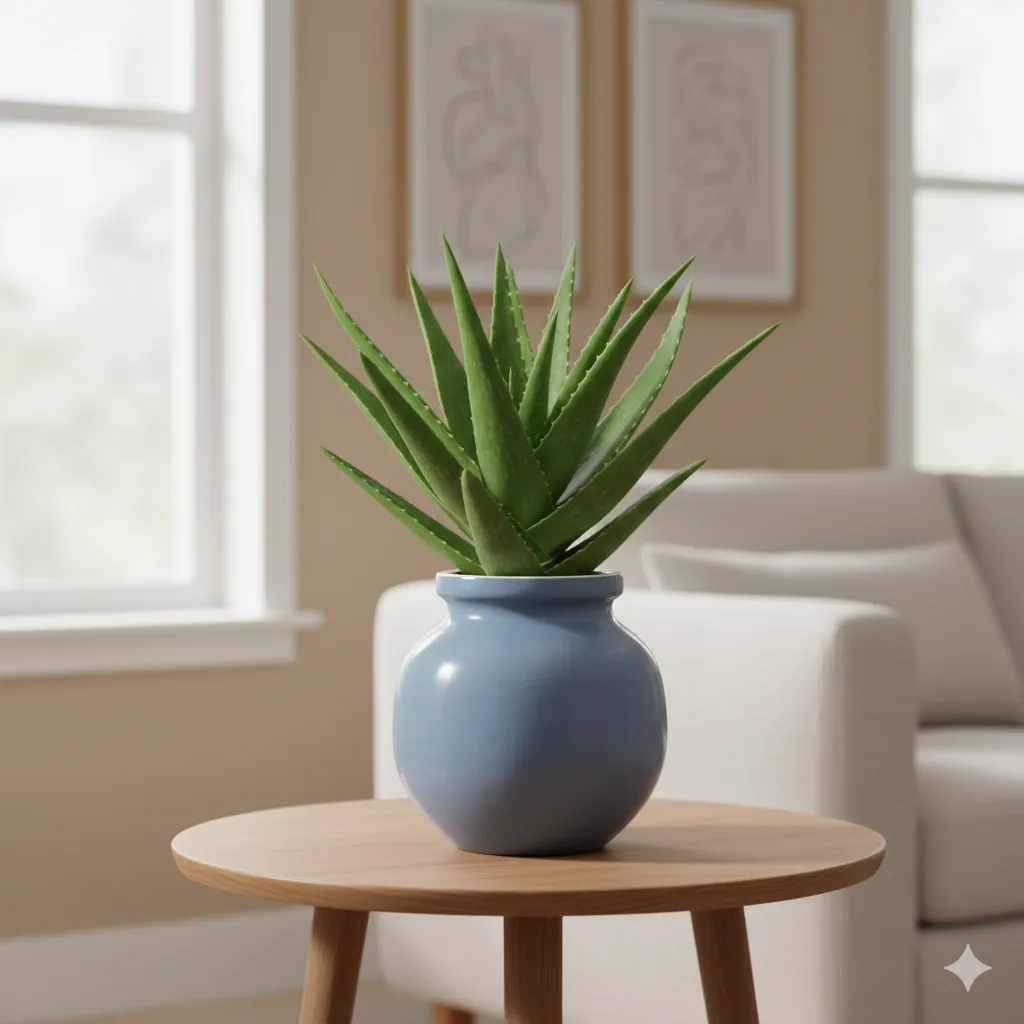
Aloe looks like a low-maintenance desert diva, and honestly, it kind of is. But even divas need the right lighting, the right outfit (pot), and definitely the right hydration routine. If your aloe looks floppy, spotty, or just… sad, don’t panic.
With a few simple tweaks, you’ll go from “help me” to “hello, gorgeous rosette.”
Meet Your Plant: Aloe 101
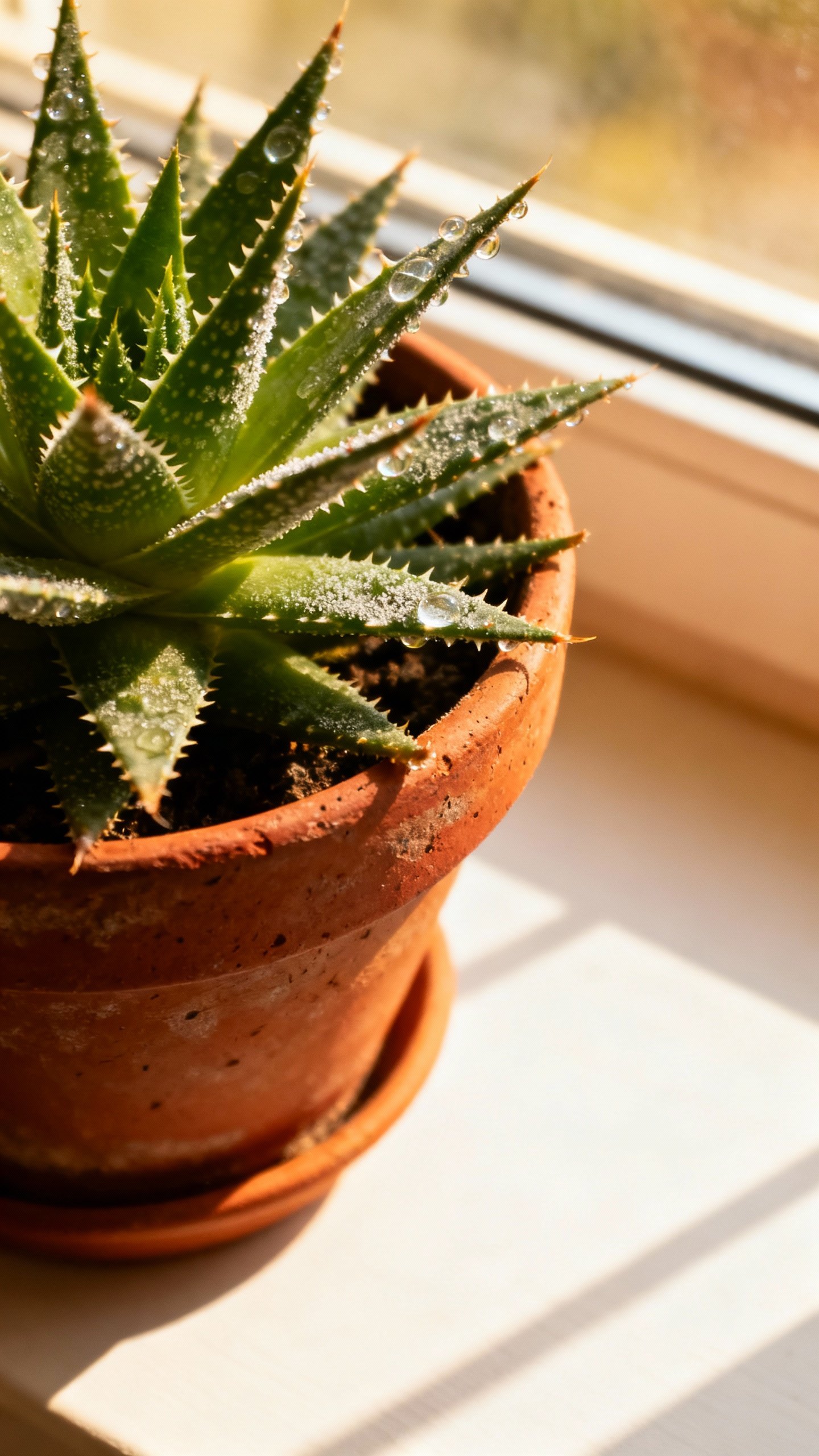
Aloe is a succulent that stores water in its leaves, which means it thrives on neglect. Overwatering? Biggest villain. Think: cactus rules—bright light, fast-draining soil, and infrequent watering.
It rewards you with sculptural leaves and, if you nail the care, occasional tall flower spikes.
Light: The Make-or-Break Factor
Your aloe wants bright light—like, a lot of it. A sunny windowsill with a few hours of direct sun works great, especially east or south-facing. If you only have north light, your aloe will stretch and sulk.
Signs You Got the Light Right (or Wrong)
- Just right: Compact rosette, firm leaves, slight blush at the tips from sun.
- Too little light: Leggy growth, leaves reaching and flattening, pale green color.
- Too much harsh sun too fast: Sunburn—brown, crispy spots.
Acclimate slowly.
Grow Lights? Totally Fine
If your home runs dim, use a full-spectrum LED about 12–18 inches above the plant. Target 12–14 hours daily. IMO, it’s the easiest fix when windows won’t cooperate.
Watering: Less Is More (No, Really)
If you remember one rule, make it this: Water deeply, then wait until the soil dries out completely.
Drench the soil until water runs out the bottom, then ignore it for 2–4 weeks depending on season and climate.
Simple Watering Schedule (Flexible, Not Rigid)
- Spring–summer: Every 2–3 weeks, if soil dries faster.
- Fall–winter: Every 3–5 weeks—cool temps slow growth.
- Always check the soil: Stick a finger 2 inches deep. If it’s dry and the pot feels light, water.
Overwatering vs. Underwatering
- Overwatered: Mushy leaves, blackened base, sour smell.
Repot immediately into dry mix.
- Underwatered: Wrinkled leaves but firm base. Water deeply and it should bounce back.
Soil and Potting: The Right Outfit Matters
Aloe needs fast-draining soil. Regular potting soil holds too much moisture, so don’t do that to your succulent friend.
Best Soil Mix
- Bagged cactus/succulent mix works well.
- Or DIY: 2 parts potting mix + 1 part perlite/pumice + 1 part coarse sand or small gravel.
Pot Choice
- Drainage holes are non-negotiable.
- Terracotta breathes and dries faster—great for heavy-handed waterers.
- Choose a pot only 1–2 inches wider than the root ball.
Aloes like a snug fit.
Repotting Tips
- Repot every 2–3 years or when roots circle the pot.
- Brush off soggy soil, trim rotten roots, and let wounds dry for a day before repotting.
- Don’t water for 3–5 days after repotting—let roots settle first.
Temperature, Humidity, and Airflow
Aloes love warmth. Keep them between 60–85°F. They tolerate short dips to 50°F, but frost will wreck them. Indoors, average humidity works fine.
They don’t want a swampy bathroom, but they won’t throw a tantrum if they visit.
Summer Vacations Outdoors
Set your aloe outside when nights stay above 55°F. Start in bright shade for a week, then introduce morning sun. Bring it back in before temps drop.
FYI, a gentle breeze outdoors toughens leaves nicely.
Feeding: Light Snacks Only
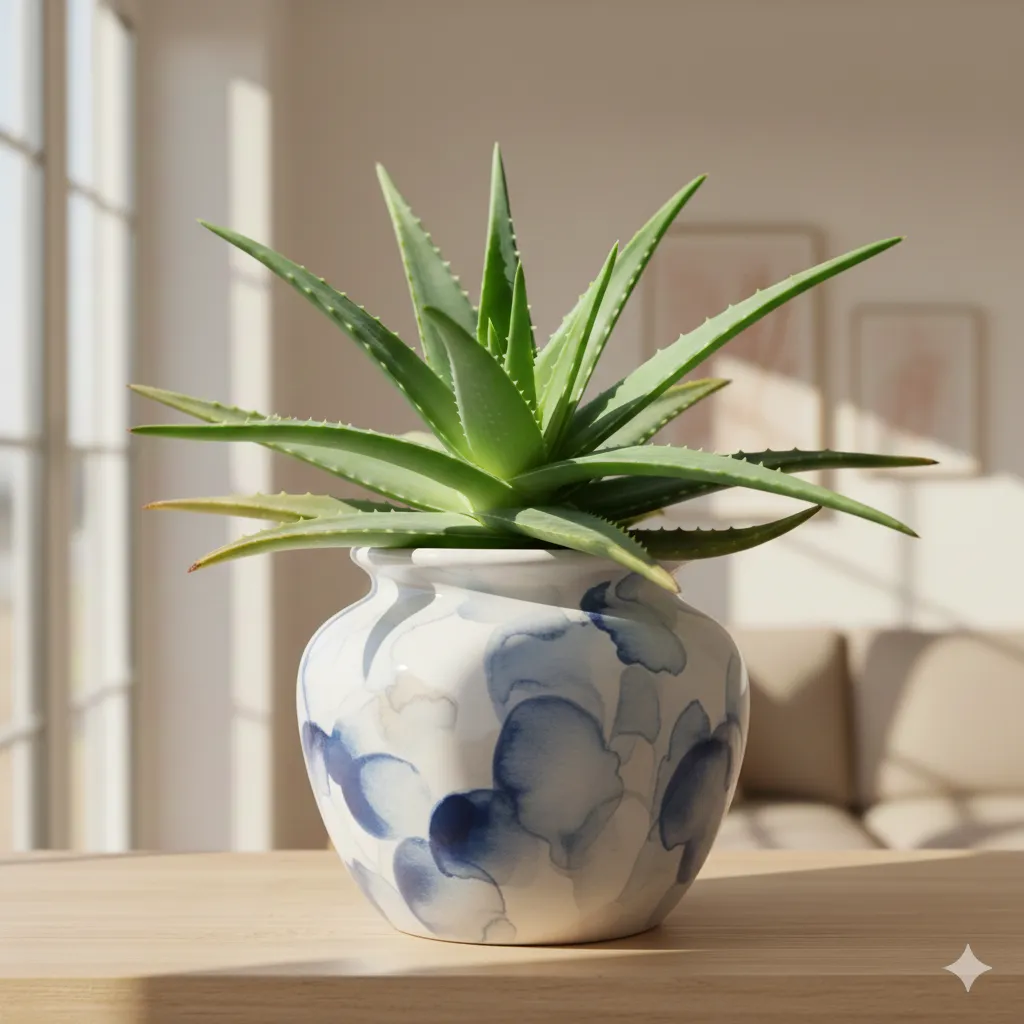
Aloes don’t eat like tropical divas. Fertilize lightly in spring and early summer with a balanced liquid fertilizer at half strength, once a month max. Skip winter. Overfeeding stretches growth and weakens the plant—no one wants a floppy aloe, IMO.
Pruning, Pups, and Propagation
Pruning’s easy: remove dried or damaged leaves at the base with a clean knife.
No need to shape it like a topiary—aloes look best when you let them rosette naturally.
Pups: Free Plants!
Aloes often produce offsets (pups) at the base. Wait until a pup has a few inches of height and its own roots. Detach it gently, let the cut callus for a day, then pot in dry succulent mix.
Water lightly after a week.
Leaf Cuttings: Mixed Results
Some aloes root from leaf cuttings, but many don’t. If you try, let the cut end callus for several days, then place on slightly damp mix. Expect variable success.
Honestly, pups are the win here.
Common Issues and How to Fix Them
- Leaves bending or flopping: Not enough light, or pot too big. Move to brighter spot; repot tighter.
- Brown tips: Underwatering, salt buildup, or too much direct heat. Flush soil occasionally and adjust watering.
- Soft, dark base (stem rot): Overwatering.
Unpot, remove mush, dust with cinnamon or sulfur (optional), repot dry.
- Sunburn: Brown, crispy patches after sudden bright sun. Provide shade and acclimate slowly next time.
- Pests: Mealybugs and scale. Dab with alcohol on a cotton swab and use a neem or insecticidal soap routine weekly until gone.
Decor and Styling: Let It Shine
Aloes look amazing solo in terracotta or paired with other drought-lovers.
Keep companions with similar watering needs—no ferns, please. And elevate the pot on a stand or pebbles to boost airflow and prevent saucer sogginess.
Flowering: The Bonus Round
Given strong light and good care, mature aloes may send up a tall bloom stalk with tubular flowers. No tricks—just consistency.
If it doesn’t bloom, don’t spiral; many indoor aloes skip flowers and still look great.
FAQ
How often should I water my aloe?
Water only when the soil is completely dry, usually every 2–4 weeks. In summer it might be a bit more frequent; in winter, much less. Always check the soil instead of the calendar.
Why is my aloe turning brown or yellow?
Brown tips often mean underwatering or salt buildup.
Yellowing, mushy leaves usually mean overwatering. Adjust your routine and ensure fast-draining soil and a pot with drainage holes.
Can I use aloe gel from my plant on my skin?
Yes—if it’s an aloe species safe for topical use (Aloe vera is the usual). Harvest an inner leaf gel, avoid the yellow sap (aloin) near the skin, and patch test first.
If irritation happens, stop using it. FYI, keep things clean when you cut.
What size pot does my aloe need?
Choose a pot just 1–2 inches wider than the root ball. Aloes prefer a snug fit, which helps prevent soggy soil and root rot.
Terracotta is a great choice if you overwater.
Can I grow aloe in low light?
It will survive, but it won’t thrive. Expect stretched, floppy growth. Use a grow light or move it to a brighter spot for a happier plant, IMO.
My aloe keeps leaning.
What gives?
Leaning usually means it reaches for light. Rotate the pot a quarter turn every week, and upgrade the light situation. If the base stretched, repot a bit deeper in fresh, gritty mix.
Closing Thoughts
Aloe rewards a simple, consistent routine: bright light, fast-draining soil, and infrequent deep watering.
Skip the fuss, avoid the overwatering trap, and let it bask. Do that, and your aloe will sit there looking effortlessly cool—like it woke up like this.
Next, learn Amazing Succulent Care Tips That Keep Them Thriving Indoors.
Enjoyed this project? Get even more DIY ideas that save (and make) you money.
Join our free newsletter for profitable DIY projects, clever cleaning hacks, home ideas, and creative crafts delivered straight to your inbox.
✓ Free forever • No spam • Unsubscribe anytime