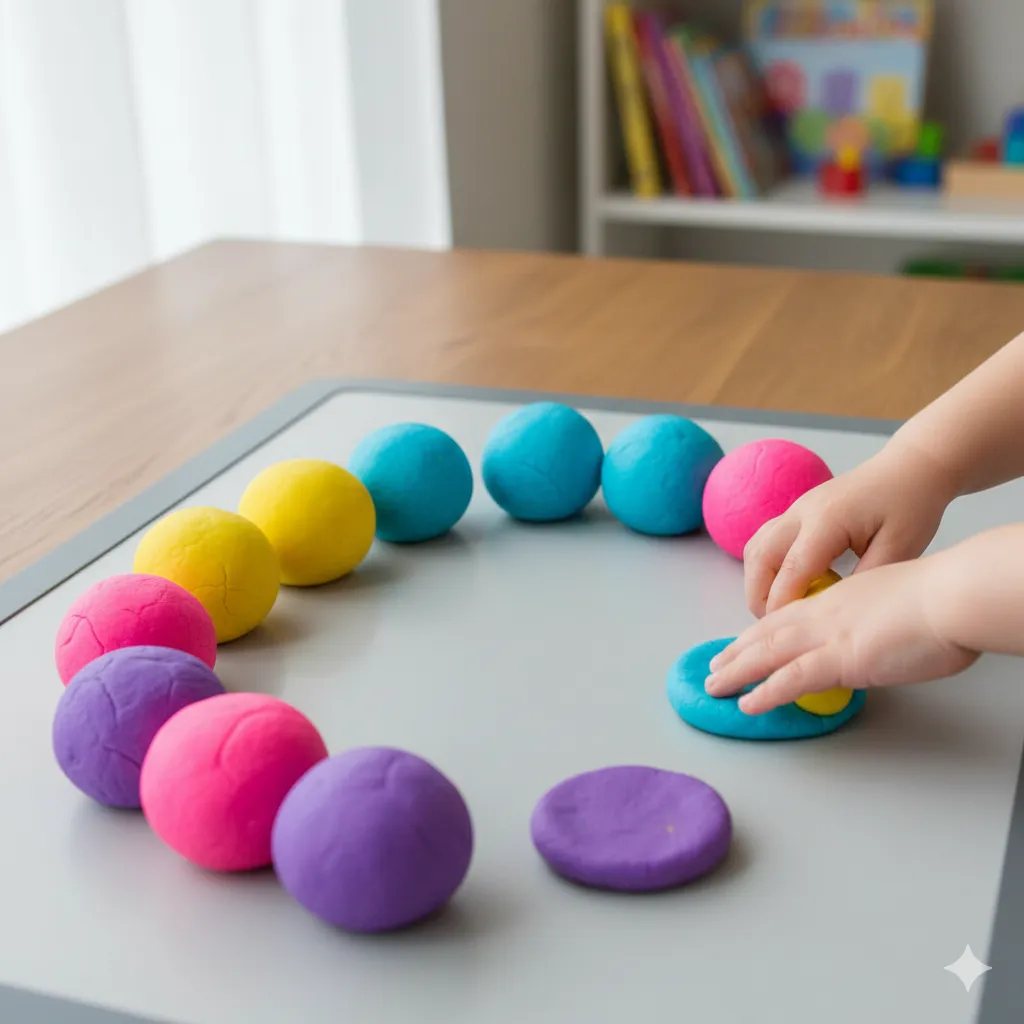
There is something magical about a fresh batch of play dough. It’s the ultimate childhood staple that sparks creativity, improves fine motor skills, and keeps little hands busy for hours. While store-bought tubs are convenient, making it at home is a total game-changer. Not only is it significantly cheaper, but you also have total control over the ingredients, ensuring it’s non-toxic and safe for curious toddlers.
This guide provides multiple tried-and-tested recipes and pro tips to ensure your dough is perfectly stretchy every time.
Watch this easy tutorial to see the best play dough recipe–no cooking:
How to Make Play Dough at Home (Step-by-Step)
Before you start mixing, set yourself up for success.
- Workspace Tip: Use a silicone mat, large tray, or even a simple dinner plate to contain the floury mess and prevent food coloring from staining your countertops.
- Texture Secrets: Remember that the final texture depends heavily on your method. Cooked dough tends to be smoother and last longer, while no-cook recipes are perfect for instant gratification.
1. Play Dough Recipe: No-Cooking (The Instant Version)
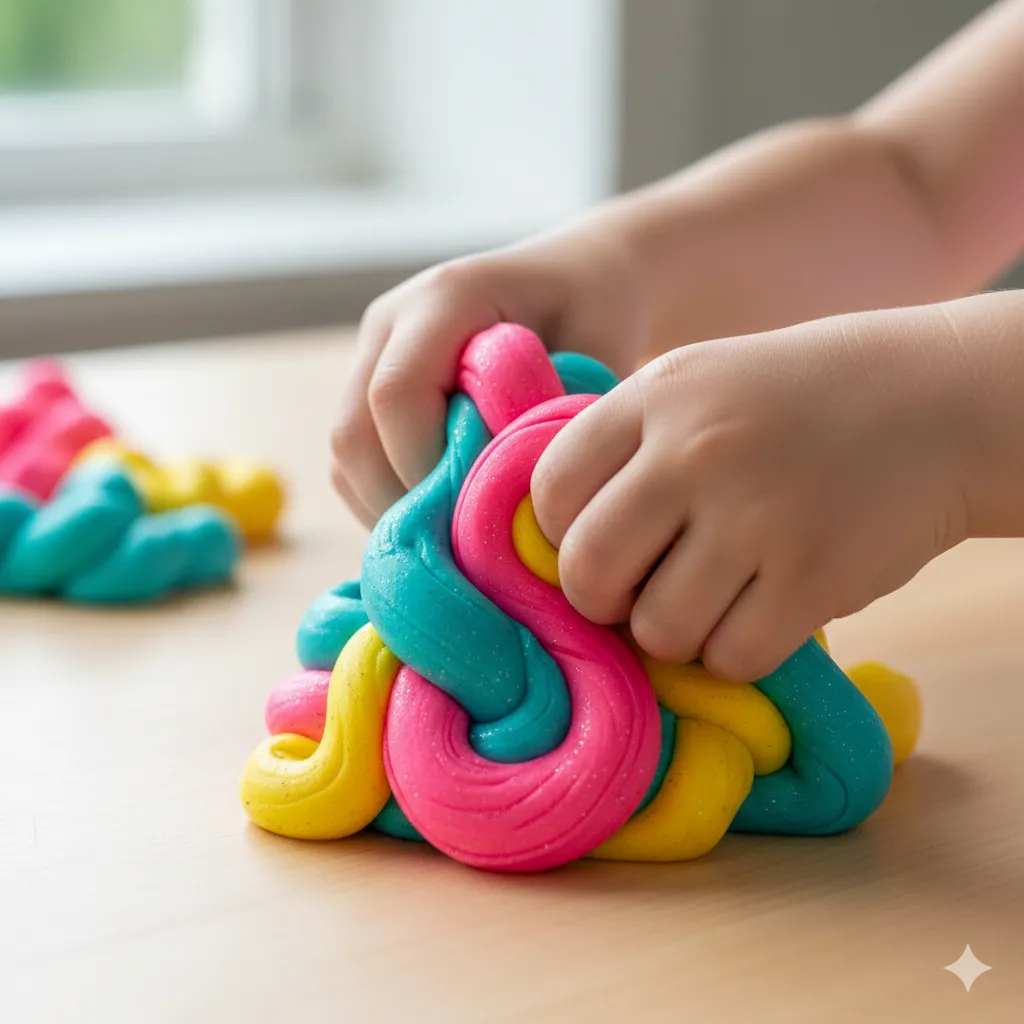
Perfect for when you need a rainy-day activity right now.
- Ingredients: 2 cups flour, ½ cup salt, 1 cup warm water, 2 tbsp oil, food coloring.
- Instructions: Mix the dry ingredients. In a separate bowl, mix the water, oil, and coloring. Slowly pour the liquid into the flour.
- Kneading Tip: It will look shaggy at first. Keep kneading! The warmth from your hands helps the salt and flour bind into a soft, stretchy dough.
2. Play Dough Recipe: Without Cream of Tartar
If you don’t have this specific leavening agent in the cupboard, don’t sweat it.
- Ingredients: 1 cup flour, ¼ cup salt, ¾ cup water, 1 tbsp vegetable oil.
- Instructions: Mix all ingredients in a pot over medium heat. Stir constantly until the mixture forms a ball and pulls away from the sides.
- Note: This version is incredibly safe for toddlers. It feels a bit denser but is very easy to mold.
3. Play Dough Recipe: With Cream of Tartar
This is the “Gold Standard” recipe for the smoothest, most elastic dough that lasts for weeks.
- Ingredients: 1 cup flour, ½ cup salt, 2 tsp cream of tartar, 1 cup water, 1 tbsp oil, food coloring.
- Instructions: Cook on medium heat, stirring constantly until a dough ball forms.
- Note: The cream of tartar acts as a preservative and provides that signature “squish” that mimics professional brands.
4. Play Dough Recipe: Microwave (The Speed Cook)
- Ingredients: Same as the No-Cook recipe.
- Method: Mix all ingredients in a microwave-safe bowl. Heat for 30-second intervals, stirring in between, for about 2 minutes total.
- Note: Be careful not to overcook, or it will become tough. Knead it while it’s still warm (but safe to touch) for the best texture.
5. Play Dough Recipe: No Salt (Edible-Safe for Tasters)
- Ingredients: 1 cup flour, 1 tbsp oil, ½ cup water, and a splash of yogurt or cornstarch to thicken.
- Note: This is ideal for very young children who still put everything in their mouths. Since it lacks salt as a preservative, it won’t last as long, so make small batches!
Play Dough Tips for Maximum Fun
Want to take your dough to the next level? Try these creative twists:
- Marble Effect: Swirl two or three different colors together without fully mixing them.
- Sparkle & Scent: Add edible glitter or natural colorants like beet juice or turmeric.
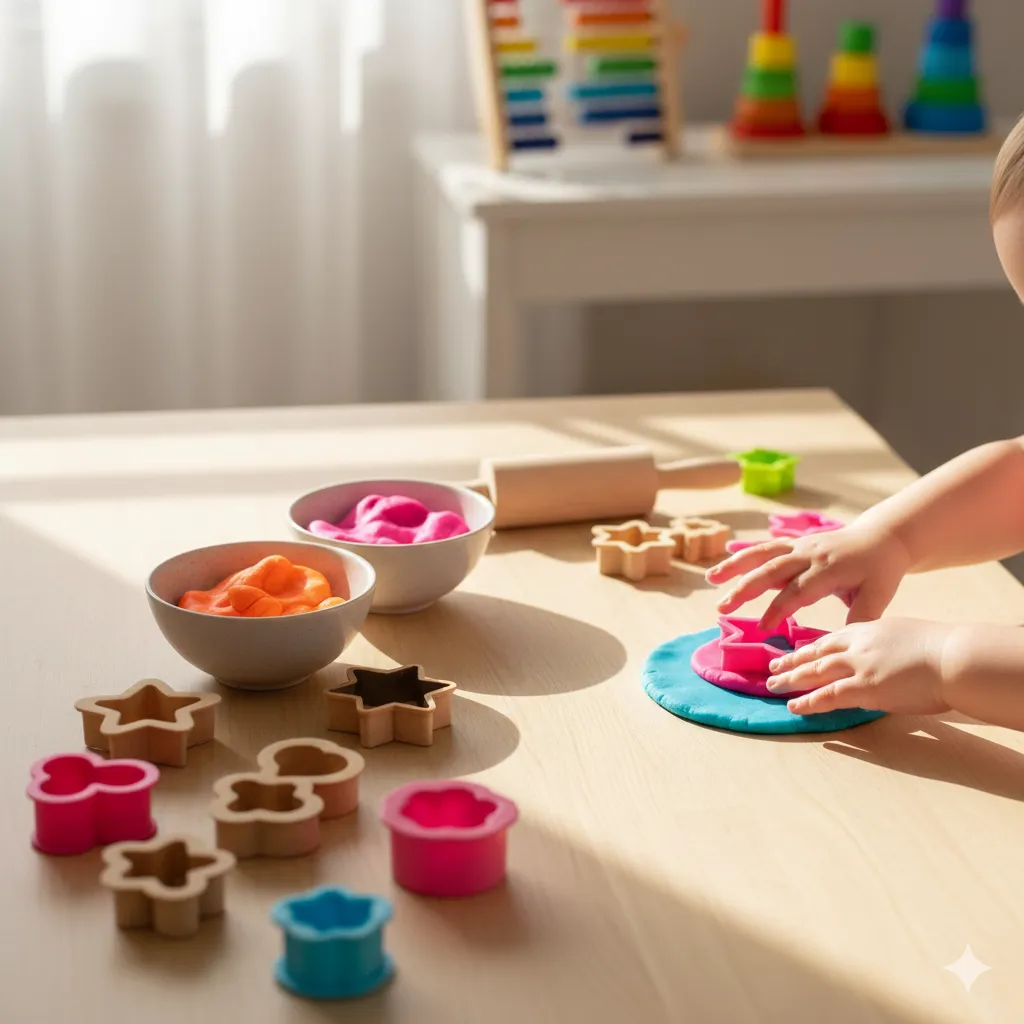
- Tools of the Trade: Bring out the cookie cutters, rolling pins, and garlic presses (for “hair”).
- Educational Play: Practice forming letters, numbers, and geometric shapes.
- Storage Hacks: Keep your dough in airtight containers or Ziploc bags. If you live in a humid climate, popping it in the fridge can extend its life.
Play Dough Hacks That Actually Work
- The Stickiness Fix: If the dough sticks to your hands, knead in flour one tablespoon at a time.
- The Moisture Balance: If it’s too dry, add water a few drops at a time. If it’s too tacky, a pinch of cornstarch works wonders.
- Stain Prevention: When adding food coloring, make a “well” in the center of the dough, add the drops, and fold the dough over it to keep the dye off your skin while you start the mixing process.
Common Play Dough Problems and Quick Fixes
| Problem | Quick Fix |
| Dough too sticky | Knead in flour gradually. |
| Dough too dry | Add water teaspoon by teaspoon. |
| Dough cracks easily | Add a drop of vegetable oil and knead thoroughly. |
| Dough loses color | Store in an airtight container; keep out of direct sunlight. |
| Microwave dough is tough | Reduce cooking time next time; always knead while warm. |
Extra Ideas to Make Play Dough Even More Fun
- Texture Add-ins: Mix in dry rice, sand, or small beads for a unique sensory experience.
- Themed Kits: Create a “Dinosaur Dig” with brown dough and plastic fossils, or a “Bakery” set with scented dough and cupcake liners.
- Mini STEM Lessons: Let kids help measure the ingredients. It’s a great way to talk about fractions, volume, and how liquids turn into solids!
FAQs About Homemade Play Dough
Can I make play dough without cream of tartar?
Yes! Use the no-cook or stovetop recipes using just flour, salt, and oil. The texture is slightly less “bouncy,” but it works perfectly.
Is homemade play dough safe for toddlers?
Most homemade recipes are made from food-grade ingredients and are much safer than commercial versions. However, because of the high salt content in most recipes, always supervise children to ensure they don’t eat large amounts.
How long does play dough last?
In an airtight container, most recipes last 1–2 weeks. Recipes with cream of tartar can last up to a month if kept in the refrigerator.
Can I make scented play dough?
Absolutely! Add a few drops of food-grade extracts like vanilla, peppermint, or lemon to the liquid ingredients before mixing.
Enjoyed this project? Get even more DIY ideas that save (and make) you money.
Join our free newsletter for profitable DIY projects, clever cleaning hacks, home ideas, and creative crafts delivered straight to your inbox.
✓ Free forever • No spam • Unsubscribe anytime