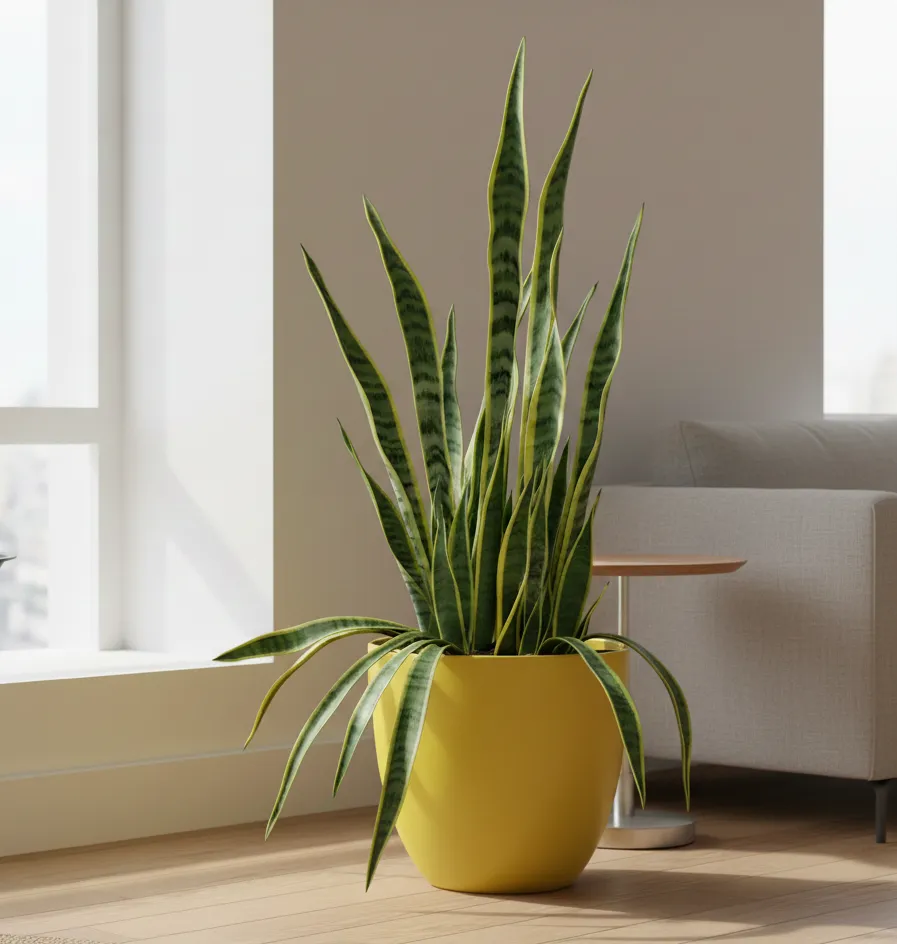
You bought a snake plant because everyone said it was “unkillable.” It was standing tall, looking sharp, barely asking for attention. And then one day… you notice a leaf leaning. Then another. Suddenly your once-upright plant looks like it just gave up.
If your snake plant leaves are falling over, don’t panic. This is one of the most common issues with this plant—and in most cases, it’s completely fixable.
The secret? Understanding why it’s happening before you try to fix it. Snake plants are tough, but they’re very particular about a few things. Once you correct the root cause, they bounce back beautifully.
Let’s break it down step by step.
If You See This… Identify the Type of Droop First
Not all falling leaves mean the same thing. Look closely:
- Soft, mushy leaves that bend at the base → Likely overwatering.
- Wrinkled, thin, curling leaves → Probably underwatering.
- Leaves leaning toward one direction → Light issue.
- One or two older leaves collapsing → Normal aging.
- Leaves falling over after repotting → Transplant shock.
Your first job isn’t to water or fertilize. It’s to diagnose.
Pro Tip: Gently press the base of the leaf near the soil. If it feels soft or smells unpleasant, you’re dealing with root problems.
Here’s the Real Reason Snake Plant Leaves Fall Over
In most homes, the number one cause is overwatering.
Snake plants (Sansevieria, now classified under Dracaena) are succulents. That means they store water in their thick leaves. When the soil stays wet too long, the roots suffocate and begin to rot. Once roots rot, they can’t support the leaves. So the leaves collapse.
It’s not about how much water you give at once. It’s about how long the soil stays wet.
Other common causes include:
- Poor drainage
- Pots without holes
- Heavy, compact soil
- Sudden temperature drops
- Physical damage
Now let’s fix it.
Step by Step: How to Fix Snake Plant Leaves Falling Over Fast
Step 1: Check the Soil Immediately
Stick your finger 2–3 inches into the soil.
- If it feels wet or soggy → Stop watering.
- If it feels bone dry → You may need to water deeply.
- If it smells sour → Root rot is likely.
Don’t guess. Physically check.
Step 2: Inspect the Roots (If Overwatering Is Suspected)
Carefully remove the plant from its pot.
Healthy roots:
- Firm
- White or light tan
- No odor
Rotten roots:
- Brown or black
- Mushy
- Smell bad
If you see rot:
- Trim affected roots with clean scissors.
- Let the plant air-dry for several hours.
- Repot in fresh, well-draining soil.
This one move can permanently save your plant.
Step 3: Upgrade Your Soil (Beginner Friendly Mix)
Snake plants hate dense soil. Use a mix designed for succulents or cactus.
On a budget? Mix:
- 2 parts regular potting soil
- 1 part sand or perlite
Drainage is everything.
Step 4: Choose the Right Pot
Always use a pot with drainage holes.
Terracotta pots are ideal because they:
- Absorb excess moisture
- Dry soil faster
- Reduce root rot risk
Avoid oversized pots. Extra soil holds extra moisture.
Step 5: Adjust Your Watering Routine
Water only when the soil is completely dry.
General rule:
- Every 2–3 weeks in bright light
- Every 4–6 weeks in low light
- Even less in winter
Snake plants prefer underwatering over overwatering.
Stop doing this: watering on a strict weekly schedule. That’s usually the problem.
Snake Plant Leaves Falling Over After Repotting
This is called transplant shock.
It happens because:
- Roots were disturbed
- Soil type changed
- Plant was divided
- Light conditions shifted
What to do:
- Don’t fertilize immediately.
- Don’t overwater.
- Give it stable light and time.
Most plants recover in 2–4 weeks.
Snake Plant Leaves Falling Over and Turning Yellow
Yellow plus drooping almost always means too much water.
If you see this:
- Remove from soil immediately.
- Cut off yellow leaves at the base.
- Repot in dry, well-draining mix.
- Wait at least one week before watering.
Do not add fertilizer. It won’t fix the issue.
Snake Plant Leaves Falling Over After Watering
If leaves collapse shortly after watering, that’s a red flag.
It usually means:
- Roots are already damaged.
- Soil stays wet too long.
- Pot has no drainage.
The watering didn’t cause the problem overnight. It revealed an existing one.
Snake Plant Leaves Falling Over in Winter
In winter, snake plants go semi-dormant.
Common winter mistakes:
- Watering like it’s summer.
- Placing near cold windows.
- Exposing to drafts.
Cold + wet soil = root rot fast.
During winter:
- Water sparingly.
- Keep away from cold air.
- Ensure bright, indirect light.
Can Fallen Snake Plant Leaves Stand Back Up?
Sometimes.
If the base is firm and roots are healthy, improving light and watering can help leaves regain strength.
However:
- Severely bent leaves usually won’t straighten.
- You may need to prune damaged ones.
The good news? Pruning encourages new upright growth.
How to Prune Fallen Leaves Properly
Use clean, sharp scissors.
Cut:
- At the soil line.
- As close to the base as possible.
- At a slight angle.
Don’t leave partial stubs.
Healthy plants will push up new shoots from the rhizome.
Bonus: You can propagate cut leaves in water or soil.
Quick Problem-Solution Guide
Problem: Leaves soft and droopy
Solution: Check for root rot, repot in dry soil
Problem: Leaves wrinkled and thin
Solution: Deep water, then allow full dry-out
Problem: Leaning toward one side
Solution: Rotate plant weekly for even light
Problem: Only outer leaves falling
Solution: Likely normal aging
Problem: Soil never dries
Solution: Switch to better draining mix and smaller pot
Tips to Prevent Snake Plant Leaves from Falling Over
The “Soak and Dry” Rule: Water thoroughly, then allow soil to dry completely before watering again.
Bright Indirect Light Is Best: Snake plants tolerate low light but grow stronger in brighter rooms.
Avoid Oversized Pots: Too much soil traps moisture.
Don’t Mist: These plants don’t need humidity spraying.
Skip Frequent Fertilizer: Feed lightly during growing season only.
Consistency beats over-care.
FAQ
Why are my snake plant leaves falling over even though I barely water?
It could still be drainage. If soil stays wet for weeks, roots suffer—even if watering is infrequent. Also check if the plant needs more light.
Should I stake my snake plant leaves?
Staking is temporary. It hides the problem rather than solving it. Fix the root cause instead.
Can root rot be reversed?
Early stages can be managed by trimming affected roots and repotting. Severe rot may require propagating healthy sections.
Is it normal for one leaf to fall occasionally?
Yes. Older outer leaves naturally decline over time. That’s part of the growth cycle.
Conclusion
When snake plant leaves start falling over, it feels dramatic—but the solution is usually simple.
Check the soil. Inspect the roots. Improve drainage. Adjust watering.
Most of the time, you’re probably doing this wrong: watering too often out of love.
Snake plants thrive on neglect. Give them space, light, and dry soil—and they’ll stand tall again before it’s too late.
Enjoyed this project? Get even more DIY ideas that save (and make) you money.
Join our free newsletter for profitable DIY projects, clever cleaning hacks, home ideas, and creative crafts delivered straight to your inbox.
✓ Free forever • No spam • Unsubscribe anytime