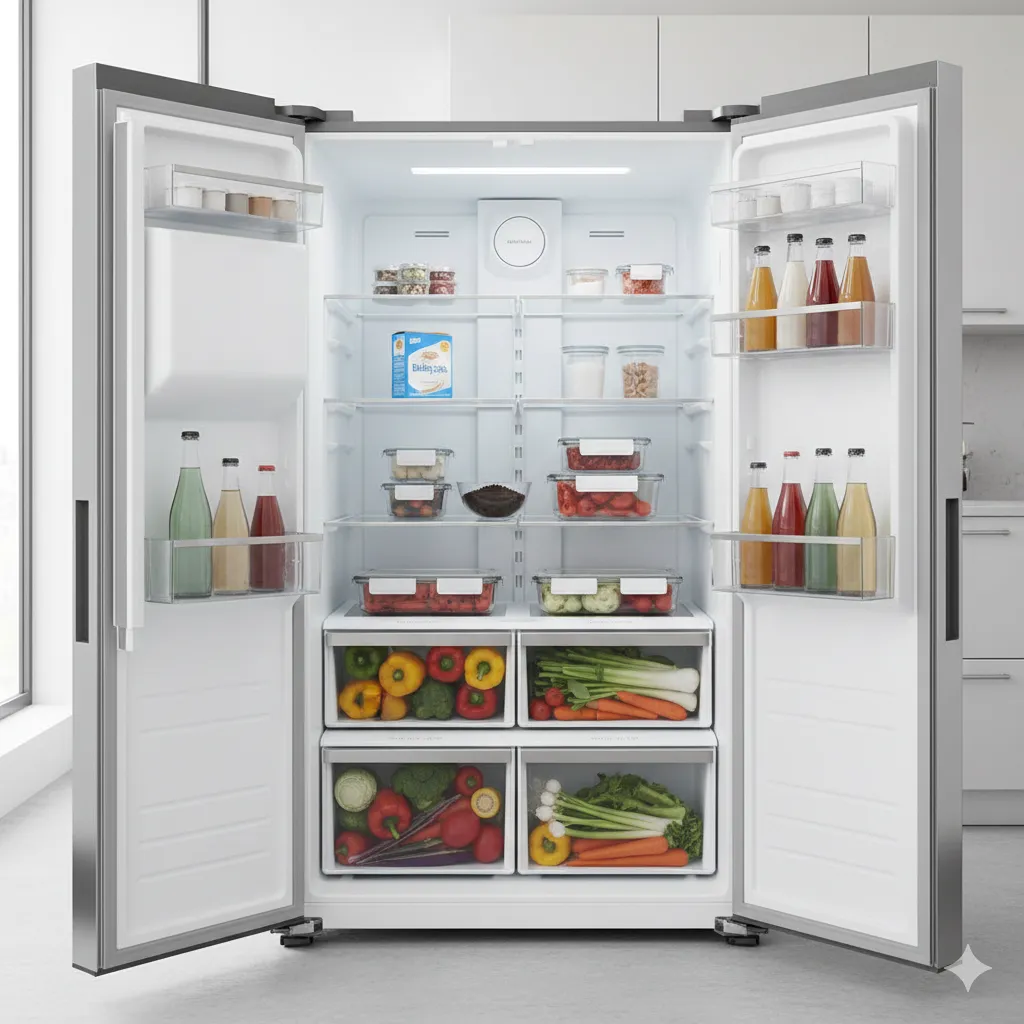
You open your fridge expecting fresh, cool air… and instead you’re hit with a wave of something sour, fishy, or just plain rotten. Fridge odors are stubborn. They cling to plastic shelves, seep into drawers, and somehow linger even after you’ve thrown away the obvious culprit. The worst part? The smell can transfer to fresh food, making everything taste “off.”
The good news is this: refrigerator odors aren’t permanent. But you’re probably doing one thing wrong that keeps them coming back.
This video shows you how to remove a bad smell from your fridge:
Know the Real Reason Your Fridge Smells
A bad smell in your refrigerator isn’t just about spoiled food. It usually comes from one of these sources:
- Forgotten leftovers leaking in the back
- Spilled liquids soaking into cracks
- Rotten produce hidden in drawers
- Strong-smelling foods like fish or garlic
- Mold or mildew buildup
- A dirty drip pan underneath the fridge
Here’s the real reason odors linger: refrigerators are enclosed, humid environments. Moisture + food particles = bacteria growth. And bacteria produce odor.
If you only mask the smell instead of removing the source, it will always return.
Pro Tip: Before you clean, unplug the fridge. Not only is it safer, but it also prevents the motor from circulating odor while you work.
What You’ll Need
Gather these supplies before starting so you can clean thoroughly in one go.
Basic Supplies
- Baking soda
- White vinegar
- Mild dish soap
- Warm water (never hot)
- Microfiber cloths or sponges
- Old toothbrush for tight corners
Optional but Helpful
- Activated charcoal
- Coffee grounds
- Hydrogen peroxide (3%)
- Trash bags
- A small bowl
Avoid harsh chemical cleaners with strong fragrances. They can linger and affect food taste.
Step-by-Step: How to Remove Bad Smell from Fridge
Step 1: Empty Everything
Take everything out. Yes—everything.
Check expiration dates and smell containers. Even sealed jars can leak odor. Toss anything questionable.
Place perishable items in a cooler while you clean.
Step 2: Remove Shelves and Drawers
Take out all removable parts. Wash them separately in warm, soapy water.
Important: Let glass shelves reach room temperature before washing. Sudden temperature changes can crack them.
Step 3: Clean the Interior Thoroughly
Mix warm water with a few drops of dish soap. Wipe every surface—walls, ceiling, corners, door seals.
Use an old toothbrush to scrub rubber gaskets and tight crevices. Odor-causing bacteria often hide there.
Step 4: Neutralize with Vinegar
After washing, spray a solution of equal parts white vinegar and water inside the fridge. Let it sit for 5–10 minutes.
Vinegar naturally neutralizes odor and kills many bacteria strains without leaving toxic residue.
Wipe dry with a clean cloth.
Step 5: Deodorize Overnight
Place an open box of baking soda or a bowl filled with it inside the fridge overnight.
Baking soda absorbs odor molecules instead of covering them up.
For stronger smells, use activated charcoal or dry coffee grounds in small bowls.
Step 6: Don’t Forget the Drip Pan
This is the step most people skip.
Locate the drip pan (usually under the fridge). Slide it out and wash it with warm soapy water. If it’s full of mold or old liquid, that may be your odor source.
Dry completely before replacing.
How to Remove Rotten Smell from Fridge
Rotten smells are usually caused by spoiled meat, dairy, or forgotten produce.
Here’s how to tackle them:
- Remove the spoiled item immediately.
- Clean the area with dish soap.
- Apply vinegar solution.
- Sprinkle baking soda directly on the spot if liquid leaked.
- Leave deodorizer overnight.
If the smell persists after cleaning, wipe the area with diluted hydrogen peroxide (spot-test first). This helps break down stubborn organic residue.
Rotten smells can seep into plastic surfaces. Repeated cleaning may be necessary for deep absorption.
How to Remove Fish Smell from Fridge
Fish odor is strong because it releases compounds that cling to surfaces.
To remove fish smell from fridge:
- Wash the shelf where fish was stored.
- Wipe surrounding walls with vinegar solution.
- Place activated charcoal inside overnight.
- For severe cases, use lemon slices in a bowl to help neutralize lingering odor.
Fish smell spreads easily, so clean adjacent areas—even if they seem unaffected.
How to Remove Garlic Smell from Fridge
Garlic odor can be surprisingly persistent, especially if cloves were stored uncovered.
Here’s what works:
- Wash affected surfaces with mild soap.
- Wipe down with vinegar.
- Place coffee grounds or baking soda inside overnight.
- Store future garlic in airtight containers.
Garlic oils stick to plastic shelves, so repeat cleaning if necessary.
Quick Fixes for Common Problems
Quick Fixes for Common Problems
| Problem | Potential Solution | Alternative Suggestion |
|---|---|---|
| Smell comes back after cleaning | Check and wash the drip pan under the fridge | Deep clean door seals and drain hole |
| Fridge smells clean but food tastes strange | Remove any chemical cleaners and rinse interior with water | Replace baking soda and air out fridge for a few hours |
| Moldy or musty smell won’t go away | Wipe interior with diluted vinegar or hydrogen peroxide | Leave activated charcoal inside overnight |
| Strong fish smell lingers | Clean surrounding shelves and walls with vinegar solution | Use activated charcoal or coffee grounds overnight |
| Garlic smell sticks to shelves | Wash surfaces with mild soap and vinegar | Store garlic in airtight containers going forward |
| Odor after power outage | Discard spoiled food and wash all surfaces thoroughly | Leave baking soda and charcoal inside for 24–48 hours |
| Rotten smell in crisper drawer | Remove drawer and wash separately with warm soapy water | Sprinkle baking soda directly inside drawer overnight |
Stop Doing This…
Using Strong Air Fresheners
They only mask odors. Worse, they can contaminate food flavor.
Ignoring Small Spills
Tiny leaks turn into bacterial breeding grounds.
Keeping Open Food Containers
Always store leftovers and strong foods in airtight containers.
Forgetting Regular Maintenance
Replace baking soda every 30 days for continuous odor control.
How to Remove Bad Smell from Fridge Without Chemicals
If you prefer a natural approach, stick with:
- Baking soda
- White vinegar
- Lemon slices
- Activated charcoal
- Coffee grounds
These absorb and neutralize odor safely without affecting food quality.
Avoid bleach unless dealing with visible mold—and even then, rinse thoroughly.
Preventing Fridge Odor in the Future
- Clean spills immediately.
- Store strong-smelling foods sealed tightly.
- Check expiration dates weekly.
- Keep a fresh box of baking soda inside at all times.
- Wipe shelves once a month.
- Empty and clean drip pan every few months.
Good airflow also helps. Don’t overcrowd the fridge—cold air must circulate.
FAQ
How long does it take to remove fridge odor?
Mild odors can disappear within a few hours after cleaning. Strong smells may take 24–48 hours with baking soda or charcoal.
Can bad fridge smell make food unsafe?
Odor itself isn’t always dangerous, but it may indicate bacterial growth. If food smells strange, discard it.
Why does my fridge smell even when empty?
Check the drip pan, drain hole, and door seals. These hidden spots often trap residue.
Does unplugging help remove odor?
Yes. Letting the fridge air out after cleaning speeds up odor removal.
When to Call a Technician
If:
- The smell resembles burning or chemicals
- Odor persists despite deep cleaning
- There’s visible mold inside cooling vents
There could be an issue with internal components or insulation.
Conclusion
Learning how to remove bad smell from fridge isn’t about covering it up—it’s about eliminating the source. Empty everything, clean thoroughly, neutralize naturally, and don’t forget the hidden drip pan.
Whether you’re dealing with rotten leftovers, lingering fish odor, or stubborn garlic smell, the solution is patience and proper cleaning—not stronger chemicals.
Act quickly, deodorize overnight, and maintain regularly. Do that, and your fridge will stay fresh long before the smell ever has a chance to return.
Next, discover 25 Fridge & Freezer Organization Ideas.
Enjoyed this project? Get even more DIY ideas that save (and make) you money.
Join our free newsletter for profitable DIY projects, clever cleaning hacks, home ideas, and creative crafts delivered straight to your inbox.
✓ Free forever • No spam • Unsubscribe anytime