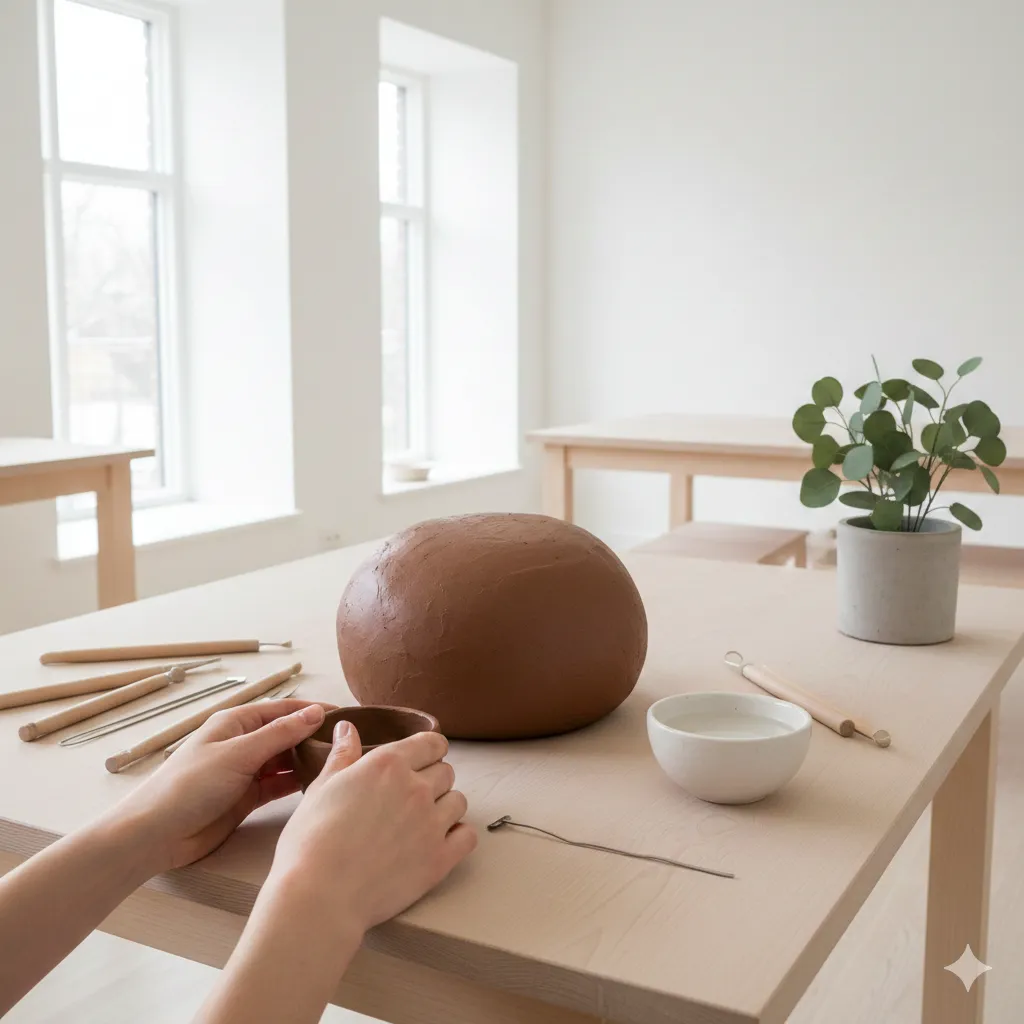
Making your own clay at home is a fun, creative, and inexpensive way to enjoy pottery, sculpture, or craft projects. You don’t need to buy expensive modeling clay — with a few simple ingredients, you can create a workable clay that’s perfect for kids, beginners, or hobbyists.
Whether you want pottery clay, flour-based clay, or clay without glue, this guide has step-by-step instructions for all types.
This video shows how to make clay at home for pottery:
Why Make Clay at Home?
Homemade clay is versatile and rewarding:
- Allows you to customize texture, color, and moisture
- Safe for kids when using non-toxic ingredients
- Cost-effective compared to store-bought clay
- Fun hands-on activity for art, school projects, and pottery practice
Making your own clay also gives you a better understanding of how materials work, which is helpful for crafting and pottery techniques.
Supplies You’ll Need
Basic Ingredients for Clay
- 1 cup flour (all-purpose works well)
- ½ cup salt
- ½ cup water
- 1 tablespoon vegetable oil
Optional:
- Food coloring or natural pigments
- Cornstarch or baking soda for adjusting texture
Tools
- Mixing bowl
- Spoon or spatula
- Measuring cups
- Rolling pin (optional)
- Smooth surface for kneading
For clay without glue, all ingredients are natural and safe, making it perfect for kids or eco-friendly projects.
How to Make Clay at Home with Flour
This simple, classic recipe produces soft, workable clay for sculpting or basic pottery.
Step-by-Step Instructions
- In a mixing bowl, combine 1 cup of flour and ½ cup of salt.
- Add 1 tablespoon of vegetable oil to the dry ingredients.
- Slowly pour in ½ cup of water while stirring continuously.
- Mix until the dough starts forming.
- Knead the dough on a smooth surface for 5–10 minutes until it’s soft and pliable.
- Adjust consistency: add a little more water if too dry, or extra flour if too sticky.
- Store in an airtight container when not in use.
This flour-based clay is perfect for beginners and can be air-dried or baked at low temperature for durability.
How to Make Pottery Clay at Home Easy
For a more professional pottery feel, you can make a slightly firmer clay suitable for shaping and sculpting.
Step-by-Step Instructions
- Mix 1 cup all-purpose flour, ½ cup salt, and 2 teaspoons cream of tartar in a bowl.
- Add ½ cup water and 1 tablespoon vegetable oil.
- Heat the mixture gently in a saucepan over low heat, stirring constantly.
- When it thickens to a dough-like consistency, remove from heat.
- Let it cool slightly, then knead on a smooth surface for 5 minutes.
- Store in an airtight container until ready to use.
This clay is smooth, pliable, and holds shapes well for simple pottery projects or sculptures.
How to Make Clay at Home Without Glue
If you want a completely glue-free clay, this recipe is non-toxic, natural, and safe for kids.
Step-by-Step Instructions
- Combine 1 cup flour, ½ cup salt, and ½ cup water in a bowl.
- Mix well to form a soft dough.
- Knead thoroughly until smooth and elastic.
- Add optional food coloring or natural pigments.
- Store in a sealed container to prevent drying.
This version is perfect for hands-on pottery practice without adhesives or chemicals.
Quick Fixes for Common Problems
| Problem | Step-by-Step Solution | Pro Tip |
|---|---|---|
| Clay too dry | 1. Sprinkle a few drops of water on the dough. 2. Knead thoroughly until it reaches the right consistency. | Adding water gradually prevents the clay from becoming too sticky. |
| Clay too sticky | 1. Sprinkle a small amount of flour on the surface. 2. Knead into the dough slowly. | Avoid adding too much flour at once to keep clay pliable. |
| Cracks when drying | 1. Flatten thicker parts of your project. 2. Cover with a damp cloth while drying slowly. | Slow drying prevents cracking. |
| Clay hardens in container | 1. Knead in a small amount of water. 2. Store remaining clay in an airtight container immediately. | Airtight storage keeps clay soft for longer periods. |
| Clay doesn’t hold shape | 1. Knead clay more to increase elasticity. 2. Use slightly more salt or cream of tartar in the recipe. | Adjusting ingredients improves structural stability. |
| Clay sticks to tools | 1. Lightly dust tools with flour or cornstarch. 2. Avoid pressing too hard with rolling pins. | Keeps surfaces smooth and prevents sticking. |
Common Mistakes to Avoid
- Adding too much water initially
- Not kneading enough, resulting in uneven texture
- Drying clay too quickly, causing cracks
- Skipping airtight storage between uses
- Using excessive salt or oil, which can affect pliability
Frequently Asked Questions
Can this clay be baked?
Yes, most flour-based clay can be baked at low temperatures (around 200°F/93°C) for 30–60 minutes to harden.
Is this safe for kids?
Yes, when using natural ingredients without glue or chemicals. Always supervise younger children.
Can I color the clay?
Yes, add food coloring or natural pigments while kneading to create vibrant clay for pottery or crafts.
How long does homemade clay last?
If stored properly in an airtight container, clay can last several weeks without drying out.
Final Thoughts
Learning how to make clay at home for pottery opens up a world of creative possibilities.
- Use flour-based clay for easy beginner projects
- Make pottery clay at home for more professional shaping
- Go glue-free for kid-friendly and eco-safe crafting
With a little time, patience, and the right ingredients, you can enjoy hands-on pottery and clay art without ever leaving your home.
Enjoyed this project? Get even more DIY ideas that save (and make) you money.
Join our free newsletter for profitable DIY projects, clever cleaning hacks, home ideas, and creative crafts delivered straight to your inbox.
✓ Free forever • No spam • Unsubscribe anytime