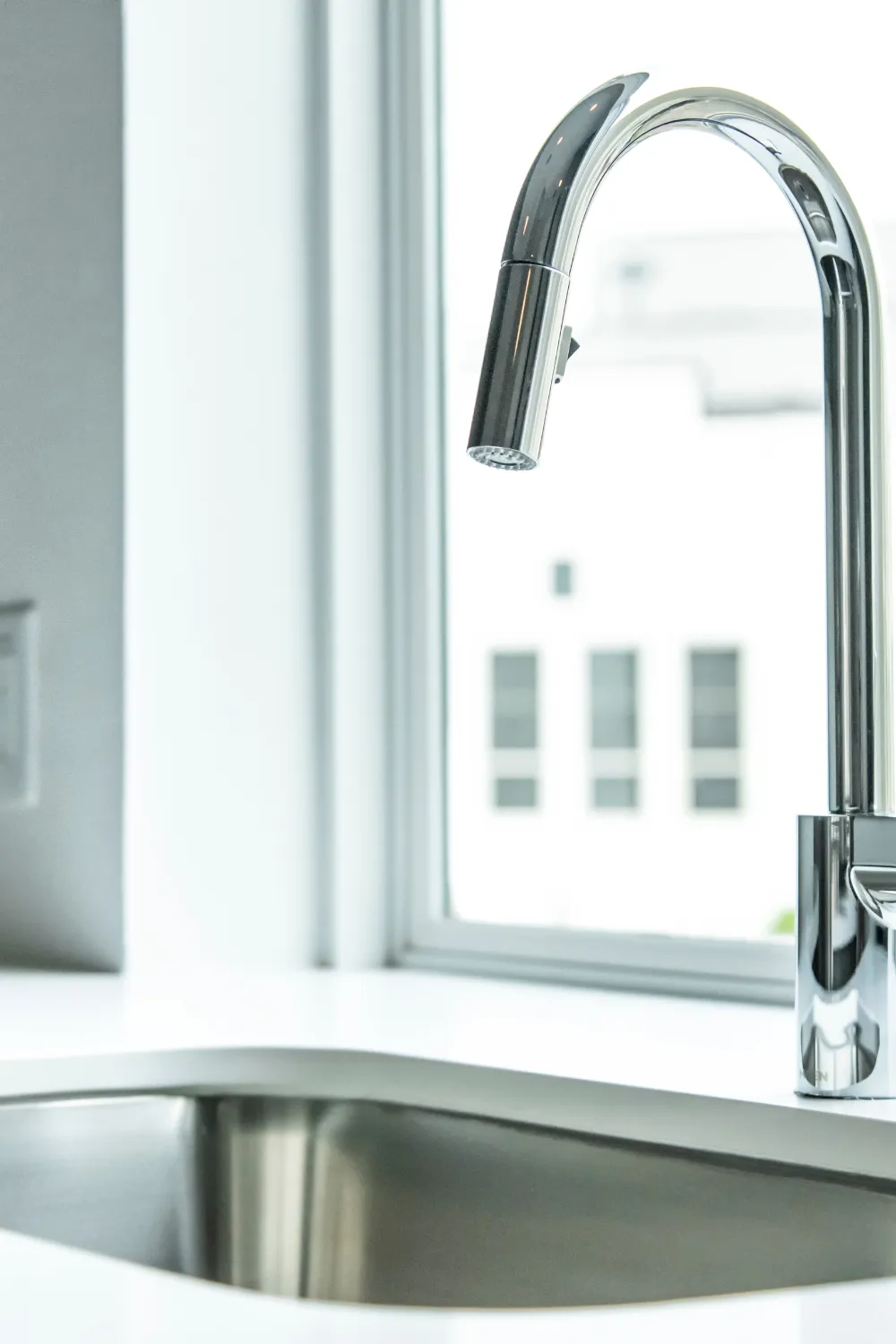
A stainless steel sink looks sleek and modern—until scratches start showing up. Over time, dishes, pots, and even cleaning tools can leave light scuffs or deeper marks. The good news? Most scratches can be minimized or removed completely with the right approach.
In this guide, you’ll learn how to remove scratches from a stainless steel sink safely, whether they’re light surface marks or more noticeable grooves.
Why Stainless Steel Scratches Easily
Stainless steel is durable, but it isn’t scratch-proof. Scratches usually happen because of:
- Steel wool or abrasive scrubbers
- Heavy pots dragged across the surface
- Harsh powdered cleaners
- Cleaning against the grain
Before you start, it’s important to identify whether you’re dealing with light surface scratches or deeper ones.
What You’ll Need
- Microfiber cloths
- Non-abrasive sponge
- Baking soda
- White vinegar
- Olive oil or mineral oil
- Stainless steel scratch removal compound (optional)
- Fine-grit sandpaper (400–600 grit, for deeper scratches only)
Step 1: Identify the Grain Direction
Stainless steel has visible “grain” lines that run either horizontally or vertically.
- Look closely at the sink surface under good lighting.
- Run your finger lightly across the surface to feel the direction.
- Always clean and polish in the direction of the grain.
Working against the grain can make scratches worse.
How to Remove Light Scratches from a Stainless Steel Sink
If the scratches are shallow surface marks, start with this gentle method:
- Sprinkle baking soda over the scratched area.
- Add a few drops of water to create a thick paste.
- Use a soft cloth or sponge to rub gently in the direction of the grain.
- Continue polishing for 1–2 minutes with light pressure.
- Rinse thoroughly with water and dry with a microfiber cloth.
For extra shine, apply a small amount of olive oil or mineral oil and buff in the direction of the grain.
How to Remove Moderate Scratches
For scratches that are more noticeable but not deep grooves:
- Clean the sink thoroughly with mild dish soap and water.
- Apply a stainless steel scratch removal compound following the product instructions.
- Rub gently in the direction of the grain using a soft cloth.
- Wipe away residue and inspect the area.
- Repeat if necessary until the scratch blends in.
Always test the compound on a small hidden section first.
How to Remove Deep Scratches from a Stainless Steel Sink
Deep scratches require extra care. Proceed slowly:
- Clean and dry the sink completely.
- Use fine-grit sandpaper (400–600 grit).
- Lightly sand the scratched area in the direction of the grain only.
- Apply even, gentle pressure and avoid circular motions.
- Gradually blend the sanded section with the surrounding area.
- Rinse, dry, and polish with oil to restore shine.
If the scratch is very deep, professional refinishing may be the safest option.
How to Restore Shine After Removing Scratches
Once the scratches are reduced:
- Spray white vinegar over the sink to remove residue and water spots.
- Wipe clean with a microfiber cloth.
- Apply a small amount of olive oil or mineral oil.
- Buff in the direction of the grain until shiny.
This step helps even out the finish and make minor scratches less visible.
Quick Fixes for Common Problems
| Problem | Step-by-Step Solution | Alternative Fix |
|---|---|---|
| Scratches look worse after cleaning | Make sure you are rubbing in the direction of the grain and not against it | Stop immediately and switch direction |
| Dull patches after sanding | Polish the entire area evenly with oil | Use stainless steel polish to blend |
| Circular scratch marks appear | Avoid circular scrubbing motions | Always move straight along the grain |
| Scratch won’t fade | Apply scratch removal compound and repeat process | Consider professional refinishing |
| Surface looks cloudy | Rinse thoroughly and dry completely | Buff with microfiber cloth and oil |
What Not to Do
- Do not use steel wool or wire brushes.
- Avoid bleach or harsh chemical cleaners.
- Never sand in a circular motion.
- Do not apply heavy pressure.
These mistakes can create permanent damage.
How to Prevent Future Scratches
- Use a sink grid or protective mat.
- Avoid dragging heavy pots across the surface.
- Clean with soft sponges only.
- Always wipe in the direction of the grain.
- Dry your sink after each use to prevent water spots.
FAQ
Can all scratches be removed from a stainless steel sink?
Most light and moderate scratches can be significantly reduced or blended. Very deep scratches may require professional refinishing.
Is baking soda safe for stainless steel?
Yes, when used gently and with water, baking soda is safe and effective for light scratches.
Can toothpaste remove sink scratches?
Non-gel white toothpaste may help with very light surface marks, but baking soda or a stainless steel compound works better.
Should I sand my stainless steel sink?
Only use fine-grit sandpaper for deeper scratches and always sand in the direction of the grain. Test a small hidden area first.
Final Thoughts
Learning how to remove scratches from a stainless steel sink can save you from replacing or professionally refinishing it. Light surface marks are easy to fix with baking soda and polishing, while deeper scratches require careful sanding and blending.
With the right technique—and always working with the grain—you can restore your sink’s smooth, polished look and keep it shining for years to come.
Enjoyed this project? Get even more DIY ideas that save (and make) you money.
Join our free newsletter for profitable DIY projects, clever cleaning hacks, home ideas, and creative crafts delivered straight to your inbox.
✓ Free forever • No spam • Unsubscribe anytime