A clogged bathroom drain is one of the most common household annoyances. Hair, soap scum, toothpaste, and other debris can slowly block your sink, shower, or bathtub, leading to standing water and unpleasant odors. The good news? Most clogs can be cleared quickly without calling a plumber.
Whether it’s a slow-draining sink or a completely blocked shower, acting methodically can save time, money, and stress.
Why Bathroom Drains Get Clogged
Bathroom drains are often affected by:
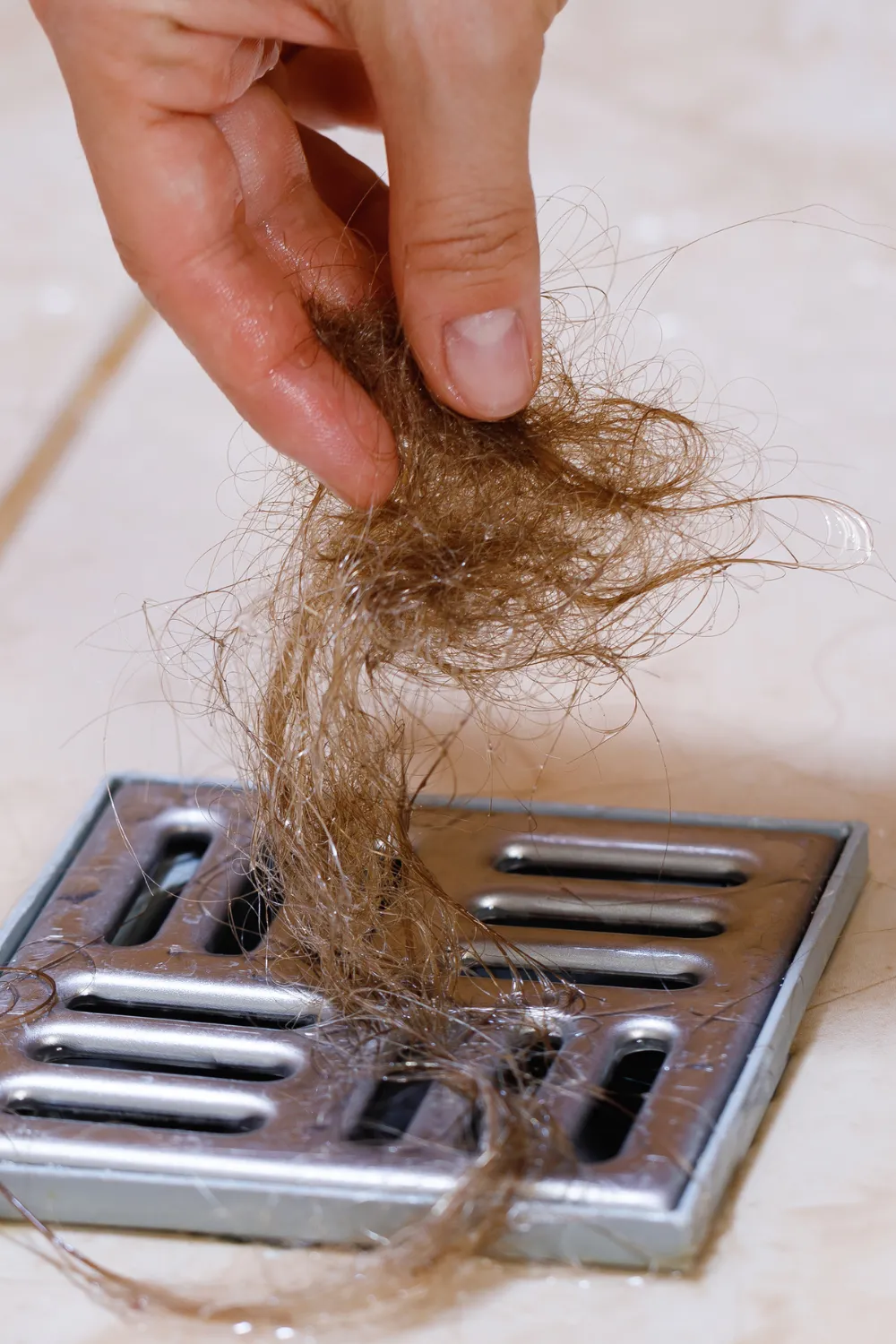
- Hair and skin flakes
- Soap scum and toothpaste residue
- Small objects like jewelry or cotton swabs
- Mineral buildup in hard water areas
Understanding the cause helps choose the most effective unclogging method.
What You’ll Need
- Plunger (cup or flat-bottomed for sinks)
- Baking soda
- White vinegar
- Boiling water
- Drain snake or auger
- Rubber gloves
- Old towels (to catch spills)
- Screwdriver (for removing drain covers)
Step-by-Step: How to Unclog a Bathroom Drain Naturally
Using Baking Soda and Vinegar
- Remove any visible debris from the drain.
- Pour about ½ cup of baking soda directly into the drain.
- Follow with ½ cup of white vinegar. The mixture will fizz, helping to break down buildup.
- Cover the drain with a plug or wet cloth to concentrate the reaction.
- Wait 15–20 minutes.
- Pour a kettle of boiling water down the drain to flush the loosened debris.
This method is safe, chemical-free, and effective for mild clogs.
Using a Plunger
- Fill the sink or tub with enough water to cover the plunger cup.
- Place the plunger over the drain, ensuring a tight seal.
- Push down and pull up vigorously for 15–20 seconds.
- Remove the plunger and see if the water drains.
- Repeat if necessary.
Plunging is ideal for hair or soap clogs that are near the surface.
Using a Drain Snake or Auger
- Remove the drain cover with a screwdriver.
- Insert the snake into the drain until you feel resistance.
- Rotate the handle clockwise to hook onto hair and debris.
- Pull out slowly, removing any buildup.
- Run hot water to flush remaining particles.
A drain snake is the most reliable method for stubborn or deeper clogs.
Boiling Water Flush
- Boil a large pot of water.
- Pour it slowly down the drain in stages, allowing it to work for a few seconds between pours.
- Repeat 2–3 times.
This method can help dissolve soap and minor grease buildup.
How to Prevent Bathroom Drain Clogs
- Use a drain strainer to catch hair and debris.
- Avoid pouring thick oils or large particles down the drain.
- Flush drains with boiling water weekly to prevent buildup.
- Clean drain covers regularly to reduce hair accumulation.
Quick Fixes for Common Problems
| Problem | Step-by-Step Solution | Alternative Option |
|---|---|---|
| Slow drain persists | Repeat baking soda and vinegar treatment | Use a drain snake to remove deep clogs |
| Plunger doesn’t work | Try hot water flush first | Combine plunger with baking soda/vinegar reaction |
| Water backs up in shower | Remove stopper and clear hair manually | Use chemical-free enzyme drain cleaner |
| Foul odor | Pour baking soda + vinegar, then flush with hot water | Clean the P-trap under the sink |
| Hair stuck in drain | Use a wire hook or drain snake | Apply plunger gently to loosen debris |
What Not to Do
- Avoid chemical drain cleaners in plastic pipes—they can cause damage over time.
- Don’t force a snake too aggressively; it may scratch pipes or remove seals.
- Never pour grease or oils down the drain—they solidify and worsen clogs.
FAQ
Can I unclog a bathroom drain without chemicals?
Yes. Baking soda, vinegar, boiling water, plunging, or a drain snake can clear most clogs safely.
How often should I clean my bathroom drain?
Weekly maintenance, such as flushing with hot water or clearing debris, helps prevent serious clogs.
Can hair alone completely block a shower drain?
Yes, hair is often the main culprit. Using a strainer and manual removal prevents major clogs.
Is it safe to use boiling water on PVC pipes?
Yes, but pour slowly and avoid water that is aggressively boiling to prevent pipe damage.
Final Thoughts
Unclogging a bathroom drain doesn’t have to be stressful or expensive. By using natural methods like baking soda and vinegar, mechanical tools like a plunger or drain snake, and regular maintenance, you can keep your bathroom drains flowing freely. Quick action and proper care are the secrets to avoiding major plumbing headaches.
Enjoyed this project? Get even more DIY ideas that save (and make) you money.
Join our free newsletter for profitable DIY projects, clever cleaning hacks, home ideas, and creative crafts delivered straight to your inbox.
✓ Free forever • No spam • Unsubscribe anytime