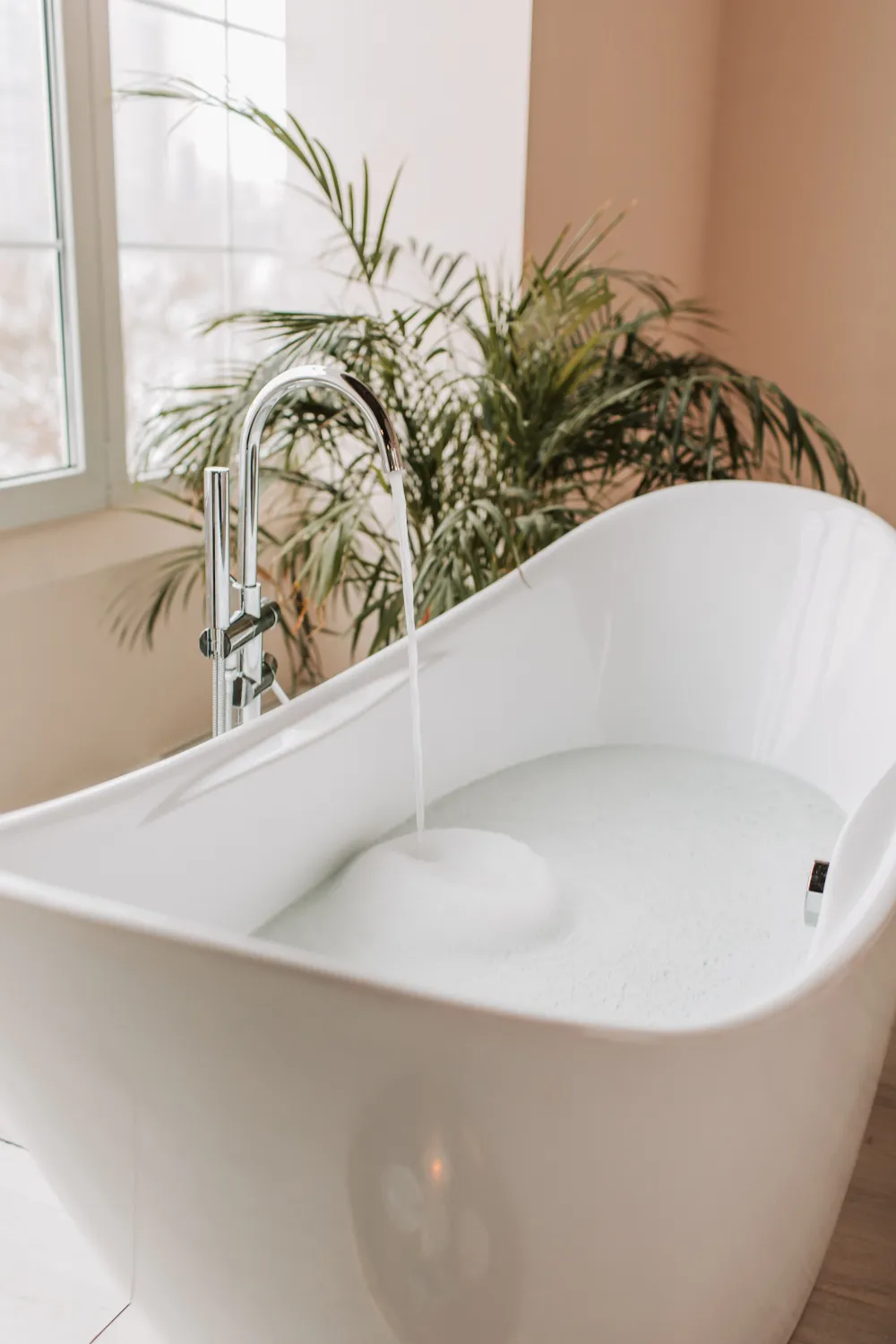
A clogged bathtub is more than an inconvenience—it can make showering frustrating and even messy. Most bathtub clogs are caused by hair, soap scum, and residue from bath products. Fortunately, with a few simple tools and techniques, you can clear your drain without calling a plumber.
Whether you’re dealing with standing water or a slow-draining tub, this guide will walk you through the safest and fastest ways to get your bathtub flowing again.
Why Bathtub Drains Get Clogged
Bathtub drains are prone to clogs for several reasons:
- Hair accumulation around the drain stopper
- Soap scum and body oils building up in the pipes
- Small objects like bath toys or jewelry accidentally falling in
- Mineral buildup from hard water
Understanding the cause helps you pick the most effective unclogging method.
What You’ll Need
- Rubber gloves
- Drain snake or hair removal tool
- Plunger (cup or flat-bottomed for tubs)
- Baking soda
- White vinegar
- Boiling water
- Screwdriver (for removing drain covers)
- Old towels or rags
Step-by-Step: How to Unclog a Bathtub Drain
Removing Hair and Debris Manually
- Put on rubber gloves to protect your hands.
- Remove the drain stopper using a screwdriver or by twisting, depending on your model.
- Use a drain snake, hair hook, or even a bent wire hanger to reach down and pull out hair and debris.
- Dispose of the hair and debris in the trash, not the drain.
- Flush the drain with hot water to remove smaller particles.
Using Baking Soda and Vinegar for a Natural Flush
- Pour about ½ cup of baking soda into the drain.
- Follow immediately with ½ cup of white vinegar. The mixture will fizz and help loosen buildup.
- Cover the drain with a stopper or wet cloth for 10–15 minutes to maximize the reaction.
- Pour boiling water down the drain to flush away loosened debris.
Plunging a Bathtub Drain
- If the tub has standing water, fill it just enough to cover the plunger cup.
- Place the plunger over the drain and push down and pull up vigorously for 20–30 seconds.
- Lift the plunger to see if water begins to drain. Repeat if necessary.
- After draining, flush with hot water to clear any remaining debris.
Using a Drain Snake for Deeper Clogs
- Remove the drain cover.
- Insert the snake into the drain until you feel resistance.
- Rotate clockwise to hook hair or buildup.
- Slowly pull the snake out, removing any debris attached.
- Flush with hot water to finish cleaning.
How to Unclog a Bathtub Drain with Standing Water
Standing water makes it harder to reach the clog. Use these tips:
- Use a cup plunger specifically for tubs.
- Block any overflow openings with a wet rag to maintain suction.
- Plunge several times, lifting the plunger between pushes to break the clog.
- If plunging fails, use a drain snake to reach the obstruction.
Quick Fixes for Common Problems
| Problem | Step-by-Step Solution | Alternative Option |
|---|---|---|
| Drain remains slow | Repeat baking soda and vinegar treatment | Use a drain snake or hair removal tool |
| Hair stuck in stopper | Remove and clean stopper | Use a bent wire hanger or drain hook |
| Water still standing | Try plunging again with a covered overflow | Remove debris manually with gloves |
| Foul odor | Flush with baking soda + vinegar then hot water | Clean the P-trap if accessible |
| Stubborn clog | Use a commercial enzyme-based cleaner | Snake or plunger combined with hot water |
What Not to Do
- Avoid chemical drain cleaners in plastic pipes—they can weaken the pipe over time.
- Don’t force a drain snake; it may damage the plumbing.
- Never pour grease, oils, or large solid objects down the drain.
Preventing Bathtub Drain Clogs
- Install a hair catcher over the drain.
- Remove visible hair after each shower.
- Flush the drain with boiling water weekly.
- Avoid pouring bath oils or lotions directly into the drain.
FAQ
Can I unclog a bathtub drain without removing hair?
Yes, but manual hair removal is usually the most effective method for long-term results. Baking soda and vinegar or plunging may temporarily improve flow.
How do I unclog a bathtub drain with standing water?
Use a plunger or a drain snake, making sure to block overflow openings to maintain suction.
Can I use hot water on PVC pipes?
Yes, but pour slowly to avoid softening or warping the pipes.
Will baking soda and vinegar permanently unclog a drain?
It works for mild buildup, but stubborn clogs may require a drain snake or professional help.
Final Thoughts
Unclogging a bathtub drain doesn’t need to be stressful or expensive. By using simple tools, natural cleaners, and some patience, you can remove hair clogs, flush standing water, and keep your drain flowing freely. Regular maintenance like hair removal and hot water flushes will prevent future clogs and keep your bathroom stress-free.
Next, learn how to make DIY fizzy bath bombs.
Enjoyed this project? Get even more DIY ideas that save (and make) you money.
Join our free newsletter for profitable DIY projects, clever cleaning hacks, home ideas, and creative crafts delivered straight to your inbox.
✓ Free forever • No spam • Unsubscribe anytime