Clogged drains are one of the most common household annoyances. Hair, soap scum, grease, and food particles can quickly slow down or block your sink, shower, or bathtub. While commercial drain cleaners are widely available, they often contain harsh chemicals that can damage pipes and the environment. The good news is that a simple combination of baking soda and vinegar can clear most clogs safely, naturally, and inexpensively.
This guide will teach you how to make a baking soda and vinegar drain cleaner and use it effectively for a fast and lasting clean.
Why Baking Soda and Vinegar Works
Baking soda (sodium bicarbonate) is a mild base, while vinegar (acetic acid) is a mild acid. When combined, they react to form carbon dioxide bubbles and water. This fizzing action helps:
- Loosen grease, soap, and grime buildup
- Break down minor clogs
- Neutralize odors in drains
- Reduce the need for harsh chemicals
It’s a safe, non-toxic solution for most household drains.
What You’ll Need
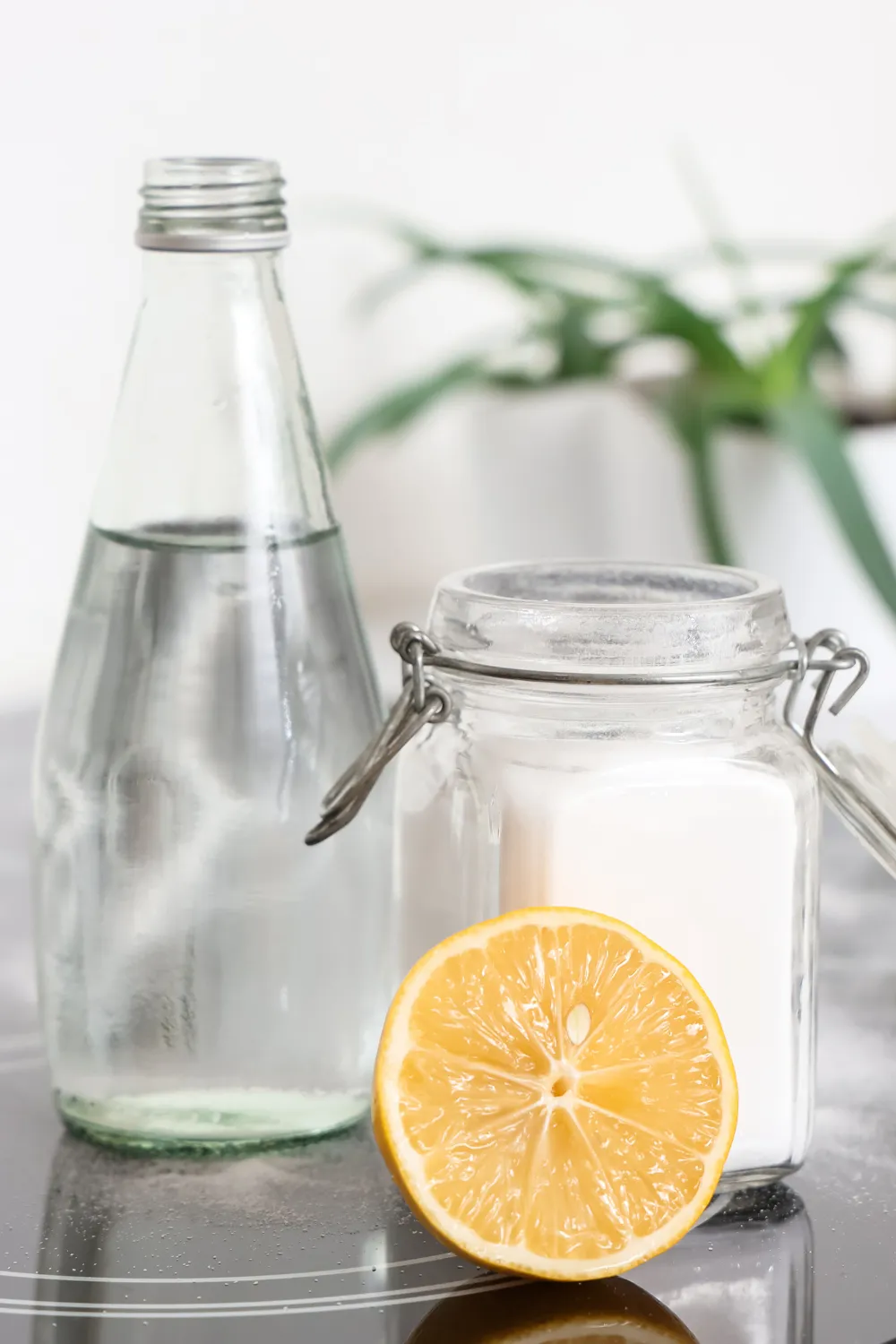
- ½ cup of baking soda
- ½ cup of white vinegar
- Boiling water
- Funnel (optional)
- Rubber gloves
- Drain stopper or rag to cover the drain
Step-by-Step: How to Make and Use Baking Soda and Vinegar Drain Cleaner
Step 1: Remove Visible Debris
- Put on rubber gloves to protect your hands.
- Remove any visible hair, soap buildup, or debris from the drain.
- If necessary, use a drain snake or hook to clear hair from the pipe opening.
Step 2: Add Baking Soda
- Pour ½ cup of baking soda directly into the drain.
- Use a funnel if the drain opening is small to avoid spills.
- Gently tap the drain to help the powder settle into the pipe.
Step 3: Add Vinegar
- Pour ½ cup of white vinegar into the drain immediately after the baking soda.
- You’ll notice fizzing and bubbling—this is the reaction working to loosen buildup.
- Cover the drain with a stopper or wet cloth to contain the fizz and focus the cleaning action inside the pipe.
Step 4: Let It Sit
- Allow the mixture to sit for 10–15 minutes.
- For stubborn clogs, you can let it sit for up to 30 minutes to maximize the reaction.
Step 5: Flush with Boiling Water
- Boil about 2–3 cups of water.
- Slowly pour the hot water down the drain to flush out loosened debris.
- Check the drain flow; repeat the process if the clog persists.
Additional Tips for Baking Soda and Vinegar Drain Cleaning
- Use this method once a month to maintain clear drains and prevent buildup.
- Avoid using immediately after chemical drain cleaners, as the reaction may produce harmful fumes.
- For sinks with standing water, remove water first with a cup or small container to allow the fizz to reach the clog.
Quick Fixes for Common Problems
| Problem | Step-by-Step Solution | Alternative Option |
|---|---|---|
| Drain still slow | Repeat baking soda and vinegar process | Use a drain snake to remove deeper clogs |
| Standing water in sink | Scoop out excess water before treatment | Use a plunger to assist the process |
| Foul odors remain | Pour additional vinegar, let sit, then flush with boiling water | Sprinkle baking soda overnight, then rinse in the morning |
| Hair causing clog | Remove hair manually or with a hook | Combine hair removal with baking soda and vinegar |
| Stubborn grease buildup | Repeat treatment and flush with very hot water | Use a biodegradable degreaser |
What Not to Do
- Don’t combine this method with commercial chemical drain cleaners—they can react dangerously.
- Avoid pouring extremely large amounts of vinegar or baking soda at once; small, measured amounts work best.
- Never force a drain snake aggressively; it may damage pipes.
FAQ
Can baking soda and vinegar remove tough clogs?
It works well for minor to moderate clogs, especially caused by soap, grease, or hair buildup. Severe blockages may require a drain snake or professional help.
Is it safe for all types of pipes?
Yes, baking soda and vinegar are safe for PVC, metal, and older plumbing.
How often should I use baking soda and vinegar in drains?
Once a month is ideal for maintaining clear, odor-free drains.
Can I use boiling water after the reaction?
Yes, hot water helps flush away loosened debris. Just pour slowly to avoid pipe damage.
Conclusion
Using a baking soda and vinegar drain cleaner is a natural, inexpensive, and effective way to maintain clear drains. With regular use, you can prevent clogs, remove odors, and avoid harsh chemicals. The key is simple: combine the right amounts of baking soda and vinegar, allow the fizz to work, and flush with hot water. By following this step-by-step method, you can keep your drains flowing smoothly and safely.
Enjoyed this project? Get even more DIY ideas that save (and make) you money.
Join our free newsletter for profitable DIY projects, clever cleaning hacks, home ideas, and creative crafts delivered straight to your inbox.
✓ Free forever • No spam • Unsubscribe anytime