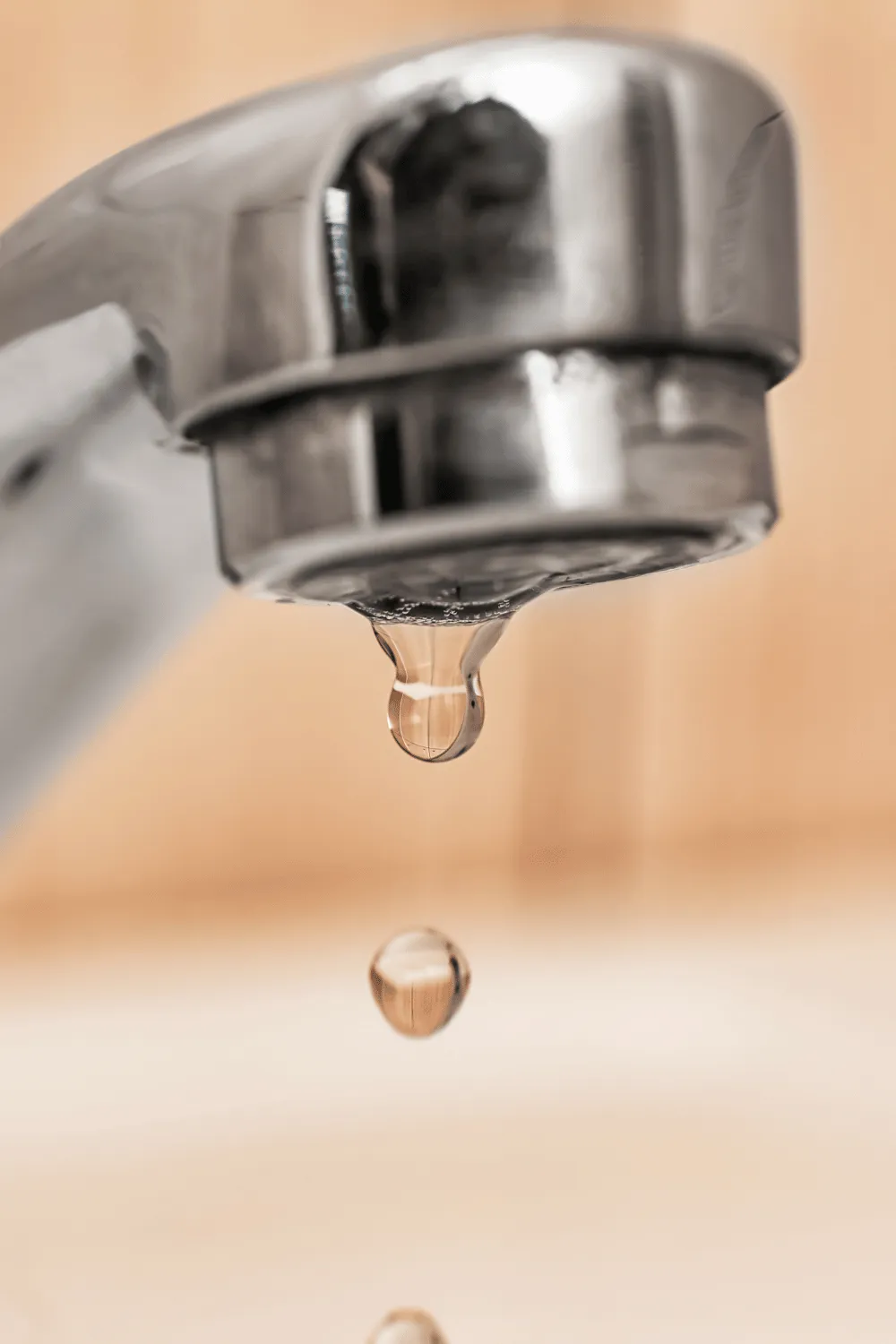
A dripping bathtub faucet might seem like a small annoyance, but over time it can waste a surprising amount of water and increase your utility bill. That steady “drip… drip… drip…” is usually a sign that something inside the faucet has worn out or become loose.
The good news is that you don’t always need a plumber to fix it. In many cases, the problem is simply a worn washer, damaged cartridge, or loose internal part. With a few basic tools and a little patience, most homeowners can repair a dripping bathtub faucet themselves.
In this guide, you’ll learn exactly how to fix a dripping bathtub faucet step by step. We’ll also cover the most common causes, the tools you’ll need, and quick fixes for typical problems.
Why Your Bathtub Faucet Is Dripping
A dripping faucet usually happens when the internal seal inside the faucet stops working properly. When the faucet is turned off, these seals are supposed to block water completely. If they wear out or become damaged, water slowly leaks through.
Here are the most common reasons bathtub faucets start dripping:
Worn-out washers: Rubber washers eventually wear down from constant pressure and friction.
Damaged O-rings: These small rubber rings seal internal components, and they can crack or loosen over time.
Faulty cartridge: In cartridge-style faucets, the cartridge controls water flow. When it fails, dripping often occurs.
Mineral buildup: Hard water deposits can interfere with faucet seals.
Loose parts: Sometimes the internal parts simply need tightening.
Identifying the type of faucet you have will help determine which part needs replacing.
What You’ll Need
Before starting the repair, gather the following tools and materials:
- Adjustable wrench
- Screwdriver (Phillips or flathead depending on faucet type)
- Replacement washer or cartridge
- Plumber’s tape (Teflon tape)
- Needle-nose pliers
- Clean cloth or rag
- Small bowl or container for screws
- White vinegar (for cleaning mineral buildup)
Having these tools ready makes the process much smoother.
Step-by-Step: How to Fix a Dripping Bathtub Faucet
Follow these steps carefully to repair the faucet and stop the dripping.
• Turn off the water supply
Locate the water shut-off valves for your bathroom and turn them off. If you cannot find them, you may need to shut off the main water supply for your home.
• Plug the drain
Place a stopper or cloth in the drain so that small screws or parts do not fall into it during the repair.
• Remove the faucet handle
Use a screwdriver to remove the handle screw. Sometimes the screw is hidden under a decorative cap that can be gently pried off.
• Take apart the faucet assembly
After removing the handle, carefully unscrew and remove the faucet stem or cartridge housing using an adjustable wrench.
• Inspect the washer or cartridge
Check the rubber washer at the bottom of the stem or examine the cartridge. If it looks worn, cracked, or flattened, it needs to be replaced.
• Replace the damaged part
Install the new washer or cartridge in the same position as the old one. Make sure everything fits tightly and correctly.
• Clean mineral buildup
If you notice hard water deposits, soak the parts briefly in vinegar and wipe them clean before reassembling.
• Reassemble the faucet
Put the faucet parts back together in reverse order. Tighten everything securely but avoid overtightening.
• Turn the water back on
Restore the water supply and test the faucet. Turn it on and off to check if the dripping has stopped.
Most of the time, replacing a worn washer or cartridge solves the problem immediately.
How to Fix a Dripping Faucet Cartridge
Many modern bathtub faucets use cartridges instead of traditional washers.
If your faucet has a cartridge, you’ll need to remove the old one and install a replacement that matches the same model.
Take the old cartridge with you to a hardware store so you can find the correct replacement. Installing the wrong type may prevent the faucet from sealing properly.
Once replaced, the faucet should shut off completely without dripping.
How to Stop a Bathtub Faucet Drip Temporarily
If you cannot repair the faucet immediately, there are a couple of temporary fixes.
First, try tightening the faucet handle and internal parts. Sometimes a loose component is responsible for the drip.
Another option is to turn the faucet slightly tighter when closing it. This is only a temporary solution and should not be relied on long term.
Ultimately, replacing the worn component is the proper fix.
Quick Fixes for Common Problems
| Problem | Step-by-Step Solution | Alternative Suggestion |
|---|---|---|
| Faucet still drips after repair | Double-check washer or cartridge installation | Replace with a new cartridge |
| Faucet handle feels loose | Tighten handle screw | Replace worn handle parts |
| Mineral buildup on faucet parts | Soak components in vinegar for 30 minutes | Scrub gently with a toothbrush |
| Water leaks from faucet base | Replace O-ring seals | Apply plumber’s tape |
| Faucet squeaks when turning | Apply plumber’s grease to moving parts | Replace worn washers |
Tips to Prevent Faucet Dripping
Regular maintenance can prevent most faucet leaks.
Avoid turning the faucet handle too tightly when shutting off the water. Excess force can wear out washers and seals faster.
If you live in an area with hard water, occasionally clean faucet components with vinegar to remove mineral buildup.
Check for small drips early. Fixing a minor leak quickly prevents larger plumbing problems later.
Replacing washers every few years can also extend the life of your faucet.
FAQ
Can a dripping bathtub faucet increase my water bill?
Yes. Even a slow drip can waste hundreds or thousands of gallons of water over time.
Do I always need to replace the faucet to stop dripping?
No. Most dripping faucets can be repaired by replacing a washer, O-ring, or cartridge.
How long does it take to fix a dripping bathtub faucet?
For most people, the repair takes about 20 to 45 minutes once the tools are ready.
Why does my faucet still drip after replacing the washer?
The cartridge or valve seat may also be worn, which means additional parts need replacement.
Conclusion
A dripping bathtub faucet might seem like a complicated plumbing issue, but it’s often caused by a simple worn-out part. With basic tools and a little time, most homeowners can fix the problem themselves.
By replacing washers, cartridges, or seals and cleaning away mineral buildup, you can stop the drip and prevent water waste. Once repaired, your faucet should shut off cleanly and stay quiet—no more constant dripping sounds in the bathroom.
Enjoyed this project? Get even more DIY ideas that save (and make) you money.
Join our free newsletter for profitable DIY projects, clever cleaning hacks, home ideas, and creative crafts delivered straight to your inbox.
✓ Free forever • No spam • Unsubscribe anytime