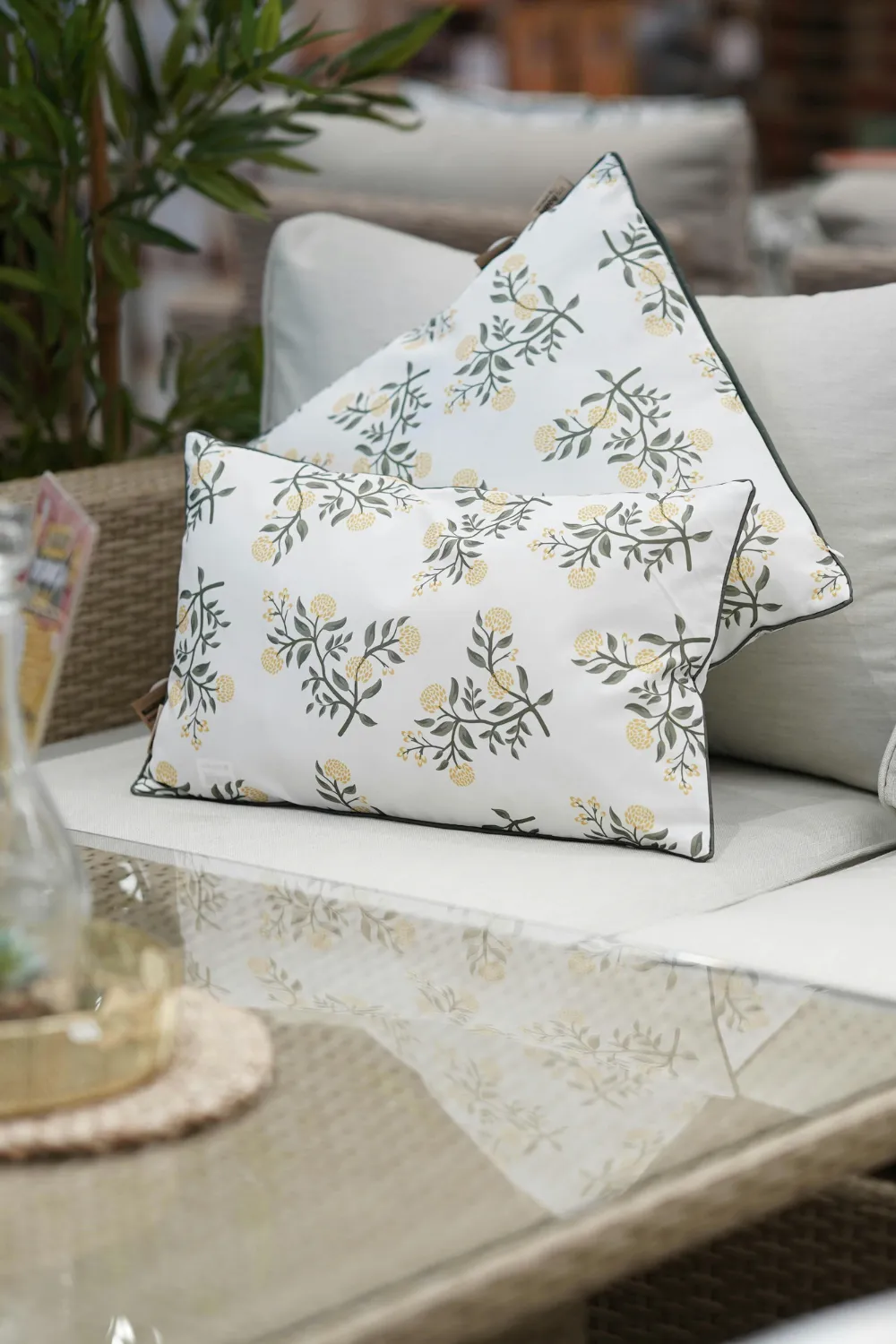
Outdoor cushions can turn a patio into a cozy retreat—but they also have one big vulnerability: mildew. Rain, humidity, and occasional spills create the perfect environment for mildew growth, leaving your cushions smelling musty and looking unsightly.
The good news is that you don’t need harsh chemicals to restore them. With a few household ingredients and a systematic approach, you can remove mildew from outdoor cushions and keep them fresh all season.
This guide walks you through why mildew forms, what supplies you’ll need, and step-by-step instructions to save your cushions.
Why Outdoor Cushions Get Mildew
Mildew thrives in damp, warm environments. Common reasons your cushions develop mildew include:
- Leaving cushions outside in the rain or wet conditions
- Storing cushions in humid areas without ventilation
- Spills or condensation from nearby plants
- Extended exposure to sunlight combined with moisture (which encourages fungal growth)
Understanding the cause helps prevent mildew from returning.
What You’ll Need
Gather these supplies before tackling your cushions:
- White vinegar
- Baking soda
- Mild dish soap or laundry detergent
- Water
- Spray bottle or bucket
- Soft-bristled brush
- Clean cloths or towels
- Hose or access to running water
- Gloves (optional, to protect skin)
Step-by-Step: How to Remove Mildew from Outdoor Cushions
Follow these steps carefully to ensure the best results:
- Remove loose dirt and debris
Brush off dirt, leaves, or dust from the cushions before applying any cleaning solution. This prevents grit from scratching the fabric during cleaning. - Prepare a vinegar solution
Mix equal parts of white vinegar and water in a spray bottle or bucket. Vinegar naturally kills mildew and neutralizes odors. - Apply the solution to the mildew spots
Spray or gently pour the vinegar solution onto affected areas. Allow it to sit for 10–15 minutes to penetrate the mildew and break down fungal growth. - Scrub lightly
Using a soft-bristled brush, gently scrub the mildew spots. Avoid aggressive scrubbing, which could damage the fabric. - Rinse thoroughly
Use a hose or clean water to rinse the cushions completely. Make sure all vinegar and loosened mildew are washed away. - Optional baking soda treatment
For stubborn mildew or lingering odors, sprinkle baking soda over the damp cushions. Let it sit for 10–15 minutes, then rinse again. Baking soda helps absorb odors and remove remaining mildew residue. - Dry completely
Air-dry the cushions in a sunny, well-ventilated area. Sunlight helps kill remaining bacteria and prevents mildew from returning. Avoid storing cushions until they are fully dry. - Repeat if necessary
Stubborn mildew may require a second treatment. Repeat the vinegar soak and scrub for particularly affected cushions.
How to Remove Mildew from Fabric Outdoor Cushions
Fabric cushions may be more porous and prone to mildew absorption. Use the following approach:
- Pre-soak in a mild solution of vinegar and water for 30 minutes
- Scrub lightly with a soft brush, focusing on seams and folds
- Rinse thoroughly and sun-dry completely
- For persistent odors, add a small amount of baking soda during the rinse process
Quick Fixes for Common Problems
| Problem | Step-by-Step Solution | Alternative Suggestion |
|---|---|---|
| Mildew smell remains | Repeat vinegar soak and rinse | Sprinkle baking soda, let sit, and rinse again |
| Cushion covers shrink in hot sun | Dry in partial shade | Use a fan for faster drying indoors |
| Mildew returns quickly | Store cushions in dry, ventilated area | Use moisture-absorbing packets in storage |
| Stains are stubborn | Mix 1 part vinegar + 1 part mild detergent | Spot-treat with soft-bristled brush before washing |
| Cushions too thick for soaking | Apply solution directly with sponge | Spray lightly and scrub small sections at a time |
Tips to Prevent Mildew on Outdoor Cushions
- Keep cushions dry whenever possible – store indoors or in a covered area after use.
- Use protective covers – waterproof cushion covers prevent moisture buildup.
- Store cushions properly in off-season – ventilated storage prevents mold growth.
- Regularly clean cushions – even light maintenance reduces mildew risk.
- Rotate cushions – moving them occasionally ensures even exposure to sun and air.
FAQ
Can I remove mildew from cushions without vinegar?
Yes, mild detergent and warm water can work for light mildew, but vinegar is more effective at killing mold and neutralizing odors.
Is it safe to use bleach on outdoor cushions?
Bleach can damage fabric fibers and fade colors. Stick to vinegar and baking soda for safer results.
Will sunlight alone remove mildew?
Sunlight helps kill mildew, but it’s most effective when combined with cleaning to remove spores and odors.
Can mildew return after cleaning?
Yes, especially if cushions are left damp or stored in humid conditions. Proper drying and storage are essential.
Conclusion
Mildew on outdoor cushions is common but manageable. By using natural solutions like vinegar and baking soda, scrubbing gently, rinsing thoroughly, and drying completely, you can restore your cushions to fresh, clean condition.
Regular maintenance and proper storage will keep mildew at bay, ensuring your outdoor spaces stay inviting and your cushions last longer. With these simple steps, mildew will be a thing of the past!
Enjoyed this project? Get even more DIY ideas that save (and make) you money.
Join our free newsletter for profitable DIY projects, clever cleaning hacks, home ideas, and creative crafts delivered straight to your inbox.
✓ Free forever • No spam • Unsubscribe anytime