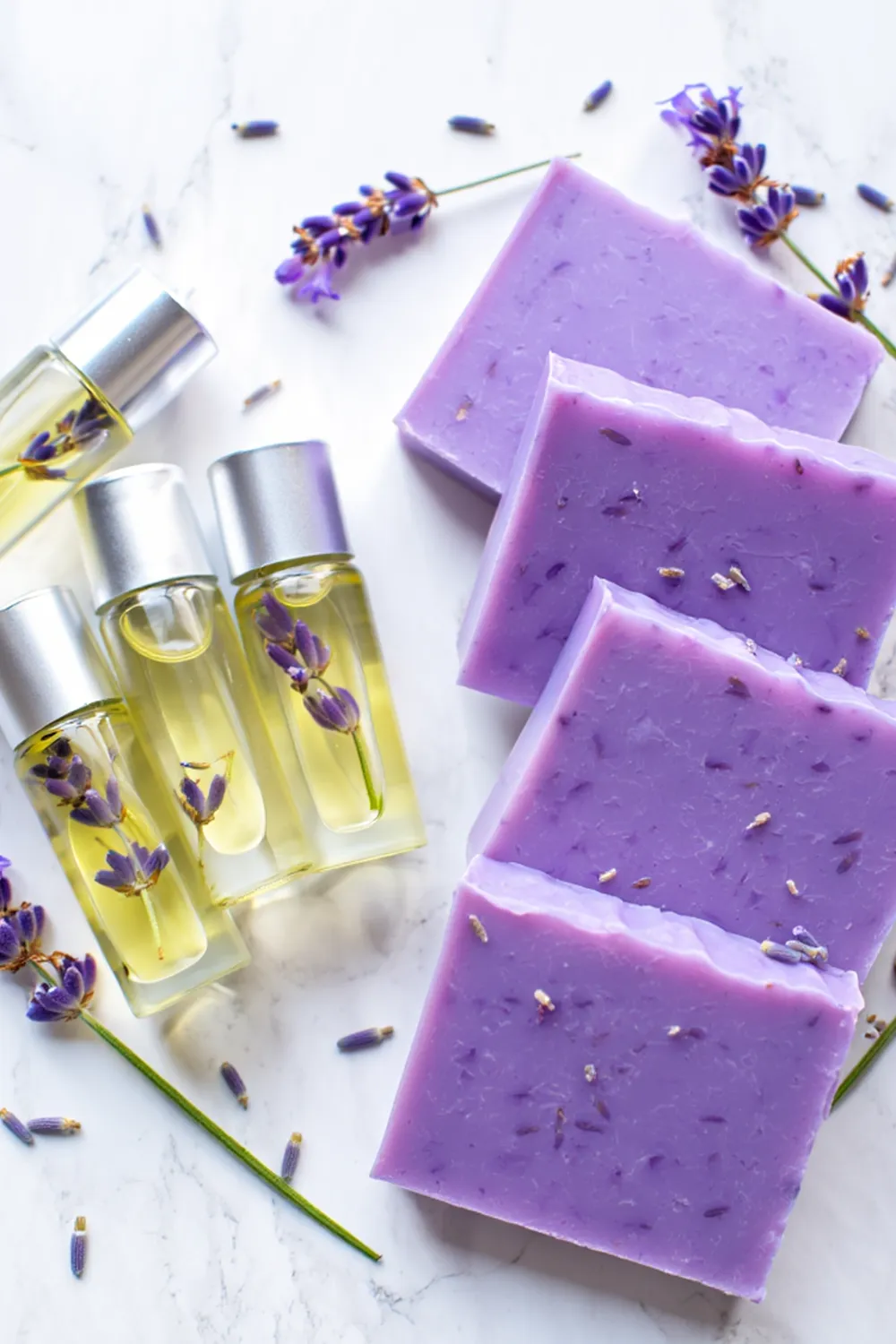
Making your own soap at home is surprisingly satisfying. The cold process method allows you to combine oils, lye, and optional scents or colors to create beautiful, natural soaps that are gentle on your skin. While it may sound complicated, following a careful, step-by-step approach makes the process safe and fun—even for beginners.
This video explains how to make cold process soap from scratch.
What is Cold Process Soap?
Cold process soap is made by combining oils and lye (sodium hydroxide) to trigger saponification—a chemical reaction that turns these ingredients into solid soap. Unlike melt-and-pour soaps, cold process soap is made from scratch, giving you full control over ingredients, scents, and additives.
Why Try Cold Process Soap?
- You control every ingredient.
- No need for harsh chemicals.
- You can customize fragrances, colors, and textures.
- It produces a long-lasting bar with a luxurious lather.
What You’ll Need
Before starting, gather all materials and safety equipment:
- Oils: Olive oil, coconut oil, palm oil, or other vegetable oils.
- Lye (Sodium Hydroxide): Essential for saponification.
- Water: Distilled water is recommended.
- Optional Additives: Essential oils, herbs, colorants, or exfoliants.
- Mixing Tools: Stainless steel or heat-resistant plastic bowls, wooden or silicone spoons, stick blender.
- Molds: Silicone molds or lined wooden molds.
- Safety Gear: Gloves, goggles, and long sleeves to protect from lye.
- Thermometer: To monitor the temperature of lye and oils.
Safety First: Working with Lye
Lye is caustic and can burn skin. Follow these safety tips:
- Always wear gloves and eye protection.
- Work in a well-ventilated area.
- Add lye to water, never water to lye, to prevent dangerous splashes.
- Keep children and pets away from your workspace.
Step-by-Step: How to Make Cold Process Soap
- Measure Ingredients Accurately
Use a digital scale to weigh oils, lye, and water. Accurate measurements ensure proper saponification. - Prepare the Lye Solution
Slowly pour lye into distilled water while stirring. Do not breathe in fumes. Allow the solution to cool to about 100–110°F. - Heat and Mix Oils
Melt solid oils if needed and combine with liquid oils. Heat to approximately the same temperature as the lye solution. - Combine Lye and Oils
Slowly pour the cooled lye solution into the oils. Stir carefully, then use a stick blender to mix until reaching “trace,” when the mixture thickens like pudding. - Add Fragrance and Additives
Stir in essential oils, colorants, or exfoliants. Mix gently to distribute evenly. - Pour into Molds
Pour the soap batter into molds and smooth the top. Tap lightly to release air bubbles. - Insulate and Cure
Cover molds with a towel and let sit for 24–48 hours until solid. Remove from molds and cut into bars if needed. - Cure the Soap
Place bars on a rack or tray in a cool, dry area. Allow to cure for 4–6 weeks for a hard, long-lasting bar.
Tips for Perfect Cold Process Soap
- Monitor temperatures closely for even saponification.
- Avoid over-blending to prevent acceleration or separation.
- Use silicone molds for easy removal.
- Keep a notebook to track ingredients, scents, and results.
Quick Fixes for Common Problems
| Problem | Solution | Alternative Suggestion |
|---|---|---|
| Soap separates or “fails” | Re-batch by melting and mixing again | Adjust lye calculation using a soap calculator |
| Soap is too soft | Extend curing time | Reduce liquid oils next batch |
| Trace too fast | Blend less vigorously or cool mixture | Work in smaller batches |
| Soap bars crack | Reduce fragrance or additives | Cure in stable temperature area |
| Color uneven | Mix gently | Pre-mix color with oils before adding lye |
FAQ
Can I use any oils for cold process soap?
Yes, but each oil affects lather, hardness, and moisturizing qualities. Coconut and palm oils add hardness, olive oil is moisturizing.
Do I have to use essential oils?
No, fragrances are optional. You can make unscented soap or use natural additives like herbs or oatmeal.
Why does cold process soap need to cure?
Curing allows water to evaporate and the soap to harden. This ensures longer-lasting bars and a milder product.
Is cold process soap safe for sensitive skin?
Yes, if you use gentle oils and avoid harsh additives. Always test on a small area first.
Can I speed up the curing process?
Curing takes time. Rushing can result in soft, short-lasting bars. Patience ensures high-quality soap.
Conclusion
Cold process soap is a rewarding DIY project that gives you full control over your ingredients, scents, and textures. By following these step-by-step instructions, using proper safety precautions, and allowing your soap to cure fully, you’ll have beautiful, handmade bars that are gentle on the skin and perfect for gifts or personal use. Experiment with oils, fragrances, and natural additives to create your own signature soaps.
If you want, I can also create a beginner-friendly “all-in-one” cold process soap recipe that uses only 4 ingredients for your first batch. This makes it even easier to start making your own soap at home. Do you want me to do that next?
Enjoyed this project? Get even more DIY ideas that save (and make) you money.
Join our free newsletter for profitable DIY projects, clever cleaning hacks, home ideas, and creative crafts delivered straight to your inbox.
✓ Free forever • No spam • Unsubscribe anytime