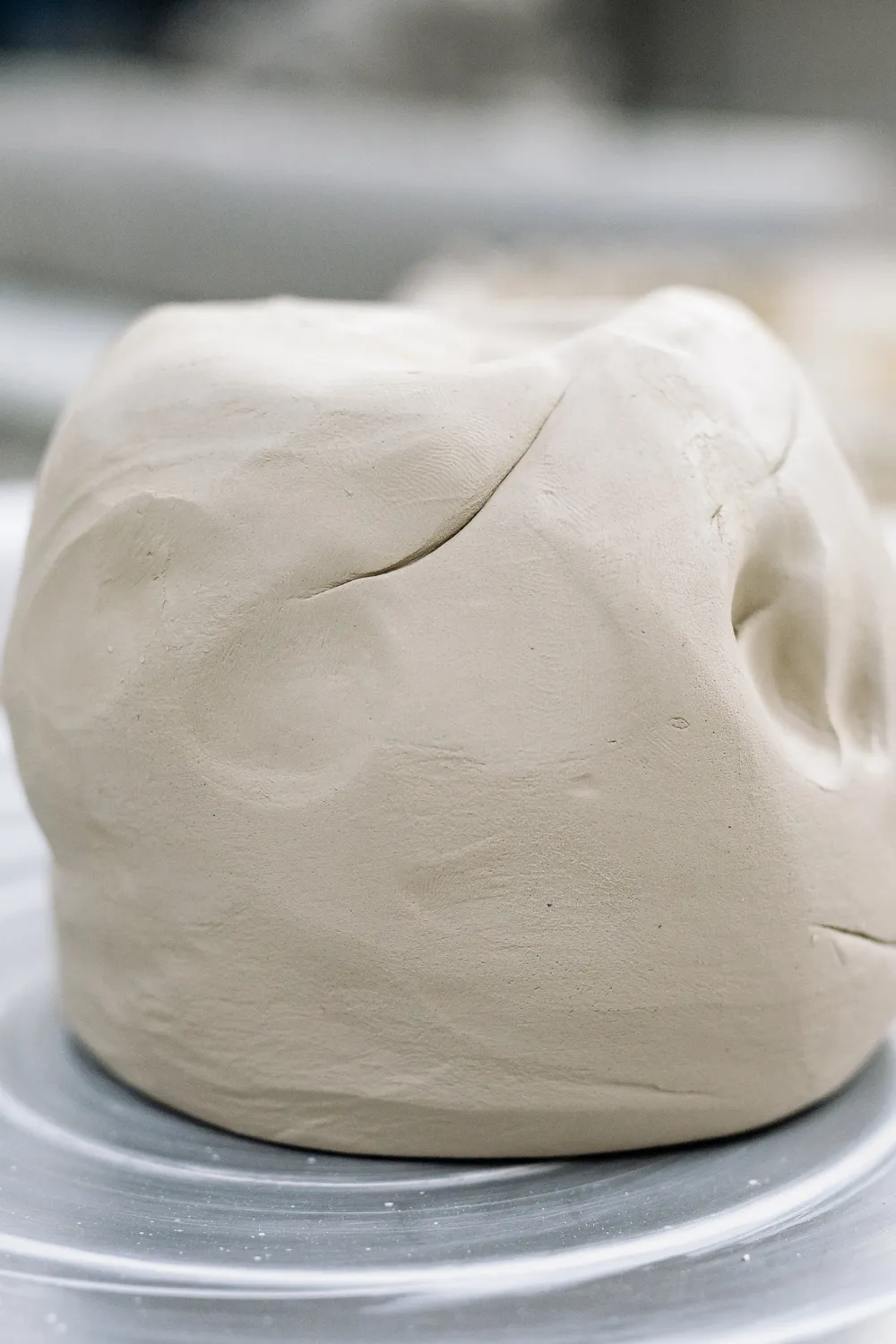
Air dry clay is one of the easiest craft materials to work with. It’s soft, moldable, and doesn’t require a kiln or oven to harden. But if you’ve ever made a clay project, you already know the downside—waiting for it to dry can take a long time.
Depending on the thickness of your project, air dry clay can take anywhere from 24 hours to several days to fully harden. That can be frustrating when you’re excited to paint or finish your craft.
The good news is that there are several safe ways to speed up the drying process without ruining your clay project. In this guide, you’ll learn how to make air dry clay dry faster, what methods work best, and which mistakes to avoid.
Why Air Dry Clay Takes So Long to Dry
Air dry clay hardens as water slowly evaporates from the material. The thicker the clay, the longer it takes for moisture to escape.
Several factors affect drying time:
- Thickness of the clay
- Humidity in the air
- Temperature in the room
- Air circulation around the project
Understanding these factors can help you dry your clay much faster.
The Safest Ways to Make Air Dry Clay Dry Faster
Before trying to speed things up, remember that drying clay too quickly can sometimes cause cracks. The goal is to increase airflow and warmth gently, rather than forcing the clay to dry instantly.
Here are the most effective methods.
Use a Fan to Improve Air Circulation
One of the easiest ways to dry air dry clay faster is to place it near a fan.
Airflow helps moisture evaporate from the clay surface more quickly.
To do this safely:
- Place your clay piece on a flat surface.
- Position a fan about 2–3 feet away.
- Allow the fan to circulate air around the piece.
This method works well because it dries the clay evenly and reduces the risk of cracks.
Move the Clay to a Warm Room
Warm air speeds up evaporation, which helps clay dry faster.
Place your project in a warm, dry room such as:
- Near a sunny window
- In a well-ventilated craft room
- Close to (but not directly on) a heater
Avoid placing the clay too close to direct heat sources, as this can cause uneven drying.
Turn the Clay Project Regularly
Air dry clay dries faster when all sides are exposed to air.
After the first few hours, gently turn your project so the bottom can dry as well.
You can place the clay on:
- A drying rack
- A mesh surface
- Parchment paper
This helps air circulate around the entire piece.
Make Your Clay Pieces Thinner
If you want clay to dry faster, thickness matters.
Thick clay holds moisture longer, which increases drying time.
For faster drying:
- Keep clay pieces under ½ inch thick
- Hollow out large sculptures
- Roll clay evenly when making shapes
Thin clay projects can sometimes dry in less than a day.
Use a Dehumidifier
Humidity slows down the drying process.
If you live in a humid area, a dehumidifier can significantly speed up drying time.
Lower humidity means moisture evaporates from the clay faster, helping it harden more quickly.
This method works especially well during rainy seasons.
Can You Put Air Dry Clay in the Oven?
Many people wonder if they can dry air dry clay in the oven.
Technically, some air dry clay brands can handle very low heat, but this method is risky.
High temperatures can cause:
- Cracks
- Warping
- Uneven drying
If you try this method, keep the temperature very low and monitor the clay carefully.
For most projects, natural drying methods are safer.
Quick Fixes for Common Problems
| Problem | Step-by-Step Solution | Alternative Suggestion |
|---|---|---|
| Clay still soft after a day | Move the project to a warmer room with better airflow. | Place a fan nearby to speed evaporation. |
| Clay cracking while drying | Cover the clay loosely with plastic to slow drying slightly. | Smooth cracks with a little water and clay. |
| Bottom of clay not drying | Turn the project over after several hours. | Place it on a mesh rack for airflow underneath. |
| Clay drying unevenly | Rotate the piece regularly so all sides dry evenly. | Move it to a spot with consistent airflow. |
| Clay feels damp inside | Allow more drying time before painting or sealing. | Use a fan or dehumidifier to remove moisture. |
Tips to Help Air Dry Clay Harden Faster
Small adjustments can make a big difference when drying clay.
Work on a breathable surface
Drying racks or mesh trays allow air to reach the bottom of the clay.
Avoid stacking clay pieces
Stacked items trap moisture and slow down drying.
Keep clay away from humidity
Bathrooms or kitchens are not ideal drying spots.
Check thickness while sculpting
Even thickness helps clay dry more evenly.
Signs That Air Dry Clay Is Fully Dry
Before painting or sealing your project, make sure the clay is completely dry.
Look for these signs:
- The clay feels hard and firm
- The color becomes lighter
- The surface no longer feels cool or damp
If the clay still feels cool to the touch, moisture may still be trapped inside.
Fun Projects to Make with Air Dry Clay
Once you know how to dry clay faster, you can try many fun craft projects.
Popular ideas include:
- Clay jewelry dishes
- Decorative plant pots
- Handmade ornaments
- Mini sculptures
- Clay keychains
Air dry clay is great for beginners because it’s easy to shape and doesn’t require special equipment.
FAQ
How long does air dry clay normally take to dry?
Most air dry clay takes 24–72 hours to fully dry, depending on thickness and humidity.
Can a hair dryer dry air dry clay faster?
Yes, but use it carefully. Keep the dryer on a low heat setting and move it constantly to prevent cracks.
Why is my air dry clay cracking?
Cracking usually happens when clay dries too quickly or unevenly. Increasing airflow gradually helps prevent this.
Can you paint air dry clay before it dries?
No. Painting should only be done after the clay is completely dry. Otherwise, moisture can become trapped inside.
Conclusion
Learning how to make air dry clay dry faster is mostly about improving airflow, warmth, and thickness control. Simple changes like using a fan, placing the clay in a warm room, and keeping pieces thin can significantly reduce drying time.
The key is patience—drying clay too quickly can cause cracks or damage your project. By using gentle methods and rotating the clay as it dries, you can speed up the process while still keeping your craft in perfect shape.
You have not enough Humanizer words left. Upgrade your Surfer plan.
Enjoyed this project? Get even more DIY ideas that save (and make) you money.
Join our free newsletter for profitable DIY projects, clever cleaning hacks, home ideas, and creative crafts delivered straight to your inbox.
✓ Free forever • No spam • Unsubscribe anytime