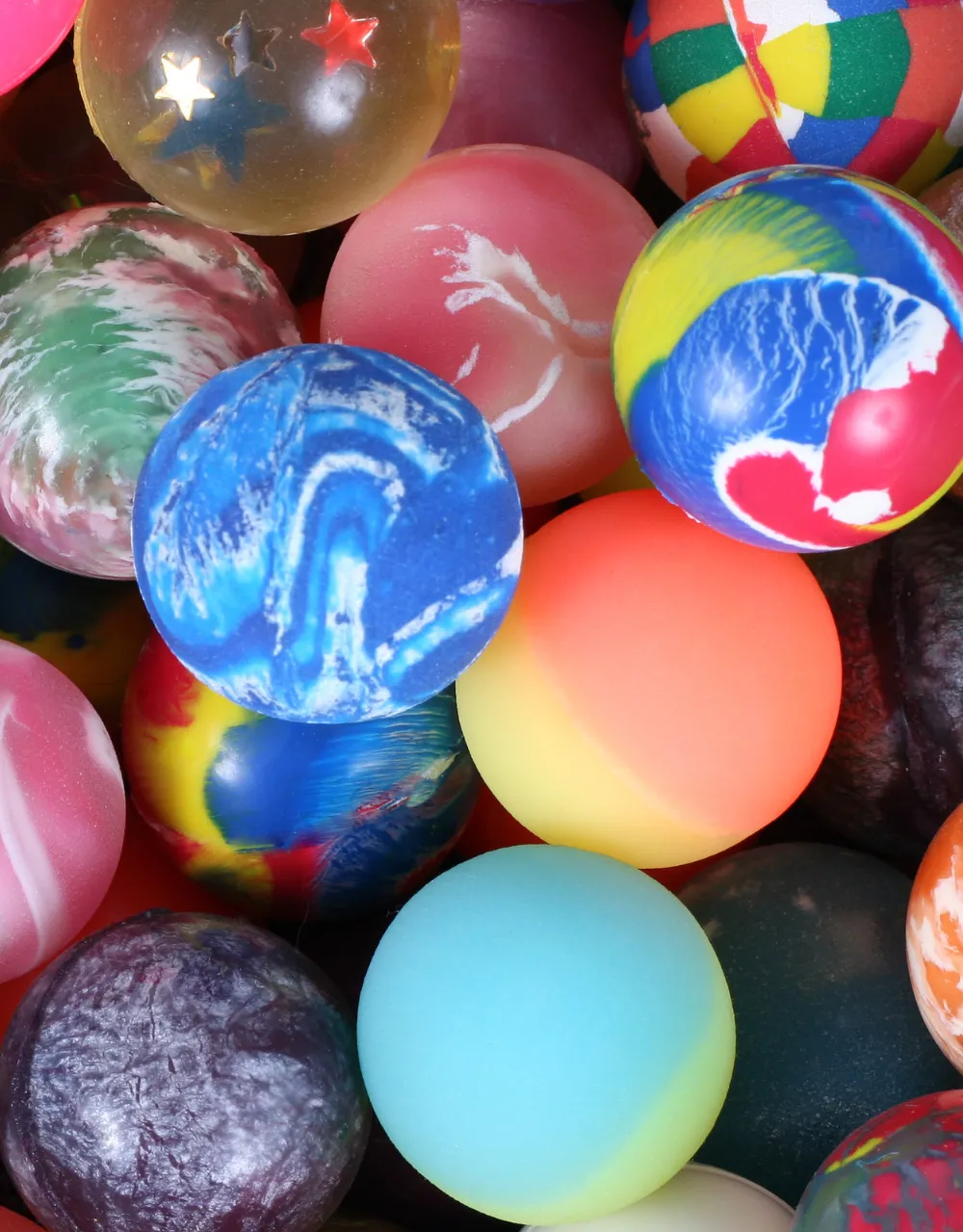
Few things are more exciting for kids than toys they can make themselves. Bouncy balls are especially fun because they’re colorful, easy to create, and surprisingly satisfying to play with afterward.
The best part? You don’t need a science lab or expensive supplies to make them. With a few simple household ingredients and a little mixing, kids can create their own rubbery, bouncing balls right at home.
Learning how to make bouncy balls for kids is also a great mini science experiment. The process shows how different ingredients react together to form a solid, stretchy material.
This short video explains how to make DIY bouncy balls for your kids.
Below is a simple guide that walks you through the process step by step, along with helpful tips to make the balls bounce better and last longer.
Here’s the Real Reason Homemade Bouncy Balls Work
Homemade bouncy balls form because of a simple chemical reaction.
When certain ingredients mix together—especially glue and borax—they create polymer chains. These chains connect together to form a flexible, rubbery material.
That rubbery structure is what gives the ball its bounce.
Think of it like a tiny rubber toy forming right in your bowl. As the material thickens, it can be rolled into a ball shape that becomes firmer as it sets.
This is why homemade bouncy balls are also popular in classroom science experiments.
What You’ll Need
Before starting, gather your supplies so everything is ready.
Ingredients
- 1 tablespoon white school glue
- ½ teaspoon borax powder
- 2 tablespoons warm water
- Food coloring (optional)
- Glitter (optional)
Tools
- Two small bowls
- Spoon or craft stick
- Measuring spoons
- Disposable gloves (optional)
Pro Tip: White school glue works best because it contains the polymers needed for the reaction.
Step-by-Step: How to Make Bouncy Balls for Kids
Follow these simple steps to create a colorful bouncing ball.
1. Mix the Borax Solution
Start by making the activator solution.
In a small bowl:
- Add 2 tablespoons warm water
- Stir in ½ teaspoon borax powder
Mix until the borax dissolves completely.
This solution will help turn the glue into a rubbery material.
2. Prepare the Glue Mixture
In another bowl:
- Add 1 tablespoon white school glue
If you want colorful bouncy balls, add:
- A few drops of food coloring
- A pinch of glitter
Stir the mixture gently until everything is combined.
3. Combine the Ingredients
Pour 1 teaspoon of the borax solution into the glue mixture.
Stir quickly.
You’ll notice the mixture starting to thicken almost immediately.
The glue will begin clumping together as the chemical reaction starts.
4. Form the Ball
Once the mixture thickens enough to handle, remove it from the bowl.
Roll it between your hands to form a ball shape.
At first it may feel slightly sticky, but as you roll it, it will become smoother and firmer.
5. Let the Ball Set
Continue rolling the ball for about 1–2 minutes.
As it sets, it will become more rubbery and bouncy.
Once it feels firm, try dropping it on a hard surface to test the bounce.
Kids usually love seeing the ball bounce for the first time.
How to Make Bouncy Balls Without Borax
Some parents prefer to avoid borax, especially with younger children.
You can try a simple alternative using baking soda and contact lens solution.
Ingredients
- 1 tablespoon school glue
- ½ teaspoon baking soda
- 1 teaspoon contact lens solution
Steps
- Add glue to a bowl.
- Stir in baking soda.
- Add food coloring if desired.
- Mix in contact lens solution slowly.
- Roll the mixture into a ball once it thickens.
This version may not bounce quite as high, but it still works well for a fun craft.
How to Make Super Colorful Bouncy Balls
Kids often enjoy making bright, multicolored balls.
Try these fun ideas:
Layered Colors
Add different colors in small drops before mixing to create swirls.
Glitter Balls
Mix fine glitter into the glue before adding the activator.
Glow-in-the-Dark Balls
Use glow pigment powder for a glowing effect.
Rainbow Balls
Divide the glue into several small portions with different colors, then combine them.
These variations make each ball unique.
Common Mistakes (You’re Probably Doing This Wrong)
Sometimes homemade bouncy balls don’t turn out quite right.
Here are some mistakes to avoid.
Adding too much borax
Too much activator can make the ball hard and brittle.
Not rolling the ball long enough
Rolling helps the ball form properly and become smooth.
Using cold water
Warm water helps borax dissolve better.
Letting the mixture sit too long
You need to roll the ball while the material is still soft.
Quick Fixes for Common Problems
| Problem | Potential Solution | Alternative Suggestion |
|---|---|---|
| Ball won’t form | Add a tiny bit more activator | Stir mixture more thoroughly |
| Ball feels sticky | Roll longer between hands | Add a drop of activator |
| Ball is too hard | Reduce activator next time | Add slightly more glue |
| Ball doesn’t bounce well | Roll tighter to remove air | Use a smaller ball size |
| Ball cracks | Use less borax | Knead mixture longer |
Tips for Making Better Bouncy Balls
Want your homemade bouncy balls to bounce higher? Try these tips.
- Roll the ball very tightly.
- Make smaller balls—they bounce better.
- Use smooth surfaces like tile or wood floors for bouncing.
- Keep the ball sealed in a container when not in use.
Homemade bouncy balls usually stay playable for 1–2 days before drying out.
Is This Activity Safe for Kids?
Making bouncy balls is generally safe when done with supervision.
Safety tips:
- Adult help is recommended for measuring ingredients.
- Kids should avoid touching their eyes while crafting.
- Wash hands after finishing the activity.
- Do not eat the materials.
Using craft gloves can help prevent sticky hands during the process.
FAQ
Can kids really make bouncy balls at home?
Yes. With simple ingredients like glue and borax, kids can create small rubbery balls that bounce.
Why do homemade bouncy balls bounce?
The chemical reaction forms polymers that create a flexible rubber-like structure.
How long do homemade bouncy balls last?
They usually last 1–2 days before becoming hard or losing their bounce.
Can you store homemade bouncy balls?
Yes. Keeping them in an airtight container can help them last longer.
Why is my bouncy ball sticky?
It likely needs more rolling or a tiny bit more activator.
Conclusion
Learning how to make bouncy balls for kids is a fun craft that doubles as a simple science experiment. With just a few ingredients and a little mixing, kids can create colorful balls that bounce and entertain them for hours.
The process is quick, creative, and perfect for rainy afternoons, classroom activities, or family craft time. Once kids master the basic method, they can experiment with colors, glitter, and different sizes to make their own unique bouncy balls.
It’s a simple DIY project that turns everyday ingredients into a fun toy—and the excitement of watching the first bounce never gets old.
Next, check out 17 Genius Lego Storage Ideas.
Enjoyed this project? Get even more DIY ideas that save (and make) you money.
Join our free newsletter for profitable DIY projects, clever cleaning hacks, home ideas, and creative crafts delivered straight to your inbox.
✓ Free forever • No spam • Unsubscribe anytime