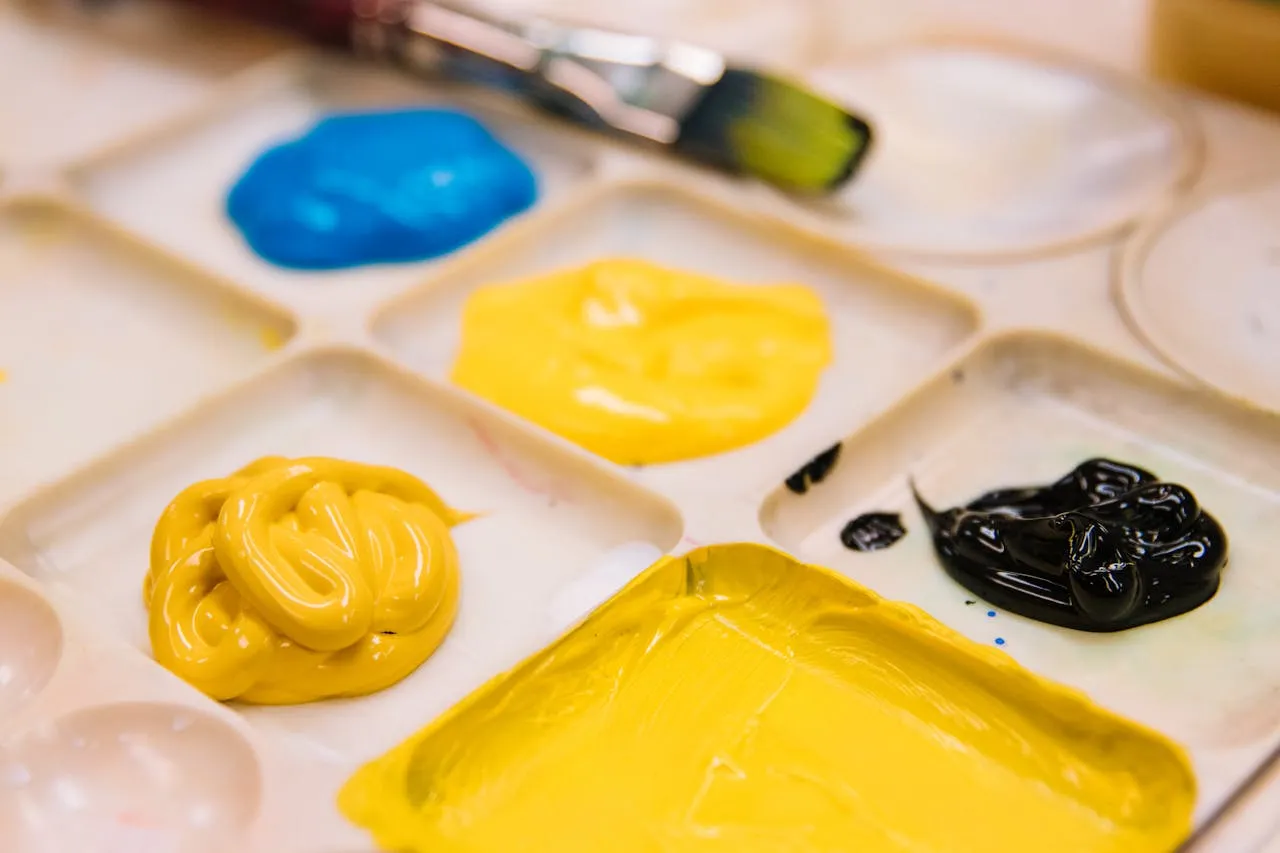
There’s something magical about puffy paint. You squeeze it out of the bottle, watch it puff up as it dries, and suddenly your designs have a fun, 3D texture. It’s a favorite for kids, DIY projects, and even classroom crafts—but store-bought puffy paint can be expensive or run out fast.
The great news? You can make your own puffy paint at home with just a few ingredients you probably already have. It’s easy, fun, and customizable for any color or design.
Here’s the Real Reason Puffy Paint Is So Fun
Puffy paint is basically a type of paint that expands when exposed to heat. It’s safe for kids and creates a raised texture that looks like it’s “popping” off the page.
Unlike regular paint, puffy paint is thicker, more tactile, and works well for:
- Craft projects
- Card making
- Decorating fabric (like t-shirts)
- Sensory art activities for kids
Understanding the science behind it—mostly shaving cream, glue, and food coloring—makes it easy to tweak your recipe for different effects.
What You’ll Need (Budget-Friendly Ingredients)
For basic puffy paint:
- White school glue (PVA glue works best)
- Shaving cream (foam, not gel)
- Food coloring
- Mixing bowls and spoons
- Squeeze bottles or small containers for painting
Optional extras:
- Glitter for sparkle
- Acrylic paints for richer colors
- Paintbrushes or pipettes for detailed designs
Step-by-Step: Puffy Paint Recipe
Follow this beginner-friendly method to make puffy paint that’s vibrant and fun:
- Step 1: Prepare Your Workspace
Cover your table with newspaper or a plastic sheet. Puffy paint can be messy, and you want to keep surfaces safe. - Step 2: Measure Glue
Add 1 part white glue to a bowl.
This will be the base that makes your paint sticky and hold its shape. - Step 3: Add Shaving Cream
Add 2 parts shaving cream to the bowl.
Fold it in gently with a spoon—don’t mix too aggressively or you’ll lose the fluffy texture. - Step 4: Add Color
Drop in a few drops of food coloring or acrylic paint.
Stir slowly until fully incorporated. You can adjust the intensity by adding more color gradually. - Step 5: Optional Extras
Sprinkle in glitter or metallic powders if desired.
Mix gently to keep the puffy effect. - Step 6: Transfer to Containers
Pour the mixture into squeeze bottles, cups, or piping bags.
Squeeze bottles give you more control for detailed designs. - Step 7: Paint Your Designs
Apply directly to paper, cardboard, or canvas.
Use gentle, sweeping motions for smooth lines or dots for texture. - Step 8: Let Dry
Allow the paint to dry naturally.
Puffy paint expands slightly as it dries and becomes raised.
Drying usually takes 4–6 hours depending on thickness. - Step 9: Optional Heat Boost
To enhance puffiness, you can briefly heat the paint with a hairdryer.
Keep the dryer at a safe distance to avoid melting the foam.
You’re Probably Doing This Wrong
Common mistakes when making or using puffy paint include:
- Overmixing, which flattens the paint
- Using gel shaving cream instead of foam
- Applying too thick a layer, which can crack when drying
- Skipping the gentle folding step—air is what makes it puff
Avoiding these mistakes ensures your puffy paint turns out light, fluffy, and fun.
Don’t Ignore This: Best Surfaces for Puffy Paint
Puffy paint works best on:
- Thick paper or cardstock
- Canvas
- Fabric (washable projects only)
- Cardboard or poster board
Avoid very smooth or glossy surfaces—they prevent paint from sticking properly.
Stop Doing This Before It’s Too Late
- Don’t store puffy paint in sealed containers for too long; it can dry out
- Don’t use too much heat; it can collapse the puff
- Don’t try to layer wet paint too quickly; let each layer dry slightly
Following these tips preserves your puffy paint’s texture and makes your projects last.
Quick Fixes for Common Problems
| Problem | Solution | Alternative Suggestion |
|---|---|---|
| Paint not puffy | Fold in more shaving cream | Use a hairdryer briefly for puff boost |
| Colors too dull | Add more food coloring | Use acrylic paint for brighter tones |
| Paint collapsing | Don’t overmix | Apply in thinner layers |
| Glitter sinks | Mix gently and quickly | Sprinkle on top after painting |
| Cracking while drying | Avoid very thick layers | Allow extra drying time |
Tips for Fun Puffy Paint Projects
- Combine multiple colors for rainbow effects
- Use stencils to create shapes or letters
- Make cards or gift tags with textured designs
- Decorate fabric carefully—always test on a scrap piece first
- Kids love squeezing bottles themselves for tactile fun
FAQ
Can I make puffy paint without shaving cream?
Yes, but foam gives the “puff” effect. Alternatives like whipped soap or air-whipped glue can work in a pinch.
How long does homemade puffy paint last?
Best used immediately. Stored in airtight containers, it can last 1–2 days before losing fluffiness.
Is it safe for kids?
Absolutely! Stick to non-toxic school glue and food coloring for safe, mess-friendly crafts.
Can I make puffy paint for fabric?
Yes, but prewash fabric and do not overheat the paint. Test a small area first.
Conclusion
Making puffy paint at home is simple, affordable, and perfect for unleashing creativity. With this easy puffy paint recipe, you can craft bright, fluffy designs that stand out and bring fun to any project.
Just remember: fold gently, use the right surfaces, and let your creations dry properly. Once you try it, you’ll see why puffy paint has been a favorite craft for generations.
Next, learn How to Make Chalk Paint for Your DIY projects.
Enjoyed this project? Get even more DIY ideas that save (and make) you money.
Join our free newsletter for profitable DIY projects, clever cleaning hacks, home ideas, and creative crafts delivered straight to your inbox.
✓ Free forever • No spam • Unsubscribe anytime