If you’ve ever admired a beautifully distressed dresser or a shabby-chic shelf, chances are it was painted with chalk paint. Its matte, velvety finish makes furniture, walls, and decor projects look effortlessly stylish. But store-bought chalk paint can be pricey and limited in color choices.
Good news—you can make your own chalk paint at home! With a simple chalk paint recipe and a few inexpensive ingredients, you can create custom colors and finishes for all your DIY projects.
This video shows how to make chalk paint at home.
Here’s the Real Reason Chalk Paint Is So Popular
Chalk paint sticks to almost any surface with minimal prep. Unlike regular paint, it doesn’t require sanding or priming most of the time. Its unique, matte finish makes it perfect for:
- Furniture makeovers
- DIY home decor
- Picture frames, shelves, and cabinets
- Accent walls or small craft projects
Understanding the basics of making your own chalk paint gives you the freedom to experiment with colors, textures, and finishes.
What You’ll Need (Budget-Friendly Ingredients)
For the basic chalk paint recipe:
- Latex paint (any color you like)
- Plaster of Paris or baking soda
- Water
- Mixing bowl and spoon
Optional extras:
- Metallic powders or mica for shimmer
- Brushes or foam rollers
- Sandpaper for distressing
Step-by-Step: Chalk Paint Recipe
Follow this simple guide to make homemade chalk paint that’s smooth, matte, and easy to work with:
- Step 1: Prepare Your Workspace
Cover your table or work surface with newspaper or a drop cloth. Chalk paint can be messy, and you want to protect your surfaces. - Step 2: Measure Your Ingredients
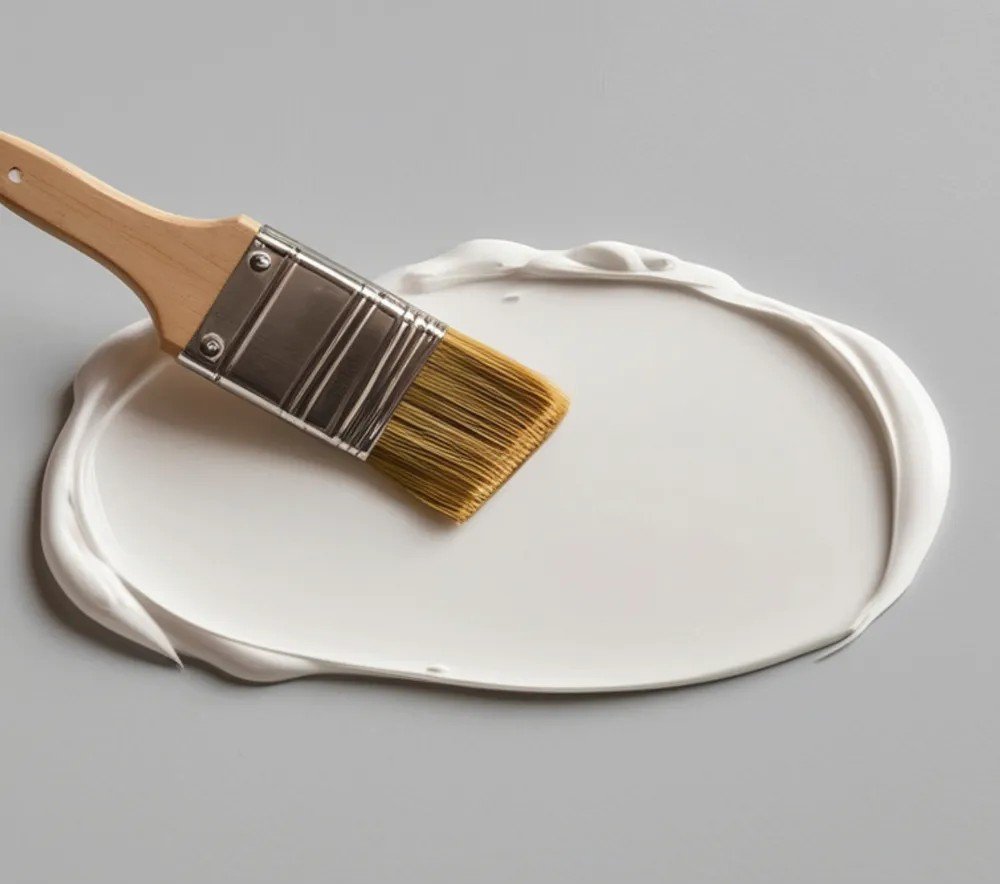
Start with 1 cup of latex paint in your desired color. - Step 3: Add Plaster of Paris
Mix in 2–3 tablespoons of plaster of Paris. This gives your paint that signature chalky, matte finish. - Step 4: Add Water (Optional)
If you want a slightly thinner paint, add 1–2 teaspoons of water at a time. Mix gently until you reach a smooth, creamy consistency. - Step 5: Optional Extras
Add mica powders, metallic pigments, or a small amount of glitter for special effects. Mix carefully to maintain a smooth texture. - Step 6: Test Your Paint
Apply a small amount to a scrap piece of wood or cardboard to check consistency and color. Adjust by adding more plaster or paint if necessary. - Step 7: Apply to Your Surface
Use a brush, roller, or sponge to apply the paint. One or two coats are usually enough for good coverage. Let each coat dry completely before applying the next. - Step 8: Distress or Seal (Optional)
Once dry, you can lightly sand edges for a vintage look. Optionally, seal with wax or clear matte polyurethane for durability.
You’re Probably Doing This Wrong
Common mistakes when making or using chalk paint include:
- Using too much water, which makes the paint runny
- Skipping the test swatch
- Applying too thick a layer, which can crack
- Not stirring well enough—chalk paint can separate if left sitting
Avoiding these mistakes ensures a smooth, professional-looking finish.
Don’t Ignore This: Best Surfaces for Chalk Paint
Chalk paint works on almost anything, but the best surfaces include:
- Wood furniture
- Cabinets or shelves
- Canvas for craft projects
- Terracotta pots or decorative items
Avoid: glossy plastic or metal unless primed, as the paint may not stick well.
Stop Doing This Before It’s Too Late
- Don’t use cheap brushes that shed bristles—smooth application is key
- Don’t skip prepping surfaces with a light wipe to remove dust
- Don’t overmix plaster—too much air can create bubbles
- Don’t try to rush drying time between coats
Following these precautions will give your project a flawless finish.
Quick Fixes for Common Problems
| Problem | Solution | Alternative Suggestion |
|---|---|---|
| Paint too thick | Add a few drops of water | Stir thoroughly to smooth consistency |
| Paint too thin | Add more plaster of Paris | Let coat dry and apply a second layer |
| Brush marks visible | Sand lightly between coats | Use a foam roller for smoother finish |
| Cracks while drying | Avoid thick layers | Apply thinner coats in multiple layers |
| Uneven color | Stir paint thoroughly before each coat | Apply second coat after drying |
Tips for Perfect Chalk Paint Projects
- Always stir before each use
- Start with light coats and build up coverage
- Experiment with colors by mixing small batches
- Use sanding or wax for distressing or protection
- Test finishes on a small area before full application
FAQ
Can I use any paint for chalk paint?
Yes, latex or acrylic paints work best. Avoid oil-based paints—they don’t mix well with plaster.
How long does homemade chalk paint last?
Store in an airtight container. Use within 2–3 days for best results.
Do I need to sand furniture before chalk painting?
Usually not. Chalk paint sticks to most surfaces without sanding, but wipe the surface clean first.
Can I make chalk paint for walls?
Yes, just adjust the thickness slightly for easy application. One or two coats are usually sufficient.
Conclusion
Making chalk paint at home is simple, fun, and budget-friendly. With this easy chalk paint recipe, you can create customized colors and matte finishes for furniture, walls, and DIY crafts. Remember to test your paint, apply in thin coats, and have fun experimenting with colors and textures. Once you try it, you’ll see why chalk paint is a favorite among crafters and DIY enthusiasts!
Next, learn How to Make Puffy Paint for Kids.
Enjoyed this project? Get even more DIY ideas that save (and make) you money.
Join our free newsletter for profitable DIY projects, clever cleaning hacks, home ideas, and creative crafts delivered straight to your inbox.
✓ Free forever • No spam • Unsubscribe anytime