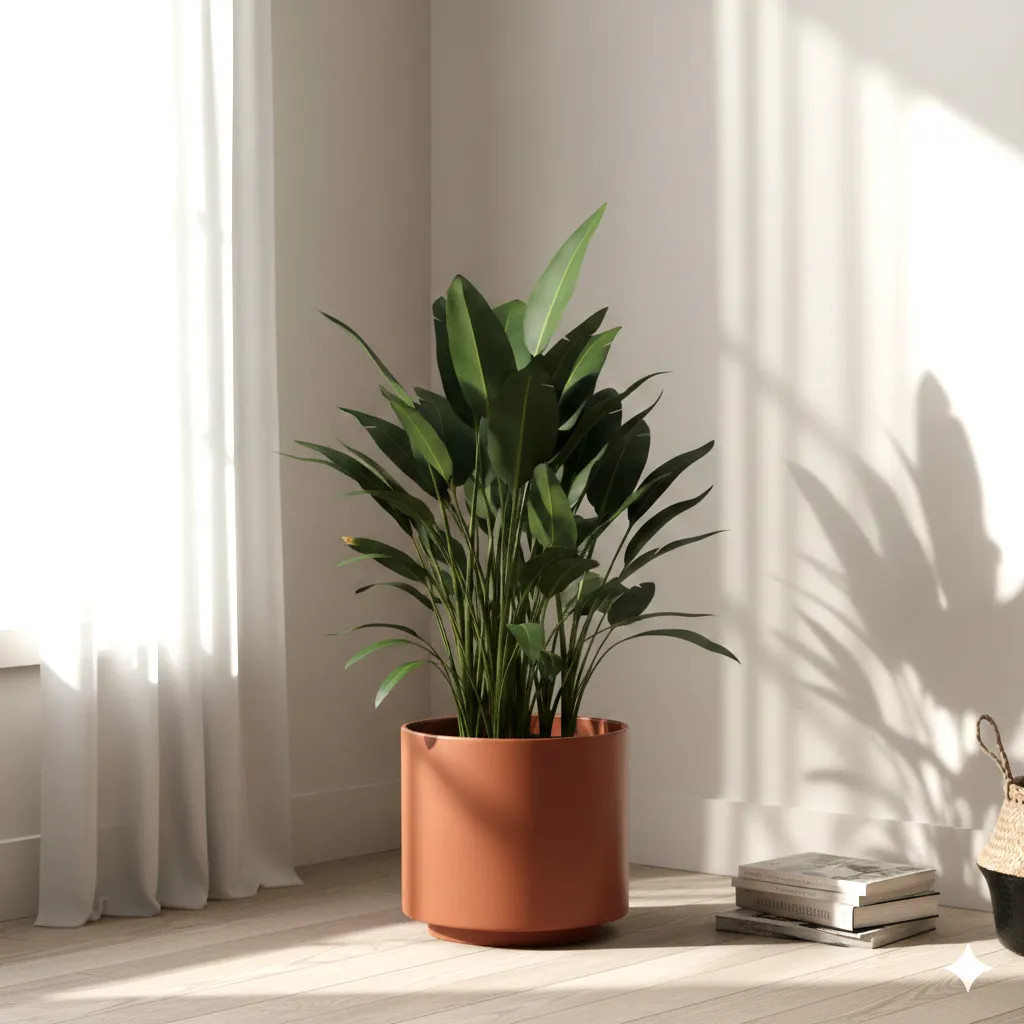
Some plants beg for attention. The cast iron plant (Aspidistra elatior) begs you to ignore it. That’s the charm.
It shrugs off low light, skips watering without drama, and still looks polished enough to pass as “intentional décor.” If you’ve ever murdered a fiddle leaf fig, this is your redemption arc.
Meet the Cast Iron Plant: The Ultimate Low-Drama Roommate
The cast iron plant got its name for a reason: it survives what most houseplants can’t. Think dim corners, forgetful watering, and temperature swings. It grows slow, but it stays evergreen and elegant with tall, strappy leaves that can handle real life.
You’ll find it in classic deep green or with variegation (cream stripes), which looks fancy but still acts chill. FYI, it won’t shoot up overnight. If instant gratification matters, buy a fuller plant from the start.
Light: Why “Low Light” Doesn’t Mean “No Light”
Cast iron plants handle low light like champs, but they still need some. Bright, indirect light keeps leaves lush and growth steady.
Low light works, but growth slows to a crawl. No light? That’s a cave.
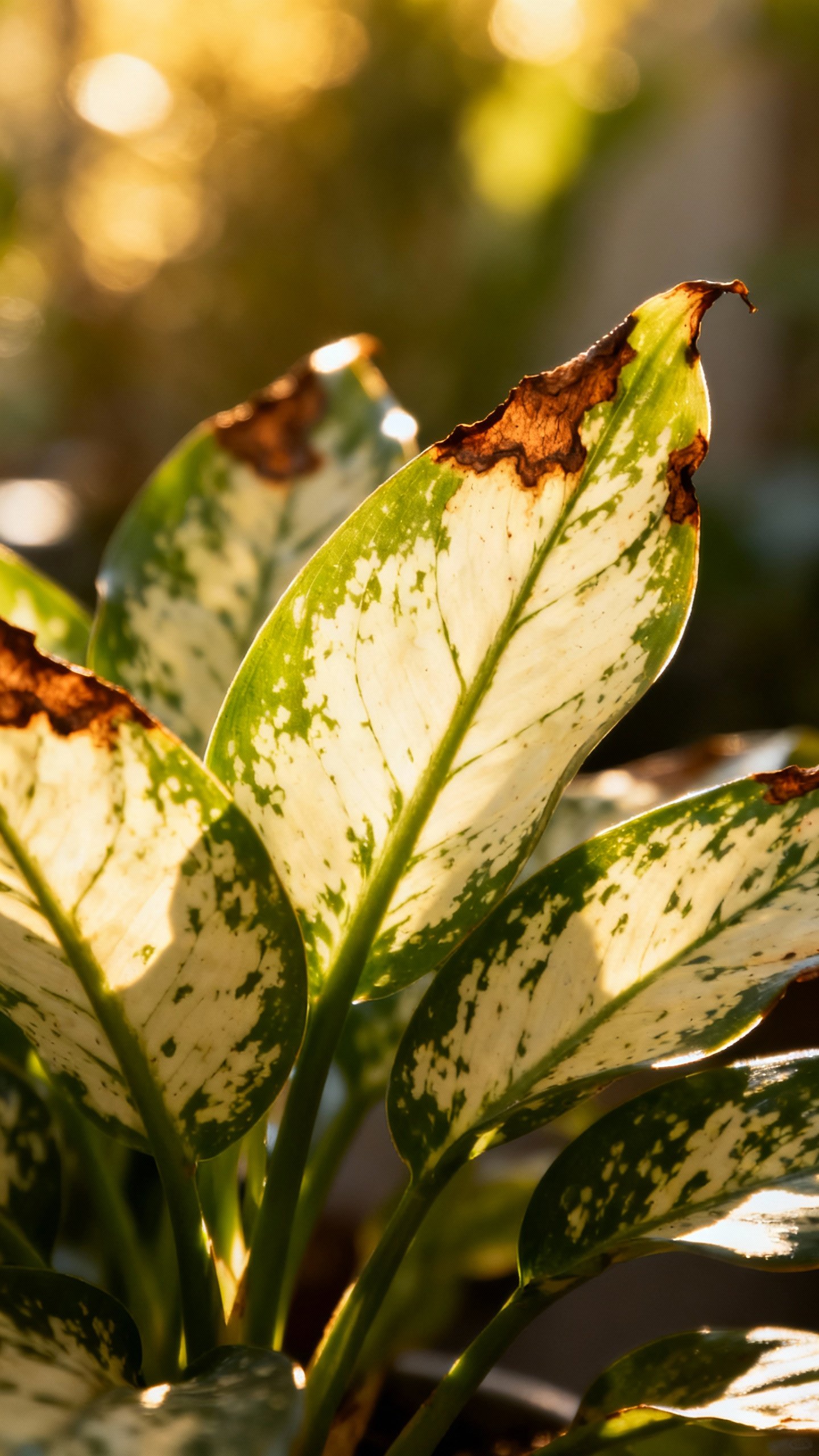
Don’t do a cave. – North or east windows: perfect – A few feet back from a bright south or west window: great – Under a grow light: also great, 8–12 hours a day Avoid direct sun. It can scorch leaves, especially on variegated types. If the leaf edges crisp or fade, you’ve gone too hard on the sunshine.
Signs Your Light Isn’t Right
– Too little: new leaves stay small, plant barely grows, deep green turns dull – Too much: bleached spots, crispy tips, yellowing patches
Watering: Less Drama, More Consistency
This plant forgives underwatering more than overwatering. Let the top 1–2 inches of soil dry before you water again.
Stick your finger in the soil. If it feels dry at that depth, water thoroughly until excess drains out. In winter, slow down.
The plant grows less and drinks less. Overwatering equals mushy roots and yellow leaves, and IMO, that’s the fastest way to ruin a perfectly good aspidistra.
Watering Tips That Actually Help
– Use a pot with a drainage hole (non-negotiable). – Empty saucers after watering. – If you’re unsure, wait one more day. It won’t hold a grudge.
Soil and Repotting: Keep It Loose
Cast iron plants prefer a well-draining mix.
A simple blend works: – 2 parts high-quality potting soil – 1 part perlite or pumice – 1 part orchid bark or coco chips This combo lets air reach the roots and prevents soggy soil. Repot every 2–3 years or when the plant starts circling the pot or pushing up from the soil like it wants to escape. Choose a pot 1–2 inches wider than the current one. Big jumps in pot size trap water and invite rot.
Slow and steady wins here.
Dividing for More Plants
Want to multiply? During repotting, gently separate clumps with at least 3–4 leaves and healthy roots. Pot them up, water lightly, and keep them in bright, indirect light while they settle.
Temperature and Humidity: Easy Like Sunday Morning
This plant doesn’t ask for a rainforest. Room humidity is fine.
No need for pebble trays or humidifiers unless your air hits desert levels. – Temperature sweet spot: 60–80°F (16–27°C) – Tolerates cooler nights down to the 50s, but protect from drafts – Keep away from blasting heaters or AC vents; they dry out leaves and cause ugly tips If your leaves brown at the tips, check for dry air or salt build-up from fertilizer. Snip the brown tips cleanly and adjust care, no need to spiral.
Feeding and Growth: Slow and Steady
Aspidistras don’t eat like teenagers. Light feeding during spring and summer keeps them content: – Use a balanced liquid fertilizer at half-strength every