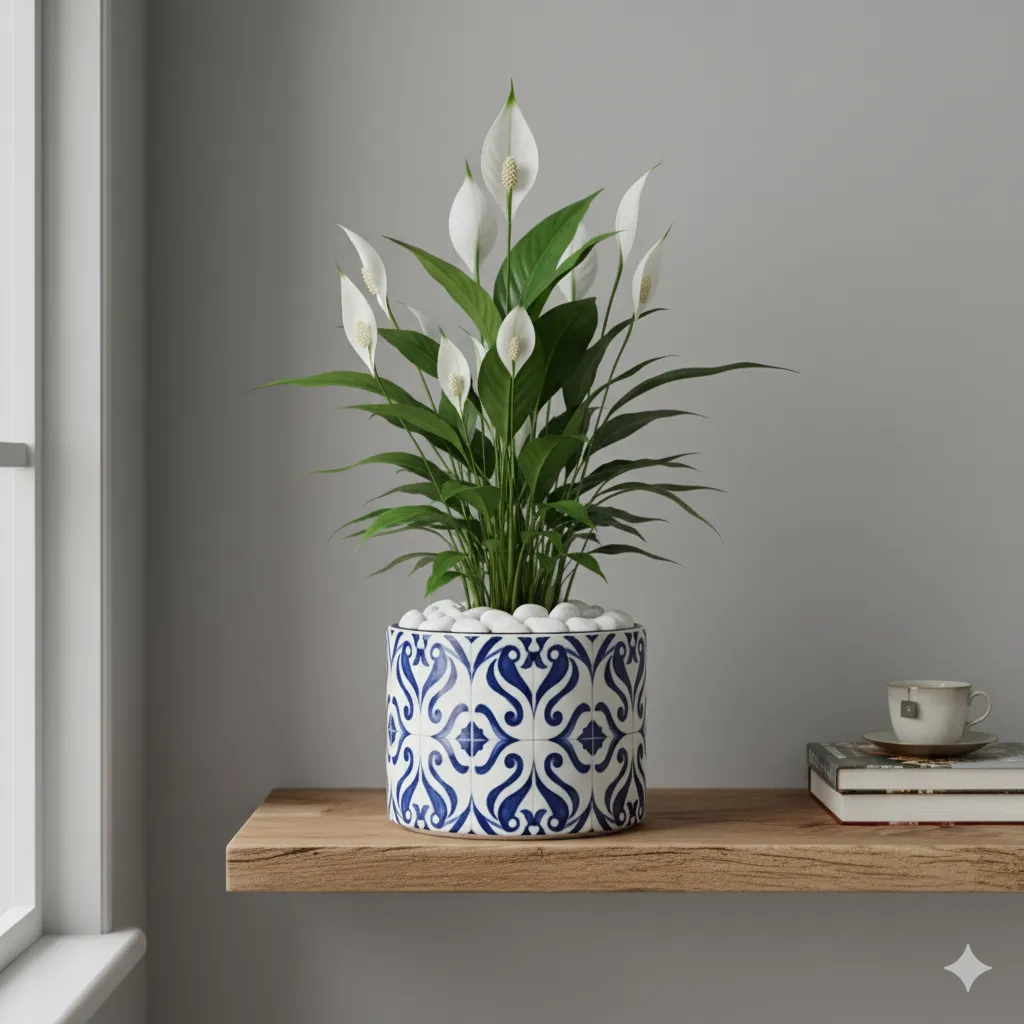
Peace lilies don’t ask for much, yet they repay you with those dreamy white blooms that look like botanical fairy lights. The trick? Learn their few non-negotiables and they’ll flower like champs.
If yours just sits there looking green and moody, don’t worry—let’s turn on the bloom switch with a few easy tweaks.
Know Your Plant: What Makes a Peace Lily Bloom
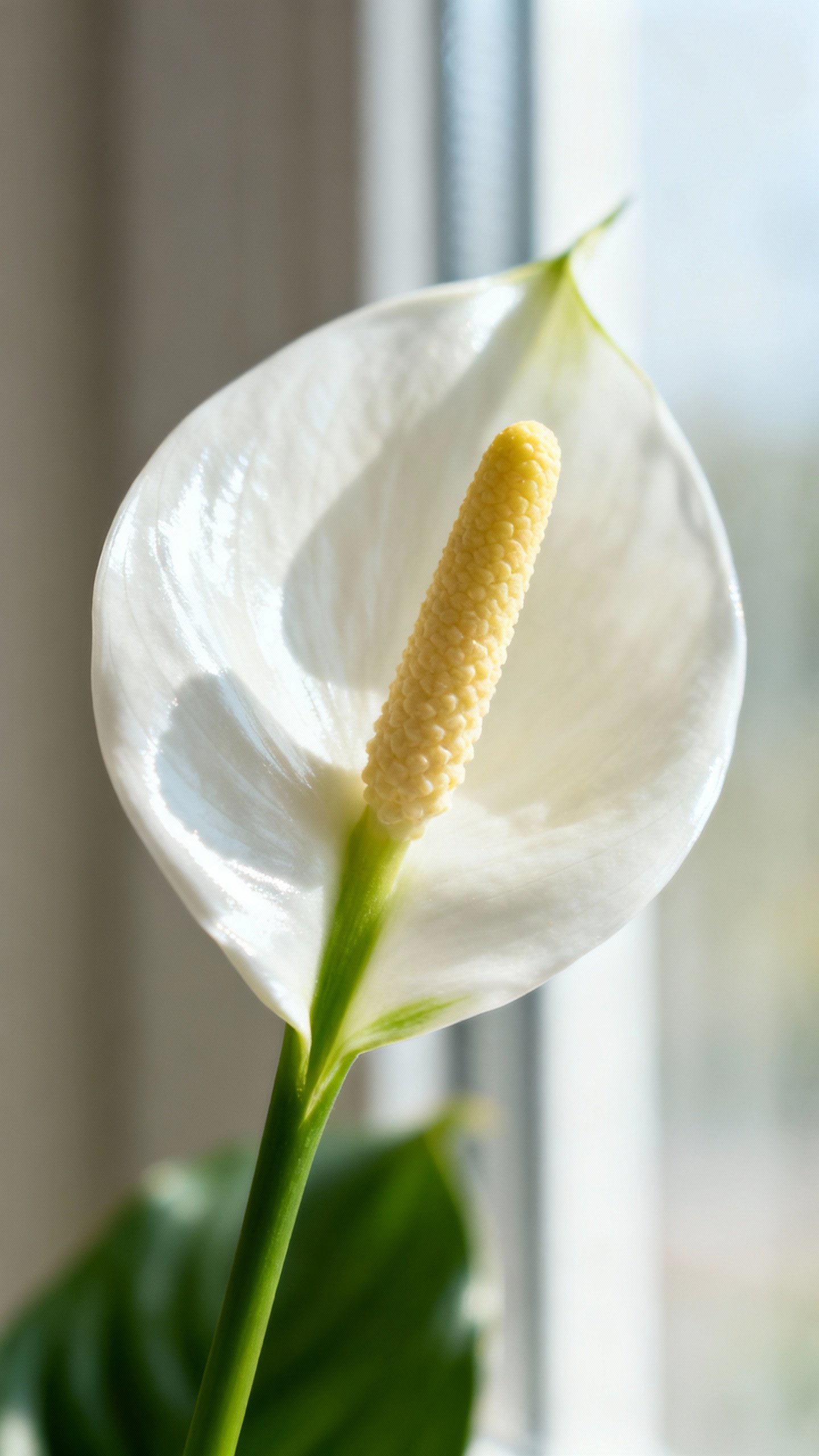
Peace lilies aren’t lilies at all—they’re tropicals that love bright, gentle light and consistent moisture. When they feel comfy, they push out white “flowers” (actually spathes) around a central spadix. Cute and classy.
They bloom best when you give them just enough of everything. Not too much sun. Not too much water.
Not too much fertilizer. Think “Goldilocks plant,” minus the drama.
Light: Bright, Indirect, and Just Enough
If you want blooms, start with light. Peace lilies need bright, indirect light for 6–8 hours a day.
A few feet from an east window? Perfect. Near a bright north window?
Also good. Right against a south window without a sheer? Nope—crispy leaves incoming.
Too Little vs.
Too Much Light
- Too little: Slow growth, no blooms, dark green leaves that don’t do much. Your plant’s basically on airplane mode.
- Too much: Yellowing or brown patches, curled edges, washed-out color.
FYI, if your plant hasn’t bloomed in months, step one is upping the light (gently). A sheer curtain solves a lot.
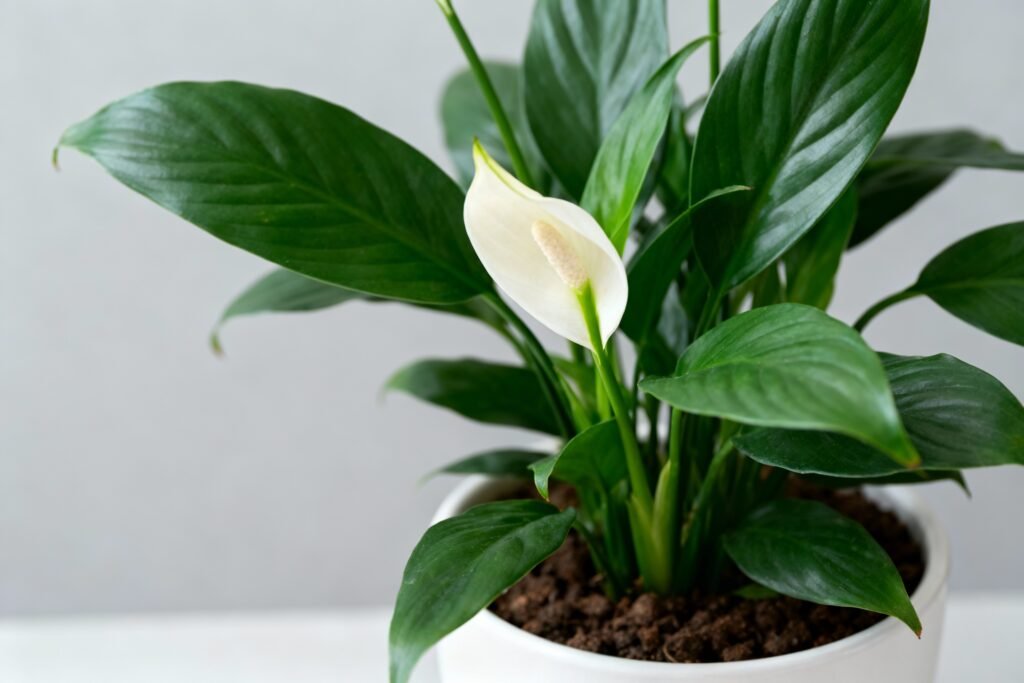
Watering: Consistent, Not Constant
Peace lilies love moisture, but they hate wet feet.
Water when the top inch of soil feels dry. If it droops dramatically, that’s the plant’s not-so-subtle reminder. Don’t let it become a habit, though—constant wilt stresses it out and delays blooms.
Smart Watering Routine
- Check first: Poke a finger in the soil or use a moisture meter.
If it’s dry down 1–2 inches, water.
- Water thoroughly: Soak until water drains from the bottom, then empty the saucer. No swamp vibes.
- Use room-temp water: Cold water can shock roots. Dramatic, I know.
If your tap water runs hard or chlorinated, your peace lily may sulk. Filtered or dechlorinated water often fixes mysterious browning tips.
Humidity and Temperature: Tropics, Not Sauna
These plants come from rainforest floors.
They like it warm and a bit humid—but not sweaty. Aim for 40–60% humidity and 65–80°F (18–27°C)</strong).
Easy Humidity Boosts
- Group plants together—instant microclimate.
- Use a pebble tray with water (pot sits on the pebbles, not in the water).
- Run a small humidifier nearby. Your skin will thank you too.
Keep them away from AC blasts, heaters, and drafty doors.
They hate surprise weather more than we do.
Feeding: The Bloom Buffet (Light Portions)
You don’t need heavy fertilizer, but a balanced, gentle feed makes a big difference. Use a balanced houseplant fertilizer (e.g., 10-10-10 or 20-20-20) at half strength every 4–6 weeks in spring and summer.
Bloom-Boosting Tips
- Skip winter feeding: The plant slows down; let it nap.
- Watch for salt buildup: White crust on soil = too much fertilizer. Flush the soil with water.
- Phosphorus matters: If leaves look great but no blooms, try a bloom formula once or twice (slightly higher middle number).
Don’t overdo it—IMO, subtle changes beat chemical soup.
Repotting and Soil: Give Those Roots Room
Peace lilies bloom more reliably when their roots feel stable but not crammed. If you see roots circling the pot or peeking from drainage holes, it’s time.
- When to repot: Every 1–2 years, ideally in spring.
- Pot size: Go only 1–2 inches wider than the current pot. Big jumps mean soggy soil and sad roots.
- Soil mix: Use a well-draining mix—regular indoor potting soil with perlite or orchid bark works great.
Think fluffy brownie batter, not clay brick.
Post-Repot Reset
- Water thoroughly to settle the soil.
- Place in bright, indirect light and avoid fertilizing for 4–6 weeks.
- Expect a little sulkiness; new blooms usually follow once it settles.
Grooming: Keep It Clean, Keep It Blooming
Dust blocks light and slows photosynthesis. Wipe leaves with a damp cloth every few weeks. It’s basically a spa day for your plant.
- Prune spent blooms: Cut the stalk at the base once the spathe turns green or brown.
This redirects energy to new flowers.
- Remove yellow leaves: They won’t recover. Snip and move on.
- Rotate the pot: Quarter turn every couple of weeks for even growth.
Common Issues That Block Blooms (And Quick Fixes)
Let’s play plant detective. If your peace lily isn’t blooming, check these usual suspects:
- Low light: Move it closer to a bright window with filtered light.
- Inconsistent watering: Create a routine—check weekly, water deeply.
- Overfertilizing: Flush the soil and cut back feeding.
- Root-bound or exhausted soil: Repot with fresh mix.
- Low humidity: Add a pebble tray or humidifier.
- Cold drafts: Relocate away from doors, AC, and vents.
BTW, peace lilies often bloom in cycles.
If yours recently flowered, give it a moment. Plants need recovery time too—like us after leg day.
Propagation: Divide and Conquer (Gently)
If your plant’s huge and clumping at the base, you can divide it. More plants = more blooms around the house.
Win-win.
How to Divide
- Unpot the plant and gently tease apart the roots.
- Separate clumps with at least a few leaves and a solid root section.
- Pot each division in fresh mix and water in.
- Keep in bright, indirect light and slightly higher humidity for a couple weeks.
IMO, divide in spring for the fastest bounce-back.
FAQs
How often do peace lilies bloom?
Most bloom in waves during spring and early summer, with occasional flowers at other times if conditions stay ideal. Bright, indirect light and consistent care keep the cycle going.
Why are the tips of my peace lily leaves turning brown?
Browning tips usually mean low humidity, underwatering, or mineral buildup from tap water. Try filtered water, boost humidity, and trim off the crispy bits.
If you fertilize often, flush the soil to remove salts.
Can a peace lily survive in low light?
It can survive, but it won’t thrive or bloom much. Low light equals green leaves and not much else. Move it closer to a bright window with sheer curtains and watch it perk up.
Is the white part a flower?
Why does it turn green?
The white “flower” is a spathe—a modified leaf. It naturally turns green as it ages and after pollination cues. When it fades, snip the stalk at the base to encourage fresh growth.
What size pot is best?
A slightly snug pot encourages blooming, but not root prison.
Choose a pot just 1–2 inches wider than the old one. Always use drainage holes. No exceptions.
Are peace lilies safe for pets?
They’re mildly toxic if chewed—expect drooling or tummy upset.
Keep them out of reach of curious pets, or use shelves and plant stands as a stylish barrier.
Closing Thoughts
Peace lilies keep it simple: give them bright, indirect light, steady moisture, decent humidity, and light feeding, and they’ll reward you with those chic white blooms. Tweak one thing at a time, watch how your plant responds, and don’t panic at a little drama. With a few easy habits, you’ll have a peace lily that actually lives up to its glamorous reputation—no plant whispering required.