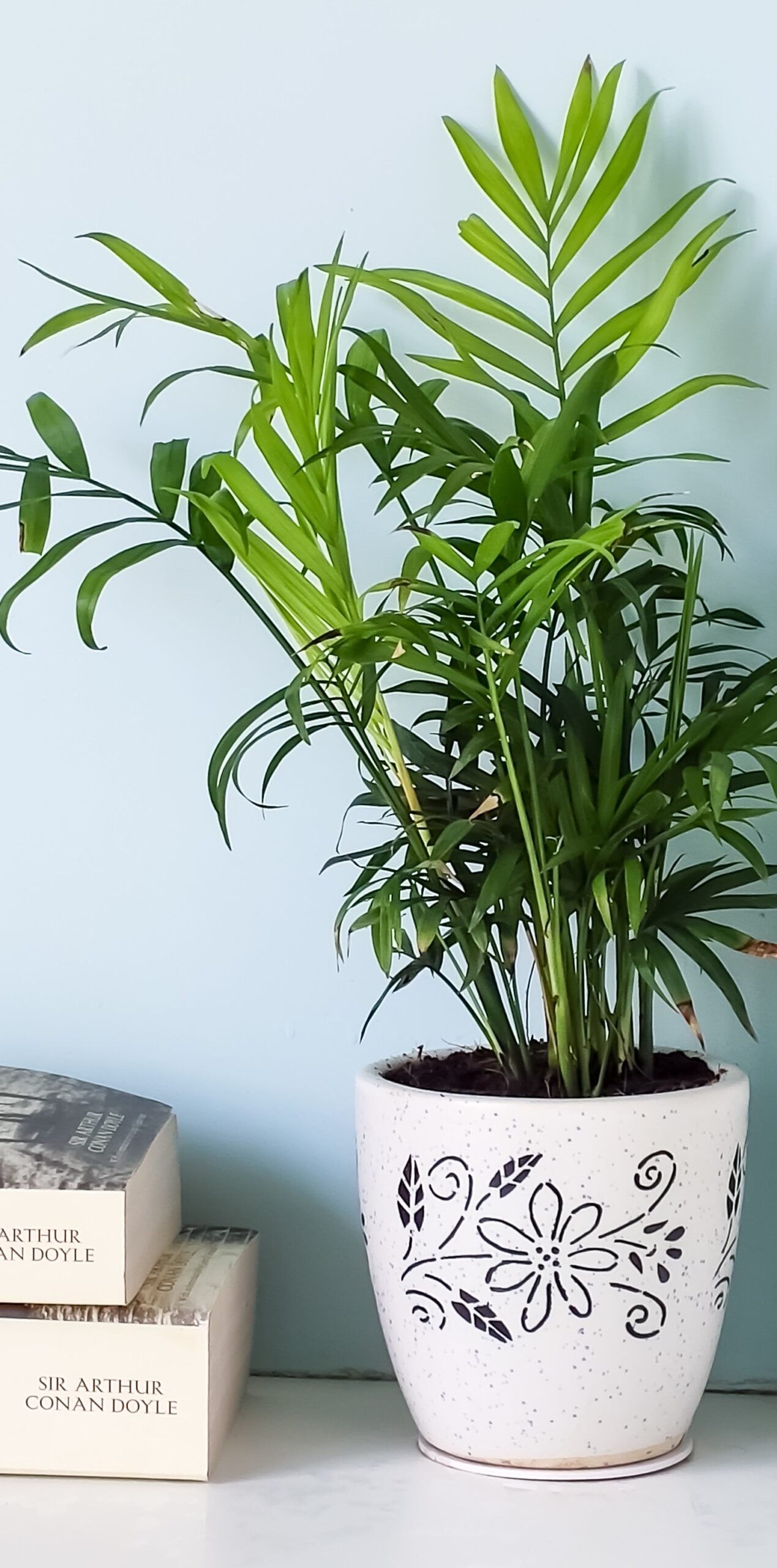
You want a lush, elegant parlor palm that looks like it belongs in a boutique hotel lobby, not a sad office corner. Good news: Chamaedorea elegans is surprisingly low-maintenance if you know the cheats. We’re talking bright, airy fronds, zero crispy tips, and no drama.
Ready for some genius care hacks you can actually use?
Light: Bright-ish, Not Blazing
Parlor palms love light, but not sunburn. Give them bright, indirect light near a window with filtered sun. North or east windows work great.
No bright window? No problem. These beauties tolerate moderate light like champs.
They’ll grow slower, but they won’t stage a protest. Avoid harsh afternoon sun—those gentle fronds scorch faster than a marshmallow over a campfire.
Hack: Window Sheer = Plant Sunscreen
Hang a sheer curtain to diffuse direct light. Or place the palm a few feet back from a south or west window.
FYI: If your plant casts a soft, fuzzy shadow, the light’s perfect.
Watering Without the Drama
Overwatering kills more parlor palms than anything else. The trick? Water when the top 1-2 inches of soil feels dry. Not before.
Use a moisture meter if you stress about it. Or poke a finger in the soil—old-school but effective. When you water, soak thoroughly until water drains out, then empty the saucer.
No foot baths for this diva.
Hack: The 10-Minute Drain Routine
After watering, set a timer for 10 minutes and dump any extra water from the saucer. This prevents soggy roots and fungus gnats. Nobody invited gnats.
Soil and Pot: The Secret Sauce
Parlor palms hate heavy, compacted soil.
Use a well-draining mix that still holds a touch of moisture. Think airy but not cactus-dry. Try this simple blend:
- 2 parts high-quality indoor potting mix
- 1 part perlite or pumice (for drainage)
- 1 part coco coir or fine bark (for structure and moisture balance)
Pick a pot with a drainage hole.
Terracotta works great because it breathes. IMO, plastic pots trap moisture longer, so adjust your watering if you use one.
Hack: Bottom Layer Insurance
Skip the pebble “drainage layer” myth. Instead, keep the soil consistent from top to bottom.
If you worry about soil washing out, use a coffee filter over the drainage hole.
Humidity, Temperature, and Tip-Burn Prevention
Parlor palms hail from humid habitats, but they won’t throw a tantrum in typical homes. Aim for 40–50% humidity and temps between 65–80°F. If you see crispy tips, check:
- Low humidity: Group plants or use a small humidifier.
- Drafts: Keep away from vents and cold windows.
- Water quality: Fluoride/chlorine can burn tips.
Use filtered or let tap water sit 24 hours.
Hack: Pebble Tray That Actually Works
Fill a tray with pebbles, add water just below the top, and set the pot on the pebbles. Evaporation boosts humidity around the plant. Don’t let the pot sit in water.
Feeding and Growth: Slow and Steady Wins
Parlor palms grow slowly, so go easy on the fertilizer.
During spring and summer, feed monthly with a balanced, diluted liquid fertilizer (half-strength). In fall and winter, chill. No feeding needed.
Want a fuller look? Cluster multiple palms in one pot. Nurseries often plant several together to get that lush jungle effect. You can do the same if yours looks sparse.
Hack: Coffee Grounds?
Hard Pass.
Save the coffee for yourself. Grounds compact soil and can mess with pH. If you want organic, use a gentle worm castings top-dress once in spring.
Pruning, Cleaning, and Styling for Elegance
Dusty fronds block light and look sad.
Wipe leaves monthly with a damp cloth. No leaf-shine sprays—those clog pores. Prune only fully brown fronds at the base.
Don’t trim healthy green tips. If tips brown, you can snip just the brown part to tidy it up, but don’t overdo it. Want the “hotel lobby” vibe?
Pair your palm with a tall basket cachepot, add a matching floor lamp, and boom—instant classy corner. FYI: Parlor palms look amazing in clusters of two or three at staggered heights.
Hack: The Lazy-Dust Method
Put the plant in the shower and rinse the foliage with lukewarm water for 30–60 seconds. Let it drain well afterward.
It cleans and boosts humidity at the same time.
Pests and Troubleshooting (Because Things Happen)
Parlor palms rarely throw fits, but keep an eye out for:
- Spider mites: Fine webbing, speckled leaves. Increase humidity and spray with insecticidal soap.
- Mealybugs: White fluff in leaf nodes. Dab with alcohol and treat weekly until gone.
- Fungus gnats: Moist soil, tiny flies.
Let soil dry more, use yellow sticky traps, and consider a biological control like BTi.
Other common issues:
- Yellowing leaves: Overwatering or poor drainage. Check roots and adjust.
- Browning tips: Dry air or mineral-heavy water. See humidity/water tips above.
- Stalled growth: Low light or pot-bound roots.
Brighten the spot or upsize one pot size in spring.
Hack: Quarantine New Roommates
New plant? Keep it separate for two weeks to spot sneaky pests before they mingle with your plant crew. Trust me, prevention beats a mite meltdown.
Repotting Without Tears
Parlor palms like to stay slightly snug.
Repot every 2–3 years in spring. Choose a pot that’s one size larger, not a giant upgrade. Big jumps trap extra moisture and encourage rot.
When you repot, loosen the root ball gently and refresh the soil. Water well, then place in bright, indirect light while it settles. Expect a brief sulk.
It’ll perk up.
Hack: Don’t Bury the Crown
Keep the base of the stems at the same level as before. Burying the crown invites rot and drama you don’t need.
Seasonal Rhythm: Set It and Forget It
Your palm has seasons, even indoors:
- Spring/Summer: Brighter light, regular watering, monthly feeding, light pruning.
- Fall: Ease off watering as growth slows. Hold fertilizer.
- Winter: Brightest spot possible, minimal water, no drafts.
Dust leaves to maximize light capture.
IMO, consistency matters more than perfection. Keep a simple routine, and your palm will stay classy year-round.
FAQs
How often should I water my parlor palm?
Water when the top 1–2 inches of soil dries out, usually every 7–14 days depending on light, pot, and season. Always water thoroughly and let excess drain.
In winter, stretch the interval a bit.
Why are the tips of my palm leaves turning brown?
Likely low humidity, minerals in tap water, or underwatering. Increase humidity, use filtered or rested water, and keep your watering consistent. You can trim the brown tips for looks, but don’t cut into healthy green tissue.
Can parlor palms handle low light?
Yes, they tolerate low to medium light, but they grow slower and may look sparser.
For the lush look, give them bright, indirect light. Avoid direct afternoon sun.
Do parlor palms need misting?
Misting offers a quick mood boost but doesn’t change humidity for long. For real results, use a humidifier, pebble tray, or group plants.
If you mist, do it in the morning so leaves dry fast.
Is the parlor palm safe for pets?
Yes. Parlor palms are non-toxic to cats and dogs. Still, discourage nibbling—those fronds are not salad.
How big will my parlor palm get indoors?
Indoors, expect 2–4 feet tall over a few years.
Patience pays. Multiple plants in one pot create that full, elegant canopy sooner.
Conclusion
Parlor palms bring instant elegance with almost zero attitude—if you play to their strengths. Give them bright, indirect light, water thoughtfully, keep the soil airy, and bump the humidity a touch.
Add a stylish pot and regular leaf cleanups, and you’ve got a forever-chic green statement. Simple, classy, and totally doable—your living room just leveled up.