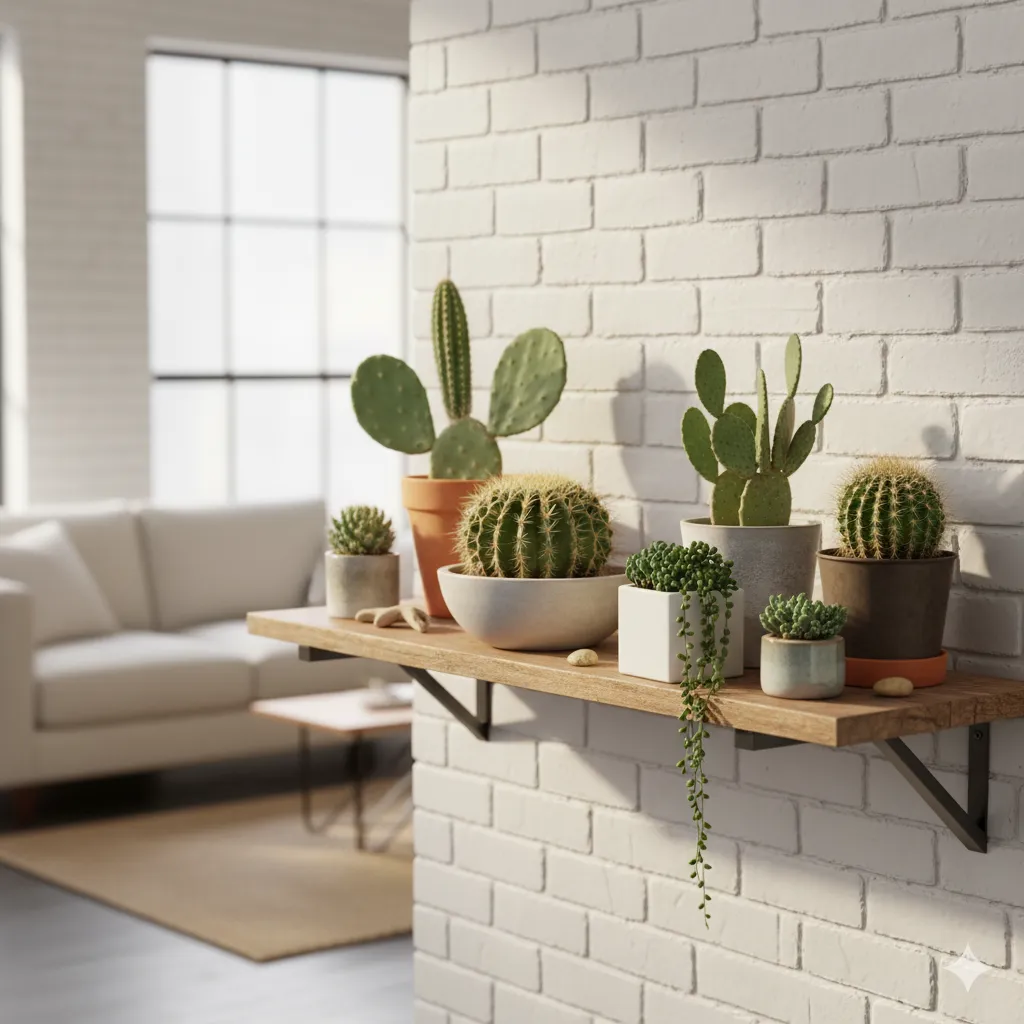
Cacti look like low-maintenance green statues… until they mysteriously shrivel, rot, or pout for months. Let’s fix that. You don’t need a botany degree or a desert backyard.
With a few smart tweaks and a bit of restraint (looking at you, over-waterers), you can keep your cactus thriving and looking like a tiny desert celebrity.
Sunlight: Your Cactus Wants a Seat by the Window
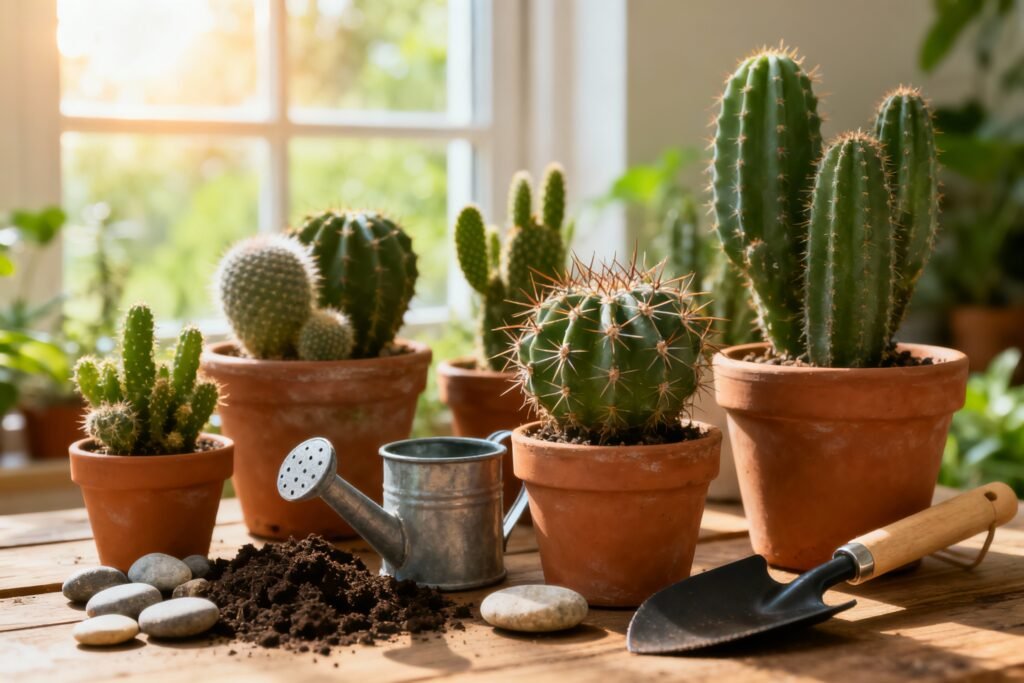
Cacti crave bright light, but not all sunshine works the same. Most species love a south or west-facing window with several hours of direct sun. If it looks pale, stretched, or leaning, it screams, “More light, please!” Pro tip: Rotate your cactus a quarter turn every week.
That stops lopsided growth and keeps it cute from all angles. If your space gets weak light, consider a grow light. Place it 6–12 inches above the plant and run it for 10–12 hours a day.
Acclimating to Sun Without Sunburn
Yes, cacti can burn.
When moving a cactus from low light to bright sun:
- Week 1: Bright indirect light.
- Week 2: 1–2 hours of direct sun.
- Week 3+: Add an hour every few days.
Slow steps = no crispy edges.
Watering: Less Often, But Thorough
Overwatering kills more cacti than anything else. You want a soak-and-dry cycle.
- Water thoroughly until it drains from the bottom.
- Wait until the soil dries completely before you water again.
How often? In warm months, every 10–21 days depending on heat, light, and pot size. In winter, once every 3–6 weeks.
If your cactus feels squishy or the base looks black—pause. If it wrinkles slightly and looks dull—time for a drink.
The Finger Test Beats Fancy Meters
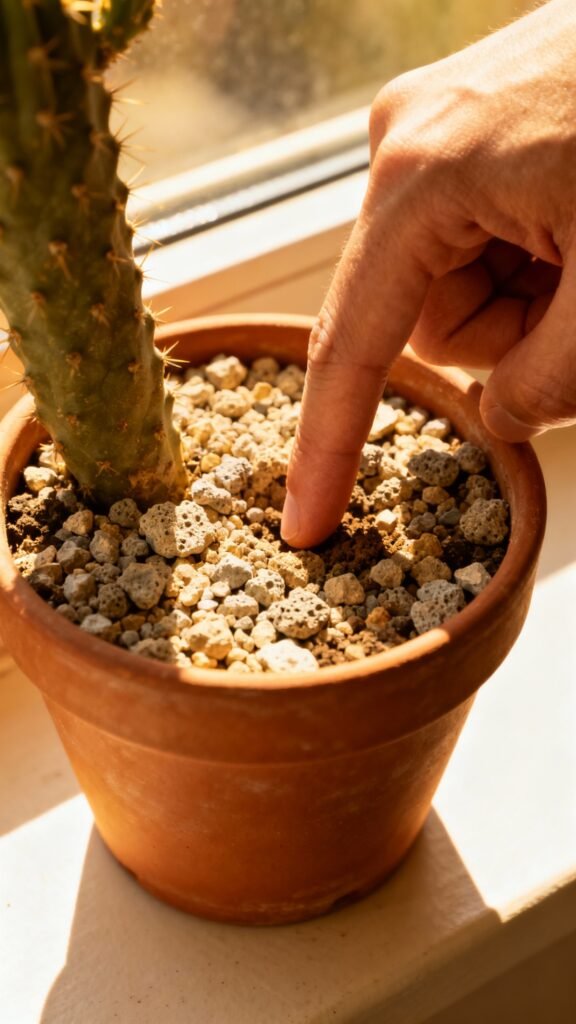
Stick a dry finger 2 inches into the soil. If it feels cool or damp, wait.
If it’s bone dry, water. FYI, moisture meters can mislead in gritty mixes.
Soil: Gritty Mix or Bust
Regular potting soil suffocates roots. You need fast drainage, like a mini rockslide. Easy DIY mix:
- 1 part cactus/succulent soil
- 1 part perlite or pumice
- Optional: 0.5 part coarse sand or small gravel
This keeps roots oxygenated and prevents rot.
IMO, pumice beats perlite because it doesn’t float, but use what you have.
Repotting Without Drama
Cacti don’t need frequent repotting. Every 2–3 years works for most.
- Choose a pot just 1–2 inches wider than the current one.
- Use a pot with a drainage hole. No hole = no deal.
- Let the plant sit dry for 5–7 days after repotting before watering.
Why wait? Fresh mixes hold more moisture and you don’t want to trigger root rot.
Pots: Material Matters
Terracotta breathes and helps soil dry faster.
Plastic traps moisture longer, which can help in hot, dry homes but can backfire in cool, dim spaces. Glazed ceramic sits in the middle. Quick picks:
- Dry, sunny home: Plastic or glazed is okay.
- Cool or low-light home: Terracotta is your friend.
- Always: One drainage hole minimum. Prefer two.
Temperature and Airflow: Think Desert-ish
Cacti love warm days and cooler nights.
Aim for 65–85°F (18–29°C) by day, 55–65°F (13–18°C) by night. Most handle brief dips but hate frost. Keep them away from cold drafts, AC blasts, and radiators. Airflow helps. A little movement keeps fungus and pests down.
Just don’t park your cactus under a wind tunnel.
Feeding: Light Snacks Only
Cacti don’t eat like jungle plants. Fertilize lightly during spring and summer only.
- Use a balanced fertilizer at 1/4 strength once a month.
- Or use a cactus-specific fertilizer per label directions.
- Skip fertilizer in fall and winter.
Too much fertilizer = bloated growth and fewer blooms. You want compact, firm growth.
Bloom Boosting, The Real Way
Many cacti bloom after a cool, dry winter rest.
From late fall to early spring:
- Give them cooler nights (50–60°F / 10–16°C if you can).
- Reduce watering to just prevent shriveling.
- Resume normal care with stronger spring light.
Boom—flowers. Not guaranteed, but this stacks the odds.
Pests and Problems: Spot and Save
Even tough plants get drama sometimes. Check monthly.
- Mealybugs: White cottony dots.
Dab with isopropyl alcohol on a Q-tip, then spray the plant (avoid soil) with diluted alcohol. Repeat weekly until gone.
- Spider mites: Fine webbing and speckling. Shower the plant gently, increase humidity/airflow, use insecticidal soap as needed.
- Scale: Hard brown bumps.
Scrape gently and treat like mealybugs.
- Rot: Mushy spots or black base. Unpot, cut to healthy tissue, let the wound callus, then re-root in dry mix.
Quarantine new plants for 2–3 weeks. It saves you headaches and your plant shelf from a bug party.
Beginners’ Power Moves
Let’s speedrun the smartest habits:
- Label with dates. Note waterings and light changes.
Patterns beat guesswork.
- Rotate weekly. Balanced sun = balanced shape.
- Use a tray of rocks under pots. Elevate pots so they don’t sit in runoff.
- Pick beginner-friendly species. Mammillaria, Echinopsis, Gymnocalycium, and Opuntia microdasys (gloves, please!) forgive mistakes.
- Resist the urge. When in doubt, don’t water.
FYI, patience solves 80% of cactus drama.
FAQs
How do I know if I underwater or overwater my cactus?
Overwatered cacti feel soft and mushy, especially near the base, and may show black or translucent spots. Underwatered ones wrinkle and shrivel uniformly but still feel firm. If you catch wrinkles early, one thorough watering perks them up fast.
Can I keep a cactus in a windowless room with a grow light?
Yes, if you use the right light.
Choose a full-spectrum LED and keep it 6–12 inches above the top. Run it 10–12 hours daily. Keep your watering moderate because cooler, darker rooms (even with lights) dry soil slower.
Do cacti like humidity?
Most desert cacti prefer low to moderate humidity.
High humidity plus low airflow invites fungus and rot. If your bathroom feels like a sauna, move the cactus elsewhere, or increase airflow with a small fan.
What’s the best pot shape?
Shallow, wide pots work for many cacti with shallow root systems, but deep columnar types need taller pots. Match the pot to the plant’s vibe.
Always prioritize drainage and stability—top-heavy columns topple easily, so go heavier with terracotta or add top dressing gravel.
Should I use top dressing rocks?
Yes, for looks and function. A thin layer of gravel or decorative rock reduces soil splash, stabilizes the plant, and discourages fungus gnats. Keep it thin so you can still check moisture underneath.
Can I propagate a cactus from a broken piece?
Usually yes.
Let the cutting dry and callus for 3–14 days (bigger pieces need longer). Set it on dry, gritty mix and wait a week before a light watering. New roots form in a few weeks to a couple months.
Closing Thoughts
Cactus care isn’t magic—it’s rhythm.
Give bright light, soak and dry the soil, use gritty mix, and feed lightly during the warm months. Add patience, a drainage hole, and a sense of humor, and you’ll grow spiky masterpieces that thrive for years. IMO, once you nail the basics, cacti become the chillest roommates you’ll ever have.
Next, learn Christmas Cactus Care Hacks For Yearly Blooms.