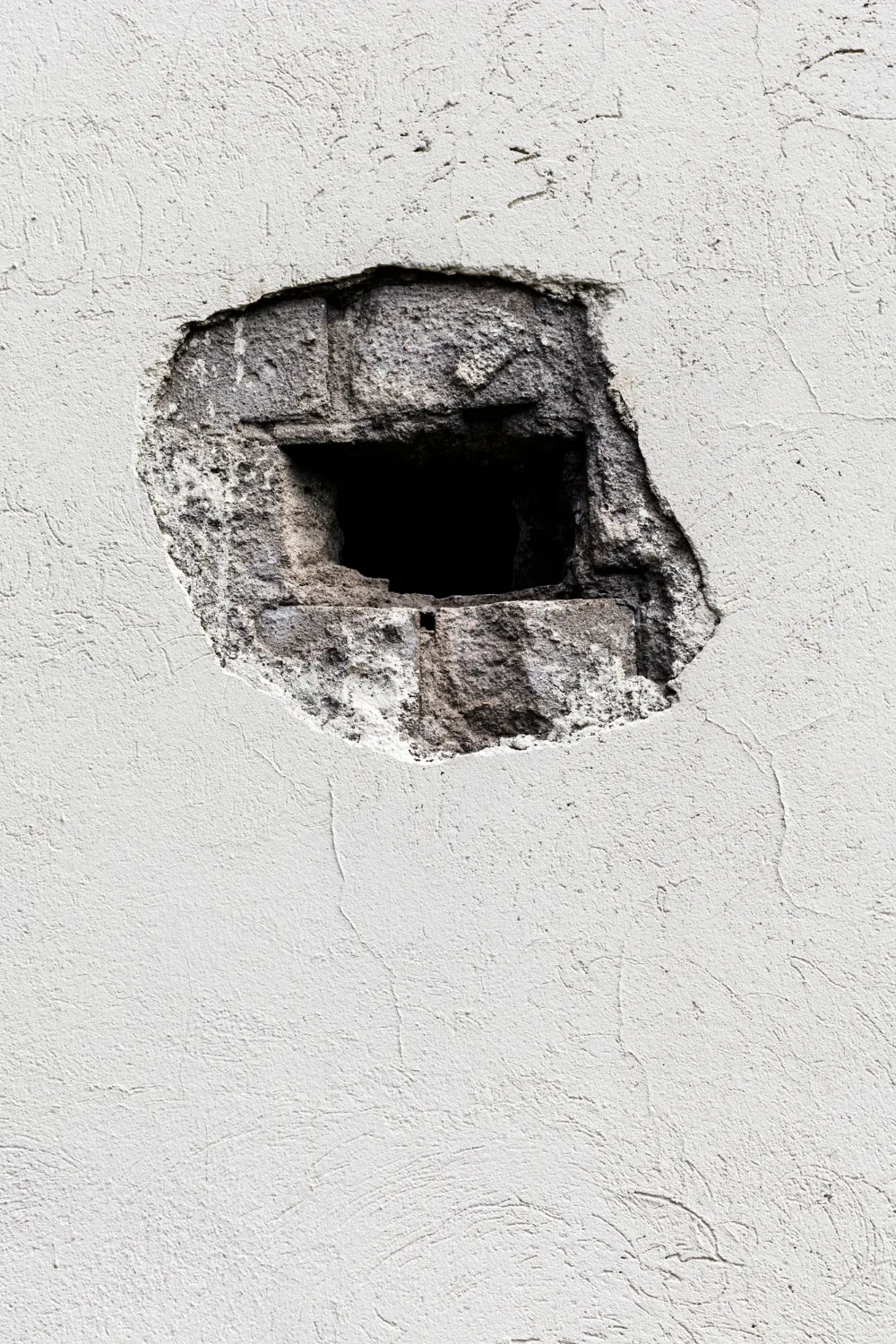
Holes in walls happen to everyone. Maybe it was an accidental bump from furniture, a doorknob mishap, or a picture that didn’t go as planned. While a hole can look intimidating, the good news is that repairing it is easier than you think. With the right materials and step-by-step guidance, you can restore your wall to a smooth, flawless surface without calling a professional.
Understanding the Type of Hole
Before diving in, it’s important to know what kind of hole you’re dealing with:
- Small holes (less than 1/2 inch) – Usually caused by nails or screws, easy to patch with spackle.
- Medium holes (1/2 inch to 6 inches) – Often from doorknobs, furniture, or accidental bumps, may require a patch.
- Large holes (larger than 6 inches) – Require a drywall repair patch or replacing a section of drywall.
Knowing the size and cause will help you pick the right materials and method.
What You’ll Need
Gather these tools and materials before starting:
- Spackle or joint compound
- Drywall patch (mesh or self-adhesive) for medium holes
- Putty knife
- Sandpaper (medium and fine grit)
- Paint that matches your wall
- Paintbrush or small roller
- Utility knife
- Damp cloth
- Primer (optional, for large repairs)
Step-by-Step: How to Fix Small Holes
- Clean the area
Remove any loose debris or paint flakes from the hole using your fingers or a utility knife. Wipe the area with a damp cloth. - Apply spackle
Use a putty knife to apply spackle over the hole. Press firmly to fill the entire space and smooth the surface. - Let it dry
Allow the spackle to dry according to the product instructions. Drying times usually range from 30 minutes to a few hours. - Sand smooth
Once dry, sand the area with medium-grit sandpaper, then finish with fine-grit for a smooth surface. - Paint
Touch up with matching paint using a brush or roller. For the best finish, feather the edges to blend with the surrounding wall.
Step-by-Step: How to Fix Medium Holes
- Prepare the hole
Trim rough edges around the hole with a utility knife. - Apply patch
Place a self-adhesive mesh patch over the hole. Ensure it sticks well to the wall. - Cover with joint compound
Spread a thin layer of joint compound over the patch, feathering the edges to blend with the wall. - Let it dry and sand
After drying, sand the area until smooth. Apply a second layer if needed for even coverage. - Prime and paint
Use primer over the patch for even paint adhesion, then paint to match the wall color.
Step-by-Step: How to Fix Large Holes
- Cut a clean section
Use a utility knife to cut a square or rectangle around the hole for a neat repair area. - Insert a drywall patch
Cut a new piece of drywall to fit the hole. Secure it with drywall screws into wall studs or use a backing piece for support. - Apply joint compound
Cover the seams with joint compound and tape. Feather edges for smooth blending. - Sand, prime, and paint
Once dry, sand until smooth. Apply primer and finish with paint for a seamless repair.
Quick Fixes for Common Problems
| Problem | Step-by-Step Solution | Alternative Suggestion |
|---|---|---|
| Spackle cracks after drying | Apply a second layer of spackle and sand smooth | Use a stronger joint compound |
| Patch not sticking | Clean wall and ensure patch is flat | Use mesh tape or adhesive patch |
| Paint edges are visible | Feather edges and apply a second paint coat | Use primer before painting for even coverage |
| Large hole edges uneven | Trim edges for a clean square or rectangle | Cut new drywall piece for a perfect fit |
| Repair looks rough | Sand thoroughly and apply thin joint compound layers | Repeat sanding and painting for a smooth finish |
Tips to Prevent Wall Damage in the Future
- Use wall anchors – They help prevent nails and screws from leaving large holes.
- Handle furniture carefully – Avoid bumps that can cause dents and holes.
- Picture hanging alternatives – Adhesive hooks reduce the risk of wall damage.
- Regular inspection – Check walls for minor damage early before it worsens.
FAQ
Can I fix a wall hole without a patch?
Yes, for very small holes, spackle alone is enough. For medium or large holes, a patch is recommended for durability.
How long does it take for spackle to dry?
Drying times vary but usually range from 30 minutes to a few hours. Large repairs may take overnight.
Do I need primer before painting?
Primer helps ensure even paint coverage, especially on medium or large repairs. Small spackled areas can often be painted directly.
Can I fix holes in plaster walls the same way as drywall?
Plaster requires a slightly different approach and may need plaster compound. Small holes can still be filled with spackle.
Conclusion
Fixing a hole in the wall doesn’t need to be intimidating. With the right materials, a little patience, and step-by-step guidance, you can repair small or large holes to achieve a smooth, professional-looking finish. Whether you’re touching up a few nail holes or repairing a larger accident, these techniques will help restore your walls and keep your home looking clean and polished.
Would you like me to also create a version for beginners using only spackle and household items? It’s faster and perfect for small holes.