Look, I know exactly where you are right now. You’re likely reading this at 2:00 AM, flashlight in one hand, phone in the other, feeling like your skin is crawling. The first thing I need you to do is breathe. You aren’t “dirty,” your house isn’t a loss, and you don’t need to burn your mattress in the backyard.
I’ve spent years looking at these things under microscopes and helping people reclaim their bedrooms. The internet is full of terrible advice—like “just use bug bombs”—that actually makes the problem worse.
If you want to get rid of bed bugs fast, you have to stop thinking like a human and start thinking like a predator. Here is the realistic, expert-level breakdown of how to win this war.
Signs of Bed Bugs and How to Identify Them
Bed bugs are the ninjas of the insect world. They don’t want to be found, and they are evolved to hide in the tiniest gaps—think of the thickness of a business card. If you’re getting bitten but can’t find a bug, you’re looking for their evidence.
What to Look For:
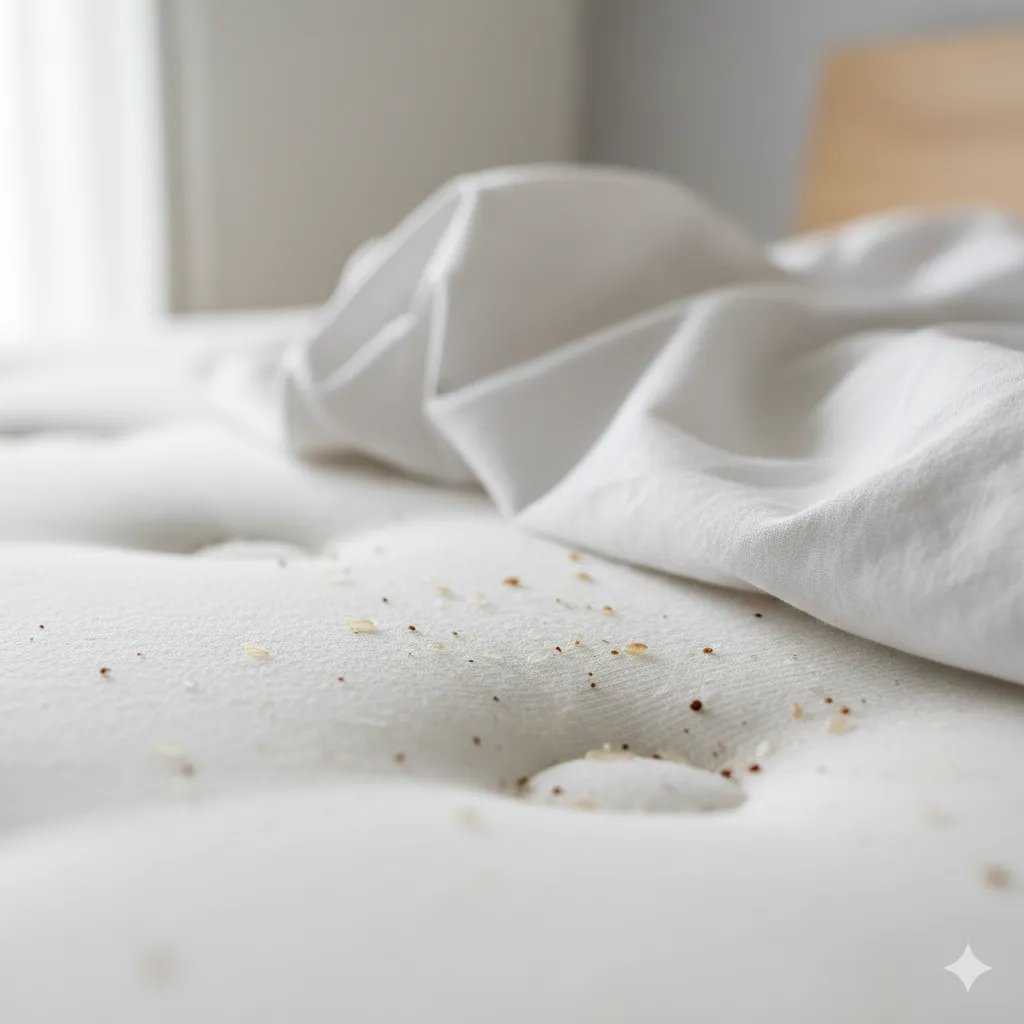
- The “Blood Spots”: This is the most common sign. You’ll see tiny, dark red or black dots on your pillowcase or sheets. It’s not actually blood; it’s bed bug “frass” (waste).
- The Bites: Everyone reacts differently. Some people get huge welts; some get nothing. But if you see a line of three or four bites—often called “breakfast, lunch, and dinner”—that’s a classic bed bug signature.
- The Shells: As they grow, they pop out of their skins like tiny cicadas. You’ll find these translucent, tan “husks” in the seams of your mattress.
Don’t Guess—Confirm
Before you spend a dime, grab a flashlight and a credit card. Go to the head of your bed. Pull back the fabric folds of the mattress and run the card through the “ditch” of the seam. If you see tiny white eggs (they look like miniature grains of rice) or moving brown spots, you have your confirmation.
What Do Bed Bugs Look Like?
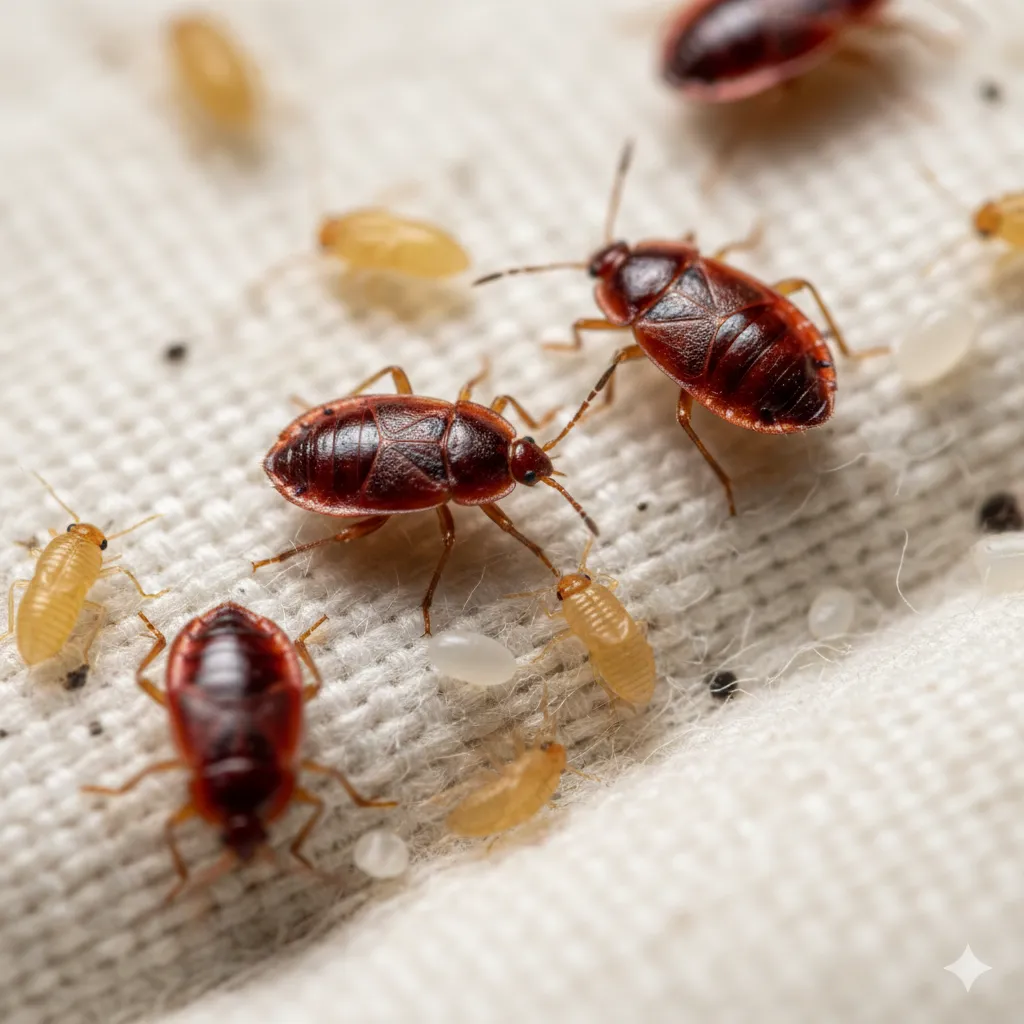
Identifying bed bugs early is key to stopping an infestation before it spreads. While they change appearance depending on their life stage and when they last fed, here is what you should look for:
- Shape and Size: Adult bed bugs are roughly the size of an apple seed (about 5–7 mm). They have flat, oval-shaped bodies when “fasting,” but they become elongated and cylindrical—resembling a tiny torpedo—after a blood meal.
- Color: They are typically a reddish-brown or mahogany color. Nymphs (juveniles) are smaller and nearly translucent or pale yellow, making them much harder to spot unless they have recently fed.
- Key Features: Despite being insects, they do not have wings and cannot fly or jump. They have six legs, two antennae, and distinct horizontal ridges across their abdomens.
- The “Engorged” Look: After feeding, a bed bug’s color shifts from brown to a bright, bloated crimson, and its body expands significantly in length.
The Fastest Effective Method: Heat + Isolation
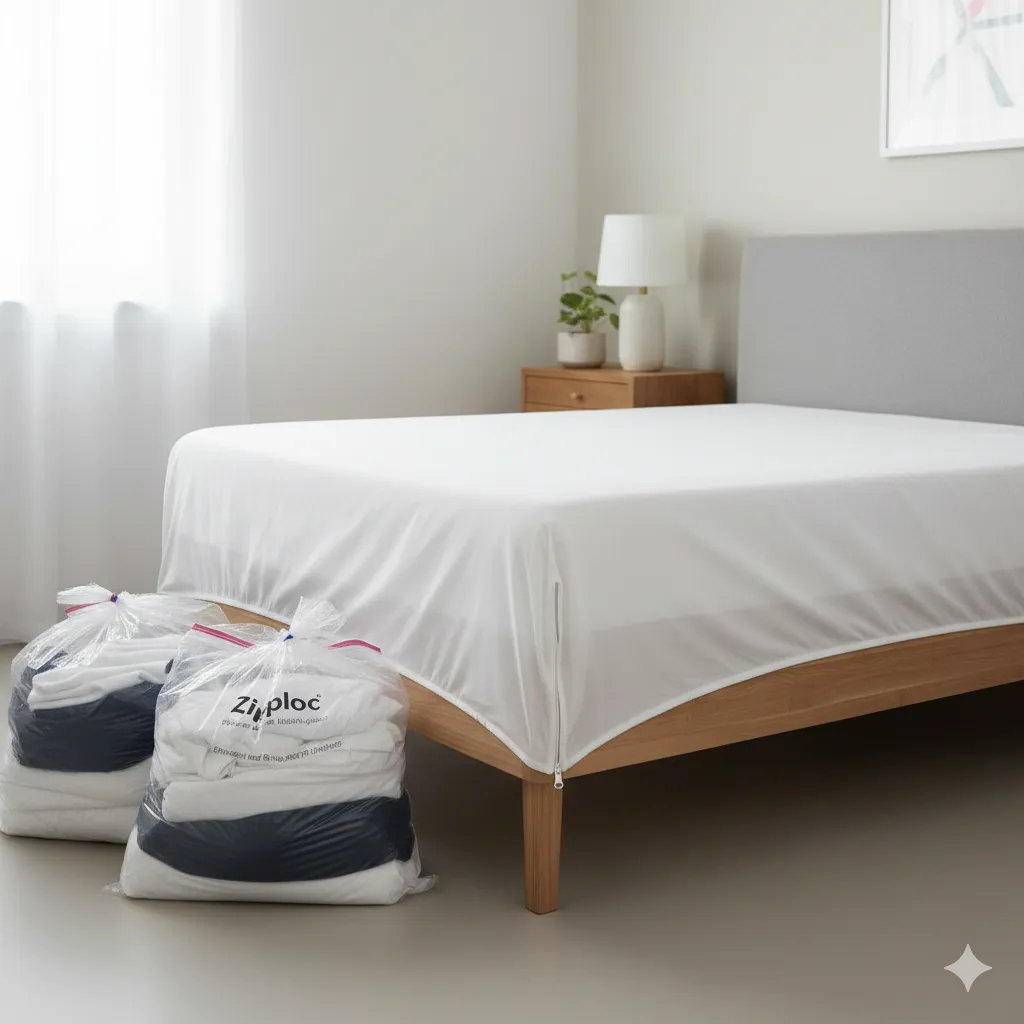
If you want them dead today, heat is your only friend. Bed bugs have spent decades building up resistance to chemicals, but they have zero resistance to heat.
1. The Dryer is Your Best Tool
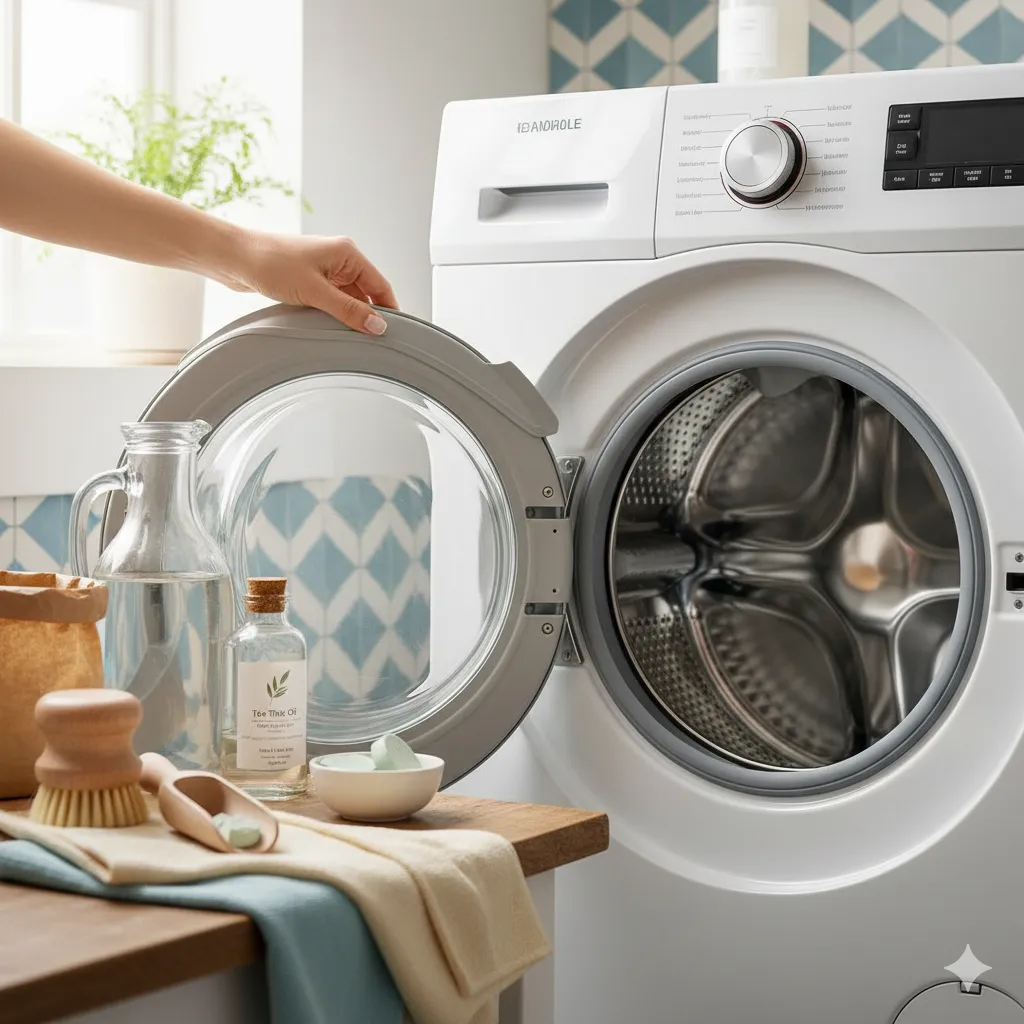
Don’t worry about the washing machine. It’s the high-heat dryer cycle that kills them. Take every scrap of fabric—sheets, pillowcases, the clothes at the bottom of the closet—and run them on high heat for at least 40 minutes.
- Expert Tip: Once they come out of the dryer, seal them in heavy-duty Ziploc bags or plastic bins. Do not put them back in your dresser until the room is clear.
2. The “Island” Strategy
You need to make your bed an island that they can’t reach.
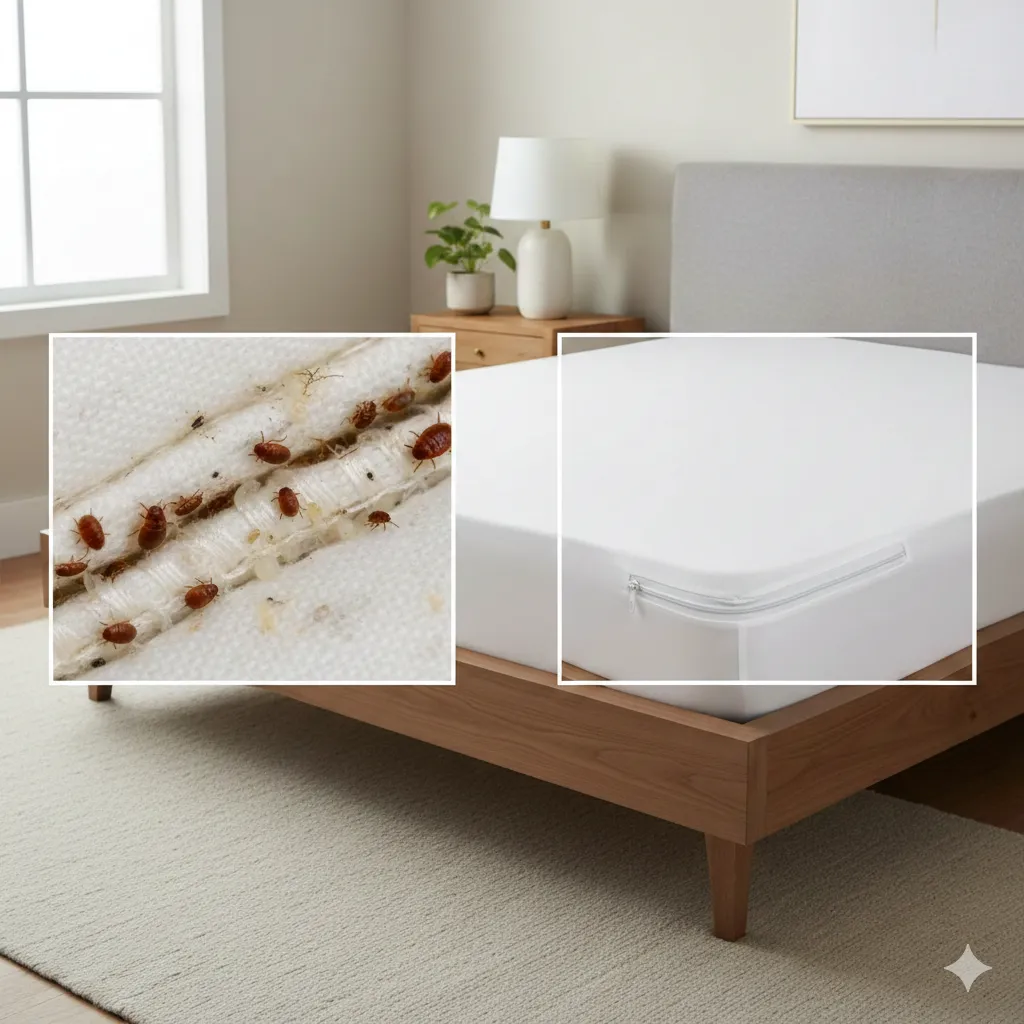
- Encase everything: Buy a bed-bug-proof mattress cover. It seals the bugs already inside so they can’t bite you, and it makes the surface of the mattress smooth so new ones have nowhere to hide.
- Interceptor Cups: Buy “Interceptors” for the feet of your bed. They look like little plastic moats. The bugs try to climb up to get to you, fall in, and get stuck. If the bed isn’t touching the wall and the sheets aren’t touching the floor, they literally cannot get to you.
Plan B: Chemical Treatments (What Actually Works)
Forget the “All-Natural” sprays at the grocery store. Most of those are just expensive scented water. If you’re going the DIY chemical route, you need two things:
- A Residual Spray: Look for something like Crossfire or Temprid FX. These don’t just kill on contact; they stay active on the surface for weeks. When a bug crawls over it, they’re toast.
- Dust (The Long Game): CimeXa is the gold standard. It’s a silica dust. It’s not a poison; it works by physically drying the bug out. It’s like us walking across a desert made of broken glass. Lightly—and I mean lightly—dust it into your baseboards and bed frame.
What NOT to Do (The “Don’t Make It Worse” List)
This is where most people fail and end up with a six-month infestation.
- STOP the Bug Bombs: I cannot stress this enough. Total release foggers do not reach into cracks. They just coat your TV and counters in poison while the bugs retreat deeper into your walls. You will end up spreading the bugs to your kitchen and living room.
- Don’t Throw Your Bed Away: I’ve seen people drag infested mattresses through their hallways, dropping bugs and eggs every step of the way. You just infested the whole house. Keep the mattress, encase it, and treat it.
- Don’t Sleep on the Couch: If you move, they move. They can “smell” your breath (the $CO_2$) from 30 feet away. If you move to the couch, they will follow you, and then you’ll have a couch infestation too. Stay in your “island” bed.
DIY Bed Bug Removal Tactics That Actually Help
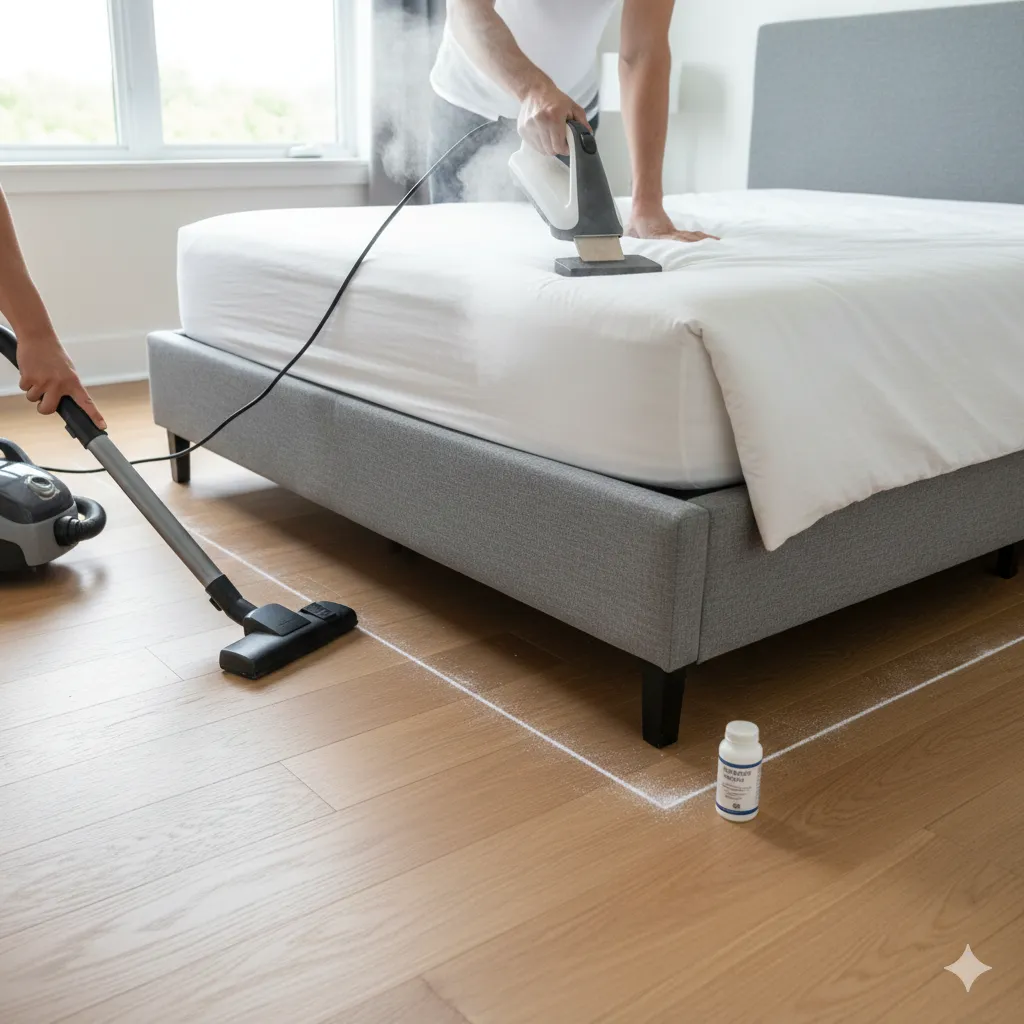
- Steam is King: If you have a clothes steamer, use it. Slow, methodical steaming of your headboard and baseboards kills eggs instantly. Chemical sprays often miss eggs; heat never does.
- Vacuum Like a Maniac: Every single day. Use the crevice tool for the baseboards. When you’re done, take the vacuum outside, empty it into a bag, seal it, and throw it in the bin.
When to Call a Professional
I’m a big fan of DIY, but sometimes you’re outmatched. Call a pro if:
- You live in an apartment: If you have them, your neighbors probably do too. If you don’t treat the whole building, they’ll just keep coming back through the outlets.
- You’re overwhelmed: If you’ve spent $200 on sprays and you’re still getting bitten after two weeks, call a pest control operator (PCO) who offers a Heat Treatment. It’s expensive, but it’s a “one and done” solution.
My Recommended Action Plan (Minimal Panic Version)
- Strip the bed and dry all linens on high heat.
- Vacuum the mattress, the frame, and the floor.
- Encase the mattress and box spring.
- Install Interceptors on the bed legs and pull the bed 6 inches away from the wall.
- Apply CimeXa dust to the perimeter of the room.
- Sleep in your own bed. You are now the “bait” for a trap that they can’t actually reach.
Preventing a Sequel
- Travel Rules: When you get home from a trip, your suitcase stays in the garage or the bathtub. Everything goes straight into the dryer.
- Used Furniture: Be ruthless. Inspect every inch of that “vintage” chair before it enters your home.
- Seal the Entryways: Use a bit of caulk to seal the gaps around your baseboards. It removes their “highways” between rooms.
FAQs
Q: Can my dog get them?
A: They don’t live on pets like fleas do. They might hitch a ride on a dog’s bed, but they want human blood, not fur.
Q: Will they die if I just leave the house for a month?
A: Nope. These monsters can go into a semi-dormant state and live for months without a meal. You can’t starve them out.
Q: Does lavender or peppermint oil work?
A: To be honest? No. It might make your room smell nice, but a hungry bed bug will walk right through it to get to you.
Wrap-Up
You are going to get through this. It’s a process, not a single event. Focus on isolating your bed first so you can actually get some sleep—everything is easier to handle when you aren’t exhausted.
Would you like me to help you figure out which specific spray or steamer is best for your budget?