A backyard scavenger hunt is one of the easiest ways to keep kids entertained while encouraging them to explore, think, and move around outdoors. Whether you’re planning a birthday party, a weekend activity, or just looking for something fun to do outside, a scavenger hunt can turn an ordinary backyard into an exciting adventure.
The best part is that you don’t need expensive supplies or complicated planning. With a little creativity and a few simple items, you can create a memorable scavenger hunt that kids will absolutely love.
In this guide, you’ll learn exactly how to make a backyard scavenger hunt for kids step by step.
Why Kids Love Backyard Scavenger Hunts
Scavenger hunts are exciting because they combine exploration, puzzles, and a sense of adventure. Kids enjoy searching for hidden items and solving clues that lead them to the next location.
Some benefits include:
- Encourages outdoor play
- Builds problem-solving skills
- Promotes teamwork and cooperation
- Keeps kids active and engaged
- Works for many age groups
It’s also a great activity for family gatherings, playdates, or small parties.
What You’ll Need
Before starting your scavenger hunt, gather a few simple materials.
- Paper for clues or item lists
- Pens or markers
- Small prizes or treats (optional)
- Basket or bag for collecting items
- Tape or clips for hiding clues
- A printed scavenger hunt checklist (optional)
Most of these items are things you likely already have at home.
Step-by-Step: How to Make a Backyard Scavenger Hunt for Kids
Step 1: Choose the Type of Scavenger Hunt
First decide what style of scavenger hunt you want to create.
Popular options include:
- Item hunt: Kids search for specific objects
- Clue hunt: Each clue leads to the next location
- Nature hunt: Kids collect natural items like leaves or stones
- Photo hunt: Kids take pictures of things they find
For younger children, simple item hunts work best. Older kids usually enjoy solving clues.
Step 2: Make a List of Items to Find
Create a list of objects kids must search for in the backyard.
Examples include:
- A green leaf
- A small stick
- A smooth rock
- Something yellow
- A flower
- A feather
- A pinecone
- A bug or butterfly
- Something shaped like a circle
- A piece of grass longer than your finger
You can adjust the difficulty based on the children’s ages.
Step 3: Hide Clues or Objects Around the Yard
Next, place items or clues in different spots around the backyard.
Some good hiding places include:
- Under a flower pot
- Near a tree
- On a garden bench
- Behind outdoor toys
- Under a rock
- Near a fence
Make sure everything is visible enough for kids to find without frustration.
Step 4: Write Simple Clues
If you are doing a clue-based hunt, write hints that guide kids to the next location.
Examples:
- “Look where birds like to sit.” (tree branch)
- “You’ll find the next clue where flowers grow.” (garden bed)
- “Check the place where we sit outside.” (patio chair)
Keep clues simple so kids can solve them easily.
Step 5: Set Rules for the Game
Before starting the hunt, explain a few simple rules.
For example:
- Stay within the backyard area
- Work together if playing in teams
- Do not move objects that aren’t part of the hunt
- Bring items back to the starting point
Clear rules help the game run smoothly.
Step 6: Add a Prize at the End
A small reward makes the scavenger hunt even more exciting.
Prize ideas include:
- Stickers
- Small toys
- Candy or snacks
- Coloring books
- Certificates for completing the hunt
You can place the prize at the final clue location or give it after all items are found.
Backyard Scavenger Hunt Ideas
If you want to make the hunt more creative, try one of these fun themes.
Nature Scavenger Hunt
Kids search for natural objects such as:
- Leaves of different shapes
- Pinecones
- Flower petals
- Small stones
- Bird feathers
This is great for teaching kids about nature.
Color Scavenger Hunt
Ask kids to find objects that match specific colors.
Example list:
- Something red
- Something blue
- Something green
- Something yellow
This works especially well for younger children.
Alphabet Scavenger Hunt
Kids find items that start with different letters.
For example:
- B: Bird
- L: Leaf
- S: Stick
It turns the hunt into a fun learning activity.
Photo Scavenger Hunt
Instead of collecting items, kids take photos with a phone or camera of things they find.
Example tasks:
- Take a photo of a flower
- Take a picture next to a tree
- Take a photo of something round
This option works great for older kids.
Quick Fixes for Common Problems
| Problem | Step-by-Step Solution | Alternative Option |
|---|---|---|
| Kids can’t find an item | Give a small hint about the location | Move the item somewhere more visible |
| Hunt ends too quickly | Add extra clues or bonus items to find | Turn it into a timed challenge |
| Younger kids lose interest | Use fewer items and simpler clues | Turn it into a team activity |
| Kids argue during the hunt | Divide them into teams with shared goals | Assign an adult helper for each group |
| Kids run outside the play area | Set clear boundaries before starting | Mark the play area with cones or tape |
Tips to Make the Hunt More Exciting
A few small touches can make the scavenger hunt even more memorable.
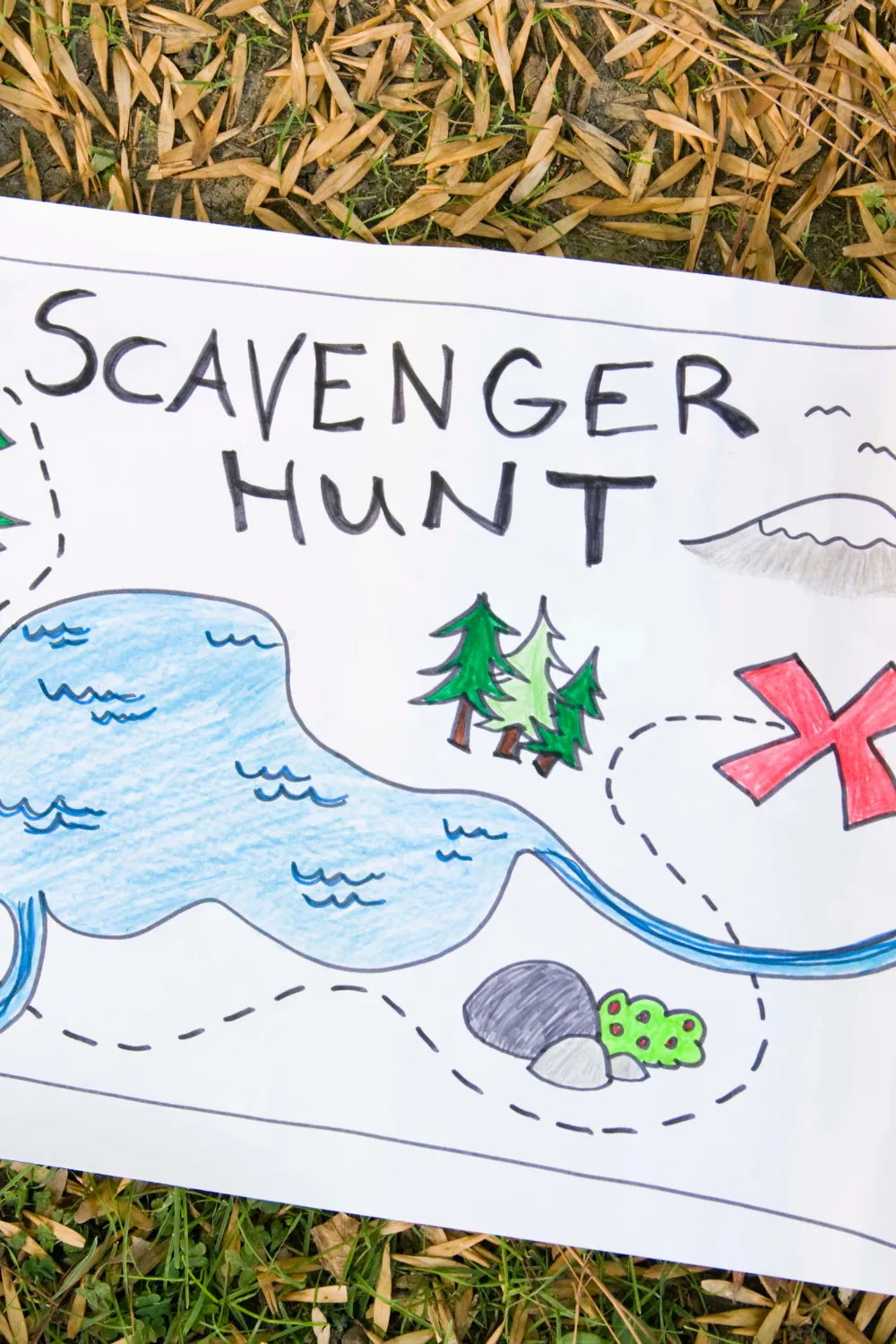
- Create a simple treasure map
- Use colorful envelopes for clues
- Add riddles or puzzles for older kids
- Include a “treasure chest” at the end
- Let kids design the next scavenger hunt themselves
You can also combine multiple types of hunts for longer activities.
Frequently Asked Questions
How long should a backyard scavenger hunt last?
Most hunts last between 20 and 40 minutes depending on the number of clues and items.
What age is best for a scavenger hunt?
Kids as young as 3 can enjoy simple hunts, while older children can solve clues and riddles.
How many items should be in a scavenger hunt?
For younger kids, 5–8 items work well. Older kids can handle 10–15 items.
Can scavenger hunts be played with teams?
Yes. Dividing kids into teams can make the game more exciting and encourage teamwork.
Final Thoughts
Learning how to make a backyard scavenger hunt for kids is a simple way to create hours of fun with minimal preparation. With a few clues, some hidden items, and a little creativity, your backyard can quickly become an exciting adventure zone.
Once you try it, you’ll see how easily scavenger hunts can become a favorite outdoor activity for kids of all ages. You can even change the themes and clues each time to keep the experience fresh and exciting.