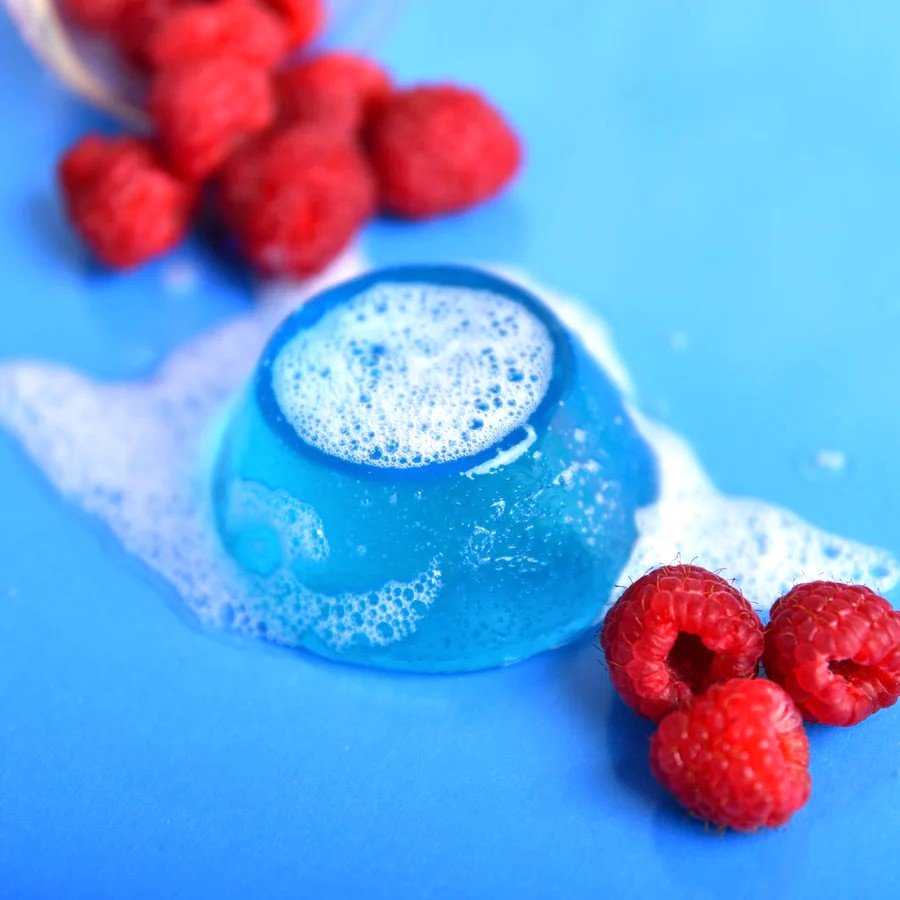
Jelly soap is one of those projects that looks like it requires some kind of specialized knowledge but actually doesn’t. The ingredient list is short, the process takes about 20 minutes of active work, and the result is a wobbly, translucent soap that kids go nuts over and adults find oddly satisfying to use. It lathers well, rinses clean, and holds fragrance better than most bar soaps.
The basic formula is the same across most recipes: a gelling agent, liquid soap, water, and whatever fragrance or color you want. Get the ratios right and it sets up perfectly. Get them wrong and you end up with either a puddle or a rubber hockey puck. This guide covers both so you don’t have to learn it the hard way.
What You’ll Need
The gelling agent — carrageenan or gelatin: This is the ingredient that makes jelly soap actually jelly. You have two main options.
Carrageenan (also called carrageenan powder or Irish moss extract) is what most professional and hobbyist jelly soap makers use. It’s derived from seaweed, it’s vegan, and it produces a firmer, smoother gel that doesn’t melt at room temperature the way gelatin can in a warm bathroom. It’s available on Amazon or at soap-making supply stores.
Unflavored gelatin (like Knox) works and is easier to find at any grocery store. The downside is that it softens in warm water and can get slightly slimy in a humid bathroom over time. Fine for a first attempt or a one-off batch—less ideal if you’re making these to give as gifts or sell.
Everything else:
- Liquid castile soap or liquid body wash — Dr. Bronner’s unscented castile soap is the standard choice; it’s gentle, lathers well, and doesn’t fight with added fragrance
- Water
- Fragrance oil or essential oil — fragrance oils hold scent longer; essential oils are more natural but some (especially citrus) fade fast
- Soap-safe colorant or a few drops of food coloring — food coloring works fine for home use, though it can fade over time
- Silicone molds — any shape works; silicone makes unmolding easy; avoid metal molds, the soap can react with some metals
- A small saucepan
- A whisk
- A thermometer (helpful but not required)
Basic Jelly Soap Recipe
This makes roughly 6–8 small soaps depending on your mold size.
- 1 cup water
- 1 tablespoon carrageenan powder (or 2 packets unflavored gelatin)
- ½ cup liquid castile soap
- 1 teaspoon fragrance or essential oil
- Colorant as desired
Step-by-Step: How to Make Jelly Soap
Step 1: Bloom the gelling agent. If you’re using gelatin, sprinkle it over 2 tablespoons of cold water in a small bowl and let it sit for 5 minutes to absorb the liquid and soften. This is called blooming and it prevents lumps. If you’re using carrageenan, you can skip straight to the next step—carrageenan disperses directly into hot liquid without blooming.
Step 2: Heat the water. Pour 1 cup of water into your saucepan and heat over medium until it reaches about 175–185°F. You want it hot but not boiling—a hard boil creates bubbles that carry over into the soap and leave you with a foamy, bubbly texture instead of a clear gel. If you don’t have a thermometer, aim for just below a simmer: steam rising, small bubbles forming on the bottom of the pan but not breaking the surface.
Step 3: Dissolve the gelling agent. If using carrageenan, whisk it directly into the hot water and stir continuously for 2–3 minutes until fully dissolved. If using bloomed gelatin, add it to the hot water and stir until completely dissolved—this takes about a minute. The liquid should be clear or very slightly hazy. If you see undissolved granules, keep stirring.
Step 4: Let it cool slightly before adding the soap. This is the step most people skip and then wonder why their soap is full of bubbles. Liquid soap foams when agitated, and adding it to boiling-hot water makes it foam even more aggressively. Let the mixture cool to around 130–140°F (or just until it stops steaming heavily) before moving to the next step.
Step 5: Add the liquid soap slowly. Pour the castile soap in slowly and stir gently—not whisking, just slow folding stirs. The goal is to incorporate it without whipping air into the mixture. A few small bubbles are fine. A head of foam means you stirred too fast; let it settle before pouring into molds.
Step 6: Add fragrance and color. Stir in your fragrance oil or essential oil first, then add colorant a drop at a time until you reach the color you want. Stir gently after each addition. If you’re making multiple colors from one batch, work quickly—the mixture starts setting as it cools and you have a limited window before it gets too thick to pour cleanly.
Step 7: Pour into molds. Pour the mixture into silicone molds slowly and steadily to minimize bubbles. If bubbles form on the surface, let them settle for a minute—most will pop on their own. You can also spritz the surface very lightly with rubbing alcohol to pop surface bubbles, the same trick used in resin casting.
Step 8: Let it set. Leave the molds at room temperature for at least 2 hours, or refrigerate for 30–45 minutes if you want to speed it up. Don’t freeze them—freezing causes the gel structure to break down and the soap will weep liquid when it thaws. The soap is set when it’s firm to the touch and no longer jiggles when you tap the mold.
Step 9: Unmold and use. Pop them out of the silicone molds. They should release easily. If one sticks, flex the mold gently rather than pulling—silicone will release without tearing if you work it slowly.
Here’s the Real Reason Your Jelly Soap Isn’t Setting
If your batch came out as a puddle or a sticky mess that won’t firm up, one of three things happened:
You used too little gelling agent. The ratio matters. Too little carrageenan and the gel is too weak to hold its shape—especially in a warm bathroom. If your soaps are setting up in the fridge but going soft at room temperature, increase the carrageenan by half a teaspoon on your next batch.
You added the soap too hot. High heat breaks down some of the gel’s setting ability. Let the mixture cool more before adding the liquid soap.
The soap-to-water ratio was off. Too much liquid soap relative to water weakens the gel. Stick to the ratio in the recipe until you understand how the formula behaves, then adjust from there.
If it came out too firm and rubbery, you used too much gelling agent. Cut back by half a teaspoon next batch.
Variations Worth Trying
Exfoliating jelly soap: Stir in a tablespoon of fine sea salt, sugar, or poppy seeds just before pouring into molds. The particles suspend in the gel and provide light exfoliation. Don’t use anything too coarse—it’ll scratch rather than exfoliate.
Layered colors: Pour one color, let it set for 20–30 minutes until the top is just firm (still slightly tacky), then pour the second color on top. If the first layer is fully set, the layers won’t bond and will separate when you use the soap.
Glitter jelly soap: Use cosmetic-grade glitter only—not craft glitter, which is made of plastic and shouldn’t go on skin. Stir it in just before pouring so it distributes evenly before the gel sets.
Embeds: Small waterproof items—plastic toy figurines, dried flower petals—can be pressed into the mold before pouring. Kids love finding a small toy inside as the soap wears down. Make sure anything you embed is fully waterproof and non-toxic.
Foaming jelly soap: Swap the castile soap for foaming hand soap base. The result is lighter and bubbles more readily, though the gel is slightly less firm.
Storing Jelly Soap
Jelly soap contains water, which means it can grow mold or bacteria over time—especially if you made it without a preservative, which most home recipes don’t include.
For home use: store unused soaps in an airtight container in the fridge and use within 3–4 weeks. Keep the soap you’re actively using on a draining soap dish so it’s not sitting in water between uses. A soap that sits in a puddle on the edge of the tub will get slimy and deteriorate fast.
For gifting or selling: add a broad-spectrum preservative like Optiphen or Liquid Germall Plus at 0.5–1% of your total batch weight. Without a preservative, gifted soaps have a short shelf life and you’d need to tell recipients to refrigerate them.
FAQ
Is jelly soap safe for kids? Yes, if you use skin-safe ingredients. Castile soap is gentle, and fragrance oils or essential oils used at the recommended skin-safe rates are fine. Avoid high concentrations of essential oils on young children’s skin—1% or less of the total batch weight is a safe rate for kids’ products.
Why does my jelly soap smell faint after a few days? Fragrance fades in water-based products faster than in oil-based ones. Use fragrance oils rather than essential oils (they hold better), and make sure you’re adding enough—around 1 teaspoon per cup of water is a reasonable starting point. Some fragrances just don’t hold well in this format regardless of how much you use.
Can I use agar agar instead of carrageenan or gelatin? Yes. Agar agar is another seaweed-derived gelling agent that works similarly to carrageenan. It sets firmer and at a higher temperature, so the soap will hold its shape better in warm conditions. Use about the same ratio as carrageenan and dissolve it the same way.
Can I make jelly soap without castile soap? You can substitute any liquid body wash or shampoo, but results vary. Castile soap is predictable and relatively neutral—some body washes contain ingredients that interfere with the gelling process or cause the mixture to foam too aggressively. If you substitute, use an unfragranced, simple formula.
How long does jelly soap last without a preservative? About 3–4 weeks refrigerated, less at room temperature. The water content creates the shelf-life problem. If you want a longer shelf life, add a preservative.
Wrapping Up
Jelly soap is genuinely one of the more forgiving DIY soap projects—no lye, no dangerous chemistry, no curing time. The variables that actually matter are the gelling agent ratio, the temperature when you add the soap, and how gently you stir. Nail those three things and the rest is just customization. Make a small test batch first to understand how your specific ingredients behave, then scale up once you know what to expect.
Enjoyed this project? Get even more DIY ideas that save (and make) you money.
Join our free newsletter for profitable DIY projects, clever cleaning hacks, home ideas, and creative crafts delivered straight to your inbox.
✓ Free forever • No spam • Unsubscribe anytime