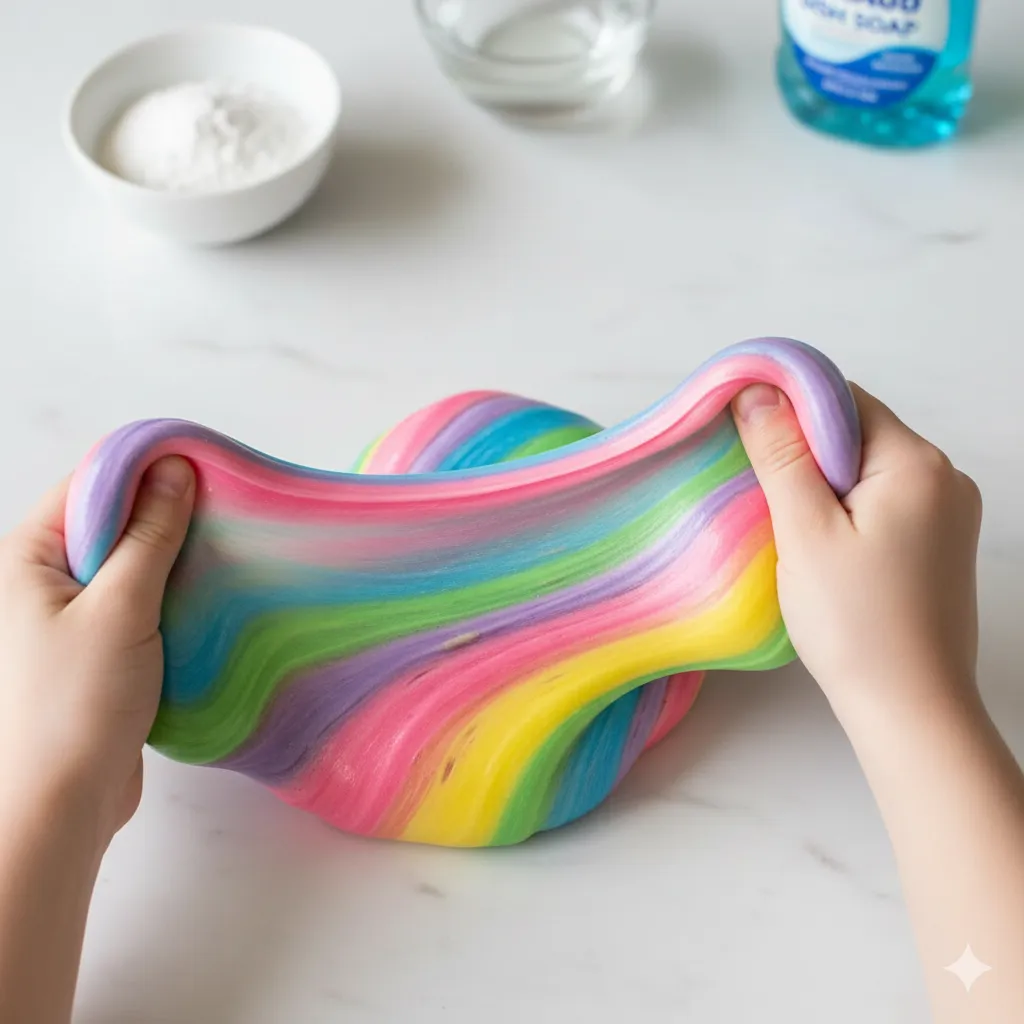
Parents everywhere share this nightmare. You want to be the “fun” adult, but you also don’t want to turn your dining room table into a hazardous waste site. Borax can be harsh on sensitive skin, and glue is basically a permanent commitment to your carpet. It feels like a lose-lose situation, doesn’t it?
Luckily, you can skip the pharmacy aisle and the hardware store entirely. This article walks you through the best ways to create that satisfying squish using stuff you already have in your pantry. Whether you need a quick sensory activity for a toddler or a boredom buster for a restless ten-year-old, these recipes actually work.
Watch this easy tutorial to learn how to make slime without borax and glue:
How to Make Slime Without Borax and Glue: Step-by-Step Instructions
Now we get to the good stuff. These are my three go-to methods that have survived the “nephew test” multiple times. Follow this how to make slime without borax and glue tutorial closely for the best results.
Method 1: Shampoo + Cornstarch Slime
This is the “OG” of glue-free recipes. It creates a texture that is a cross between playdough and slime—sometimes called “cloud dough.”
- Ingredients: 1/2 cup thick shampoo (the thicker, the better), 2 cups cornstarch, 1/4 cup water, food coloring.
- Step 1: Pour the shampoo into a bowl and add your food coloring.
- Step 2: Add the cornstarch and stir. It will look like a dry, crumbly mess at first. Don’t panic.
- Step 3: Add the water one tablespoon at a time while kneading with your hands.
- Step 4: Keep kneading until it reaches a smooth, doughy consistency.
This slime is incredibly soft. It’s the kind of thing you can’t stop squishing while you’re watching a movie. It won’t give you a massive stretch, but it’s the most mess-free version on this list.
Method 2: Dish Soap Slime
If you want something a bit more translucent and “jiggly,” dish soap is your hero. This one feels more like the stuff you’d buy at a toy store.
- Ingredients: 2 tablespoons dish soap (Dawn works great), 2 tablespoons cornstarch (add more as needed).
- Step 1: Mix the soap and cornstarch in a small bowl.
- Step 2: Stir for about a minute until it starts to thicken.
- Step 3: If it’s too runny, add a pinch more cornstarch.
- Step 4: Let it sit for 5 minutes. This is the secret step—it needs time to “set.”
This version is great because it’s fast. You can make it in about three minutes when the “I’m bored” whines start getting too loud.
Method 3: Yogurt or Conditioner Slime
I love this for sensory play because it smells amazing and has a very unique, silky texture. It’s also the safest option for little kids.
- Ingredients: 1 cup hair conditioner or plain yogurt, 2 cups cornstarch.
- Step 1: Put your base (conditioner or yogurt) in the bowl.
- Step 2: Slowly fold in the cornstarch.
- Step 3: Knead until it stops being sticky and starts being stretchy.
- Step 4: If you used yogurt, keep it in the fridge when not in use!
If you use conditioner, this slime is super stretchy. If you use yogurt, it’s a bit more “melty.” Both are great for kids who love to get their hands dirty.
Slime-Making Hacks That Actually Work (No Meltdowns)
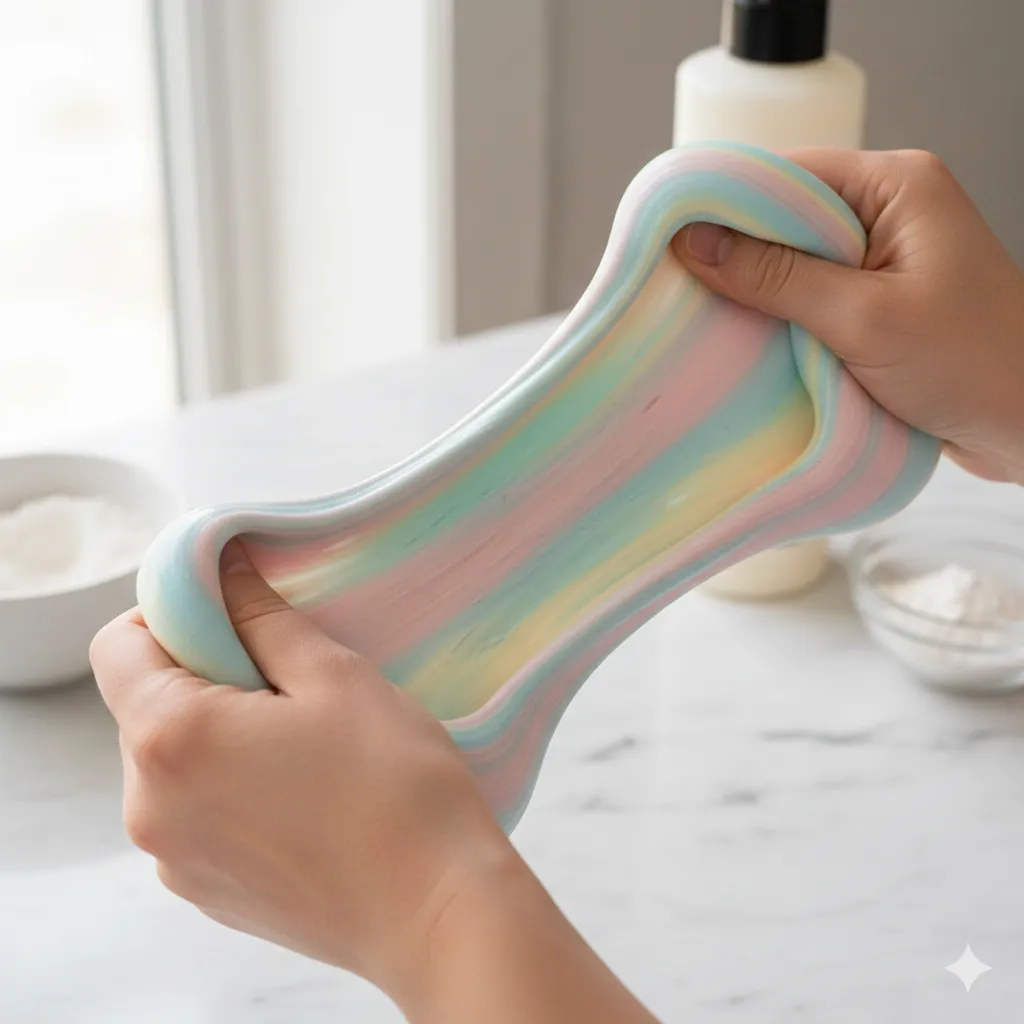
I have seen many “slime-tastrophes” in my day. Most of them happen because people get impatient. If you want to know how to make slime without borax and glue easy, you have to embrace the slow-and-steady approach.
The Mixing Order Matters
Never dump all your ingredients into a bowl at once. It’s the fastest way to create a lumpy, unfixable soup. Start with your liquid base (shampoo or soap), and then add your thickener one tablespoon at a time.
I always tell people to use a sturdy spoon for the first few minutes. Once the mixture starts to pull away from the sides of the bowl, that’s your cue. Put the spoon down and use your hands. The heat from your palms actually helps the ingredients bond better than a cold utensil ever could.
Texture Control Trick
Is your slime sticking to everything it touches? FYI, a tiny drop of baby oil or vegetable oil on your hands can prevent this. It creates a barrier so the slime stays in a ball instead of becoming a new part of your skin. 🙂
If your slime is too stiff, don’t throw it out. Add a few drops of warm water and knead it vigorously. It’s like a workout for your forearms, but it saves the batch every single time.
Color + Add-Ins Without Ruining It
We all want that galaxy-purple or neon-green look. However, food coloring is potent stuff. If you add it at the end, you’ll end up with dyed hands for a week. Always mix your color into the liquid base before you add the powders.
When it comes to glitter or beads, less is more. If you overload a glue-free slime with heavy beads, the structure will collapse. Stick to fine glitter or small foam balls if you want that “crunchy” sound.
Slime for Small Kids (Parent-Approved Version)
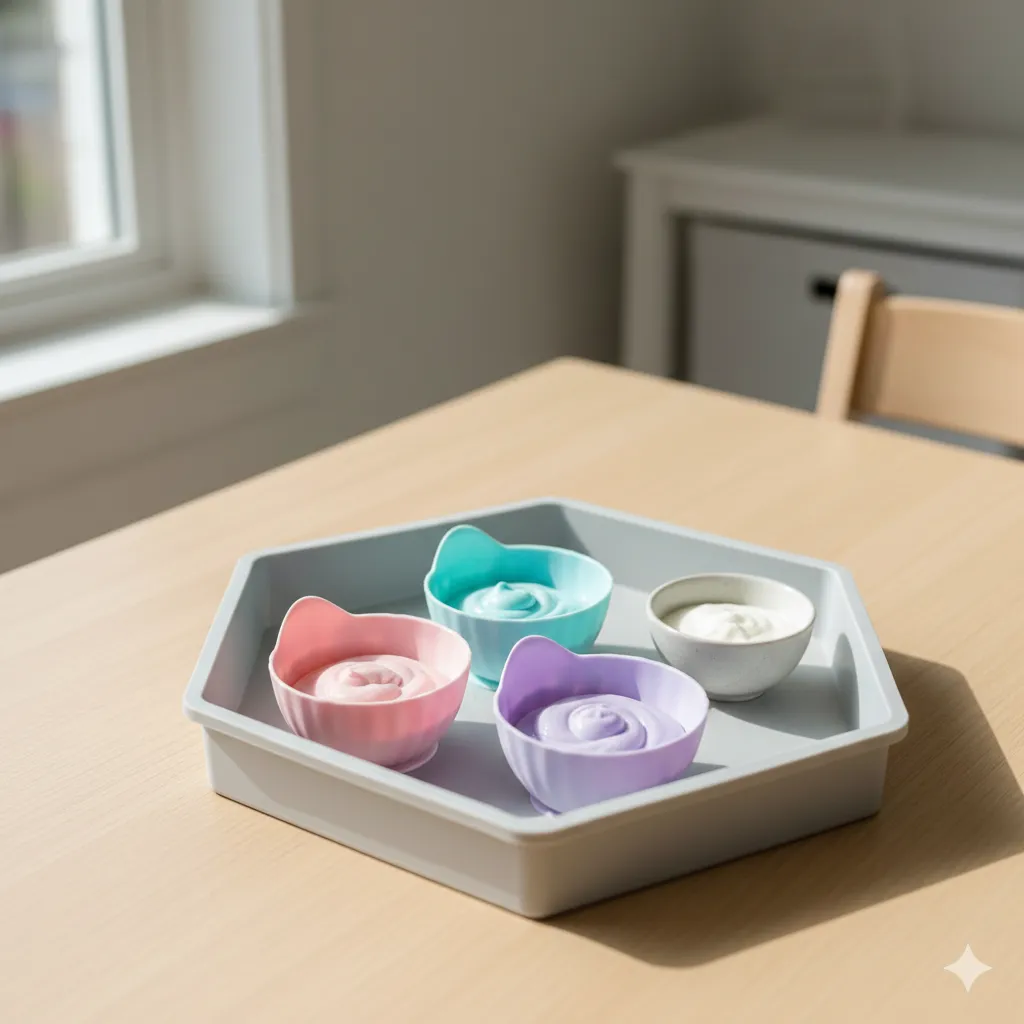
Let’s be real: slime is usually a parental sacrifice. But knowing how to make slime without borax and glue for kids makes the whole ordeal much more manageable. You aren’t worrying about chemical burns or ruined furniture.
For kids under five, stick to the yogurt or cornstarch/water (Oobleck) methods. They are essentially food-grade. For older kids, let them experiment with the shampoo and dish soap versions. It’s a great way to teach them about measurements and patience.
Supervision and Setup
Even though these are “safe,” they are still messy. I highly recommend a “tray-only” rule. Use a rimmed baking sheet or a plastic bin to contain the slime. This prevents the “slop” from migrating to the floor.
IMO, the best part of these recipes is that they are basically soap. If it gets on a shirt, you just throw it in the wash. No more soaking clothes in vinegar to get the glue out. 🙂
Safety Tip: Ingredient Check
Always check for allergies. If your kid has sensitive skin, steer clear of heavily scented shampoos or dish soaps. Also, remind them that “safe” doesn’t mean “tasty.” Yogurt slime might look like a snack, but with all that cornstarch, it tastes like chalk.
Common Slime Problems and Fast Fixes
| Problem | Fast Fix |
| Too runny | Add cornstarch a teaspoon at a time |
| Too sticky | Chill it or knead with dry hands |
| Won’t stretch | Add a few drops of warm water |
| Dried out | Seal and rest overnight with a damp paper towel |
How to Make Your Slime Extra Fun
If you want to take your no-borax slime to the next level, you have to get creative. Once you’ve mastered the basics of how to make slime without borax and glue at home, try these upgrades:
- Scented Bliss: Add a drop of vanilla or peppermint extract. It covers up the “soap” smell and makes the sensory experience even better.
- Color Swirls: Instead of mixing the color fully, add a drop of food coloring at the very end and fold the slime over once or twice. It creates a beautiful marble effect.
- Storage Hacks: These slimes dry out faster than glue-based ones. Keep them in an airtight container or a Ziploc bag. If you used the yogurt method, it must go in the fridge or it will go bad in a day.
- The “Fail” Pivot: If a batch just won’t come together, don’t toss it. Add more cornstarch until it becomes “sensory dough.” It’s still fun to poke and mold, even if it doesn’t stretch.
FAQs
Can you really make slime without borax and glue?
Absolutely. While the texture is different—more like a soft dough or a thick gel—it provides the same sensory satisfaction without the harsh chemicals or the permanent mess.
What’s the safest slime for toddlers?
The yogurt and cornstarch recipe is the gold standard for toddlers. It’s non-toxic and has a very soft, soothing texture that is perfect for small hands.
How long does no-borax slime last?
Generally, these last about 2–4 days if stored correctly. Since they don’t have preservatives, they eventually dry out or lose their stretch. When it starts to smell “off” or gets crumbly, it’s time to toss it.
Closing Thoughts
Slime doesn’t have to be a high-stakes science experiment that ends in a ruined carpet. By using simple ingredients like shampoo, dish soap, and cornstarch, you can create a safe and engaging toy in minutes. Is it going to be exactly like the stuff in the neon canisters at the store? Maybe not. But it’s cheaper, safer, and much easier to clean up.
The best part of this process is the trial and error. Let your kids experiment with the ratios. Let them see what happens when they add too much water. It’s a low-cost way to encourage creativity and scientific thinking.
Would you like me to create a printable recipe card for these three methods so you can keep them on your fridge?