Many people are interested in making soap at home but feel hesitant about using lye. Lye is commonly used in traditional soap making, but there are safe and simple ways to create homemade soap without handling lye yourself.
With the right method and ingredients, you can make beautiful, natural soap bars at home that are gentle on the skin and customizable with scents, colors, and natural additives.
In this guide, you’ll learn exactly how to make soap without lye using easy techniques that are perfect for beginners.
Can You Make Soap Without Lye?
Technically, all true soap requires lye at some stage of the process because lye is what transforms oils into soap through a chemical reaction called saponification.
However, you can absolutely make soap without handling lye directly by using a ready-made soap base. This method is called melt-and-pour soap making.
With melt-and-pour bases:
- The lye has already been used and neutralized.
- The soap base is safe to handle.
- You simply melt it, customize it, and pour it into molds.
This is the easiest and safest method for beginners.
What You’ll Need
To make homemade soap without lye, gather these ingredients and tools:
Ingredients
- Melt-and-pour soap base (glycerin, shea butter, or goat milk)
- Essential oils for fragrance
- Natural colorants or soap dyes
- Optional additives like oatmeal, dried flowers, or honey
Tools
- Microwave-safe bowl or double boiler
- Soap molds
- Spoon or spatula
- Spray bottle with rubbing alcohol (optional for removing bubbles)
Optional additions:
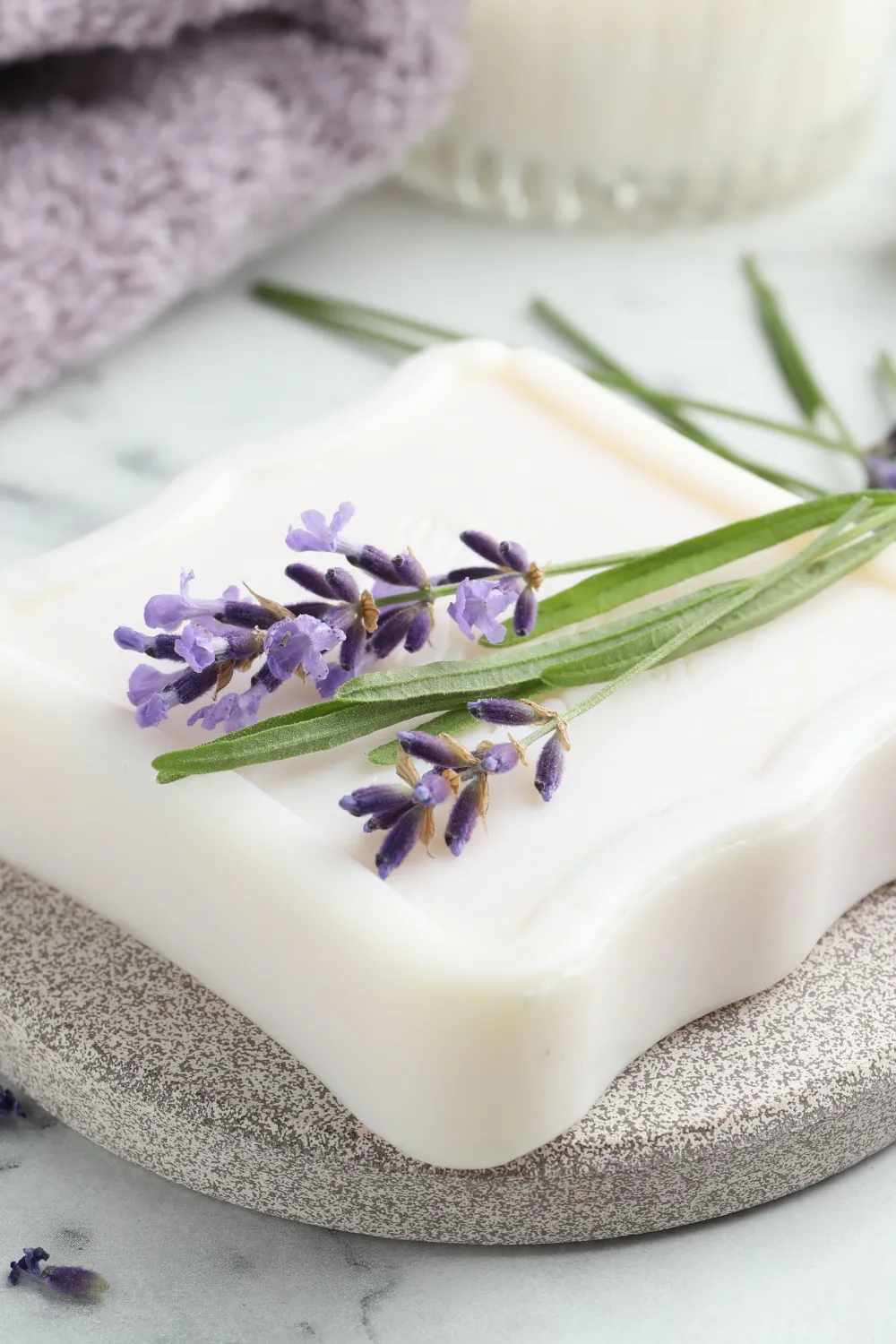
- Lavender buds
- Coffee grounds
- Activated charcoal
- Dried herbs
Step-by-Step: How to Make Soap Without Lye
Follow these simple steps to create homemade soap safely.
- Cut the soap base into cubes
Cut the melt-and-pour soap base into small cubes so it melts evenly. - Melt the soap base
Place the cubes in a microwave-safe bowl or double boiler. Heat in short intervals until completely melted. - Add fragrance or essential oils
Once melted, stir in a few drops of your favorite essential oil such as lavender, peppermint, or citrus. - Add color or natural ingredients
Mix in soap colorants or natural additives like oatmeal, herbs, or charcoal for texture and visual appeal. - Pour into molds
Carefully pour the melted soap mixture into silicone molds. - Remove air bubbles
Spray the top lightly with rubbing alcohol to eliminate bubbles if needed. - Allow the soap to cool
Let the soap sit at room temperature for about 1–2 hours until fully hardened. - Remove from molds
Once solid, gently remove the soap bars from the molds.
Your homemade soap is now ready to use or package as gifts.
How to Make Natural Soap Without Lye
If you want a more natural option, choose a natural melt-and-pour base such as:
- Shea butter soap base
- Olive oil soap base
- Coconut oil soap base
- Goat milk soap base
You can also add natural ingredients such as:
- Honey for moisturizing
- Oatmeal for gentle exfoliation
- Aloe vera for soothing skin
- Dried herbs for fragrance and texture
These ingredients help create a more natural and skin-friendly soap.
How to Make Goat Milk Soap Without Lye
Goat milk soap is popular because it is gentle and moisturizing.
To make goat milk soap without lye:
- Use a goat milk melt-and-pour soap base
- Melt the base using the method described above
- Add essential oils like lavender or vanilla
- Pour into molds and let it harden
Goat milk soap helps moisturize dry skin and creates a creamy lather.
How to Make Homemade Soap Without Lye for Beginners
For beginners, the easiest recipe includes only three ingredients:
- Melt-and-pour soap base
- Essential oil
- Soap mold
Simply melt, scent, pour, and cool. This simple method is perfect for first-time soap makers and children (with supervision).
Quick Fixes for Common Problems
| Problem | Step-by-Step Solution | Alternative Suggestion |
|---|---|---|
| Soap has bubbles | Spray the surface with rubbing alcohol | Pour soap slowly into molds |
| Soap not hardening | Allow more cooling time | Place molds in refrigerator briefly |
| Fragrance too weak | Add more essential oil | Use stronger fragrance oils |
| Soap sweating | Store in a dry environment | Wrap finished soap in plastic wrap |
| Soap cracks | Avoid overheating the soap base | Melt soap slowly in short intervals |
Tips for Better Homemade Soap
- Melt soap slowly to avoid burning.
- Use silicone molds for easier removal.
- Add fragrances after melting to preserve the scent.
- Avoid adding too many ingredients that could affect texture.
- Wrap finished soap to prevent moisture from forming on the surface.
FAQ
Can you make soap without lye?
You cannot create true soap from oils without lye, but you can make soap safely using a melt-and-pour base where the lye has already been used.
How to make soap from scratch without lye?
You can use a pre-made soap base and customize it with oils, colors, and natural ingredients.
How to make natural soap without lye?
Use natural melt-and-pour bases such as olive oil, shea butter, or goat milk soap bases and add natural ingredients like herbs or honey.
Is homemade soap without lye safe for skin?
Yes. Melt-and-pour soap bases are fully saponified, meaning the lye has already reacted and is no longer present.
How to make goat milk soap without lye?
Simply melt a goat milk soap base, add fragrance or additives, pour into molds, and allow it to harden.
Conclusion
Making soap without lye is simple, safe, and beginner friendly. By using a melt-and-pour soap base, you can skip the complex chemistry and still create beautiful homemade soap.
With just a few ingredients and a little creativity, you can make natural soap bars with your favorite scents, colors, and skin-loving ingredients. Whether you’re crafting for fun, gifts, or personal use, homemade soap is a rewarding DIY project that anyone can enjoy.