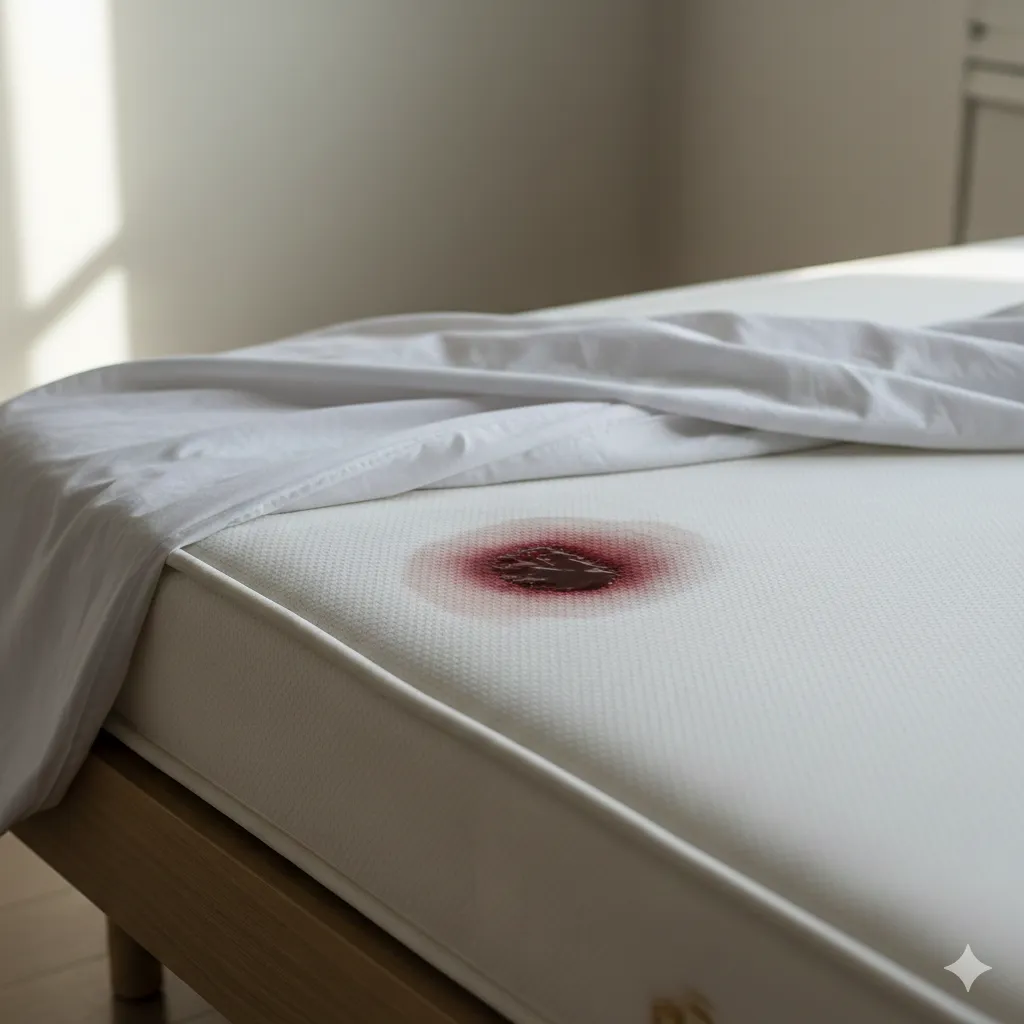
Waking up to a blood stain on your mattress—whether from a nosebleed, a scraped knee, or a surprise period—can feel like a minor disaster. Your first instinct might be to scrub like crazy, but mattresses are sensitive souls. Unlike a t-shirt you can toss in the wash, a mattress is a giant sponge; if you get it too wet, you’re traded a stain for a mold problem.
The good news? Blood stains are fixable. Whether the spot is fresh and bright or has been sitting there since last season, the right approach can lift the residue without ruining your bed.
To get started right away, watch this video on how to remove blood stains from a mattress:
What You’ll Need
Before you start, gather your “stain-fighting kit.” Using the right tools prevents the protein in the blood from bonding permanently to the fibers.
- Cold water (Never use hot; it “cooks” the protein into the fabric!)
- Baking soda
- Hydrogen peroxide (3% concentration)
- Enzyme cleaner (Great for organic stains)
- Clean microfiber cloths or towels
- Spray bottle
- Fan or an open window
How to Remove Old Blood Stains from Mattress
Old stains have had time to settle into the fibers, so they require a bit more patience. The goal here is to “re-activate” the stain without soaking the foam underneath.
- Moisten: Lightly mist the stained area with cold water using your spray bottle. Do not pour water directly on it.
- Treat: Apply an enzyme cleaner or a small amount of hydrogen peroxide. You’ll likely see the peroxide start to bubble—that’s a good sign! It’s working to break down the organic matter.
- Dwell Time: Let the solution sit for 10–15 minutes. Resist the urge to scrub.
- Blot: Use a clean, dry microfiber cloth to gently blot the area. You should see the color transferring from the mattress to the cloth.
- Dry: Let the area air dry completely. If the stain is still there once dry, repeat the process.
How to Remove Dried Blood Stains from Mattress
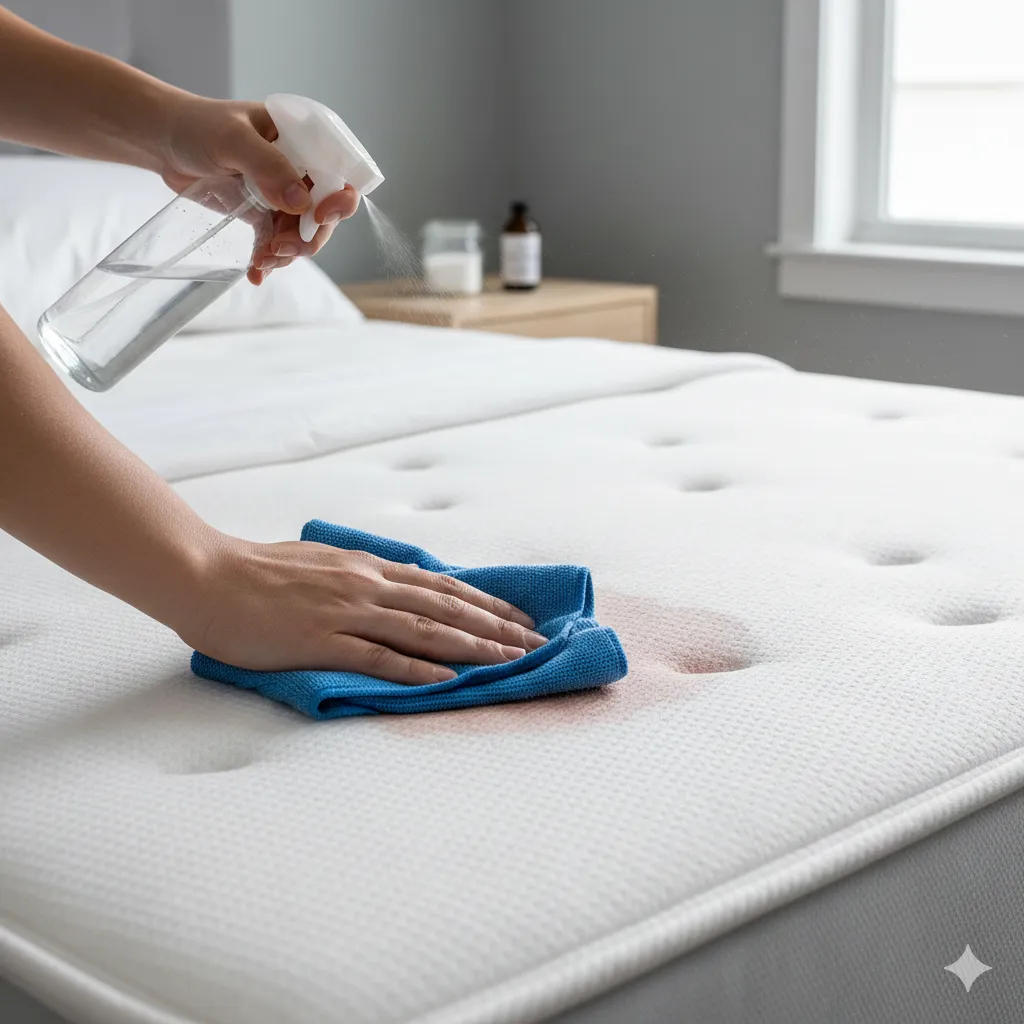
Dried blood is stubborn because it has fully bonded to the mattress ticking. You’ll need a paste-based approach to lift the residue.
- The Paste: Mix baking soda with a tiny bit of cold water (or hydrogen peroxide for white mattresses) to create a thick paste.
- Apply: Spread the paste over the dried stain and let it sit for at least 30 minutes. As the paste dries, it draws the blood out of the fibers.
- Remove: Once the paste is dry, brush it off or vacuum it up.
- Blot: Dampen a cloth with cold water and blot any remaining residue.
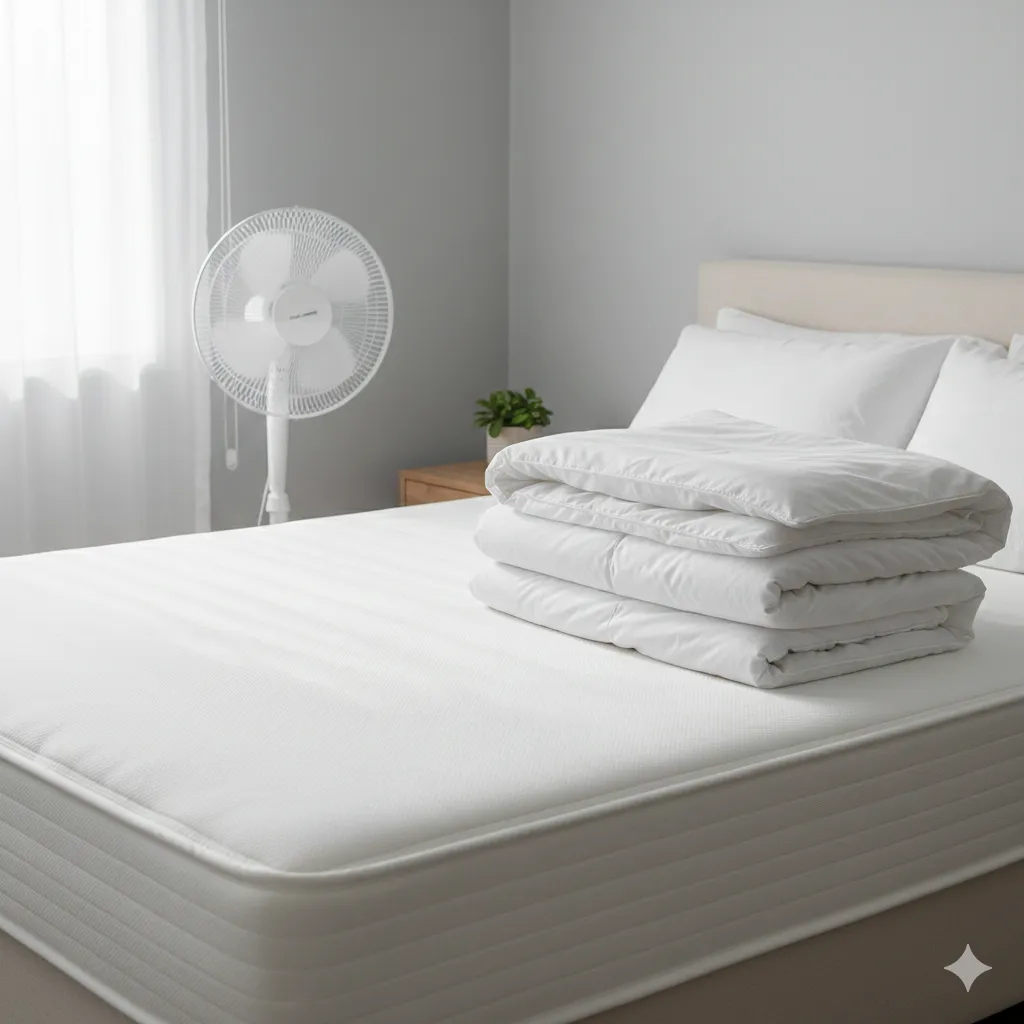
- Air Dry: Use a fan to ensure no moisture lingers in the deeper layers of the mattress.
Tips to Prevent Blood Stains from Setting
- Act Fast: The “golden hour” for stains is real. The sooner you treat it, the better the result.
- No Soaking: Excessive liquid leads to mildew. Always use the minimum amount of cleaner necessary.
- Blot, Don’t Scrub: Scrubbing pushes the blood deeper into the mattress and can fray the fabric.
- The Ultimate Defense: Once your mattress is clean, invest in a waterproof mattress protector. It’s much easier to throw a protector in the wash than to deep-clean a king-sized mattress.
Common Blood Stain Problems and Quick Fixes
| Problem | Quick Fix |
| Stains won’t lift | Let the mattress dry completely, then repeat the treatment. Some stains take 2–3 rounds. |
| Lingering odors | Sprinkle a thick layer of dry baking soda over the area, let it sit for hours, and vacuum. |
| Moisture lingers | Position a floor fan to blow directly on the spot or use a hair dryer on the cool setting. |
| Stain is spreading | You’re using too much liquid. Stop misting and focus on blotting from the outside in. |
FAQ Section
Can old blood stains be completely removed?
Often, yes! While “shadows” may remain on some fabrics, hydrogen peroxide and enzyme cleaners are highly effective at breaking down old proteins.
Is hydrogen peroxide safe for memory foam?
Use it sparingly. Hydrogen peroxide can slightly degrade foam if it soaks in deep. Apply it to a cloth first, then blot the mattress rather than pouring it on.
How long should a mattress dry before I sleep on it?
Ideally, 4 to 8 hours. It should feel bone-dry to the touch. Putting sheets on a damp mattress traps moisture and invites bacteria.
What if the stain has been there for years?
You can still lighten it significantly with an enzyme cleaner specifically designed for “set-in” organic stains, but manage your expectations—it may not disappear 100%.
Summing Up
Cleaning a mattress requires a gentle touch and a “low-moisture” mindset. By using cold water and simple lifting agents like baking soda, you can keep your sleep surface hygienic and stain-free. Keep these supplies in your laundry room so you’re ready to act the next time a spill happens!
next, learn how to deep clean a mattress.