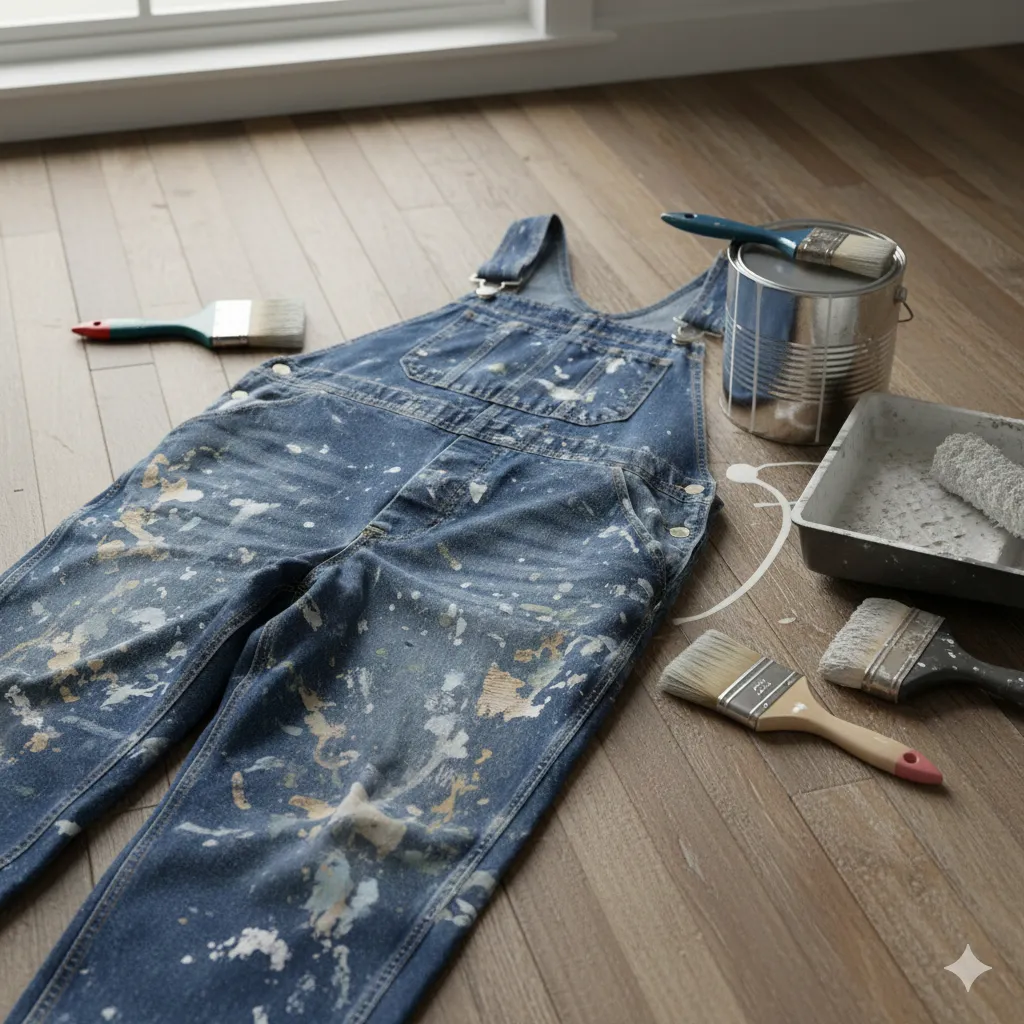
We’ve all been there: you finish a DIY project or an art session only to realize a splotch of paint has turned into a hard, crusty landmine on your favorite hoodie. Dried paint feels “impossible” because, by design, paint is meant to be permanent once the solvents evaporate.
Whether it’s water-based or oil-based, the bond it forms with fabric fibers is strong. However, the fabric type matters just as much as the paint; a delicate silk blouse requires a much different rescue mission than a pair of rugged work jeans. The good news? Most “ruined” clothes can be saved if you trade aggression for patience.
Watch this video tutorial to learn how to easily remove dried paint from clothes:
Know the Paint First: Paint Type Before Treatment
Identifying the paint type is the single most important step. If you use the wrong solvent, you might accidentally “set” the stain forever or melt the synthetic fibers in your clothing.
- Acrylic Paint: Dries into a plastic-like layer. It is water-soluble when wet but becomes water-resistant once dry.
- Latex Paint: Common in home interiors. It’s generally more flexible than acrylic and slightly easier to break down with soap and water.
- Oil-Based Paint: The “final boss” of stains. These usually require a solvent like turpentine or mineral spirits, though some household hacks can work on smaller spots.
Pro Tip: Always check your garment’s care label. If it says “Dry Clean Only,” do not attempt a DIY fix—you’ll likely leave a permanent chemical ring.
What You’ll Need
Before you start, gather your “stain surgery” kit:
- Dull knife, spoon, or plastic scraper
- Old toothbrush (soft-bristle is best)
- Paper towels or clean white cloths
- Warm water and dish soap (or liquid laundry detergent)
- Rubbing alcohol (isopropyl) or hand sanitizer
- White vinegar
- Acetone or nail polish remover (Use with caution!)
Step-by-Step: How to Remove Dried Paint
1. Scrape and Prep
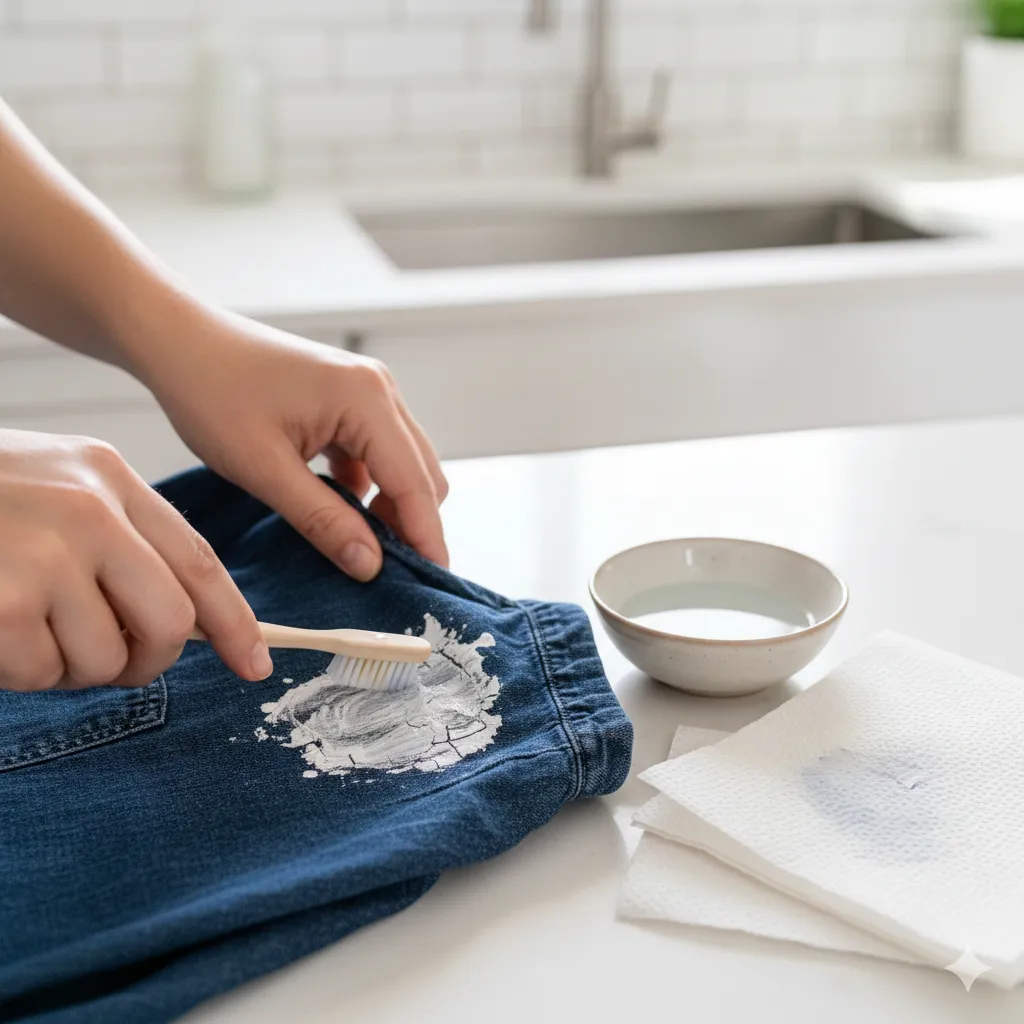
Use your dull knife or plastic scraper to gently flake off the top layer of dried paint. Work from the outside of the stain inward to prevent spreading. Don’t dig into the fibers; you just want to remove the bulk of the “crust.”
2. The Basic Softening Method
For most fabrics, start gentle:
- Saturate the stain with a 50/50 mix of warm water and dish soap.
- Let it sit for 5–10 minutes to soften the binder.
- Blot (don’t scrub) with a paper towel to lift the pigment.
- Rinse and repeat until the water runs clear.
Specialized Removal Methods
How to Remove Dried Acrylic Paint from Clothes
Since acrylic is essentially liquid plastic, you need a solvent to break that plastic bond. Rubbing alcohol is your best friend here.
- Apply alcohol to the stain using a cotton ball.
- Use a toothbrush to scrub in circular motions. The alcohol breaks down the acrylic polymer, allowing the paint to lift.
- Warning: Acrylic stains fastest on polyester and nylon; act as soon as you spot it.
How to Remove Dried Latex Paint from Clothes
Latex is more forgiving.
- Start with a heavy-duty liquid detergent and warm water.
- If the stain is stubborn, a mixture of white vinegar and water can help break down the latex.
- Rinse thoroughly. If you still see a “shadow,” move to rubbing alcohol.
How to Remove Dried Paint from Jeans
Denim is a heavy weave that traps paint deep in its “valleys.”
- You can be a bit more aggressive with the scraping on denim.
- Soaking is key: Let the jeans sit in a soapy bath for 30 minutes before scrubbing.
- To avoid faded patches, avoid using pure acetone or bleach-based cleaners.
Stubborn Paint Stains: When Soap Isn’t Enough
If soap and water fail, it’s time for the heavy hitters.
- Alcohol-based solutions: Hand sanitizer is surprisingly effective because the high alcohol content is suspended in a gel, keeping it on the stain longer.
- Acetone: Only use this on natural fibers like cotton or linen. Never use acetone on acetate or triacetate fabrics, as it will literally melt the plastic fibers.
Rule of Thumb: Always spot-test a hidden area (like an inside seam) before applying any solvent to a visible part of the garment.
Quick Fixes for Common Problems
| Problem | Likely Cause | Solution |
| Shadow Stain | Pigment remains in fibers | Treat with rubbing alcohol and a soft brush. |
| Color Spreading | Too much liquid/Scrubbing | Blot from the edges toward the center. |
| Stiff Fabric | Dried soap/solvent residue | Rinse with a vinegar-water solution to soften. |
| Paint Reappears | Paint bled from the back | Place a paper towel inside the garment while cleaning. |
| Fiber Fraying | Aggressive scrubbing | Use a softer brush and more solvent, less muscle. |
Tips to Prevent Paint Stains
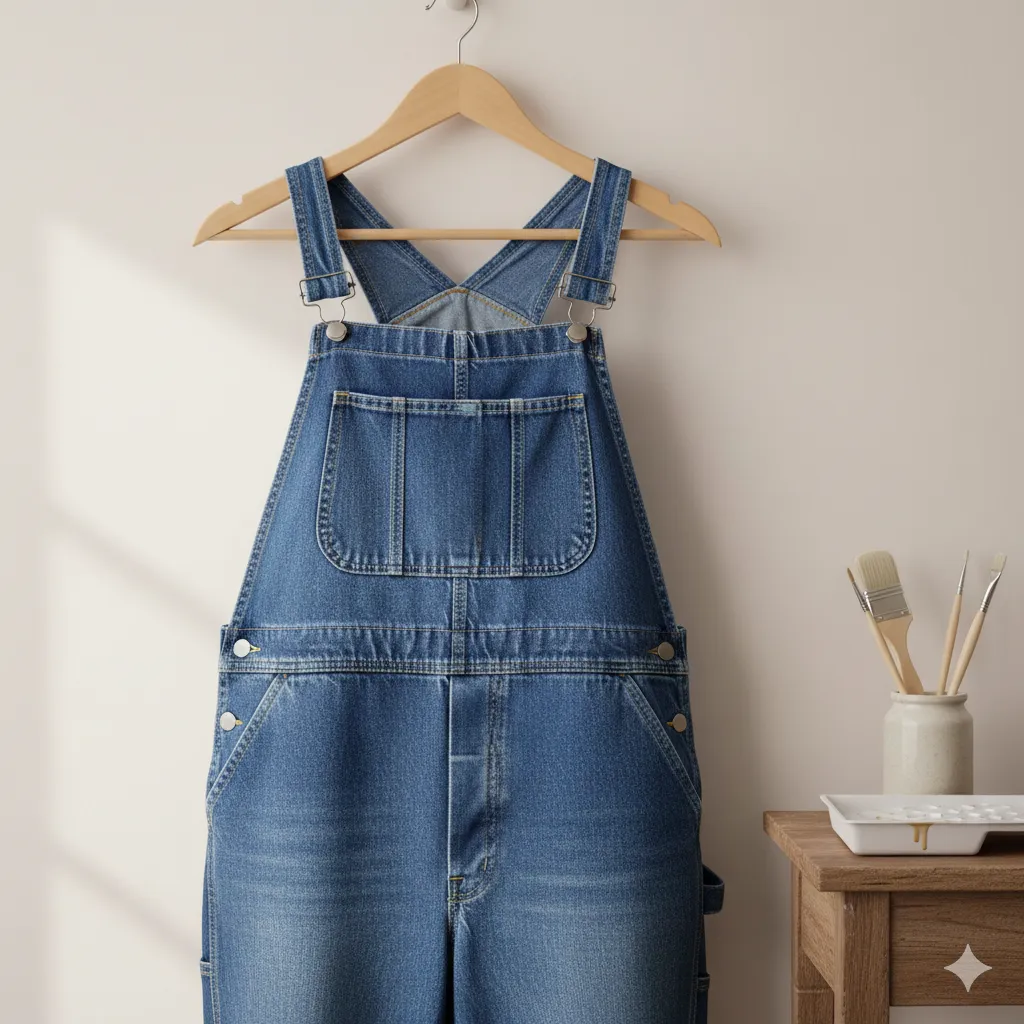
- The “Work Uniform”: Designate one set of old clothes as your “painting outfit.”
- Avoid “Safe” Old Clothes: Don’t wear your favorite old t-shirt; paint can soak through thin fabric onto your skin or the furniture.
- The 30-Second Rule: If you splash paint, hit it with water immediately. A wet stain is 90% easier to remove than a dry one.
FAQ
Can dried paint be removed after washing?
Yes, but it’s much harder. If it has been through the dryer, the heat may have thermally bonded the paint to the fibers. It’s still worth a shot with rubbing alcohol, but manage your expectations.
Does heat help remove paint stains?
No! Heat is the enemy. It “sets” the stain. Always use lukewarm or cool water during the removal process.
Should I machine wash after treatment?
Only once the stain is 100% gone. If you see even a hint of color, do not put it in the wash. Once clean, air-dry the garment first to ensure no faint residue remains before committing to the dryer.
Closing Thoughts
Removing dried paint isn’t about strength; it’s about chemistry. Remember to identify your paint, test your solvents, and work slowly. Rushing usually leads to frayed fabric or a larger mess. If you try a gentle soap method and it doesn’t work, take a breath and move up to rubbing alcohol. Most clothes are tougher than they look—and with a little patience, that “ruined” shirt will be back in your rotation in no time.