We’ve all been there: a delicious slice of pizza or a slip of the wrench leaves a dark, unsightly mark on your favorite outfit. Grease stains are the uninvited guests of the laundry world—they don’t leave easily, and if you treat them like a normal stain, they often refuse to budge.
The reason grease is so stubborn is that it’s “lipophilic,” meaning it bonds to the synthetic or natural fibers of your clothes rather than dissolving in water. To get it out, you need to break that chemical bond. But don’t throw that shirt away just yet! Whether it’s a fresh splash of olive oil or a mysterious dark smudge from the garage, grease can be defeated with the right strategy.
This video shows you how to remove grease stains from clothes fast:
Know Your Grease: Identify the Stain Before Treatment
Before you reach for the soap, take a second to identify the culprit. Not all grease is created equal, and knowing what you’re up against will determine your success.
- Food Grease: Salad dressings, bacon fat, or butter. These are organic and usually the easiest to lift if caught early.
- Industrial Grease: Motor oil, bike chain lube, or axle grease. These are often “black” stains containing heavy metals and carbons.
- Beauty & Body Grease: Think makeup, hair pomade, or even heavy skin oils on collars. These often contain waxes that need extra heat to melt.
- Set-In Grease: The grease you didn’t see until the garment came out of the dryer. This is “baked-in” and requires re-activation.
Pro Tip: Always check the care label first. If your garment is silk, acetate, or “Dry Clean Only,” DIY scrubbing can ruin the fabric texture. For everything else, proceed with a “spot test” on an inside seam.
What You’ll Need
You likely already have the “antidote” in your kitchen or garage. Grab these essentials:
- Absorbents: Cornstarch, talcum powder, or baking soda.
- The Solvent: Heavy-duty dish soap (specifically grease-cutting versions like Blue Dawn).
- Mechanical Tools: An old, soft-bristled toothbrush.
- The Secret Weapon: WD-40 or a specialized laundry “stain stick” for old marks.
- The Temperature Factor: Access to the hottest water the fabric can safely handle.
Step-by-Step: How to Remove Grease Stains from Clothes
- The “Lift and Blot”: If the grease is still wet, use a dull knife to lift any excess. Blot the area with a paper towel. Never rub, as this pushes the grease molecules deeper into the fabric weave.
- The Powder Soak: Cover the stain completely with cornstarch or baking soda. Let it sit for 30–60 minutes. The powder will actually “wick” the liquid grease out of the fibers.
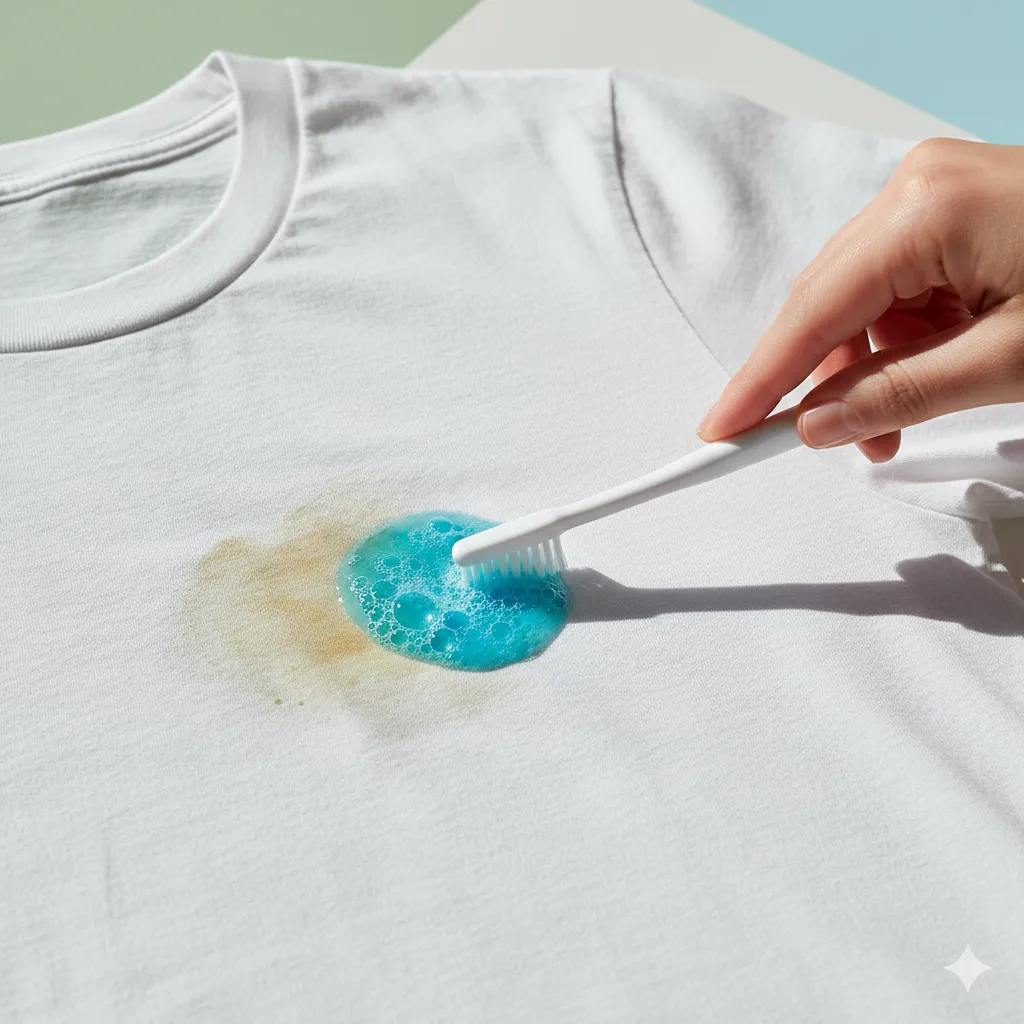
- The Soap Scrub: Shake off the powder and apply a liberal amount of grease-cutting dish soap. Use your toothbrush to work it into the stain in small, circular motions.
- The Waiting Game: Let the soap sit for at least 30 minutes. This gives the surfactants time to surround the grease molecules.
- The Hot Flush: Rinse the area with the hottest water recommended on the care label. Heat helps keep the grease in a liquid state so it can be washed away.
- The Final Inspection: Wash the garment as usual, but do not put it in the dryer until you are certain the stain is gone.
Specialized Grease Removal Methods
How to remove food grease stains
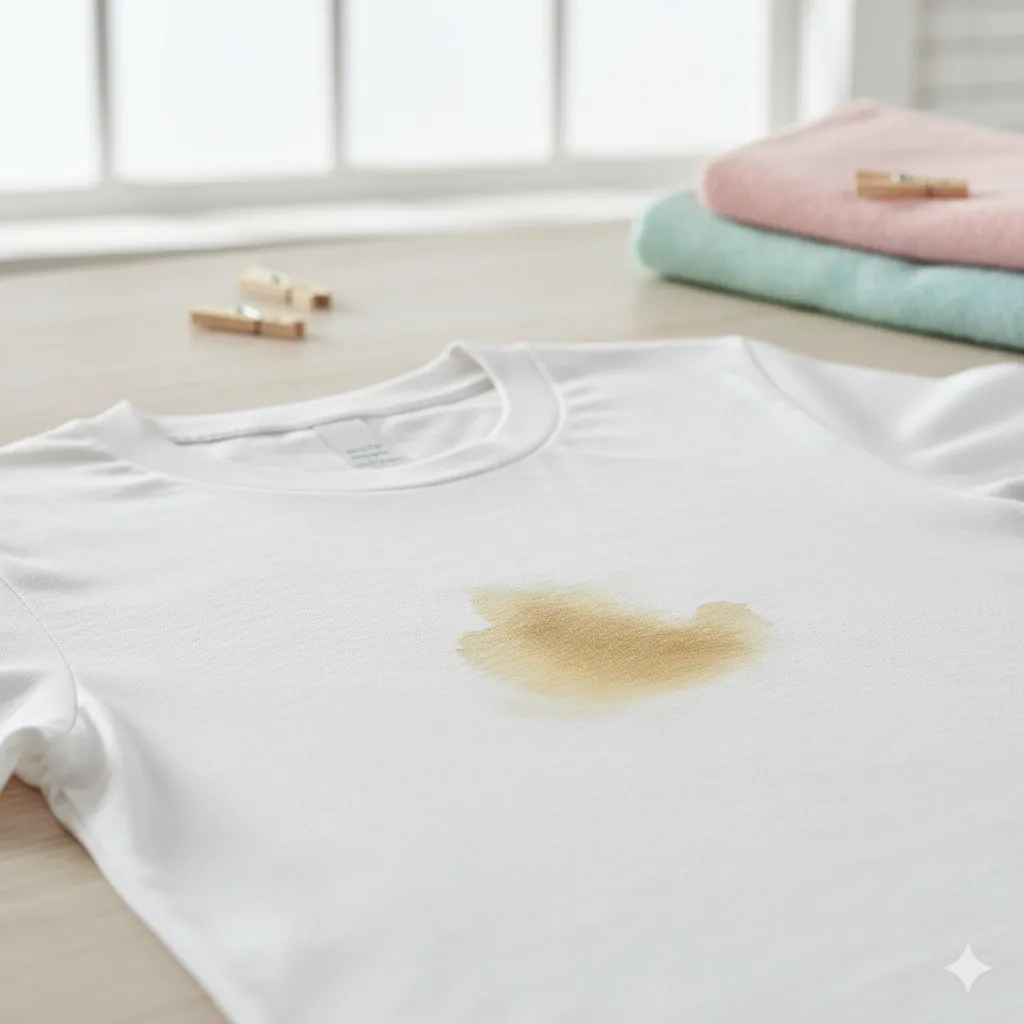
For kitchen mishaps, speed is your best friend. If you’re at a restaurant, even a dab of hand soap from the restroom can keep the grease from setting until you get home. Once home, follow the dish soap method for a 99% success rate on cotton and polyester.
How to remove heavy motor grease stains
Industrial grease is thick and contains dark pigments. To tackle this, you often need to “soften” the grease first. Applying a small amount of WD-40 to the spot can actually help break down the heavy compounds. Follow up immediately with heavy-duty detergent and a hot wash.
How to remove grease stains from white clothes
On white fabrics, grease can leave a yellow or gray shadow. After the initial degreasing, treat the area with a paste of baking soda and water, or a specialized oxygen-based whitener, to ensure the fabric returns to its original brilliance.
How to remove set-in grease stains
If the stain has already been through a drying cycle, it’s effectively “glued” to the fibers. To remove set-in grease, you must re-liquefy it. Apply a small amount of fresh grease-cutting soap mixed with a drop of water, scrub vigorously with a toothbrush, and let it sit overnight before re-washing.
How to remove grease stains from delicate fabrics
For wool or silk, avoid aggressive scrubbing. Cover the spot with talcum powder to absorb the oil, then gently dab with a mixture of mild wool detergent and cool water. If the stain persists, it’s time to visit the professional dry cleaner.
Quick Fixes for Common Problems
| Problem | Potential Solution | Alternative Suggestion |
| Grease “ghosting” after wash | The oil wasn’t fully emulsified. Re-treat with dish soap. | Try a commercial “stain devil” for fats and oils. |
| Fabric looks bleached | You may have used a detergent with optical brighteners. | Always spot-test solvents like WD-40 or alcohol. |
| Stain is on a bulky jacket | Use a “dry” spot treatment with baking soda. | Use a specialized foam upholstery cleaner. |
| Large grease splatters | Soak the entire garment in a sink of hot water and OxiClean. | Repeatedly blot with a heavy-duty degreaser spray. |
FAQ
Why does grease leave a dark spot?
Grease changes the way light reflects off the fabric fibers, making the area appear darker and more translucent. Even a small amount can be highly visible.
Can I use hairspray on grease?
While hairspray works for ink, it’s less effective for grease. Stick to dish soap or laundry pre-treatments specifically labeled for “oils.”
Should I use cold or hot water?
For grease, hot water is king. Cold water can cause the grease to solidify and “set,” making it much harder to remove.
Conclusion
Removing grease isn’t about luck; it’s about chemistry. By using an absorbent to lift the surface oil and a surfactant (like dish soap) to break the bond with the fabric, you can save almost any garment. The most important rule to remember? Check the spot before it goes in the dryer. Heat is the permanent “sealant” for grease stains, so always ensure the fabric is clear before that final tumble.