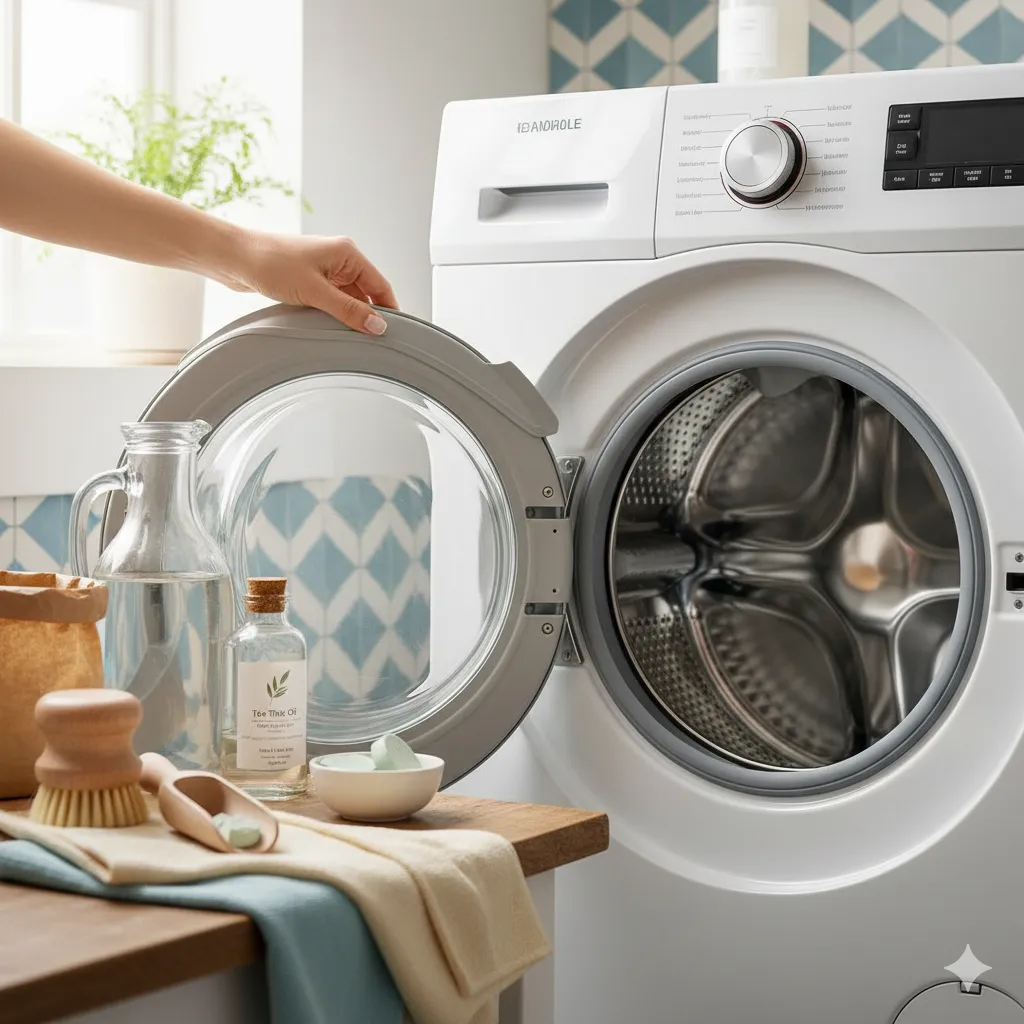
You pull your freshly washed clothes out of the laundry… and instead of looking clean, they’re covered in fuzz, tiny fibers, and those annoying lint balls.
It’s frustrating, especially when it ruins the look of your favorite black outfit or makes your clothes look old and worn out.
Here’s the real reason this happens: lint isn’t just “dirt.” It’s actually loose fibers from your clothes, towels, and fabrics that cling to each other during washing and drying.
The good news? Removing lint is easier than you think—and you don’t need anything fancy to do it.
Let’s break it down properly.
What Causes Lint on Clothes?
Before removing lint, you need to understand where it comes from. Otherwise, you’ll keep dealing with the same problem over and over again.
Lint is caused by:
- Fabric fibers shedding during washing
- Mixing lint-producing items (like towels) with lint-attracting fabrics
- Overloading the washer or dryer
- Not cleaning the lint filter regularly
- Static electricity in the dryer
Common lint producers: Towels, fleece, wool, and flannel
Common lint magnets: Black clothes, synthetics, and smooth fabrics
Pro Tip: If you keep seeing lint, it’s not your detergent—it’s your laundry habits.
What You’ll Need
Before you start, gather a few simple tools:
- Lint roller or sticky tape
- Fabric brush or clothes brush
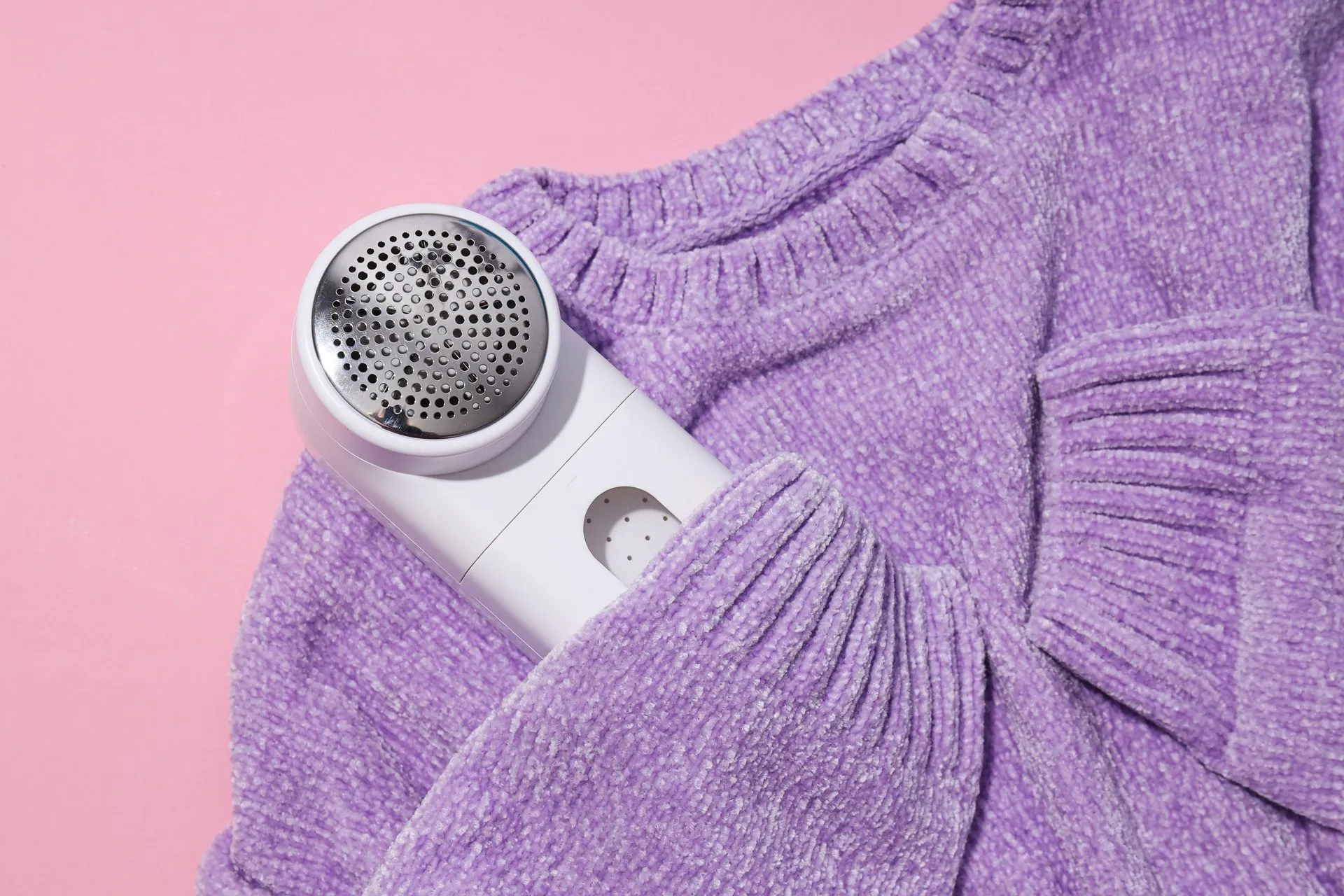
- Razor or fabric shaver
- Dryer sheets
- Microfiber cloth
- Washing machine and dryer
Optional:
- White vinegar (for reducing static)
Step-by-Step: How to Remove Lint from Clothes
Follow these steps to get rid of lint quickly and effectively:
- Step 1: Shake the Garment
Take the clothing outside and give it a good shake. This removes loose lint before you start cleaning. - Step 2: Use a Lint Roller or Tape
Roll a lint roller over the fabric. If you don’t have one, wrap tape around your hand (sticky side out) and dab the surface. - Step 3: Brush the Fabric
Use a fabric brush or even a slightly damp cloth to sweep away remaining lint. Always brush in one direction. - Step 4: Remove Stubborn Fibers
For clingy lint, lightly rub the surface with a damp microfiber cloth. This helps lift fibers without damaging the fabric. - Step 5: Use the Dryer Trick
Toss the garment in the dryer with a damp cloth or dryer sheet for 10–15 minutes. This loosens lint and collects it in the lint trap. - Step 6: Check and Repeat
Inspect the clothing and repeat the process if needed. Some fabrics may require a second pass.
Best Way to Remove Lint from Clothes
If you’re looking for the most effective method, the combination approach works best:
- Start with a lint roller
- Follow with a damp cloth
- Finish with a short dryer cycle
This method tackles:
- Surface lint
- Stubborn fibers
- Static cling
Why it works: Each step targets a different type of lint problem instead of relying on just one tool.
How to Remove Lint Balls from Clothes
Lint balls (also called pilling) are those tiny knots that form on fabric after repeated wear and washing.
They don’t just sit on the surface—they’re tangled into the fibers.
Here’s how to remove them safely:
- Lay the garment flat on a smooth surface
- Use a fabric shaver or a clean razor
- Gently glide over the fabric in short strokes
- Do not press too hard—you can damage the fabric
- Remove loosened pills with a lint roller
Alternative method:
Rub the fabric gently with a pumice stone or sweater comb.
Important: Always go slow. Rushing this step can ruin your clothes.
How to Remove Lint from Black Clothes
Black clothes show lint more than anything else, which is why they always seem worse.
Here’s how to fix that:
- Use a lint roller as your first step
- Wipe with a slightly damp cloth to remove fine fibers
- Turn clothes inside out before washing
- Wash black clothes separately from towels
- Add a half cup of vinegar during rinse cycle to reduce static
Quick Tip: Air drying black clothes reduces lint compared to using a dryer.
How to Remove Lint from Clothes in Dryer
Your dryer can either solve or create lint problems—it all depends on how you use it.
Here’s how to make it work for you:
- Clean the lint filter before every load
- Add a damp cloth or dryer sheet to attract lint
- Avoid overloading the dryer
- Use a low or medium heat setting
- Run a short cycle (10–15 minutes) for lint removal
If your clothes come out with more lint than before, your lint trap or dryer vent may be clogged.
Common Mistakes (Stop Doing This…)
Most people accidentally make lint worse. Here’s what to avoid:
- Mixing towels with clothes: Towels shed a lot of lint
- Overloading the machine: Clothes can’t rinse properly
- Skipping the lint trap: A full trap spreads lint back onto clothes
- Using too much detergent: Leaves residue that traps lint
- Drying everything together: Different fabrics behave differently
Fixing these habits can reduce lint by more than half.
Quick Fixes for Common Problems
| Problem | Step-by-Step Solution | Alternative Suggestion |
|---|---|---|
| Lint won’t come off | Use lint roller, then damp cloth, then dryer cycle | Try a fabric brush or sticky tape |
| Lint balls (pilling) | Use fabric shaver gently on flat surface | Use a razor or sweater comb |
| Black clothes covered in lint | Roll, wipe with damp cloth, and re-dry | Wash separately with vinegar rinse |
| Clothes attract lint after drying | Add dryer sheet and reduce static | Air dry instead |
| Lint keeps coming back | Separate laundry by fabric type | Clean washer and dryer thoroughly |
Tips to Prevent Lint on Clothes
Removing lint is one thing—stopping it from coming back is even better.
- Sort laundry by fabric type
- Turn clothes inside out before washing
- Clean your lint filter every time
- Avoid overloading machines
- Use fabric softener or vinegar to reduce static
- Wash lint-heavy items separately
Simple habit: Treat your laundry like categories, not one big pile.
FAQ
Can lint be removed after washing?
Yes, but it’s easier before drying. If lint goes through the dryer, it sticks more due to heat and static.
Does vinegar help remove lint?
Yes. Vinegar reduces static, which helps prevent lint from sticking in the first place.
Why do my clothes have more lint after washing?
You’re likely mixing lint-producing fabrics with lint-attracting ones or overloading the machine.
Is a lint roller enough?
For light lint, yes. For heavy buildup, you’ll need a combination of methods.
Conclusion
Lint might seem like a small problem, but it can make clean clothes look messy and worn out. The key is not just removing it—but understanding why it keeps showing up.
Use the step-by-step method, avoid common mistakes, and adjust your laundry habits. Once you get it right, lint becomes a quick fix instead of a constant frustration.
And remember: the cleaner your process, the cleaner your clothes will look—every single time.
Next, learn How to Remove Mold Stains from Fabric.