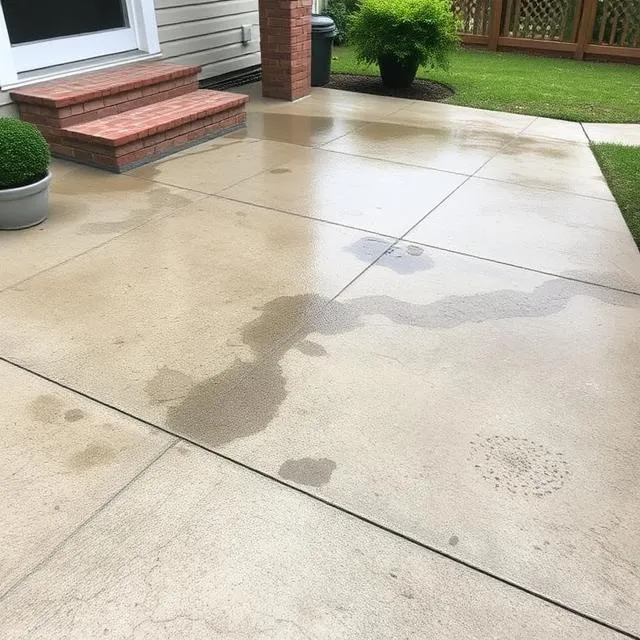
Oil stains on concrete can be frustrating, especially when they appear on driveways, garage floors, patios, or sidewalks. Whether the stain comes from a leaking car, spilled cooking oil, or lawn equipment, oil can quickly soak into the porous surface of concrete and leave dark, stubborn marks.
The good news is that you don’t need expensive products or professional cleaners to fix the problem. With a few simple household items and the right cleaning technique, you can remove most oil stains from concrete and restore its appearance.
In this guide, you’ll learn step-by-step methods for cleaning both fresh and old oil stains from concrete using effective and affordable solutions.
Why Oil Stains Are Hard to Remove from Concrete
Concrete is naturally porous, meaning it has tiny holes that absorb liquids easily. When oil spills onto concrete, it quickly penetrates these pores and binds to the surface.
Several factors make oil stains difficult to remove:
- Oil spreads quickly across porous surfaces
- Older stains sink deeper into the concrete
- Dirt and dust stick to the oil residue
- Sun and heat can “bake” the stain into the surface
Because of this, oil stains often require a combination of absorption and deep cleaning to fully remove them.
What You’ll Need
Before starting the cleaning process, gather these materials:
- Dish soap or liquid degreaser
- Baking soda
- White vinegar
- Warm or hot water
- Scrub brush with stiff bristles
- Paper towels or rags
- Cat litter or absorbent powder
- Bucket
- Rubber gloves
These common items can handle most oil stains without the need for harsh chemicals.
Step-by-Step: How to Remove Oil Stains from Concrete
Follow these steps to clean oil stains effectively.
• Blot excess oil
If the stain is fresh, use paper towels or rags to soak up as much oil as possible. Avoid rubbing, which can spread the stain further.
• Apply an absorbent material
Cover the stain with cat litter, baking soda, or another absorbent powder. Let it sit for at least 30 minutes so it can pull oil out of the concrete.
• Sweep away the powder
After the absorbent material has soaked up oil, sweep it away and dispose of it properly.
• Apply dish soap or degreaser
Pour dish soap directly onto the stain. Dish soap works well because it is designed to break down grease.
• Scrub the concrete
Use a stiff-bristled brush to scrub the stained area thoroughly. Work the soap into the pores of the concrete.
• Rinse with hot water
Pour hot water over the area and continue scrubbing to lift remaining oil residue.
• Repeat if necessary
Older stains may require repeating the process two or three times before they fade completely.
How to Remove Old Oil Stains from Concrete
Older stains can be more difficult because the oil has already penetrated deep into the concrete.
For these stains, try making a cleaning paste.
Mix baking soda with a small amount of water until it forms a thick paste. Spread the paste over the stain and allow it to sit for about 30 minutes.
Next, scrub the area with a stiff brush and rinse with hot water.
For stubborn stains, adding a little dish soap to the paste can increase its cleaning power.
Natural Methods to Remove Oil from Concrete
If you prefer chemical-free solutions, there are several natural options that work well.
Baking soda is excellent for absorbing grease and lifting stains from porous surfaces. Simply sprinkle it over the oil stain, add a little water, and scrub.
Vinegar can also help break down oily residue. After scrubbing with soap, spraying vinegar over the area helps remove leftover grease.
Another option is using cornstarch or flour to absorb fresh oil spills before they soak into the concrete.
Natural methods are safe, inexpensive, and environmentally friendly.
Quick Fixes for Common Problems
| Problem | Step-by-Step Solution | Alternative Suggestion |
|---|---|---|
| Fresh oil spill | Blot with paper towels and cover with cat litter | Use baking soda or cornstarch |
| Dark stain remains | Scrub with dish soap and hot water | Apply baking soda paste |
| Large driveway stain | Use degreasing dish soap and stiff brush | Repeat cleaning several times |
| Grease smell remains | Spray vinegar and rinse | Use baking soda to absorb odor |
| Oil stain keeps returning | Deep scrub with degreaser | Consider pressure washing |
Tips to Prevent Oil Stains on Concrete
Preventing oil stains is much easier than removing them later.
Check vehicles regularly for leaks and repair them quickly.
Place drip pans or absorbent mats under cars or lawn equipment that might leak oil.
Sealing concrete surfaces with a concrete sealer can also prevent oil from soaking into the surface.
Cleaning spills immediately is the best way to avoid permanent stains.
FAQ
Can oil stains permanently damage concrete?
Oil stains usually do not damage concrete structurally, but they can become permanent if left untreated for a long time.
Does baking soda really remove oil stains from concrete?
Yes. Baking soda absorbs oil and helps lift grease from the pores of concrete when combined with scrubbing.
How long does it take to remove an oil stain from concrete?
Fresh stains can often be removed within 30 minutes to an hour, while older stains may require multiple cleaning attempts.
Can I pressure wash oil stains from concrete?
Yes. Pressure washing can help remove remaining residue after scrubbing with soap or degreaser.
Conclusion
Oil stains on concrete may look stubborn, but they can usually be removed with simple household ingredients and a little effort. By absorbing fresh spills quickly and using dish soap, baking soda, and hot water, you can lift most stains from driveways, patios, and garage floors.
Regular maintenance, quick cleanup of spills, and sealing concrete surfaces can also help prevent future oil stains and keep your concrete looking clean for years to come.