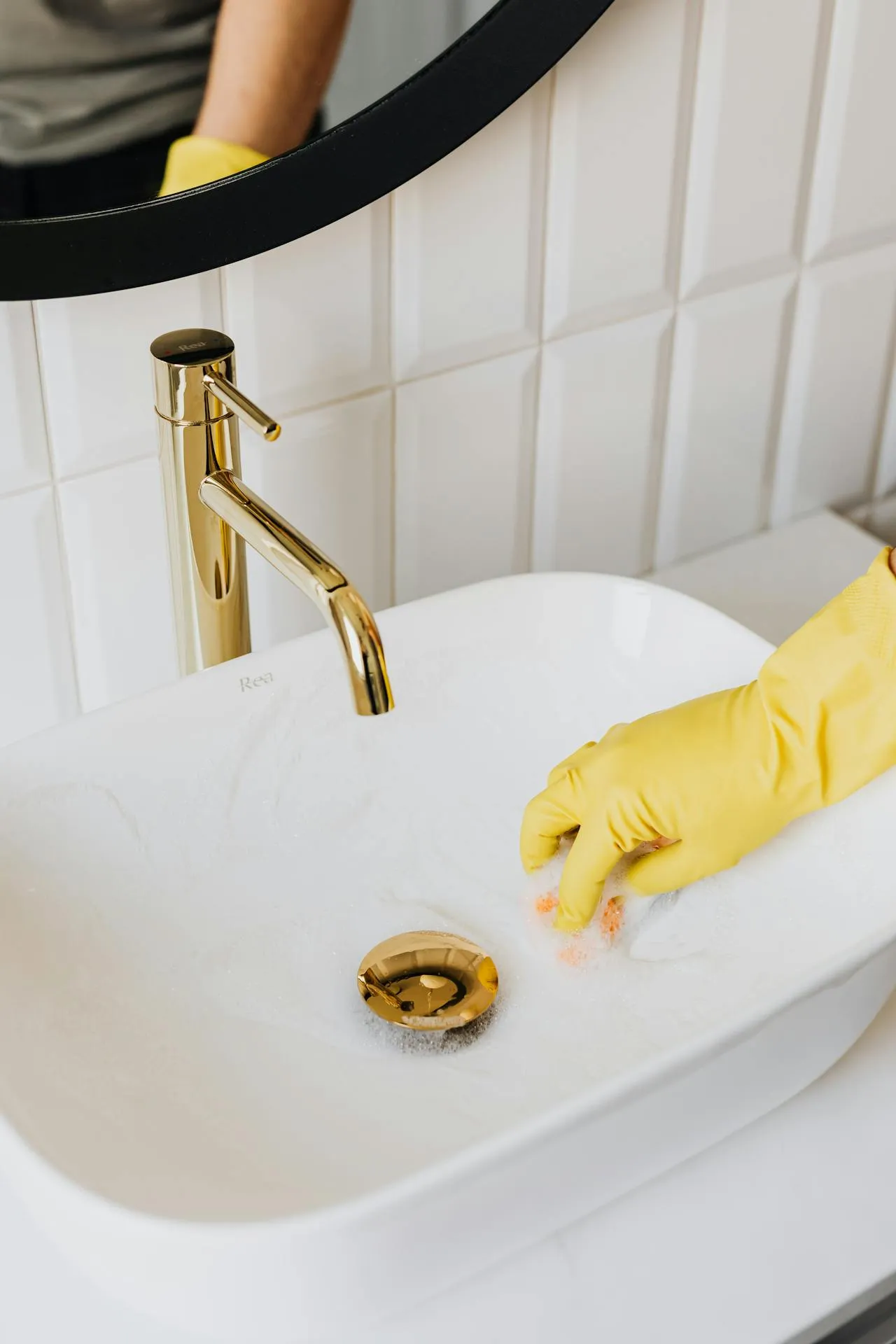
A clogged bathroom sink is one of those problems that seems to appear out of nowhere. One day the water drains perfectly, and the next day it begins pooling around the drain and draining painfully slowly. In most homes, bathroom sink clogs are caused by a buildup of hair, toothpaste residue, soap scum, and other small debris.
The good news is that you usually don’t need a plumber to fix the problem. Most clogs can be cleared in just a few minutes using simple household tools or natural ingredients you probably already have in your kitchen.
In this guide, you’ll learn exactly how to unclog a bathroom sink step by step. We’ll also cover natural methods, including how to unclog a bathroom sink with baking soda, and what to do if the clog is more stubborn than expected.
What Usually Causes Bathroom Sink Clogs
Understanding what caused the clog can help you choose the best method to remove it.
Bathroom sinks commonly become clogged due to a mixture of everyday materials that gradually build up inside the drain pipe.
Hair buildup: Hair is one of the most common causes. It easily gets trapped in the drain stopper.
Toothpaste residue: Toothpaste hardens over time and sticks to the inside of pipes.
Soap scum: Soap leaves behind a sticky film that traps debris.
Skin oils and grooming products: Shaving cream, lotion, and makeup can all contribute to buildup.
Small objects: Jewelry, cotton swabs, or small items may accidentally fall into the drain.
When these materials accumulate together, they eventually block water flow.
What You’ll Need
Before starting, gather these basic tools and supplies:
- Rubber plunger (small sink plunger works best)
- Baking soda
- White vinegar
- Boiling water
- Screwdriver
- Bucket or bowl
- Needle-nose pliers
- Old toothbrush or small cleaning brush
- Rubber gloves
- Clean cloths or paper towels
These items are usually enough to remove most bathroom sink clogs.
Step-by-Step: How to Unclog a Bathroom Sink
Follow these steps carefully to clear the clog and restore normal drainage.
• Remove the drain stopper
Most bathroom sinks have a stopper that collects hair and debris. Lift it out or unscrew it from the drain assembly.
• Clean visible debris
Use gloves or needle-nose pliers to remove hair and buildup from the drain opening.
• Flush the drain with hot water
Pour a kettle of hot (not boiling) water down the drain to loosen soap residue.
• Use a plunger
Place the plunger over the drain opening and create a tight seal. Pump it up and down several times to loosen the blockage.
• Try the baking soda and vinegar method
Pour about half a cup of baking soda into the drain followed by one cup of vinegar.
• Let the mixture fizz
Allow the reaction to work for about 15 minutes. The fizzing helps break apart grease and buildup.
• Flush with boiling water
Pour boiling water down the drain to wash away the loosened debris.
• Clean the stopper before replacing it
Scrub the stopper with a brush to remove hair and soap buildup before reinstalling it.
In many cases, these steps will completely clear the clog.
How to Unclog a Bathroom Sink Naturally
If you prefer to avoid harsh chemical cleaners, there are several natural methods that work very well.
Hot water is often the simplest solution. Pouring boiling water slowly into the drain can dissolve soap buildup.
The baking soda and vinegar method is another effective natural approach. The chemical reaction between the two ingredients helps break apart residue inside the pipe.
You can also use salt and baking soda. Mix half a cup of each, pour it down the drain, and follow with boiling water after about 20 minutes.
These natural methods are gentle on pipes and environmentally friendly.
How to Unclog Bathroom Sink With Baking Soda
Baking soda is one of the most popular DIY drain cleaners because it is inexpensive and surprisingly effective.
To use baking soda alone, pour about half a cup into the drain. Follow it with hot water and let it sit for about 10 to 15 minutes.
For stronger cleaning power, combine it with vinegar.
First add the baking soda to the drain. Then pour vinegar slowly on top. The mixture will fizz and bubble, helping loosen debris inside the pipe.
After waiting about 15 minutes, flush the drain with boiling water.
This method works especially well for soap scum and toothpaste buildup.
When the Clog Is Deeper in the Pipe
Sometimes the blockage is located deeper in the plumbing system.
In this case, you may need to clean the P-trap, which is the curved pipe under the sink.
Place a bucket underneath the pipe to catch water. Then use a wrench or your hands to loosen the slip nuts holding the trap in place.
Remove the pipe and clear out any debris trapped inside. Rinse the pipe thoroughly before reinstalling it.
Many stubborn clogs are solved simply by cleaning the P-trap.
Quick Fixes for Common Problems
| Problem | Step-by-Step Solution | Alternative Suggestion |
|---|---|---|
| Sink drains slowly | Use baking soda and vinegar treatment | Flush with boiling water |
| Hair clog near stopper | Remove stopper and pull out hair | Use needle-nose pliers |
| Plunger not working | Ensure overflow hole is sealed | Try cleaning the P-trap |
| Strong odor from drain | Pour baking soda and hot water | Use lemon juice and hot water |
| Water backs up immediately | Remove and clean the P-trap | Use a drain snake |
Tips to Prevent Bathroom Sink Clogs
Preventing clogs is much easier than dealing with them later.
Clean the sink stopper regularly. Hair and debris often collect there before reaching the pipe.
Run hot water down the drain once a week to dissolve soap and toothpaste buildup.
Avoid rinsing thick products like shaving cream or lotion directly down the sink.
Using a small drain screen can also help catch hair before it enters the pipes.
Regular maintenance keeps your sink draining smoothly.
FAQ
Why is my bathroom sink draining slowly?
A slow drain is usually caused by a buildup of hair, soap scum, toothpaste residue, or grooming products inside the pipe.
Can baking soda really unclog a sink?
Yes. Baking soda works well for mild clogs, especially when combined with vinegar and hot water.
Is it safe to pour boiling water down the sink?
Boiling water is generally safe for metal pipes, but use caution with older PVC pipes and avoid pouring extremely hot water repeatedly.
When should I call a plumber?
If multiple drains are clogged or the sink keeps backing up after several attempts, the blockage may be deeper in the plumbing system.
Conclusion
A clogged bathroom sink can be frustrating, but it’s usually an easy problem to fix at home. Most clogs are caused by everyday buildup like hair, toothpaste, and soap residue.
By removing debris from the stopper, using a plunger, or trying natural solutions like baking soda and vinegar, you can often restore proper drainage in just a few minutes.
Regular cleaning and simple maintenance can help prevent future clogs and keep your sink working smoothly.