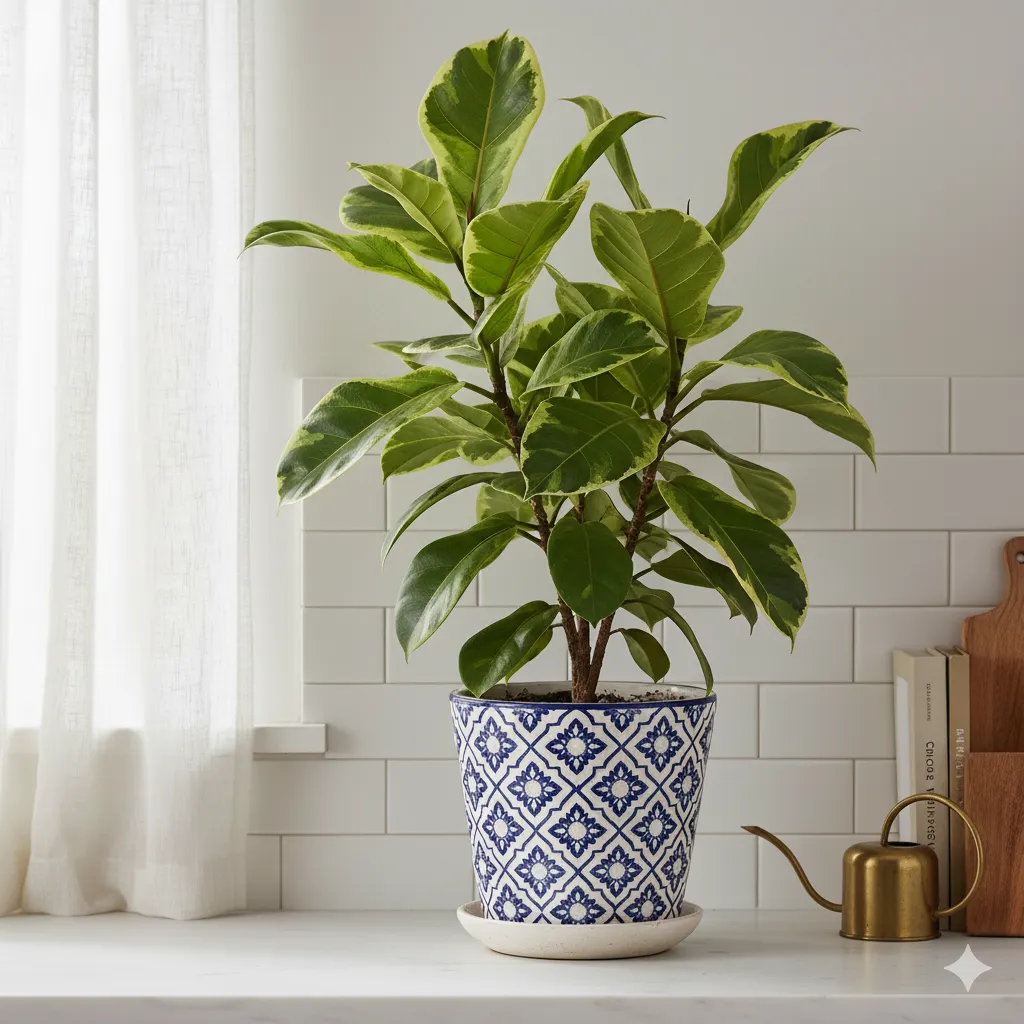
You want a plant that looks like it hired its own stylist? Meet Ficus altissima—aka the Council Tree, aka the “wow, what is that?” plant. It brings tall, sculptural drama with variegated leaves that actually do something in your decor.
But it won’t thrive on vibes alone. Give it a few key things and it will reward you with towering indoor beauty, fast. Let’s skip the fluff and get you growing a showstopper.
Watch this short video to quickly learn Ficus Altissima care tips:
Here’s how to keep your Ficus altissima happy, glossy, and literally above the rest.
Find Its Light Sweet Spot
Ficus altissima loves bright light the way we love coffee: daily and generous. Aim for bright, indirect light—a few feet back from a south or west window is perfect. Morning sun?
Great. Harsh afternoon sun? Filter it through a sheer curtain. Too little light and you’ll see leggy growth, smaller leaves, and sad color. Too much sun and the leaves can scorch.
If you’re lost on placement, watch the variegation: when it fades, you need more light.
Grow Light Hack
No sunny windows? No problem. Use a full-spectrum LED grow light for 10–12 hours a day.
Keep it 12–18 inches above the plant. It’s basically a spa day, every day.
Water Like a Pro (Not a Fire Hose)
This ficus hates extremes. You want consistent moisture—water when the top 1–2 inches of soil feel dry, then soak thoroughly and let excess drain.
Don’t keep it constantly wet unless your goal is root soup. In winter, the plant grows slower and drinks less. Reduce watering frequency but don’t let it bone-dry for weeks.
FYI, yellowing lower leaves can mean overwatering, while brown, crispy edges often mean underwatering or low humidity.
Drainage Matters, Big Time
– Use a pot with drainage holes (non-negotiable). – Add a saucer but empty it—no foot baths. – If your soil stays wet for more than a week, check your mix (we’ll fix that next).
Soil and Potting: The Foundation of Thriving
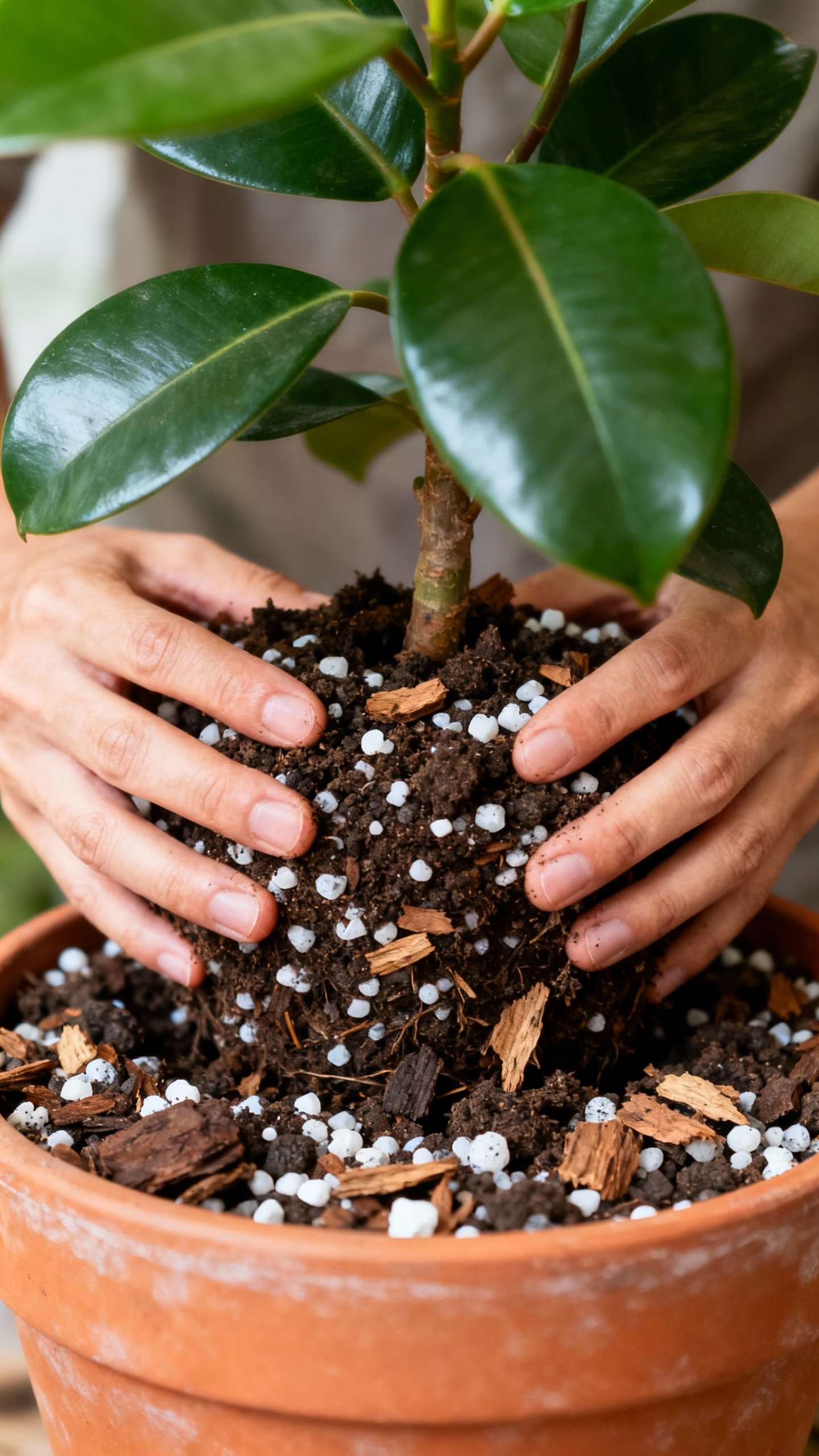
Give your altissima a well-draining, chunky mix. Think “airy” not “mud pie.” I like: – 40% high-quality potting soil – 30% perlite or pumice – 20% pine bark or coco chips – 10% compost or worm castings for a nutrient boost This combo keeps roots breathing and prevents rot. Repot every 1–2 years in spring when roots circle the pot or you see growth slowing.
Move up just one pot size at a time. IMO, oversized pots = waterlogged drama.
Stake for Height (and Drama)
Ficus altissima grows tall and lean. If it starts leaning like it’s texting too much, add a moss pole or sturdy stake.
Tie loosely with plant tape. Encourage it early and you’ll get that clean, upright tree form everyone loves.
Humidity and Temperature: Keep It Tropical
This plant hails from warm, humid environments. Translate that indoors to 45–60% humidity and 65–80°F temperatures.
It will tolerate lower humidity, but it thrives when you bump it up. Easy upgrades: – Place on a pebble tray with water (not touching the pot). – Run a small humidifier nearby, especially in winter. – Group plants to create a microclimate. Plant party = higher humidity. Avoid cold drafts and sudden temperature shifts.
Keep it away from AC vents, space heaters, and doors that blast cold air. Leaf drop often screams “temperature tantrum.”
Feeding for Lush, Fast Growth
Ficus altissima isn’t a heavy feeder, but it appreciates a snack. During spring and summer, use a balanced liquid fertilizer (like 3-1-2 or 10-10-10) at half strength every 4–6 weeks.
In fall and winter, slow down to every 8–10 weeks or pause if growth stalls. For the lazy (no shade, I’m one of you sometimes), a slow-release granular fertilizer in spring works well. Just don’t double up with liquid feed—your plant doesn’t need a buffet and a to-go bag.
Leaf Care for Peak Shine
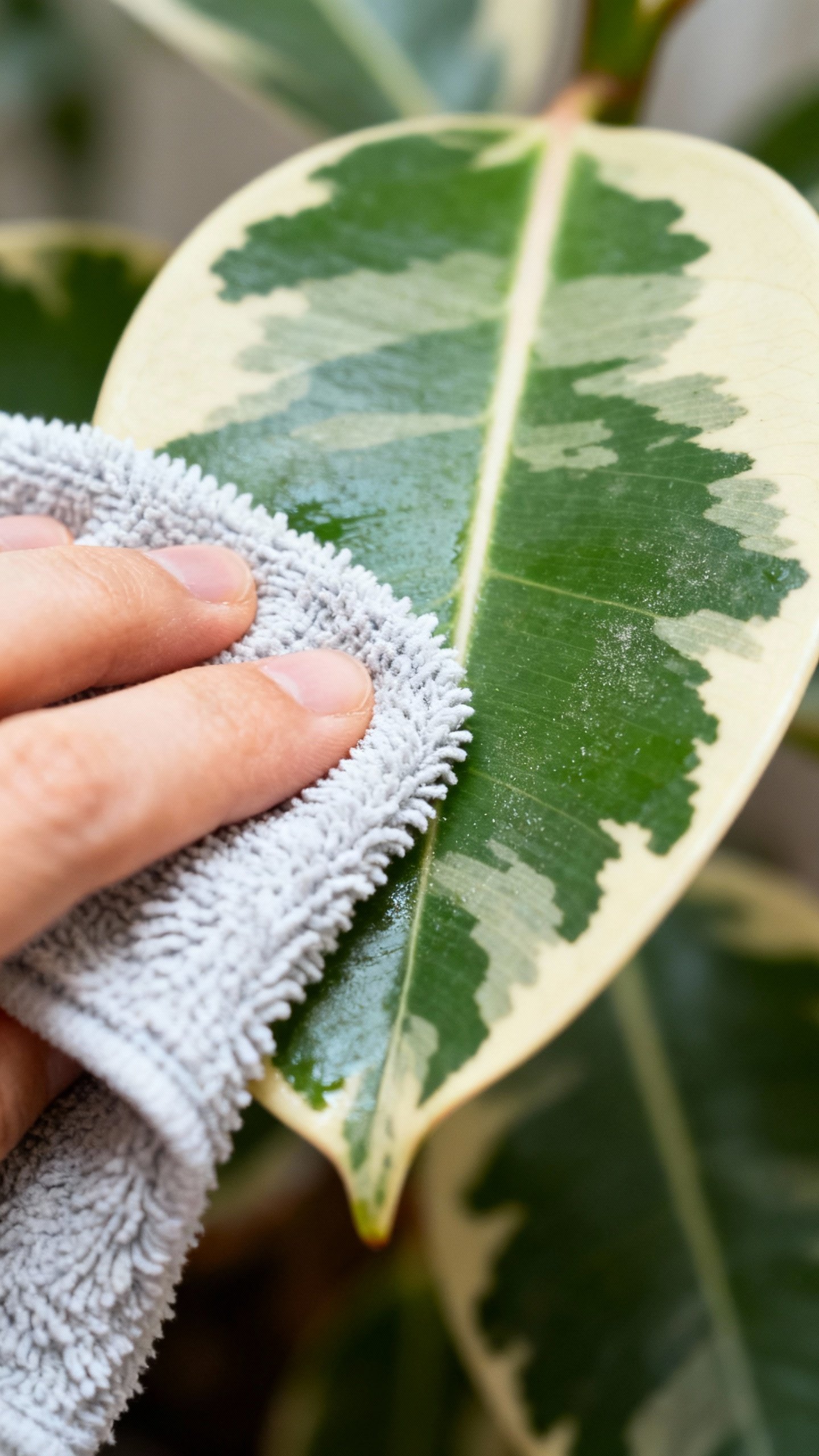
Dust blocks light, so clean leaves monthly.
Wipe with a damp microfiber cloth and support the leaf with your hand. Skip leaf-shine sprays; they can clog pores. If you want extra glow, a diluted drop of gentle soap in water does the job.
Shaping, Pruning, and Propagation
Want a tree-like silhouette?
You can prune strategically and shape it over time. Use clean, sharp shears and cut just above a node (where a leaf meets the stem). Pruning encourages branching and fuller growth. Tips to sculpt like a pro: – Pinch new tips to encourage bushiness. – Remove weak or crossing branches to reduce crowding. – Rotate the pot weekly for even growth.
Propagation 101
– Take 4–6 inch stem cuttings with at least two leaves. – Strip the bottom leaf, dip in rooting hormone (optional but helpful). – Root in water or a perlite/soil mix with consistent warmth and humidity. – Expect roots in 4–8 weeks.
Be patient; it’s not a pothos.
Pests and Problems (And Chill Solutions)
Ficus altissima can attract the usual suspects: spider mites, mealybugs, and scale. Check leaf undersides and stems regularly. If you spot sticky residue or speckled leaves, act fast. Simple plan: – Rinse leaves in the shower to knock pests off. – Wipe with insecticidal soap or neem oil weekly for 3–4 weeks. – Quarantine from other plants until the drama ends.
Leaf drop? Don’t panic. Check for: – Recent move or repotting (it’s a diva about change). – Overwatering or underwatering. – Drafts or low light.
Fix the environment and it usually rebounds. FYI, ficus plants often shed leaves when they adjust to new light. Annoying, yes.
Fatal, no.
Make It a Statement Plant
You bought this plant to show off—own it. Use a tall floor planter to add extra height. Place it in a bright corner where it can reach without hitting the ceiling fan (ask me how I know).
Pair with a minimalist stand and neutral pot to highlight those variegated leaves. Pro styling tip: Give it negative space. Don’t crowd it with a dozen small plants. Let the altissima be the star and watch your room instantly look more curated.
IMO, nothing beats a crisp, tree-form ficus next to a comfy reading chair.
FAQs
Why is my Ficus altissima dropping leaves?
Leaf drop usually points to stress: sudden changes in light or temperature, drafts, overwatering, or underwatering. If you just moved or repotted it, expect a short adjustment period. Stabilize conditions, water correctly, and keep light bright and consistent—new growth should follow.
How tall can Ficus altissima get indoors?
With great light and care, it can reach 6–8 feet indoors, sometimes more.
Use pruning and staking to keep it balanced and vertical. If it hits the ceiling, top it and encourage branching lower down for a fuller look.
Is Ficus altissima safe for pets?
It’s considered toxic to cats and dogs if ingested. Keep it out of nibble range and clean up fallen leaves.
If your pet chews plants, choose a safer location or consider pet-friendly alternatives.
Can I put it outside in summer?
Yes, if your climate stays above 60°F at night. Acclimate gradually to brighter outdoor light to prevent scorch. Bring it back inside before temps drop and check for pests first—no hitchhikers, please.
What’s the best pot for Ficus altissima?
Choose a pot with drainage and a sturdy base—ceramic or fiberglass works well for tall plants.
Go one size up when repotting, not three. Heavy pots help prevent tipping as it gains height.
How do I fix leggy growth?
Increase light immediately. Then prune back to a node to encourage branching.
Rotate the plant weekly and keep feeding during the growing season to support fuller growth.
Conclusion
Ficus altissima isn’t fussy, it’s just particular—like that friend who only drinks single-origin coffee. Give it bright, indirect light, consistent watering, chunky soil, and steady warmth and humidity, and it will grow into a towering, glossy masterpiece. Keep the leaves clean, prune with purpose, and feed modestly.
Do that, and your altissima won’t just live—it’ll stunt on every other plant in the room. FYI: that’s the goal.