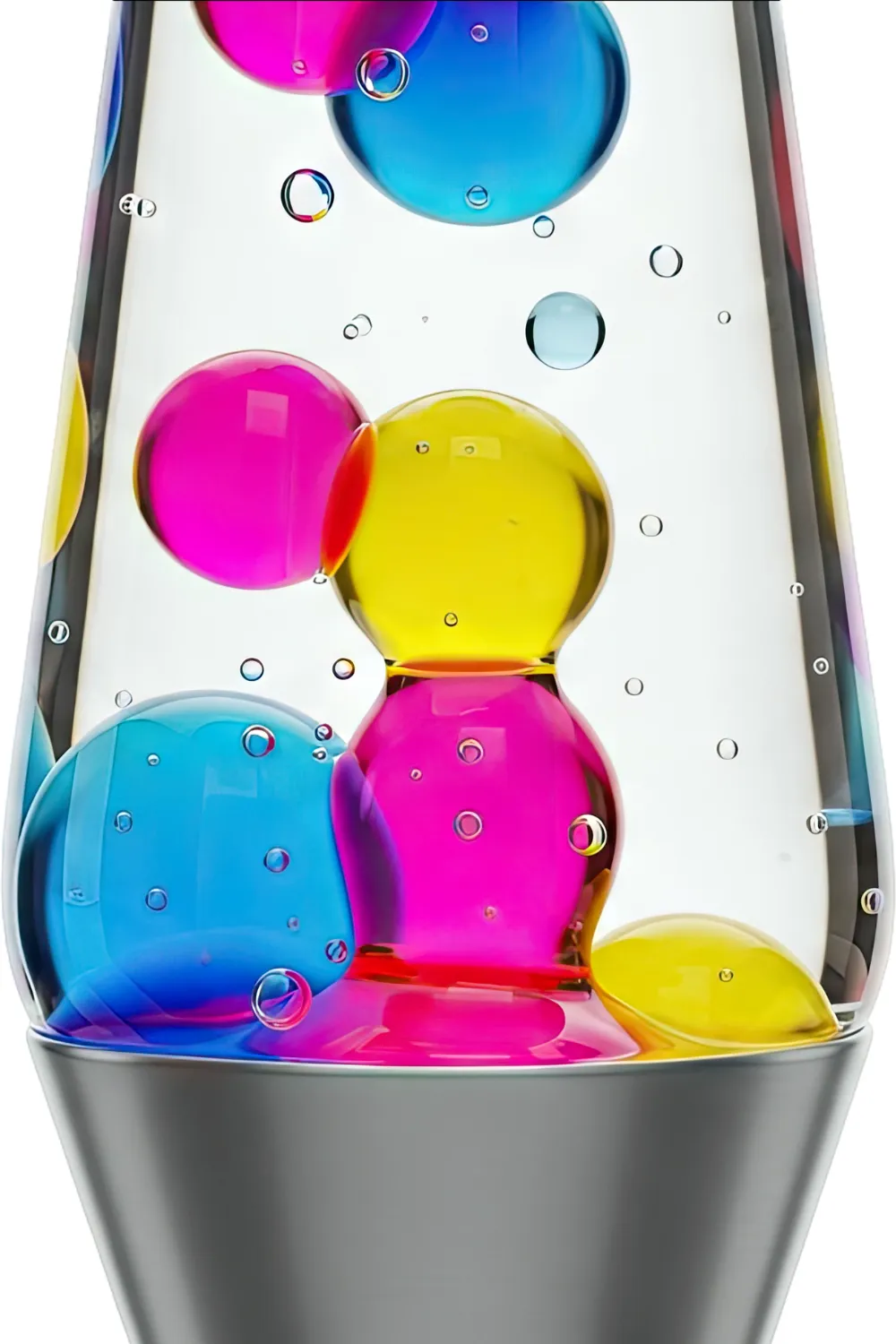
Imagine pouring a glass of oil and water together and watching them refuse to mix, forming floating blobs that rise and fall like a real lava lamp. Add a bit of food coloring and an effervescent tablet, and suddenly the entire jar comes alive with bubbling, glowing motion that feels almost hypnotic.
The oil water lava lamp experiment for kids is one of those science activities that looks like pure magic but is actually powered by simple, visible science. It’s messy in a fun way, easy to set up, and incredibly satisfying to watch. Whether you’re doing it at home on a rainy afternoon or using it as a classroom demonstration, kids rarely forget it once they’ve seen it in action.
The best part? You don’t need any fancy equipment—just a few kitchen staples and a little curiosity.
Watch this short video to see the Oil Water Lava Lamp Experiment in action before you try it yourself:
What Is the Oil Water Lava Lamp Experiment?
The Oil Water Lava Lamp Experiment is a science activity where oil, water, food coloring, and an effervescent tablet (like Alka-Seltzer) are combined in a clear container. Because oil and water naturally separate due to differences in density and polarity, they form distinct layers. When a fizzy tablet is added, gas bubbles carry colored water upward through the oil, creating a “lava lamp” effect.
Kids see blobs of color rise, fall, and swirl in slow motion, mimicking the movement of old-school lava lamps. It’s both visual and interactive, which makes it a favorite for science fairs, home learning, and STEM activities.
The Science Behind It: Why Does It Look Like Lava?
Before you start mixing things, it helps to understand what’s actually happening inside the jar.
At the core of this experiment are three scientific ideas:
1. Density difference
Oil is less dense than water, which means it floats on top instead of mixing with it.
2. Polarity
Water is polar (its molecules attract each other), while oil is non-polar. Because of this, they repel each other instead of blending together.
3. Gas bubbles from a reaction
When the effervescent tablet hits water, it releases carbon dioxide gas. These gas bubbles attach to colored water droplets and carry them upward through the oil.
Once the bubbles reach the top and pop, the water droplets fall back down, creating a continuous rising-and-falling motion that looks like a lava lamp.
So what looks like magic is actually a repeating cycle of buoyancy, gas release, and gravity.
What You’ll Need
This experiment uses simple materials you probably already have at home:
- A clear glass or jar (tall works best)
- Water
- Vegetable oil (any type works)
- Food coloring (any color)
- Effervescent tablet (Alka-Seltzer or similar)
- Optional: flashlight for extra visual effect
- Paper towels (for spills)
Step-by-Step: How to Do the Oil Water Lava Lamp Experiment
Follow these steps carefully to get the best “lava lamp” effect:
- Fill the jar halfway with water
Pour slowly to avoid splashing. This is the base layer of your experiment. - Add food coloring to the water
Choose one or two colors and stir gently until the water is fully tinted. - Pour in vegetable oil
Add oil slowly until the jar is almost full.
You will immediately notice the oil floating on top and separating into a distinct layer. - Wait for the layers to settle
Give it about 30–60 seconds so the oil and colored water fully separate. - Break the effervescent tablet into small pieces
Smaller pieces create a longer, more dramatic reaction. - Drop one piece into the jar
Watch carefully as bubbles begin to form and carry colored water upward. - Observe the lava effect
Colored blobs will rise through the oil, burst at the top, and fall back down. - Repeat for continuous motion
Add more tablet pieces as the reaction slows down.
Stop Doing This: Common Mistakes That Ruin the Experiment
If your lava lamp doesn’t look right, you’re probably doing one of these:
- Shaking the jar (this temporarily mixes oil and water too much)
- Using too little water or oil (layers won’t form properly)
- Dropping the tablet in whole (reaction becomes too fast and short)
- Expecting permanent movement (the reaction is temporary)
The key is patience and controlled steps.
Here’s the Real Reason Oil and Water Never Mix
Even if you shake the jar hard, oil and water eventually separate again.
Why?
- Water molecules stick strongly to each other
- Oil molecules don’t bond with water
- This makes them incompatible at a molecular level
- Gravity then pulls them into stable layers based on density
So even when they look mixed for a moment, nature quickly “resets” them back into separate layers.
Best Way to Get a Strong Lava Lamp Effect
If you want the most dramatic results:
- Use room-temperature water
- Use fresh effervescent tablets
- Break tablets into small chunks for longer bubbling
- Use a tall, narrow jar for better visual flow
- Shine a flashlight behind the jar to enhance the glow
A dark room with a light source behind the jar makes the effect even more magical.
How to Remove Lint Balls from Clothes (Connection to Everyday Science Thinking)
Just like this experiment teaches how substances interact, everyday problems like fabric care also depend on understanding material behavior.
For example, how to remove lint balls from clothes depends on friction and fiber breakdown. Lint forms when tiny fibers rub together and clump due to static and wear.
Understanding the “why” behind lint is similar to understanding why oil and water separate—it’s all about physical properties and interactions.
Best Way to Remove Lint from Clothes
The best way to remove lint from clothes includes:
- Using a lint roller for quick cleanup
- Washing clothes inside out to reduce friction
- Using fabric shavers for stubborn lint balls
- Avoiding over-drying fabrics in heat
Just like in science experiments, small adjustments in method can completely change the outcome.
How to Remove Lint from Clothes in Dryer
If you’re dealing with lint after drying:
- Clean the lint trap after every cycle
- Avoid overloading the dryer
- Shake clothes before drying to loosen fibers
- Use dryer sheets to reduce static buildup
Heat and friction are the main causes—similar to how energy drives reactions in our lava lamp experiment.
How to Remove Lint from Black Clothes
Lint shows up more on dark fabrics, especially black clothing.
To fix it:
- Use a lint roller before and after washing
- Wash black clothes separately
- Turn garments inside out
- Avoid mixing towels with dark clothing
Dark fabrics make lint more visible, just like clear jars make chemical reactions easier to see.
Quick Fixes for Common Problems
| Problem | Potential Solution | Alternative Suggestion |
|---|---|---|
| No lava effect | Tablet not reacting properly | Use fresh effervescent tablet |
| Oil and water mixed too much | Let mixture settle again | Pour more slowly next time |
| Weak bubbling | Tablet pieces too large | Break tablet into smaller pieces |
| Reaction ends too fast | Add tablet all at once | Add gradually for longer effect |
| Colors not visible | Too little food coloring | Increase drops slightly |
| Jar looks cloudy | Shaking too much | Let it sit undisturbed |
Fun Variations to Try
Once you’ve mastered the basic version, try these upgrades:
- Glow lava lamp: Use a UV light with neon food coloring
- Layered colors: Use multiple colored water sections
- Sparkle version: Add glitter for a galaxy effect
- Slow-motion challenge: Try different oil types to change bubble speed
Each variation teaches kids that changing just one variable can completely change the outcome.
FAQ
Why do bubbles move up and down?
Because gas bubbles from the tablet carry water upward, then gravity pulls it back down after the bubbles pop.
Can I reuse the same lava lamp?
Yes, but you’ll need to add fresh effervescent tablets each time.
Is this safe for kids?
Yes, with supervision. The main ingredients are safe, but the mixture should not be consumed.
Why doesn’t oil mix with water?
Because they have different molecular structures and densities, making them naturally separate.
Conclusion
The oil water lava lamp experiment for kids is more than just a fun activity—it’s a visual lesson in density, chemistry, and motion. It turns invisible scientific principles into something you can actually see happening in real time.
Once you try it, you’ll understand why kids keep coming back to it again and again. It’s simple, unpredictable, and endlessly fascinating.
And just like a real lava lamp, no two experiments ever look exactly the same—which is part of the magic.
Enjoyed this project? Get even more DIY ideas that save (and make) you money.
Join our free newsletter for profitable DIY projects, clever cleaning hacks, home ideas, and creative crafts delivered straight to your inbox.
✓ Free forever • No spam • Unsubscribe anytime