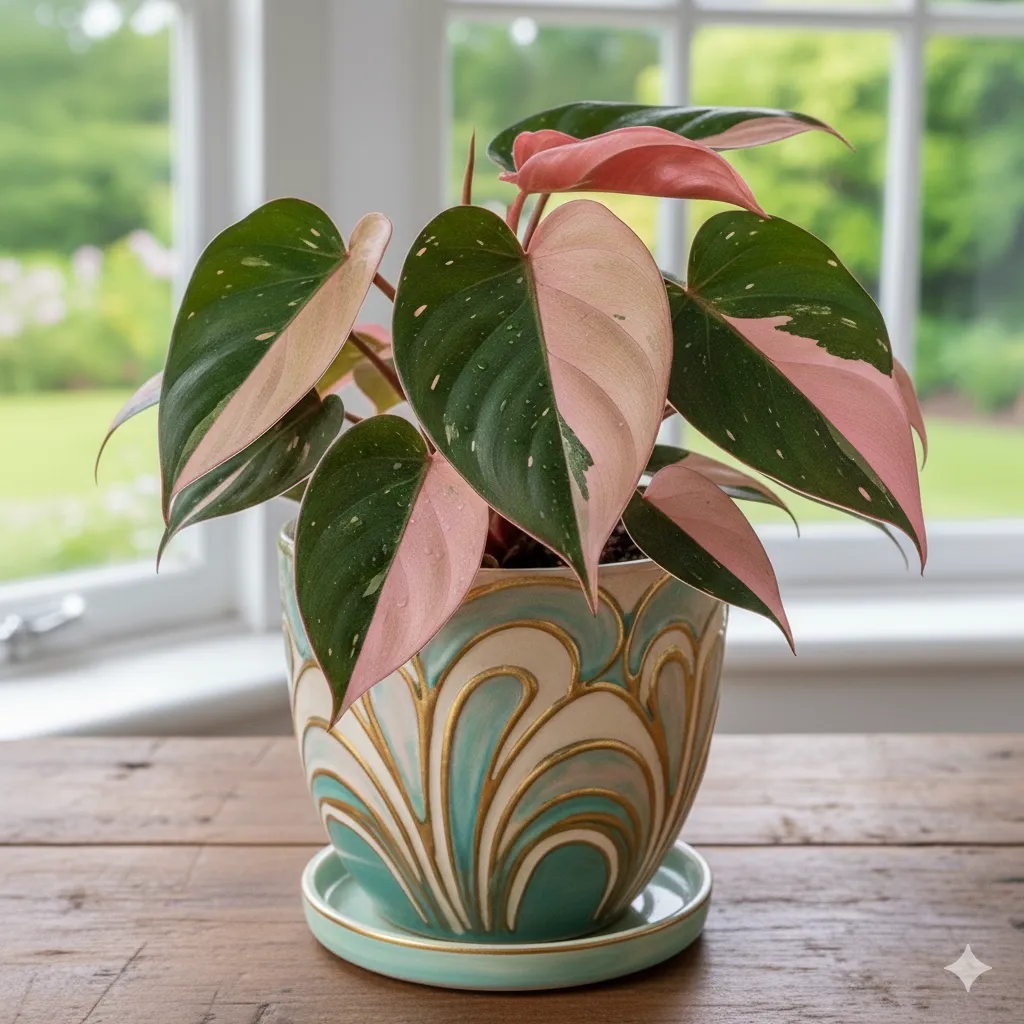
Your philodendron doesn’t need a pep talk—it needs a plan. If your leaves look sad, yellow, or crispy, your plant isn’t being dramatic. It’s telling you something.
Let’s decode those vibes and get your philodendron lush, green, and Instagram-ready without turning your home into a rainforest. Deal?
Meet Your Philodendron: What It Wants From You
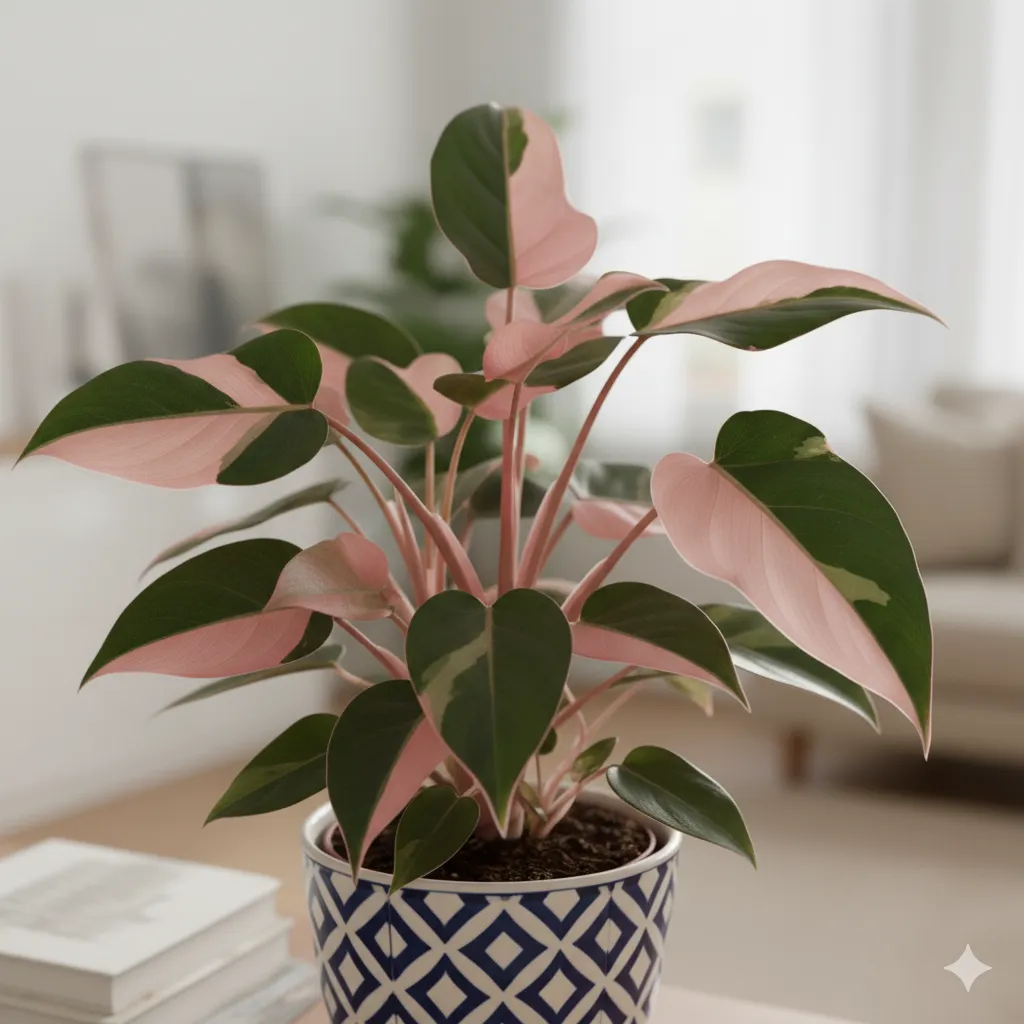
Your philodendron isn’t fussy, but it does have preferences. Think of it as a low-maintenance friend who still loves good lighting and a balanced diet.
Most philodendrons (heartleaf, Brasil, micans, selloum, gloriosum, etc.) thrive with similar care, but you should always adjust based on the specific variety. Key idea: Give it steady light, consistent moisture, and the right humidity, and it will reward you with glossy, green leaves that scream “main character energy.”
Light: Bright, But Not Blinding
Philodendrons love light, but they don’t want a sunburn. Aim for bright, indirect light—near a window with filtered sun or a few feet back from a bright exposure.
- Best spots: East-facing windows, or a few feet from a south or west window with sheer curtains.
- Too little light: Leggy growth, small leaves, dull color.
- Too much light: Yellow or brown patches, crispy edges.
Grow Lights, FYI
If your home feels like a cave, add a full-spectrum LED grow light for 10–12 hours daily. Keep it 12–18 inches above the plant to avoid leaf scorch.
IMO, grow lights are a game-changer for fuller, faster growth.
Watering: Consistency Over Guesswork
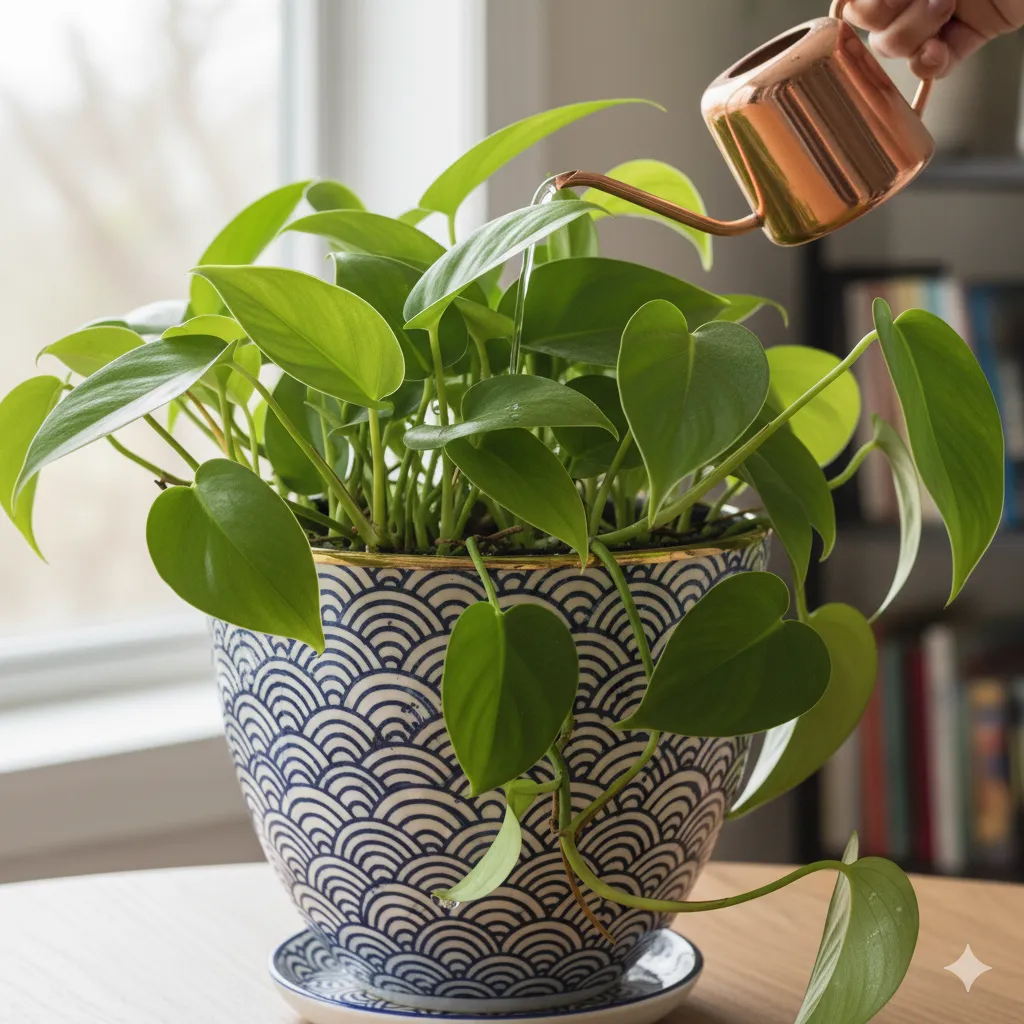
Overwatering kills more philodendrons than underloving. Your mission: keep the soil slightly moist, not soggy. Let the top 1–2 inches dry out before watering again.
- How to check: Use your finger, a moisture meter, or lift the pot—light pot = thirsty plant.
- When to water: Water thoroughly until it drains out the bottom.
Then let it rest.
- Never: Let the plant sit in water. Empty the saucer. Your roots need oxygen.
Seasonal Rhythm
Your plant drinks more in spring and summer (growth season) and less in fall and winter.
Adjust frequency, not volume. Same deep watering, just less often in cooler months.
Soil & Potting: Let It Breathe
Philodendrons like airy, fast-draining soil that still holds a bit of moisture. Regular potting soil alone compacts too much, so mix it up. Try this mix:
- 40% high-quality potting soil
- 30% perlite or pumice (drainage)
- 20% orchid bark (airflow)
- 10% coco coir or peat (moisture retention)
Pot choice matters: Use a pot with drainage holes, always.
Terracotta breathes and prevents overwatering, but dries faster. Plastic retains moisture longer—great for forgetful waterers.
When to Repot
Repot every 1–2 years or when roots circle the bottom or pop out of drainage holes. Go up just 1–2 inches in pot diameter.
Bigger isn’t better here; oversized pots stay wet too long.
Humidity & Temperature: Tropical, Not Sauna
Philodendrons come from tropical regions, but they don’t demand a greenhouse. Keep them in 40–60% humidity and 65–80°F (18–27°C). They hate cold drafts and sudden temperature dips.
- Boost humidity: Group plants, use a pebble tray, or run a small humidifier.
- Avoid: AC blasts, heating vents, and open winter windows.
Frost = heartbreak.
Misting: Helpful or Hype?
Misting increases humidity for approximately five minutes. It’s fine for a vibe, but it won’t replace a humidifier. Keep leaves clean instead (more on that next).
Fertilizing: Food = Bigger, Greener Leaves
Your philodendron doesn’t need fancy supplements, but it loves a steady snack.
During spring and summer, feed monthly with a balanced, water-soluble fertilizer (like 10-10-10 or 20-20-20) at half strength.
- Signs it’s hungry: Smaller new leaves, pale color, slower growth.
- Skip feeding: In winter or right after repotting (fresh soil already contains nutrients).
IMO: Slow-release fertilizer pellets work great for forgetful folks. Just don’t double-feed if you already use liquid.
Leaf Care: Shine Without the Gunk
Dust blocks light and slows photosynthesis. Wipe leaves every month with a damp cloth.
Add a drop of mild soap if they’re grimy. Skip leaf shine sprays—they clog pores and look weirdly plasticky.
Training and Support
Climbing types (like Philodendron hederaceum or scandens) love a moss pole or coco pole. Tie stems loosely with garden tape.
Vertical support = bigger leaves and happier plant.
Common Problems (And What Your Plant Is Telling You)
Your philodendron sends signals. Let’s translate.
- Yellow leaves: Overwatering or lack of light. Check roots and light levels.
- Brown, crispy edges: Underwatering or low humidity.
- Drooping: Could be thirsty or waterlogged.
Check soil moisture before doing anything.
- Leggy growth, tiny leaves: Not enough light. Move closer to a window or add a grow light.
- Dark spots with yellow halos: Possible bacterial/fungal issue. Remove affected leaves, improve airflow, and water the soil, not the leaves.
Pests: Catch Them Early
Look under leaves and along stems for:
- Spider mites: Tiny specks, fine webbing, stippled leaves.
- Mealybugs: White cottony clumps in leaf joints.
- Scale: Brown bumps that don’t wipe off easily.
Treat with neem oil, insecticidal soap, or rubbing alcohol swabs for mealybugs.
Repeat weekly until you win. Quarantine new plants for two weeks—trust me, it’s worth the paranoia.
Propagation: Make More Plants for Free
Philodendrons propagate like champs. Take a stem cutting with at least one node (the little bump where leaves and roots form).
Include a leaf or two. Two easy methods:
- Water propagation: Stick the node in water, change weekly, plant in soil when roots are 2–3 inches long.
- Soil propagation: Plant the node in moist, airy mix, cover loosely with a bag for humidity, and wait.
Rooting takes 2–6 weeks depending on light, warmth, and variety. Be patient—no one likes a helicopter parent hovering 24/7.
FAQs
Why are my philodendron leaves turning yellow?
Most likely overwatering or low light. Check if the soil stays wet for days—if yes, fix drainage, reduce watering frequency, and increase light.
Remove only the fully yellow leaves; slightly yellow leaves can recover if you correct the conditions.
Can I keep a philodendron in a low-light room?
You can, but expect slower growth and smaller leaves. If your room feels like a dim café, add a grow light. FYI, variegated types need more light to keep their patterns.
How often should I water?
Water when the top 1–2 inches of soil feel dry.
Frequency changes with season, pot size, and humidity. In summer it might be weekly; in winter it could be every 2–3 weeks. The soil tells the truth—trust it.
Is my philodendron safe for pets?
Nope.
Philodendrons contain calcium oxalate crystals that irritate mouths and stomachs if chewed. Keep them away from curious pets and provide pet-safe alternatives like cat grass.
Do I need a moss pole?
If your plant is a climber and you want bigger leaves, yes. A pole mimics their natural habit and encourages stronger growth.
If you like the trailing look, let it cascade from a shelf—no judgment.
What’s the best fertilizer?
A balanced, water-soluble fertilizer at half strength works great. Use it monthly in spring and summer. If you prefer set-and-forget, use a gentle slow-release formula and skip the liquid feed.
Conclusion
Philodendron care isn’t rocket science—it’s routine.
Give yours bright, indirect light, water when the top soil dries, use airy mix with drainage, and keep humidity reasonable. Feed during the growing season, clean the leaves, and fix issues early. Do that, and your philodendron will flex glossy, green leaves like it owns the room.
IMO, that’s the kind of plant drama we all want.
Next, learn Silver Streak Pothos Care Hacks For Vibrant Leaves.