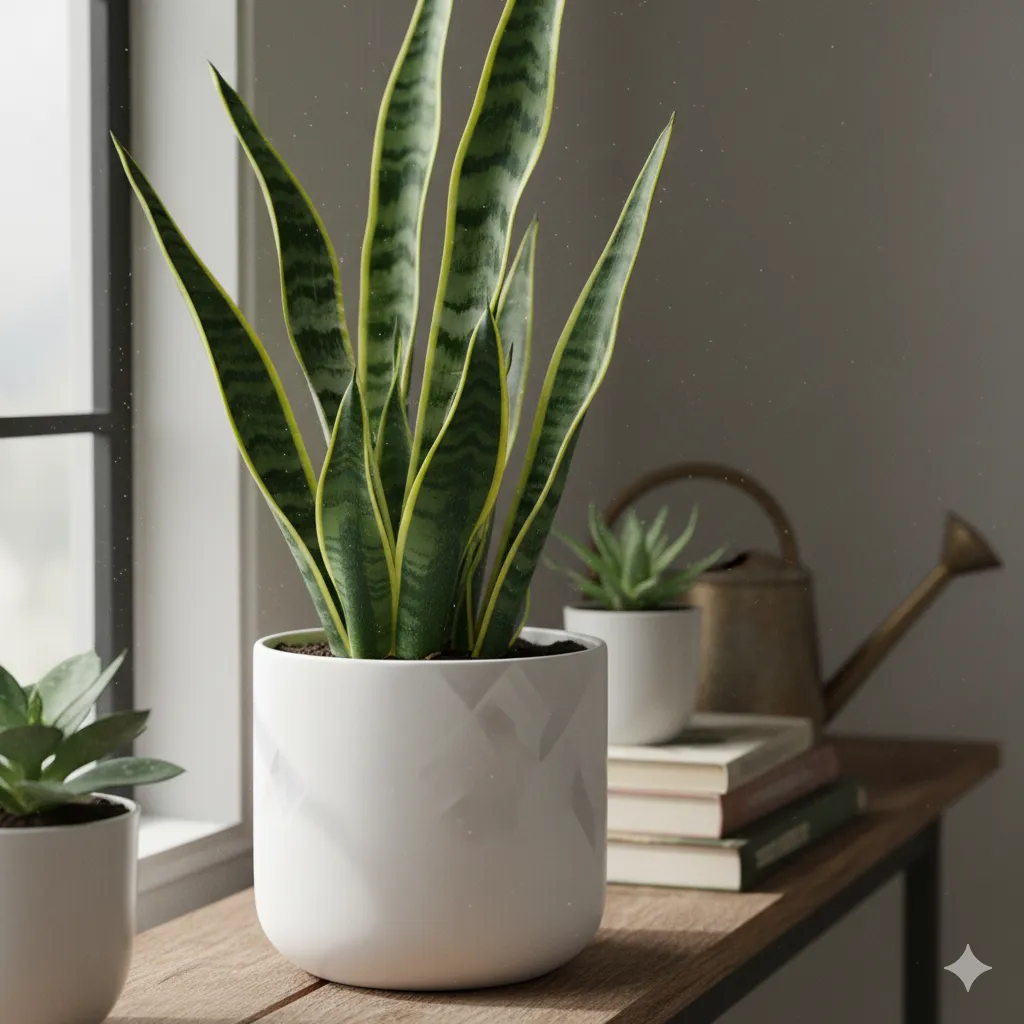
You brought home a snake plant because everyone swore it was indestructible, right? Good news: they were mostly correct. Better news: with a few smart hacks, you can go from “it survives” to “it thrives.” Let’s turn your Sansevieria from a stoic stick in a pot into a lush, upright show-off that barely needs you… but still appreciates you.
Know Your Snake (So You Don’t Accidentally Sabotage It)
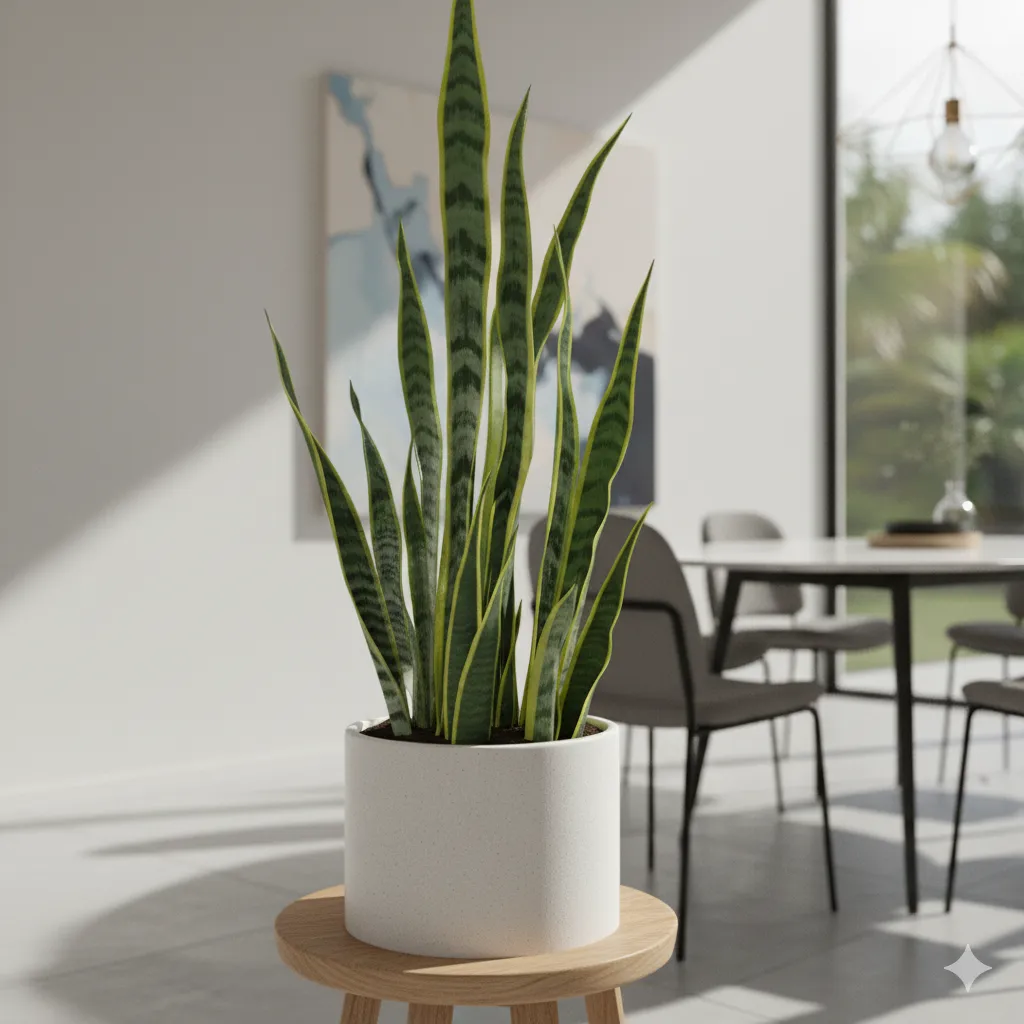
Snake plants store water in their leaves, which means they hate soggy soil and love neglect.
They also handle low light like a champ, but they grow faster in brighter conditions. Translation: bright, indirect light + infrequent water = happy leaves. Key vibe check:
- Light: Bright, indirect is best. Morning sun?
Great. Harsh afternoon sun? Meh, watch for crispy tips.
- Water: Less often than you think.
Let the soil dry completely between waterings.
- Temperature: 60–85°F is the comfort zone. Drafts and cold floors? Hard pass.
Watering Hacks That Prevent Mushy Leaf Tragedy
If your snake plant ever rotted, overwatering did it.
You can avoid that drama with a few tricks.
The Finger Test (Plus One Upgrade)
Stick your finger 2 inches into the soil. Feel moisture? Wait.
Dry? Water. Want an upgrade?
Use a cheap moisture meter and only water at “2” or lower. IMO, it’s the best $10 insurance policy.
Bottom Water Like a Pro
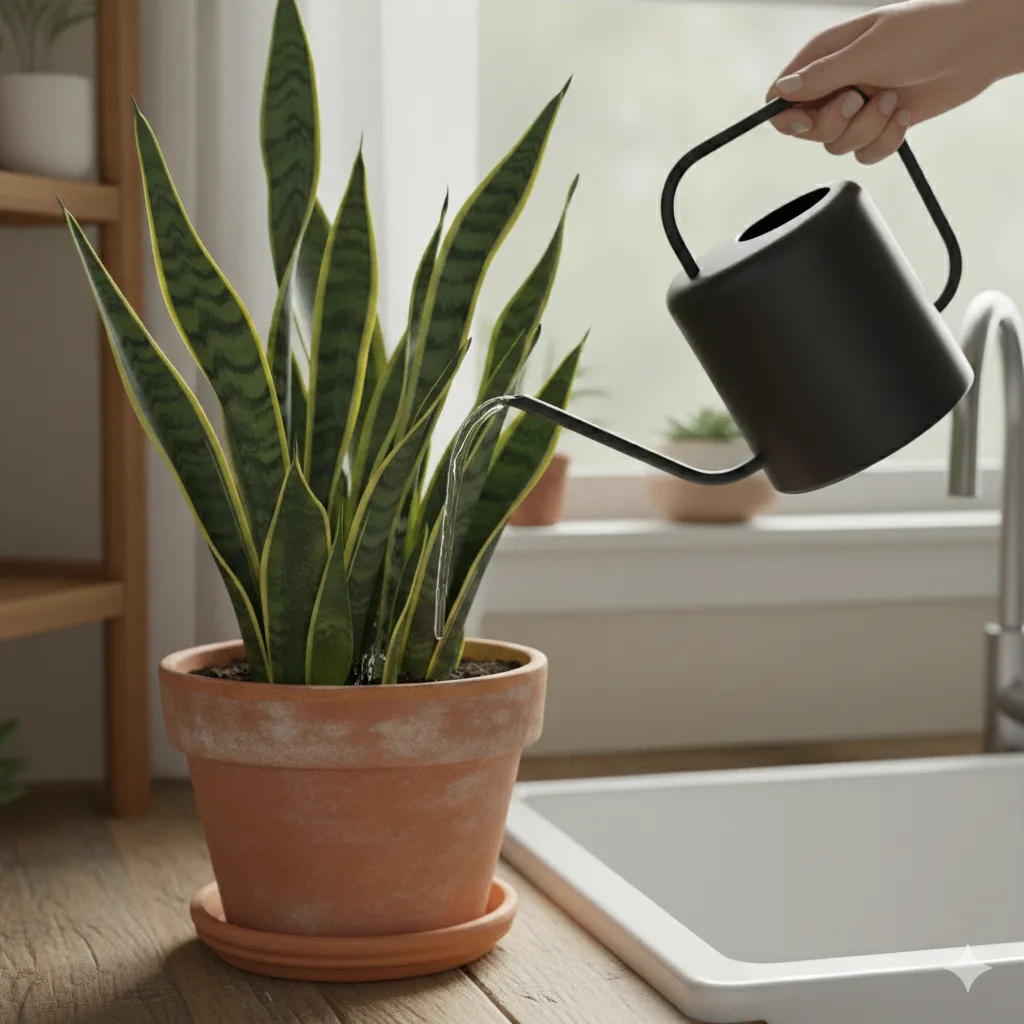
Set the pot in a shallow tray of water for 15–20 minutes. The soil wicks up moisture evenly and keeps the crown dry, which reduces rot risk.
Dump excess water. No “just one more minute” nonsense.
Build a Seasonal Rhythm
- Spring/Summer: Every 2–3 weeks, depending on light and heat.
- Fall/Winter: Every 4–6 weeks. Yes, seriously.
FYI: frequency depends on your home’s humidity and pot size, so adjust.
Soil and Pot: The Secret Sauce
Your soil choice matters more than your watering schedule.
Bad soil traps water. Good soil drains fast and saves your plant from your well-meaning enthusiasm.
Drainage Mix That Actually Works
Mix your own:
- 50% high-quality potting soil
- 25% perlite or pumice
- 25% orchid bark or coarse sand
Non-negotiable: a pot with a drainage hole. Decorative cachepot?
Fine. But keep the plant in a nursery pot inside it.
Pot Size Math (Don’t Upsize Too Fast)
Go up just one size when roots circle the pot or the plant gets top-heavy. A too-big pot keeps soil wet longer and encourages rot.
Think cozy, not spacious.
Light Tweaks That Supercharge Growth
Snake plants tolerate low light, but they don’t thrive in it. Want new leaves and faster growth? Amp up the light without frying them.
Rotate for Straight, Confident Leaves
Turn the pot a quarter turn every few weeks.
It prevents leaning and promotes even growth. No weird plant comb-over needed.
Window Placement Cheats
- East window: Chef’s kiss—gentle morning light.
- West window: Bright, but back it up a few feet.
- South window: Off to the side or behind a sheer curtain.
- North window: It’ll survive. Growth will crawl.
Consider a small grow light.
Grow Light Settings (If You Want Beast Mode)
Use a full-spectrum LED at 12–18 inches away for 8–10 hours/day. Snake plants don’t need tanning beds. Keep it moderate and consistent.
Fertilizer and Feeding Without Overdoing It
You can skip fertilizer and your plant will live.
But if you want lush new leaves, feed strategically.
- Timing: Spring and summer only. Monthly is plenty.
- Type: Balanced liquid fertilizer at half strength. Or a cactus/succulent formula.
- Stop feeding: In fall/winter.
The plant naps. Respect the nap.
Signs You Overdid It
Brown tips, yellow patches, or salt crust on soil mean you fed too much. Flush the soil with clean water and chill on fertilizer for a bit.
Pruning, Cleaning, and Propagation (aka Free Plants)
Prune to shape, clean to let it breathe, and propagate because free plants spark joy.
Pruning for Shape and Health
Snip damaged or floppy leaves at the base with clean scissors.
Want a tidier look? Remove older outer leaves first. The plant won’t cry.
You might, a little.
Leaf Shine? No. Gentle Wipe?
Yes.
Dust blocks light. Wipe leaves with a damp cloth every month. Skip oily leaf shine products—they clog pores and attract dust.
A tiny drop of mild soap in water works if leaves feel grimy.
Propagate Two Easy Ways
- Division: Best method. Separate clumps with their own roots and repot.
- Leaf cuttings: Cut a leaf into 2–3 inch sections. Let callus for 2–3 days, then stick upright in moist, gritty mix.
Note: variegated types often revert to green from cuttings.
Common Problems and Fast Fixes
Let’s troubleshoot like plant detectives.
- Yellow, mushy leaves: Overwatering or poor drainage. Repot in fast-draining mix and cut back on watering.
- Wrinkled, droopy leaves: Underwatering or prolonged heat. Water thoroughly and move from hot drafts.
- Brown tips: Low humidity, salts, or inconsistent watering.
Trim tips with clean scissors and flush the soil.
- Leaves falling over: Low light, oversized pot, or weak new growth. Increase light, stake temporarily, and check pot size.
- Pests (mealybugs, spider mites): Wipe with alcohol on a cotton swab, then spray with diluted neem or insecticidal soap weekly until gone.
Bonus Habits That Make a Big Difference
These tiny tweaks pay off over time.
- Use room-temp water: Cold shocks roots. Lukewarm keeps them chill (and alive).
- Keep off cold floors: Put a cork or wood trivet under winter pots to protect roots.
- Don’t crowd the crown: Leave a bit of space at the top of the pot for airflow and watering.
- Label your last water date: A sticky note or phone reminder keeps you honest.
Overwatering often = forgetful watering habits.
- Group with other plants: Slightly higher humidity, and it looks cute. Win-win.
FAQs
How often should I water my snake plant?
Water only when the soil dries out completely. In bright light during summer, that might mean every 2–3 weeks.
In winter or low light, every 4–6 weeks. Your home’s conditions matter more than the calendar, FYI.
Can snake plants live in low light?
Yes, they can survive low light and look decent. For growth, move them to bright, indirect light or add a grow light.
No light means no new leaves—plants aren’t magicians.
Why are my snake plant leaves curling or wrinkling?
They’re thirsty, too cold, or got blasted by heat. Water thoroughly, check that the pot drains, and keep it away from vents or drafty windows. You’ll see leaves firm up once it rehydrates.
Do snake plants clean the air?
They pull some toxins from the air, but not enough to replace ventilation.
They look amazing and they’re low-maintenance, which counts for something, IMO.
Is my snake plant toxic to pets?
Mildly toxic if ingested and can cause tummy upset for cats and dogs. Keep it out of reach if your pets treat plants like salad bars. Consider hanging planters or a tall stand.
When should I repot?
Every 2–3 years or when roots circle the pot, soil drains slowly, or the plant keeps tipping.
Go one pot size up and refresh the mix. Your plant will thank you with new growth spurts.
Closing Thoughts
Snake plants earn their “unkillable” reputation, but a few smart tweaks push them into thriving territory. Nail drainage, water less, aim for bright light, and keep the leaves clean.
Add a little fertilizer in growing season and divide when crowded. Do that, and your snake plant will stand tall, look glossy, and pretend it did it all by itself—classic snake plant energy.