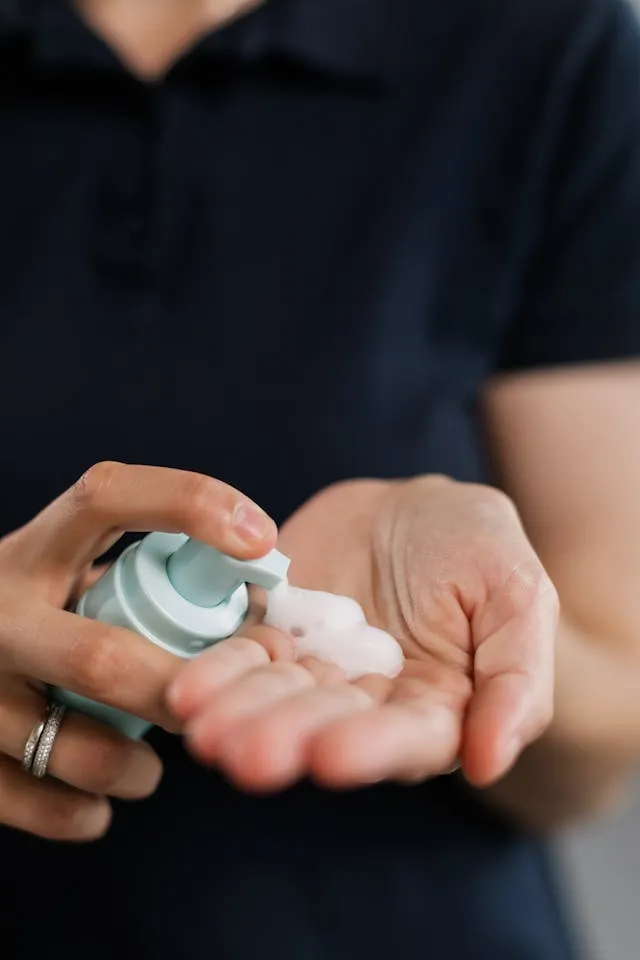
Foaming hand soap is one of those products that feels more complicated than it actually is. Most people assume the foam comes from a special ingredient—some proprietary formula that only big brands have access to. It doesn’t. The foam comes entirely from the dispenser pump. Foaming soap dispensers have a mesh screen inside the pump mechanism that aerates the liquid as it passes through, creating foam on contact.
What that means in practice is that any liquid soap diluted to the right consistency will foam in a foaming pump dispenser. The recipe is almost secondary to the container. Get the dispenser right and almost any combination of soap and water will work.
That said, the recipe does matter for how the soap feels on your skin, how well it cleans, how long it lasts, and whether it leaves hands feeling dry or moisturized. These six recipes cover the full range—from a basic two-ingredient dilution to antibacterial, moisturizing, and kids’ variations—so you can match the formula to what you actually need.
The One Thing You Need Before Anything Else: A Foaming Pump Dispenser
This is non-negotiable. Regular liquid soap in a foaming dispenser doesn’t work—it clogs the pump. Foaming soap in a regular pump dispenser doesn’t foam—it just comes out as thin liquid. The foaming pump is what makes the whole thing work.
You have two options:
- Reuse an empty foaming soap dispenser from a commercial product. Brands like Method, Bath & Body Works, and Dial all use foaming pumps. Rinse thoroughly before refilling.
- Buy a dedicated foaming pump bottle. Glass and plastic versions are widely available online and in home goods stores. Glass bottles are more durable and don’t absorb fragrance over time.
Do not use a standard lotion pump or regular soap dispenser. The mesh inside a foaming pump is specific to that mechanism.
The Basic Formula
The fundamental ratio for foaming hand soap is:
1 part liquid soap : 4–5 parts water
That’s it. One part soap to four or five parts water. The exact ratio depends on the thickness of the soap you’re starting with—thicker soaps like castile need more dilution; thinner liquid soaps need less. You’ll adjust based on your specific soap after the first batch.
The water goes in first, then the soap. Always. Adding soap first and then water creates a foam-filled bottle before you’ve even pumped it, which makes a mess and introduces air bubbles that can cause uneven dispensing.
What You’ll Need (Depending on the Recipe)
- A foaming pump dispenser (glass or plastic)
- Liquid castile soap or liquid hand soap concentrate
- Distilled water (preferred over tap—tap water introduces minerals that can cause buildup in the pump)
- Carrier oils (jojoba, sweet almond, fractionated coconut)
- Essential oils
- Aloe vera gel
- Vegetable glycerin
- Witch hazel
- Tea tree oil
- A small funnel
- A measuring cup
Recipe 1: Basic Castile Soap Foam (Simplest Starting Point)
Castile soap is the most versatile base for DIY foaming hand soap. It’s plant-based, biodegradable, effective at cleaning, and available unscented so you control the fragrance. Dr. Bronner’s is the most widely available brand, but any pure liquid castile soap works.
What you’ll need:
- 1 part liquid castile soap (roughly 2–3 tablespoons for a standard 8 oz dispenser)
- 4–5 parts distilled water
- 10–15 drops essential oil of choice (optional)
Instructions:
- Start with a clean, dry foaming dispenser. If reusing a bottle, rinse it thoroughly with hot water and allow to dry completely—soap residue from a previous formula can affect the new batch.
- Pour the distilled water into the bottle first, filling it to about 80% full. Using distilled water rather than tap prevents mineral buildup in the pump mechanism over time, which is the most common cause of foaming pumps clogging or dispensing unevenly.
- Add the castile soap slowly by pouring it down the inside of the bottle rather than directly into the water. This minimizes foaming inside the bottle before you’ve assembled the pump.
- Add the essential oils if using, dropping them directly into the bottle.
- Place the pump lid on the bottle and gently tip the bottle side to side a few times to mix. Don’t shake vigorously—this creates foam inside the bottle and makes the pump spit air for the first several pumps.
- Test the foam consistency. Pump once onto your hand and assess. If the foam is too watery and collapses immediately, the dilution is too thin—add a little more castile soap (half a tablespoon at a time) and re-test. If the pump struggles or clogs, the mixture is too thick—add more water a tablespoon at a time.
- Label the bottle with the date and contents. A batch made with distilled water and no added oils lasts up to four weeks at room temperature. With carrier oils added, use within two to three weeks.
Best for: Everyday hand washing, households that want a simple, natural, fragrance-free or lightly scented option.
Recipe 2: Moisturizing Foam Hand Soap (Best for Dry Hands)
Standard soap—even diluted castile—strips some natural oils from skin with repeated washing. If you wash your hands frequently or live in a dry climate, adding a small amount of carrier oil and glycerin to the formula makes a noticeable difference in how hands feel after washing. The key is keeping the oil addition small enough that it doesn’t separate from the water or clog the pump.
What you’ll need:
- 2 tablespoons liquid castile soap
- 1 teaspoon vegetable glycerin (draws moisture into the skin)
- 1 teaspoon jojoba oil or fractionated coconut oil (lightweight—won’t clog the pump)
- Distilled water to fill (about 1 cup for an 8 oz bottle)
- 10 drops lavender essential oil
- 5 drops vitamin E oil (optional—natural preservative and skin conditioner)
Instructions:
- Pour the distilled water into the bottle first, filling to about 75% capacity—slightly less than the basic recipe to leave room for the additional ingredients.
- Add the vegetable glycerin directly into the bottle. Glycerin mixes readily with water and doesn’t need to be pre-combined with anything.
- Mix the jojoba oil with the essential oils in a small dish before adding. Combining oils together first ensures they distribute more evenly throughout the formula rather than sitting in a separate layer.
- Add the oil mixture to the bottle, pouring down the inside edge slowly.
- Add the castile soap last, again pouring down the inside edge to minimize pre-foaming.
- Add vitamin E oil if using—just a few drops directly into the bottle.
- Gently tip side to side to combine without creating excessive foam inside the bottle.
- Test and adjust. Carrier oils add viscosity—this formula may need slightly more water than the basic recipe for the pump to dispense smoothly. Add water a tablespoon at a time if the pump feels sluggish.
Note on oils in foaming soap: More oil is not better. More than a teaspoon of carrier oil in an 8 oz bottle causes the formula to separate visibly and leaves a greasy residue on the pump nozzle. The small amount in this recipe is enough to feel the difference without causing those problems.
Best for: Frequent hand washers, dry skin, winter months, anyone whose hands feel tight after washing.
Recipe 3: Antibacterial Foam Hand Soap (Best for Kitchen and Bathroom)
Tea tree oil is a naturally occurring antimicrobial agent with documented effectiveness against a broad range of bacteria and fungi. It doesn’t replace alcohol-based hand sanitizer for killing viruses, but for everyday bacteria from cooking, handling raw food, and bathroom use, a tea tree-based foaming soap is a genuinely effective antibacterial option without the synthetic chemicals in commercial antibacterial soaps.
What you’ll need:
- 2 tablespoons liquid castile soap
- 1 tablespoon witch hazel (astringent, adds antibacterial effect, helps oils mix with water)
- 15 drops tea tree essential oil
- 5 drops eucalyptus essential oil (complementary antibacterial and pleasant scent)
- 5 drops peppermint essential oil (optional—refreshing and mildly antimicrobial)
- Distilled water to fill
Instructions:
- Pour distilled water into the bottle first, filling to about 75%.
- Add the witch hazel directly to the water. Witch hazel acts as a mild emulsifier that helps the essential oils distribute throughout the water-based formula rather than floating on top.
- Combine all essential oils in a small dish and mix before adding—this ensures even distribution rather than concentrated pockets of any single oil in the formula.
- Add the essential oil blend to the bottle, pouring slowly down the inside edge.
- Add the castile soap last, pouring down the inside edge.
- Tip gently side to side to combine without excessive foaming inside the bottle.
- Test the pump. Tea tree oil is quite thin and this formula may foam slightly differently than a plain castile recipe—adjust water or soap ratio as needed for your specific pump.
Important note on tea tree oil: Tea tree oil is effective but strong. Keep this formula away from young children who might accidentally ingest the foam, and avoid use on broken or very sensitive skin—at these concentrations it’s safe for most people but can cause irritation for a small number of sensitive individuals.
Best for: Kitchen sink soap, bathroom sink near the toilet, cold and flu season, households that prefer to avoid synthetic antibacterial chemicals.
Recipe 4: Aloe Vera Foam Hand Soap (Best for Sensitive Skin)
Aloe vera in liquid form adds soothing, anti-inflammatory properties to foaming hand soap without significantly affecting the formula’s consistency or pump performance. This is the best recipe for households with sensitive skin, eczema-prone skin, or anyone whose hands are frequently irritated by conventional hand soap.
What you’ll need:
- 2 tablespoons liquid castile soap
- 2 tablespoons aloe vera juice or thin aloe vera gel (not thick gel—it clogs the pump)
- 1 teaspoon vegetable glycerin
- 10 drops chamomile essential oil or lavender essential oil
- 5 drops frankincense essential oil (anti-inflammatory, skin soothing)
- Distilled water to fill
Instructions:
- Pour distilled water into the bottle, filling to about 70%—less than usual to account for the volume of aloe and glycerin.
- Add the aloe vera juice directly to the water and tip gently to mix. Use aloe vera juice or a very thin aloe gel—thick aloe gel doesn’t mix well with water and can partially clog the pump mechanism.
- Add the vegetable glycerin to the bottle.
- Combine the essential oils in a small dish before adding to ensure even distribution.
- Add the essential oil blend to the bottle.
- Add the castile soap last, pouring slowly down the inside edge.
- Tip gently side to side to combine.
- Check the consistency before using. Aloe vera adds slight viscosity—if the pump feels sluggish, add water a tablespoon at a time until it dispenses smoothly.
Best for: Sensitive skin, eczema, rosacea, anyone who experiences irritation from standard hand soaps, children with reactive skin.
Recipe 5: Kids’ Foam Hand Soap (Best for Getting Kids to Wash Their Hands)
The foam itself already makes hand washing more appealing to kids—it feels more like a game than a chore. This recipe makes the most of that by using a gentle, tear-free formula with a fun scent that kids actually want to use. The goal is mild, safe, and appealing enough that reminding kids to wash their hands becomes less of a battle.
What you’ll need:
- 2 tablespoons baby wash or gentle tear-free liquid soap (castile works but baby wash is even milder)
- 1 teaspoon vegetable glycerin
- 5 drops sweet orange essential oil (gentle, universally appealing scent)
- 3 drops lavender essential oil
- Food-safe cosmetic colorant (optional—a drop of blue or pink makes it visually fun)
- Distilled water to fill
Instructions:
- Pour distilled water into the bottle first, filling to about 80%.
- Add the vegetable glycerin to the water.
- Add the essential oils if using. Keep the total essential oil count low for children’s products—10 drops or fewer per 8 oz bottle. Avoid strong oils like tea tree, eucalyptus, peppermint, and clove in products for young children—they can cause skin and respiratory irritation in high concentrations.
- Add a single drop of cosmetic colorant if using, and tip gently to distribute the color before adding soap.
- Add the baby wash or gentle soap slowly down the inside edge.
- Tip gently to combine. Don’t shake.
- Test before giving to children. Pump once and check that it dispenses easily and produces good foam. A sluggish pump can frustrate kids and defeat the purpose—adjust water ratio if needed.
Safety note: Even gentle essential oils should be kept out of reach and not used on children under two without medical guidance. For babies and toddlers, skip the essential oils entirely—unscented is always the safest option for very young skin.
Best for: Children aged three and up, encouraging regular hand washing, households that want a gentle unmedicated formula for kids.
Recipe 6: Luxury Foam Hand Soap (Best for Guest Bathrooms)
This is the recipe for when you want the foam hand soap to feel like something from a boutique hotel—rich lather, a sophisticated scent, and skin that feels genuinely better after washing rather than just clean. It uses a combination of castile soap and a small amount of liquid Castile or Shikakai soap for a denser lather base, with premium carrier oils and a layered essential oil blend.
What you’ll need:
- 2 tablespoons liquid castile soap
- 1 tablespoon gentle liquid shampoo or Shikakai soap (adds lather density and silkiness)
- 1 teaspoon rosehip oil (lightweight, skin-nourishing)
- 1 teaspoon vegetable glycerin
- 5 drops vitamin E oil
- 10 drops rose or jasmine fragrance oil (essential oils work but fragrance oils give a stronger scent throw in rinse-off products)
- 5 drops bergamot essential oil
- 5 drops cedarwood essential oil
- Distilled water to fill
- Optional: a few dried rose petals pressed against the inside of a clear glass bottle for visual appeal
Instructions:
- Pour distilled water into the bottle, filling to about 70% to leave room for the additional liquid ingredients.
- Combine the rosehip oil, glycerin, and vitamin E in a small dish and mix before adding.
- Add the oil blend to the water, pouring slowly down the inside edge.
- Combine all fragrance and essential oils in a small dish and mix thoroughly.
- Add the combined scent blend to the bottle.
- Add the liquid shampoo or Shikakai soap, pouring down the inside edge.
- Add the castile soap last, also down the inside edge.
- Tip very gently to combine without foaming. This formula has more ingredients than the others and benefits from a slow, careful mix.
- If using a clear glass bottle with dried flowers: place the petals against the inside of the bottle with a thin skewer before filling with liquid, pressing them against the glass so they’re visible through the bottle.
- Test the pump carefully—this richer formula is closer to the maximum viscosity a foaming pump can handle. Add water a tablespoon at a time if the pump feels stiff.
Best for: Guest bathrooms, gifts, special occasions, anyone who wants a truly premium hand washing experience.
Recipe Comparison at a Glance
| Recipe | Best For | Skin Benefit | Complexity |
|---|---|---|---|
| Basic castile | Everyday use | Clean, simple | Very easy |
| Moisturizing | Dry, frequent washing | Hydrating | Easy |
| Antibacterial | Kitchen, cold season | Antimicrobial | Easy |
| Aloe vera | Sensitive, reactive skin | Soothing | Easy |
| Kids’ formula | Children aged 3+ | Gentle, mild | Very easy |
| Luxury blend | Guest bathrooms, gifting | Nourishing, premium feel | Moderate |
Troubleshooting Common Problems
The pump is clogging or dispensing unevenly. Almost always caused by too much oil, too thick a soap, or using tap water with high mineral content. Switch to distilled water, reduce the oil amount, and ensure the soap is fully diluted. If the pump has been used for a while, the mesh screen may have buildup—remove the pump and rinse the mechanism under hot water.
The soap separates in the bottle. Oil and water separate naturally over time—this is normal. A gentle tip of the bottle before each use redistributes them. If separation happens within minutes of mixing, reduce the oil content or add more witch hazel as an emulsifier.
The foam is too watery and collapses immediately. The dilution is too thin. Add more soap half a tablespoon at a time until the foam holds its structure for a few seconds on your palm.
The foam smells faint despite adding essential oils. Essential oils in rinse-off products have a weaker scent than in leave-on products—the water dilution and the brief contact time both reduce scent perception. For a stronger scent throw in foaming soap, use fragrance oils instead of essential oils (they’re formulated for rinse-off products and hold scent better), or increase the essential oil count slightly.
The soap leaves a residue on the pump nozzle. Usually caused by too much oil in the formula. Reduce oil content and ensure you’re using a lightweight oil like fractionated coconut or jojoba rather than a heavier oil like olive or castor.
How to Make Your Foam Hand Soap Last Longer
- Use distilled water. Tap water introduces bacteria and minerals that shorten shelf life and cause pump buildup.
- Add vitamin E oil (a few drops) to any recipe as a natural preservative that extends shelf life by a few extra weeks.
- Keep the bottle away from direct sunlight. UV exposure degrades essential oils and can encourage bacterial growth in water-based formulas.
- Make smaller batches more frequently rather than large batches that sit for months. Homemade foaming soap without commercial preservatives is best used within four to six weeks.
- Add a few drops of rosemary extract (ROE—rosemary oleoresin extract) as a natural preservative if you want to extend shelf life beyond four weeks without using synthetic preservatives.
FAQ
Can I use regular bar soap to make foaming hand soap? You can make a liquid from bar soap by dissolving shavings in hot water, but the resulting liquid is usually too thick and unpredictable for consistent foaming pump performance. Liquid castile soap or a dedicated liquid soap concentrate gives much more reliable results.
What’s the best essential oil for hand soap? For scent and skin benefit combined: lavender (calming, antibacterial), tea tree (strongly antimicrobial), lemon (uplifting, cuts grease), peppermint (refreshing, antimicrobial), and sweet orange (gentle, universally appealing). For scent alone, fragrance oils give stronger results in rinse-off products.
Can I refill a Bath & Body Works foaming dispenser? Yes—these are standard foaming pump dispensers and refill perfectly with homemade soap. Rinse thoroughly before refilling, especially if the original soap had a strong fragrance that you don’t want mixing with your new scent.
Is homemade foaming soap as effective at cleaning as commercial soap? For everyday hand washing, yes. Castile soap is a genuine surfactant that lifts dirt and bacteria from skin effectively. It doesn’t contain the synthetic antibacterial chemicals in commercial antibacterial soaps—but those chemicals (primarily triclosan) have been banned or restricted in many countries due to health concerns, and regular soap with proper technique is considered equally effective for everyday hand hygiene.
The Bottom Line
Foaming hand soap is genuinely one of the simplest DIY household products you can make—the dispenser does most of the work, and the recipe is mostly a matter of getting the dilution right for your specific soap and pump. Start with the basic castile recipe to get the feel for the ratios, then customize with the moisturizing or antibacterial variations depending on where the soap will be used. Make small batches, use distilled water, and store away from sunlight—and you’ll have a product that works better than most commercial foaming soaps at a fraction of the cost.
Enjoyed this project? Get even more DIY ideas that save (and make) you money.
Join our free newsletter for profitable DIY projects, clever cleaning hacks, home ideas, and creative crafts delivered straight to your inbox.
✓ Free forever • No spam • Unsubscribe anytime