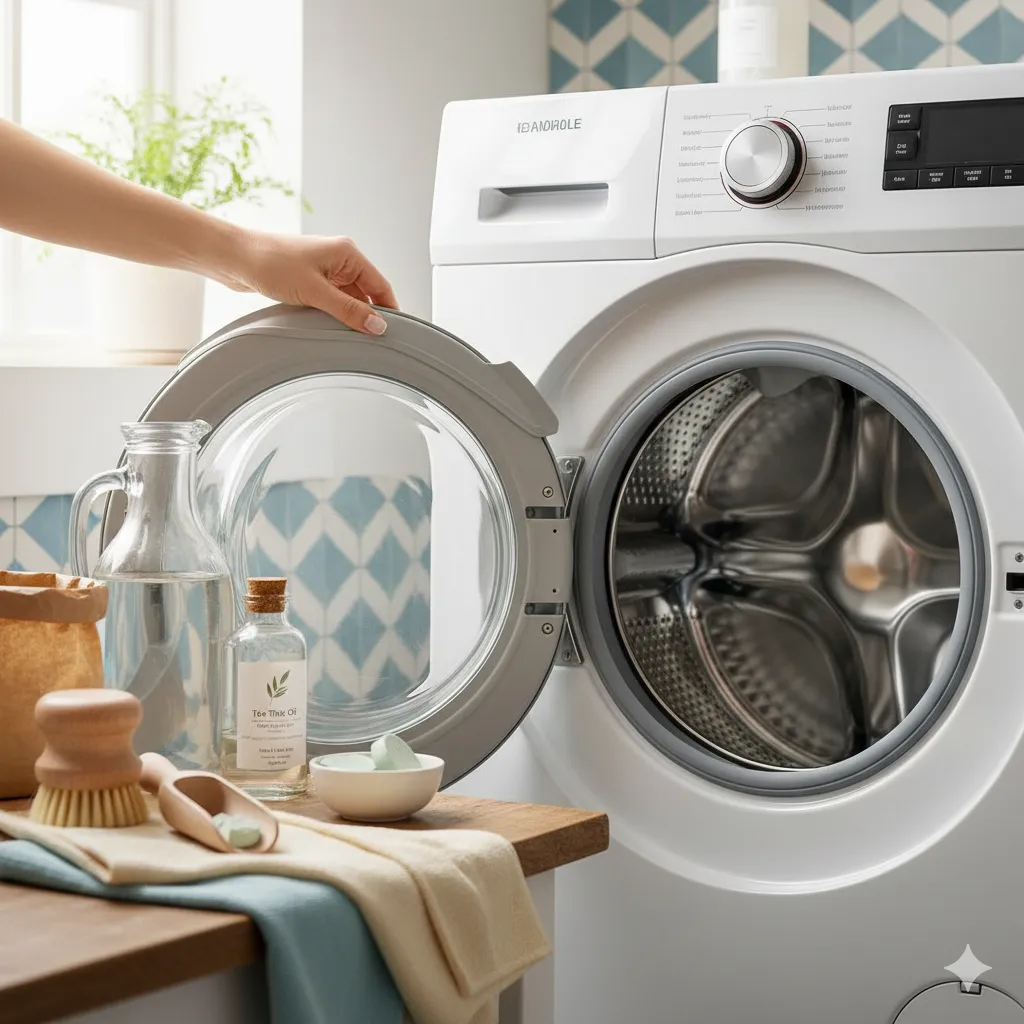
Throwing shoes in the washing machine feels like the easy solution until they come out misshapen, with cracked soles, faded colors, or a ruined structure. Most shoes—especially leather, suede, and anything with glued components—should never go near a washing machine. And even shoes that technically can be machine washed don’t need to be, most of the time.
The reality is that most shoe cleaning situations don’t require soaking or a spin cycle. Scuffs, dirt, stains, and odors can all be handled with the right technique and a few basic supplies. Here’s how to do it properly, by method and material.
What You’ll Need (Depending on the Method)
Not every method requires all of these, but it helps to have them on hand before you start:
- Soft-bristle brush or old toothbrush
- Microfiber cloth or clean white rags
- Baking soda
- White vinegar
- Dish soap or mild laundry detergent
- Magic eraser (melamine foam)
- Suede brush and suede eraser
- Rubbing alcohol
- Cornstarch or talcum powder
- A bowl of cool water
1. Dry Brushing for Everyday Dirt
This is the first thing you should do before any other cleaning method—and for light dirt, it’s often all you need.
Let mud and dirt dry completely before touching it. Trying to wipe wet mud off shoes smears it deeper into the fabric or leather. Once it’s dry, it brushes away cleanly.
Use a soft-bristle brush or an old toothbrush and work in short, firm strokes to knock the dirt loose. Brush away from seams and stitching, not into them. For mesh or fabric shoes, brush in the direction of the weave. For leather, any direction is fine. Do this outside or over a trash can—it’s dusty.
This method works on every shoe material and should always be your starting point.
2. Magic Eraser for White Soles and Scuffs
If you own white sneakers, a magic eraser is the single most effective tool you can have. It removes scuffs and yellowing from rubber soles better than almost anything else, with almost no effort.
Dampen the magic eraser slightly—just enough to activate it—and rub it along the rubber midsole and outsole in short strokes. You’ll see the scuffs lift almost immediately. For stubborn marks, apply a little more pressure and go over the area a second time.
A few things to know: magic erasers are abrasive, so don’t use them on the fabric or leather upper of the shoe—only on rubber and hard plastic parts. They wear down quickly, so keep a few on hand if you’re doing a full cleaning session.
3. Dish Soap and Water for Fabric and Canvas Shoes
For canvas sneakers, fabric shoes, and mesh athletic shoes, a mild dish soap solution handles most stains without saturating the shoe.
Mix a small amount of dish soap with cool water until it’s slightly sudsy. Dip a soft brush or cloth into the solution—you want it damp, not dripping—and scrub the dirty areas in circular motions. Work in small sections and wipe away the soap residue with a clean damp cloth as you go.
The key is using as little water as possible. You’re cleaning the surface, not soaking it. Too much water can warp the shoe’s shape, loosen glue, or leave watermarks on certain materials. Stuff the shoes with paper towels or newspaper after cleaning and let them air dry away from direct heat.
4. Baking Soda Paste for Stubborn Stains
For set-in stains on white or light-colored fabric shoes, a baking soda paste is remarkably effective.
Mix one tablespoon of baking soda with half a tablespoon of water and half a tablespoon of white vinegar to form a thick paste. Apply it directly to the stain using an old toothbrush, working it into the fabric with gentle circular scrubbing. Let it sit for 15–20 minutes—it will dry and slightly crust over, which is normal. Once dry, brush off the residue and wipe with a damp cloth.
This method is particularly good on the canvas toe box and sides of white sneakers where scuffs and grey marks accumulate. It won’t bleach the fabric, but it lifts discoloration noticeably.
5. How to Clean Leather Shoes Without Washing
Leather should never be soaked in water—it dries out the material, causes cracking, and can permanently distort the shape. Cleaning leather shoes is about surface treatment, not saturation.
For general cleaning, wipe the shoe down with a slightly damp microfiber cloth to remove surface dust and light dirt. For scuffs, a small amount of white toothpaste (not gel) rubbed in with a soft cloth and then wiped clean works surprisingly well on smooth leather.
For a deeper clean, use a dedicated leather cleaner or a few drops of dish soap on a damp cloth—never applied directly to the shoe. Work it in gently, then wipe away with a clean damp cloth and buff dry immediately. Follow up with a leather conditioner to restore moisture, especially after any water contact. Skipping this step is how leather shoes end up cracking over time.
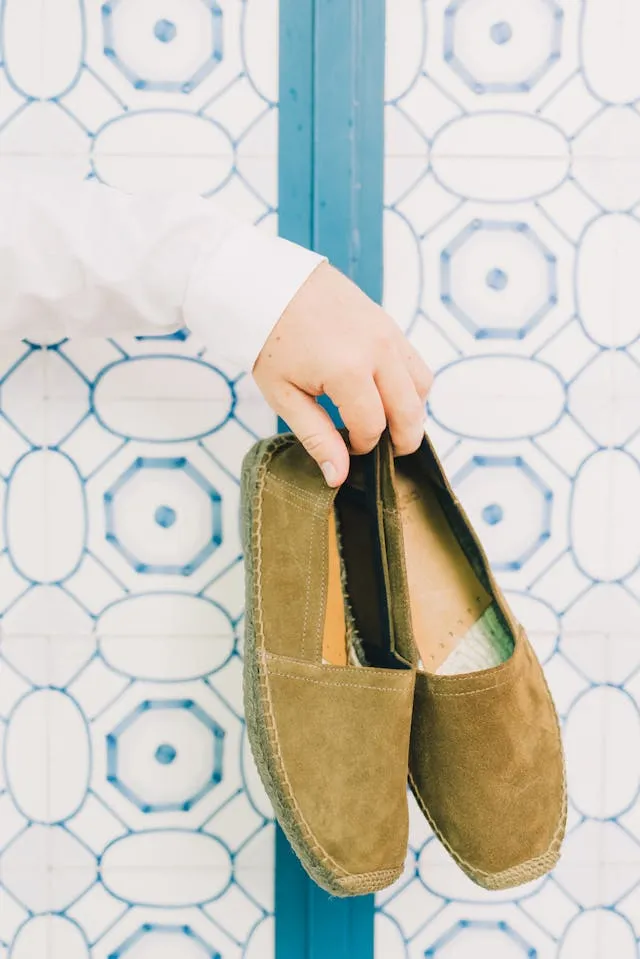
6. How to Clean Suede Shoes Without Washing
Suede is the most high-maintenance shoe material, and water is its enemy. Even a little moisture can leave permanent watermarks if not handled correctly.
For dry dirt and surface marks, use a suede brush to gently brush the nap back to life. Always brush in one direction—against the grain to loosen dirt, then with the grain to restore the texture. For scuffs and tougher marks, a suede eraser (which looks like a regular pencil eraser) works by gently abrading the surface to lift the mark without damaging the nap.
For stains that have already dried, let them dry completely—never rub a wet stain on suede. Once dry, use the eraser first, then the brush. If a watermark has formed, lightly dampen the entire panel of the shoe with a very fine mist of water and let it dry evenly. This sounds counterintuitive but it prevents the ring-shaped watermark from setting permanently.
7. Rubbing Alcohol for Tough Stains and Ink
Rubbing alcohol is effective on fabric and mesh shoes for stains that soap and water won’t touch—ink, some food stains, and sticky residue.
Dab a small amount onto a cotton ball or clean cloth and blot the stain—don’t rub. Rubbing spreads the stain and pushes it deeper into the fabric. Work from the outside edge of the stain toward the center. You may need several passes with a clean section of cloth each time.
Test rubbing alcohol on a hidden area first, particularly on colored shoes, as it can sometimes cause slight fading on certain dyes.
8. Baking Soda for Odor Removal
Cleaning the outside of a shoe means nothing if it still smells. Odor lives inside the shoe—in the insole and lining—and no amount of surface cleaning addresses it.
Sprinkle a generous amount of baking soda inside each shoe and leave it overnight, or ideally for 24 hours. The baking soda absorbs moisture and neutralizes the odor-causing bacteria rather than just masking the smell. Shake it out thoroughly before wearing.
For persistent odor, remove the insoles and sprinkle baking soda on them separately. If the insoles are the source of the smell and they’re removable, set them out in sunlight for a few hours—UV light kills odor-causing bacteria effectively.
Material-by-Material Quick Reference
| Shoe Material | Best Method | What to Avoid |
|---|---|---|
| White canvas/fabric | Baking soda paste, dish soap | Too much water, bleach |
| Mesh/athletic | Dish soap solution, rubbing alcohol | Machine washing, heat drying |
| Smooth leather | Damp cloth, leather cleaner | Soaking, harsh chemicals |
| Suede | Suede brush and eraser | Water, soap, rubbing |
| Rubber soles | Magic eraser | Abrasive scrubbers on uppers |
| Patent leather | Damp microfiber cloth | Alcohol, acetone |
Tips to Keep Shoes Clean Longer
- Treat new shoes with a protective spray before the first wear. A water and stain repellent spray creates a barrier that makes future cleaning much easier.
- Clean shoes promptly after getting them dirty. Fresh stains are dramatically easier to remove than dried, set-in ones.
- Rotate your shoes. Wearing the same pair every day accelerates wear and gives dirt and moisture no time to dry out properly between uses.
- Use shoe trees for leather shoes. They absorb moisture and maintain the shape, reducing the creasing where dirt tends to collect.
FAQ
Can I use a toothbrush on all shoe types? A soft-bristle toothbrush is safe on fabric, canvas, rubber, and leather. Don’t use it on suede—the bristles are too stiff and will damage the nap. Use a dedicated suede brush instead.
How do I clean the inside of shoes without washing them? Baking soda overnight handles odor. For visible staining inside the shoe, a cloth lightly dampened with rubbing alcohol can clean the lining without soaking it.
Can I use bleach on white shoes? Only on rubber soles, and very diluted. Bleach on fabric can yellow it over time rather than whiten it, especially if not rinsed thoroughly.
How often should I clean my shoes? Wipe them down after every few wears to prevent buildup. A deeper clean every two to four weeks for regularly worn shoes keeps them in good condition long-term.
The Bottom Line
A washing machine is a last resort, not a first instinct. Most shoe cleaning situations—scuffs, dirt, stains, odors—respond better to targeted methods than to a full soak. Match the method to the material, use as little water as possible, and always let shoes dry naturally away from heat. Get in the habit of a quick dry brush after every wear and you’ll rarely need to do anything more intensive than that.
Enjoyed this project? Get even more DIY ideas that save (and make) you money.
Join our free newsletter for profitable DIY projects, clever cleaning hacks, home ideas, and creative crafts delivered straight to your inbox.
✓ Free forever • No spam • Unsubscribe anytime