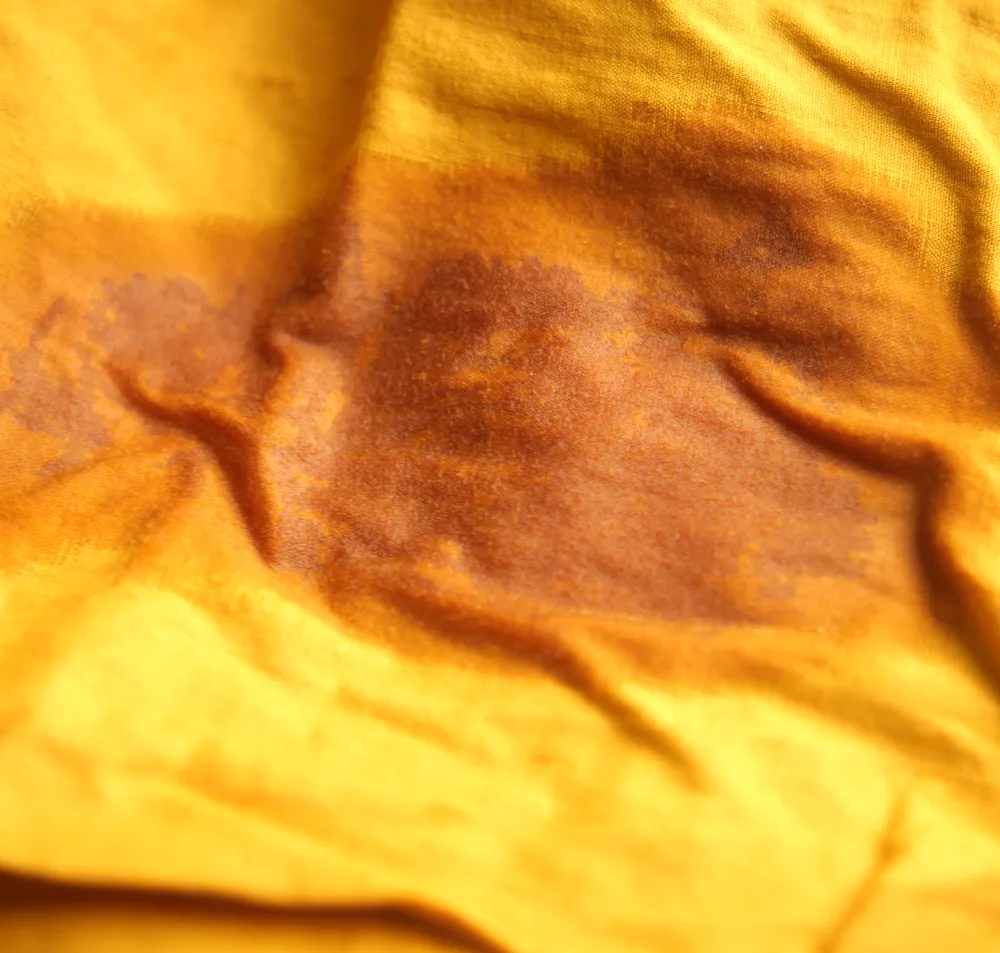
Urine smell in clothing is one of the most persistent laundry problems there is—and one of the most common. It affects parents dealing with toddler accidents, caregivers washing elderly relatives’ clothing, pet owners whose animals have marked laundry left on the floor, and anyone who’s washed a urine-stained item and pulled it out of the dryer only to find the smell is worse than before.
That last scenario—urine smell that survives washing and intensifies in the dryer—is the most common complaint, and it happens for a specific reason. Urine contains uric acid crystals that bond to fabric fibers. Heat from the dryer sets these crystals permanently, making the smell nearly impossible to remove afterward. Standard laundry detergent doesn’t break down uric acid—it masks other odors but leaves uric acid untouched.
Understanding this is the key to fixing the problem. The smell doesn’t persist because you haven’t washed the item thoroughly enough. It persists because standard washing doesn’t target the specific compound causing it.
This guide covers eight methods from the simplest household fixes to advanced treatments for clothing that has been washed and dried multiple times without the smell resolving.
Why Urine Smell Is So Difficult to Remove
Urine is a complex mixture—water, urea, creatinine, dissolved salts, and uric acid. Most of this mixture washes out with standard detergent. The problem is uric acid, which:
- Bonds strongly to fabric fibers and isn’t soluble in plain water
- Isn’t broken down by standard detergent chemistry
- Becomes less soluble when dried or heated—which is why machine drying sets the smell permanently
- Reactivates with moisture—which is why clothing that seemed odor-free when dry smells strongly again when worn and warm from body heat or light perspiration
The solution to all of these properties is either an enzymatic cleaner (which biologically breaks down uric acid at a molecular level) or an acid-based treatment (which dissolves the uric acid crystals without enzyme action). Both work; they just operate through different mechanisms.
Before You Start: The Most Important Rule
Never put urine-stained clothing in the dryer until you are completely certain the smell is gone. Smell the item while it’s still damp after washing—if any urine odor remains, don’t dry it. The dryer’s heat sets uric acid crystals into the fabric permanently, at which point removal becomes extremely difficult even with the most powerful treatments.
Air dry until the smell is resolved. Then dry.
What You’ll Need (Depending on the Method)
- White vinegar
- Baking soda
- Dish soap
- Hydrogen peroxide (3%)
- Enzymatic laundry cleaner or pet stain remover
- Borax
- OxiClean or oxygen bleach
- Laundry detergent
- A washing machine
- A bucket or basin for soaking
- Rubber gloves
Method 1: White Vinegar Wash (Best First-Response Treatment)
White vinegar is the most accessible first treatment for urine-smelling clothing—it’s acid-based, which means it dissolves uric acid crystals directly, and it neutralizes the alkaline odor compounds in urine simultaneously. It doesn’t mask the smell the way fragrance-based products do—it chemically changes the compounds responsible for it.
- Act before machine washing if the clothing is freshly soiled. Rinse the item in cold water immediately to remove as much urine as possible before the uric acid bonds deeply to the fibers. Cold water only—hot water sets uric acid just as heat from the dryer does.
- Fill a basin or sink with cold water and add one cup of white vinegar. Submerge the clothing and allow to soak for 30 minutes to one hour. For heavily soiled items or clothing that has already been through a standard wash without resolving the smell, soak for two to three hours.
- After soaking, transfer the clothing to the washing machine without rinsing out the vinegar—the residual vinegar in the fabric continues to work during the wash cycle.
- Add your regular laundry detergent to the machine as normal.
- Add another half cup of white vinegar to the fabric softener dispenser. This releases during the rinse cycle and provides a final acid treatment of the fibers.
- Wash on cold using a full cycle.
- Do not add fabric softener. Fabric softener coats fabric fibers with a waxy residue that traps odor compounds rather than allowing them to rinse away. Skip it entirely for urine-affected clothing.
- Remove from the machine immediately when the cycle ends—damp clothing left in the machine develops additional odor that compounds the problem.
- Smell the item while still damp. If any urine odor remains, repeat the soak before drying. If the smell is gone, air dry away from direct heat.
Best for: Fresh urine accidents, first-time treatment of urine-affected clothing, mild to moderate urine smell.
Method 2: Baking Soda Treatment (Best for Odor Absorption)
Baking soda works differently from vinegar—instead of dissolving uric acid chemically, it absorbs odor compounds and neutralizes acidic odor molecules through an alkaline reaction. It’s less powerful than enzymatic treatment for uric acid specifically but is excellent as a complementary treatment or for mild urine odor that hasn’t bonded deeply to the fibers.
- Pre-rinse in cold water if the item is freshly soiled.
- Wet the clothing and lay flat or hang in a basin.
- Sprinkle baking soda generously over the affected areas, working it into the fabric with your fingers or a soft brush. For a full garment with overall urine smell, mix half a cup of baking soda with enough water to form a thin paste and work it through the entire fabric.
- Allow to sit for 30 minutes for mild odor, up to several hours for stronger smell. The baking soda needs contact time to absorb odor compounds from the fibers.
- Add the clothing directly to the washing machine without rinsing off the baking soda—it continues working during the wash cycle and helps soften the water, which improves detergent effectiveness.
- Add your regular laundry detergent plus an additional half cup of baking soda directly to the drum.
- Wash on cold.
- Air dry and assess. For mild urine odor, baking soda treatment often resolves the smell completely. For stronger or more established odor, follow with the enzymatic cleaner method (Method 4).
Best for: Mild urine odor, as a complementary treatment alongside other methods, toddler accidents caught quickly, baby clothing with light odor.
Method 3: Vinegar and Baking Soda Combined (Best Simple Two-Step Treatment)
Using vinegar and baking soda sequentially—not simultaneously, which neutralizes both—combines acid-based uric acid dissolution with odor absorption for a more thorough result than either alone. This is the most effective purely household-ingredient method and handles moderate urine smell reliably.
- Soak in the vinegar solution exactly as described in Method 1—one cup of white vinegar in cold water, soak for one to two hours.
- After soaking, add the clothing to the washing machine without rinsing.
- Add laundry detergent as normal.
- Add half a cup of baking soda directly to the drum with the clothing.
- Add half a cup of white vinegar to the fabric softener dispenser.
- Wash on cold.
- Smell while damp and air dry only if the smell is fully resolved.
Important: Do not add baking soda and vinegar at exactly the same time—the fizzing reaction that makes them effective in other applications (like drain cleaning) is not useful in the washing machine and can cause overflow from excess bubbling. Add baking soda to the drum and vinegar to the dispenser—they enter the machine at different points in the cycle and work sequentially rather than simultaneously.
Best for: Moderate urine smell that hasn’t fully responded to vinegar or baking soda alone, clothing that has been through one unsuccessful standard wash.
Method 4: Enzymatic Cleaner (Most Effective Overall Treatment)
Enzymatic cleaners are the gold standard for urine odor removal—not just in clothing but on any surface. They work by a completely different mechanism from every other method on this list: instead of dissolving or masking urine compounds, they contain specific enzymes (primarily proteases and uricases) that biologically break down uric acid and other urine compounds at a molecular level. No organic compound remaining means no odor—not masked, not reduced, genuinely eliminated.
This is the method to use when other treatments haven’t worked, when clothing has been through the dryer with the smell still present, or for severe or repeated urine contamination.
- Choose an enzymatic cleaner specifically formulated for urine—pet stain removers like Nature’s Miracle, Rocco & Roxie, or Bubbas Super Strength are designed exactly for this purpose and work equally well on human urine. Look for “enzyme” or “enzymatic” on the label.
- Pre-rinse in cold water if the item is fresh.
- Apply the enzymatic cleaner generously to the affected areas—more thoroughly than feels necessary. For clothing with overall urine smell rather than a specific stained area, apply throughout the entire garment.
- Work the cleaner into the fabric with your fingers or a soft brush to ensure it penetrates the fiber rather than just sitting on the surface.
- Allow to dwell for the full time specified on the product label—typically 15–30 minutes minimum, up to several hours for severe or set-in odor. This dwell time is the most important step. Enzymes need time to break down the uric acid completely—rinsing before the dwell time is complete means the enzymes haven’t finished working.
- For clothing that has been through the dryer with the smell still present, allow the enzymatic cleaner to dwell for a minimum of two to four hours—the heat from the dryer has set the uric acid more deeply and the enzymes need more time.
- Add the clothing to the washing machine with laundry detergent and wash on cold.
- Do not add vinegar to the same wash cycle as enzymatic cleaner—vinegar’s acidity deactivates the enzymes and reduces the cleaner’s effectiveness.
- Air dry completely and smell before considering the treatment complete.
- Repeat if any odor remains. Severe or heat-set urine odor may require two or three enzymatic treatments—each treatment reduces the odor further even when a single treatment isn’t sufficient.
Best for: Severe urine odor, clothing that has been through the dryer with the smell intact, repeated urine contamination, elderly care clothing with chronic urine odor, pet-related urine contamination on clothing.
Method 5: Hydrogen Peroxide Treatment (Best for White and Light-Colored Clothing)
Hydrogen peroxide is an oxidizing agent that breaks down organic compounds—including uric acid—through a different chemical mechanism than vinegar or enzymes. It’s particularly effective on white and light-colored clothing where its mild bleaching action isn’t a concern, and it’s more powerful than vinegar for deeply set uric acid that has been in the fabric for an extended period.
- Test on a hidden area first. 3% hydrogen peroxide is safe for most white and light-colored fabrics but can lighten some dyes. Apply to a hidden seam and allow to dry before proceeding.
- Mix a treatment solution: combine one cup of 3% hydrogen peroxide with one tablespoon of dish soap and two tablespoons of baking soda in a bowl. Stir gently—don’t shake, which creates excessive foam.
- Apply the solution generously to the urine-affected areas and work it into the fabric.
- Allow to dwell for 30–60 minutes. The peroxide needs contact time to oxidize and break down the uric acid crystals.
- Rinse thoroughly with cold water before machine washing to prevent the peroxide from continuing to bleach the fabric during the hot part of the wash cycle.
- Machine wash with laundry detergent on cold.
- Air dry and assess.
Important: Never use hydrogen peroxide on dark, bright, or deeply colored clothing—even 3% concentration will lighten most dyes noticeably. For colored clothing, use the enzymatic cleaner method instead.
Best for: White clothing, light-colored cotton items, set-in urine odor in light fabrics, as an alternative to enzymatic cleaner when none is available.
Method 6: Borax Soak (Best for Heavily Soiled or Repeatedly Contaminated Clothing)
Borax is a naturally occurring mineral compound that works as both an odor neutralizer and a laundry booster. It raises the pH of wash water, which creates an environment that breaks down urine compounds effectively, and it has a specific affinity for uric acid that makes it more effective than baking soda for repeated or heavy contamination.
- Dissolve half a cup of borax in a bucket of hot water, stirring until fully dissolved. The water should be hot for dissolving, but allow it to cool slightly before adding clothing to avoid setting the odor with heat.
- Add the clothing to the borax solution once it has cooled to warm rather than hot.
- Soak for two to four hours—longer for severe or repeated contamination. Borax works more slowly than enzymatic cleaners but builds effectiveness over the soak period.
- Transfer to the washing machine without rinsing out the borax solution.
- Add laundry detergent and wash on the warmest temperature safe for the fabric—borax works better with warmer water than the cold recommended for other methods. Check care labels before using warm or hot water.
- Add another quarter cup of borax to the wash drum with the detergent for additional treatment during the cycle.
- Air dry and assess. Borax treatment is particularly effective for clothing that has had recurring urine exposure over time—it penetrates deep buildup better than single-treatment methods.
Best for: Elderly care clothing with repeated urine exposure and deep fiber contamination, heavily soiled items, situations where enzymatic cleaners haven’t been fully effective.
Method 7: OxiClean Soak (Best Advanced Treatment for Set-In Odor)
Oxygen bleach—OxiClean and similar products—releases oxygen ions that break down organic compounds including uric acid through oxidation. It’s safe for colors (unlike chlorine bleach), more powerful than baking soda, and works on set-in odor that has survived multiple standard washing cycles.
- Fill a bucket or basin with the hottest water safe for the fabric type and dissolve OxiClean according to the package directions—typically one scoop per gallon of water.
- Fully submerge the clothing and press down to ensure complete saturation.
- Soak for a minimum of one hour for moderate odor, up to six hours for severe or set-in smell. OxiClean becomes less active after about six hours—don’t soak overnight.
- After soaking, wring out the clothing and transfer to the washing machine.
- Add laundry detergent and a scoop of OxiClean to the wash drum.
- Wash on the warmest temperature safe for the fabric—OxiClean is more effective at higher temperatures.
- Rinse very thoroughly—OxiClean residue in fabric can cause skin irritation with extended contact.
- Air dry and smell while damp. OxiClean treatment often produces significant improvement even on clothing that has been previously washed and dried with the smell intact.
Best for: Set-in urine odor that has survived previous washing cycles, clothing that went through the dryer before the smell was fully resolved, advanced treatment after simpler methods have been insufficient.
Method 8: Multi-Step Treatment for Dryer-Set Urine Smell (For the Most Stubborn Cases)
When urine odor has been set by the dryer—one of the most stubborn laundry problems—a single treatment is rarely sufficient. This multi-step protocol combines the most effective elements from several methods in a specific sequence designed to work through progressively deeper levels of fiber penetration.
This protocol is for clothing where:
- The item has been through the dryer with urine odor present
- Multiple standard washing cycles have not resolved the smell
- The odor is noticeable when the clothing is worn even after washing
Step 1: Cold water soak with vinegar (Day 1)
- Soak the clothing in cold water with two cups of white vinegar for three to four hours.
- Do not rinse. Add directly to the washing machine with detergent and wash on cold.
- Air dry—do not use the dryer.
- Assess smell while damp.
Step 2: Enzymatic treatment (Day 1 or 2)
- Apply enzymatic cleaner generously to the entire garment while still damp from the vinegar wash.
- Place in a sealed plastic bag to prevent the cleaner from drying out.
- Allow to dwell in the sealed bag for four to eight hours—or overnight for maximum penetration.
- Remove from the bag and machine wash on cold with detergent.
- Air dry and assess.
Step 3: OxiClean soak (Day 2 or 3, if odor remains)
- Soak in OxiClean solution for four to six hours as described in Method 7.
- Machine wash on the warmest safe temperature with detergent.
- Air dry completely.
- Smell only when fully dry—heat-set odor in particular may not be detectable until the item is completely dry.
Step 4: Borax wash (If any odor remains) Add half a cup of borax to a final wash cycle with detergent at the warmest safe temperature. This final borax treatment addresses any residual uric acid that the previous steps have loosened but not fully removed.
Important: Between every step, smell the item while damp. Do not use the dryer at any point during this protocol until the smell is completely gone after Step 4.
Best for: Clothing where urine odor has been set by the dryer, items with years of accumulated urine exposure, cases where every single previous method has been insufficient.
Method Comparison at a Glance
| Method | Best For | Difficulty | Time Required |
|---|---|---|---|
| White vinegar wash | Fresh to moderate odor | Easy | 1–3 hours |
| Baking soda | Mild odor, absorption | Easy | 30 min–several hours |
| Vinegar + baking soda | Moderate odor | Easy | 1–2 hours |
| Enzymatic cleaner | All levels, most effective | Easy | 30 min–several hours |
| Hydrogen peroxide | White/light clothing | Easy | 30–60 min |
| Borax soak | Heavy/repeated contamination | Easy | 2–4 hours |
| OxiClean soak | Set-in odor | Easy | 1–6 hours |
| Multi-step protocol | Dryer-set, stubborn odor | Moderate | 1–3 days |
Why Your Washing Machine Might Be Making It Worse
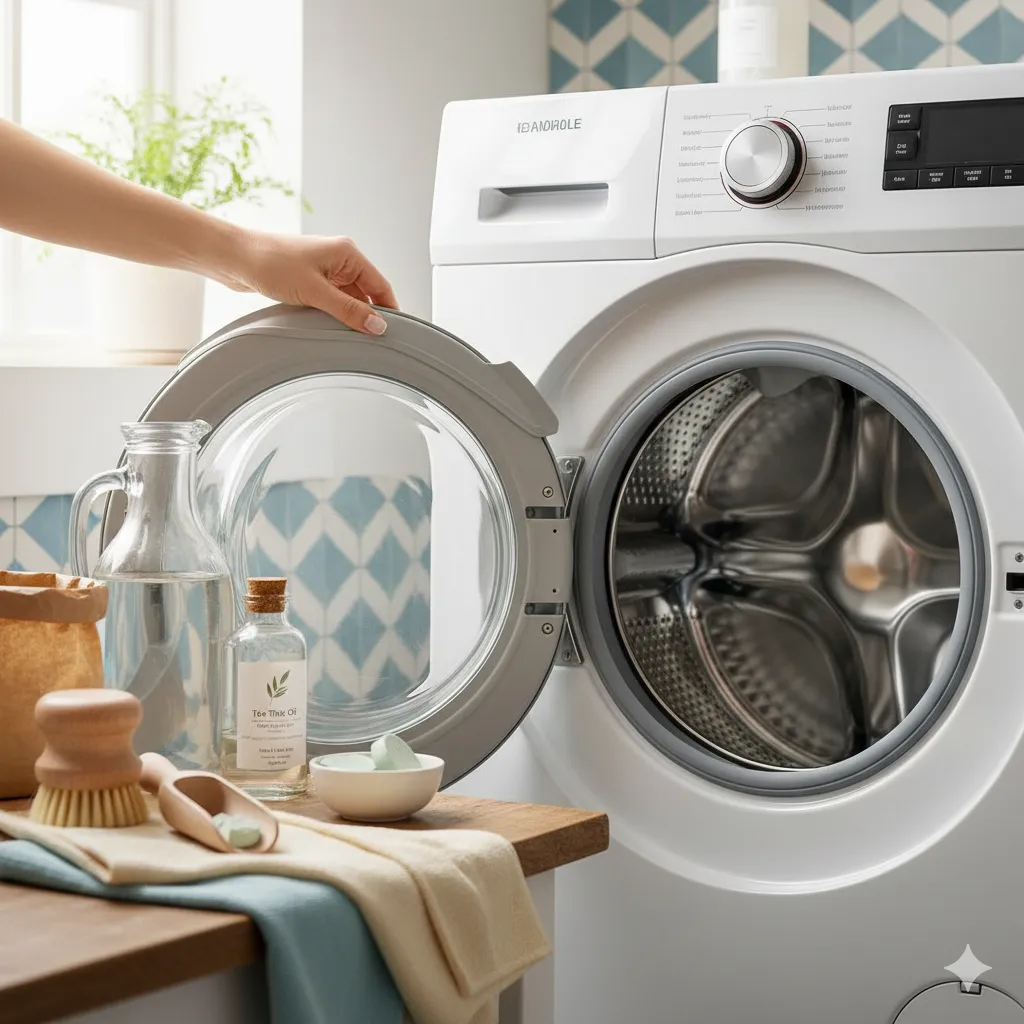
If urine smell persists despite correct treatment, the washing machine itself may be the problem. Front-loading washing machines in particular are prone to mold and bacterial growth in the door gasket and drum—this mold and bacteria produces an odor that transfers to clothing during the wash cycle. A machine that smells musty is adding odor to clothing rather than removing it.
Signs the machine is the problem:
- Clothing smells fine before washing but musty or slightly off after
- The machine has a visible or detectable mold smell, particularly around the door seal
- Multiple items washed in the same machine come out with the same underlying odor
Fix: Run an empty hot cycle with two cups of white vinegar, then a second empty hot cycle with half a cup of baking soda. Wipe down the door gasket, drum, and detergent dispenser thoroughly. Do this monthly as maintenance.
Common Mistakes That Make Urine Smell Worse
Using hot water for rinsing or washing. Hot water sets uric acid into fabric fibers just like the dryer. Always cold water until the smell is completely resolved.
Using fabric softener. Fabric softener coats fibers with a residue that traps odor rather than releasing it. Avoid it entirely for urine-affected clothing.
Using too much detergent. Excess detergent leaves residue in fabric that traps odor compounds. Use the recommended amount or slightly less—more detergent actively hinders odor removal.
Putting the item in the dryer before the smell is gone. This is the single most common mistake and the one that turns a manageable problem into a very difficult one. Air dry and smell while damp every single time.
Mixing enzymatic cleaner with vinegar in the same cycle. Vinegar deactivates enzymes—don’t use them in the same wash. Use vinegar for one wash, enzyme cleaner for the next.
FAQ
Will urine smell eventually go away on its own? No—uric acid doesn’t break down without chemical intervention. Clothing left unwashed or washed inadequately accumulates uric acid crystals that become progressively more embedded in the fiber over time. Address it promptly with the right method rather than hoping it resolves.
Does baking soda or vinegar actually work or are they just home remedies? Both work through genuine chemical mechanisms—vinegar dissolves uric acid through acid chemistry; baking soda neutralizes odor compounds through alkaline chemistry. They’re not as powerful as enzymatic cleaners for deep or set-in odor but are genuinely effective for fresh or mild contamination.
My elderly relative’s clothing always smells of urine despite regular washing. What’s the most effective long-term approach? Enzymatic cleaner used as a pre-treatment before every wash cycle is the most effective long-term approach for clothing with chronic urine exposure. Apply before each wash, allow a 15-minute dwell time, then wash normally. This prevents cumulative uric acid buildup rather than trying to treat heavy buildup after the fact. Borax added to every wash cycle as a booster also helps maintain effectiveness over time.
Is it safe to use enzymatic cleaners on baby clothing? Enzymatic cleaners are safe for baby clothing when rinsed completely. Run an additional rinse cycle after washing to ensure no enzyme cleaner residue remains in the fabric—residual cleaner can cause skin irritation on sensitive baby skin during extended contact.
The Bottom Line
Urine smell in clothing persists because standard detergent doesn’t break down uric acid—the specific compound responsible for the odor. White vinegar dissolves uric acid through acid chemistry and handles fresh to moderate odor effectively. Enzymatic cleaners break down uric acid biologically and are the most powerful treatment available for severe or set-in odor. The rule that applies to every method: never use the dryer until the smell is completely gone while damp, because heat sets uric acid permanently. Get that one thing right and every method on this list produces results.
Enjoyed this project? Get even more DIY ideas that save (and make) you money.
Join our free newsletter for profitable DIY projects, clever cleaning hacks, home ideas, and creative crafts delivered straight to your inbox.
✓ Free forever • No spam • Unsubscribe anytime