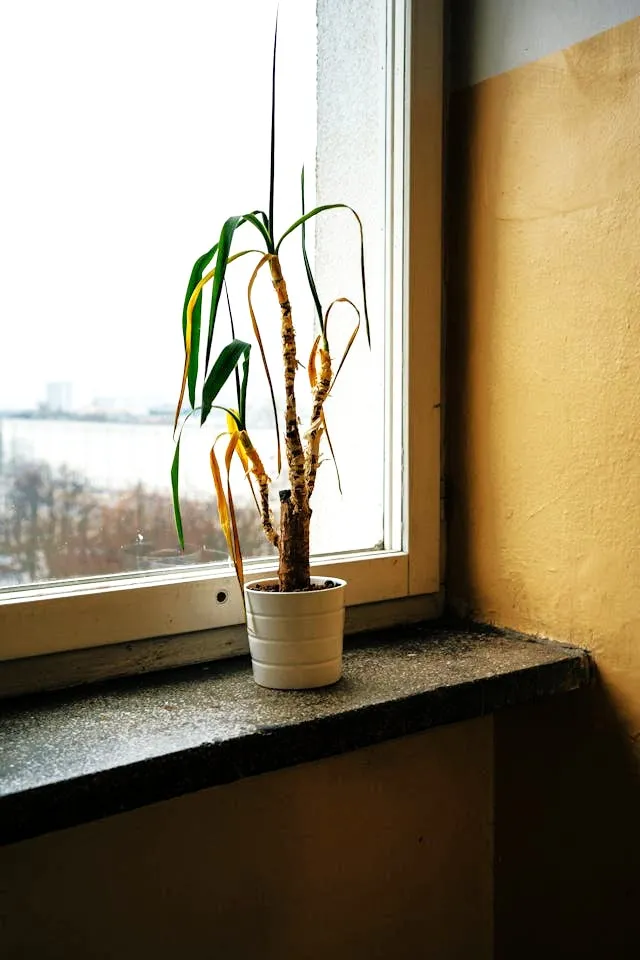
Bamboo has a reputation for being nearly indestructible. It grows aggressively in the wild, survives harsh conditions, and bounces back from neglect better than most plants. So when yours starts yellowing, dropping leaves, or developing soft, discolored stalks, it feels like you’ve done something seriously wrong.
Here’s the truth: bamboo is resilient, but it has specific needs that, when ignored, cause a very predictable decline. The good news is that most cases of “dying” bamboo are actually recoverable—if you catch the signs early and respond correctly.
This guide covers both lucky bamboo (the popular indoor water-grown variety) and garden bamboo (grown in soil outdoors), since the causes and fixes differ significantly between the two.
Here’s the Real Reason Your Bamboo Plant Is Dying
Before reaching for a watering can or a bottle of fertilizer, you need to diagnose the actual problem. Throwing random solutions at a struggling plant often makes things worse, not better.
The most common reasons bamboo declines:
- Fluoride and chlorine in tap water. Lucky bamboo is extremely sensitive to chemicals in municipal water. Over time, these accumulate and cause leaf tip burn, yellowing, and eventually stalk rot.
- Overwatering in soil. Garden bamboo sitting in waterlogged ground develops root rot just like any other plant.
- Underwatering. Bamboo grown in soil—especially during hot seasons—needs consistent moisture. Drought stress shows up fast as yellowing and leaf curl.
- Too much direct sunlight. Lucky bamboo in particular burns easily in harsh direct sun. It prefers bright, indirect light.
- Too little light. Bamboo grown in deep shade becomes weak, pale, and prone to disease.
- Temperature stress. Cold drafts, air conditioning vents, or temperatures below 50°F (10°C) cause rapid decline in tropical bamboo varieties.
- Root rot. In water-grown lucky bamboo, roots sitting in stagnant, unchanged water eventually rot and infect the stalk.
- Nutrient deficiency. Bamboo in containers—especially those grown in just water—gradually depletes available nutrients and stalls without occasional feeding.
Don’t Ignore These Warning Signs
Bamboo gives clear distress signals well before it reaches the point of no return. Catching these early makes the difference between a quick fix and a complete loss.
- Yellow stalks or stems — Overwatering, fluoride toxicity, too much direct sun, or natural aging of older canes.
- Yellow leaves with green stalks — Usually a nutrient issue or water quality problem.
- Brown leaf tips — Almost always fluoride or chlorine sensitivity from tap water.
- Mushy, soft stalks — Root or stalk rot; needs immediate intervention.
- Pale green or washed-out color — Too much harsh light or severe nutrient deficiency.
- Dropping leaves rapidly — Temperature shock, drafts, or sudden environmental change.
- Black or dark brown roots in water — Root rot; the water hasn’t been changed frequently enough.
- No new growth for months — Rootbound conditions, nutrient depletion, or insufficient light.
Stop Doing This to Your Bamboo Plant
These are the mistakes that silently push bamboo toward decline—and most people don’t realize they’re making them:
Using straight tap water for lucky bamboo. This is the single most common mistake. Tap water contains fluoride and chlorine that accumulate in the plant’s tissue over time, causing the characteristic brown tips and eventual yellowing. Switching to filtered or distilled water alone fixes a surprising number of cases.
Changing the water infrequently. Stagnant water in a lucky bamboo vase becomes a breeding ground for bacteria and algae, both of which attack the roots. It needs refreshing every one to two weeks minimum.
Fertilizing a stressed plant. When bamboo is already struggling, adding fertilizer feels logical—like giving a sick person vitamins. But fertilizer salts can burn weakened roots and accelerate decline. Hold off until the plant has stabilized.
Leaving yellow stalks in place. A yellowing stalk in lucky bamboo will not turn green again. Leaving it in the container contaminates the water and stresses the surrounding healthy stalks. It needs to come out.
Planting garden bamboo in poorly drained soil without containment. Waterlogged roots rot. And without a root barrier, running bamboo varieties will spread aggressively and become nearly impossible to manage within a few seasons.
What You’ll Need
For lucky bamboo (water-grown):
- Distilled or filtered water (or tap water left out 24 hours to off-gas chlorine)
- Clean vase or container
- Diluted liquid fertilizer — specifically formulated for lucky bamboo or a general liquid houseplant fertilizer at one-quarter strength
- Clean scissors or pruning shears
- Rubbing alcohol (to sterilize tools)
- Pebbles or decorative stones (for support if needed)
For garden bamboo (soil-grown):
- Organic compost or balanced slow-release fertilizer
- Mulch (wood chips or bark)
- Well-draining soil amendment (perlite or coarse sand if drainage is an issue)
- Root barrier material if replanting running varieties
- Watering can or irrigation setup for consistent moisture
Step-by-Step: How to Revive a Dying Lucky Bamboo Plant
Step 1: Remove it from the current water immediately. Take the plant out of its container and inspect both the roots and the stalks carefully under good light. You’re looking for the extent of any damage before deciding how to proceed.
Step 2: Assess the roots. Healthy lucky bamboo roots are red-orange or pale tan and firm. Rotted roots are dark brown or black, slimy, and may smell unpleasant. Trim away every rotten root using sterilized scissors, cutting back to where the tissue is clean and firm.
Step 3: Examine each stalk individually. Press gently along the length of each stalk. Firm and green means it’s healthy or salvageable. Soft, mushy, or fully yellow means it’s gone—remove it from the group entirely. A rotten stalk left in contact with healthy ones will spread the problem.
Step 4: Rinse the healthy stalks thoroughly. Use clean, room-temperature filtered water to rinse off any residue, algae, or bacterial film from both the roots and the lower portion of the stalks before placing them in a fresh container.
Step 5: Clean the container completely. Wash the vase with mild dish soap and rinse it several times to remove all traces of algae, mineral deposits, and bacteria. A quick wipe with diluted white vinegar helps remove stubborn mineral buildup from the inside of the glass.
Step 6: Refill with the right water. Use distilled water, filtered water, or tap water that has been sitting in an open container for at least 24 hours. Fill just enough to cover the roots—about two to three inches. Lucky bamboo doesn’t need to be submerged deeply; in fact, too much standing water around the lower stalk encourages rot.
Step 7: Place in bright, indirect light. Move the plant away from direct sun, cold windows, air conditioning vents, and heating units. A spot that receives steady, diffused natural light is ideal—near a window with a sheer curtain, or set back a few feet from a bright window.
Step 8: Change the water every one to two weeks. Going forward, don’t let the water sit and stagnate. Fresh water every ten to fourteen days keeps bacteria and algae from building up around the roots.
Step 9: Feed sparingly once stable. Once the plant shows signs of recovery—firm stalks, no new yellowing, possibly new leaf growth—add a very small amount of diluted liquid fertilizer. A single drop of liquid fertilizer in the water every four to six weeks is genuinely enough for lucky bamboo. More is not better.
Step-by-Step: How to Revive a Dying Garden Bamboo Plant
Step 1: Identify the cause first. Check the soil moisture before doing anything else. Push a finger six inches into the ground near the root zone. Bone dry means drought stress. Soggy and compacted means drainage and overwatering are the issue. This single check determines your entire approach.
Step 2: Address drainage if the soil is waterlogged. If the ground stays wet long after rain, the bamboo’s roots are likely struggling. Improve drainage by working coarse sand or perlite into the surrounding soil, or consider relocating the plant to a raised bed or better-draining spot.
Step 3: Water deeply and consistently if drought-stressed. Garden bamboo needs regular, deep watering during dry periods—especially in the first two to three years after planting while the root system establishes. Water slowly and deeply at the base rather than shallow, frequent sprinkles that don’t reach the root zone.
Step 4: Cut back visibly dead or damaged canes. Using clean, sharp pruning shears, cut any completely dead, brown, or severely damaged canes back to ground level. This isn’t just cosmetic—removing dead material reduces disease pressure and redirects the plant’s energy into healthy growth.
Step 5: Apply a thick layer of mulch. Spread two to three inches of organic mulch (wood chips, bark, or straw) around the base of the plant, keeping it a few inches away from the actual canes. Mulch regulates soil temperature, retains moisture, and slowly adds nutrients back into the soil as it breaks down.
Step 6: Feed with a balanced fertilizer in the growing season. If the bamboo has been in the same soil for several years without feeding, nutrient depletion could be contributing to poor health. Apply a balanced slow-release fertilizer or a top dressing of compost in early spring when the plant begins actively growing.
Step 7: Be patient with new growth. Garden bamboo, once properly cared for, often rebounds strongly within a single growing season. New shoots typically emerge in spring. Don’t panic if the plant looks static for several weeks after treatment—root recovery happens underground first.
You’re Probably Doing This Wrong: Light Placement for Lucky Bamboo
Lucky bamboo is not a low-light plant—it’s a indirect light plant. There’s a meaningful difference. Low light means it will survive; indirect bright light means it will actually thrive. If your plant is sitting in a dim corner more than six feet from any window, that’s a significant contributing factor to its decline. Move it somewhere brighter, just keep it out of harsh direct rays.
Quick Reference: Symptoms and Fixes
| Symptom | Likely Cause | Fix |
|---|---|---|
| Yellow stalks (lucky bamboo) | Tap water fluoride, overexposure to sun | Switch to filtered water, move to indirect light |
| Brown leaf tips | Fluoride or chlorine in water | Use distilled or filtered water only |
| Mushy stalk base | Rot from stagnant water or overwatering | Remove affected stalks, clean container, fresh water |
| Black roots in water | Root rot from unchanged water | Trim rotted roots, full water change every 1–2 weeks |
| Yellowing leaves, green stalks | Nutrient deficiency | Add one drop diluted fertilizer to water |
| Dropping leaves rapidly | Temperature shock or cold draft | Move away from vents, maintain consistent temperature |
| Garden bamboo wilting in summer | Drought stress | Deep watering at root zone, add mulch |
| No new growth for months | Rootbound or nutrient-depleted | Repot or top-dress with compost, check light levels |
FAQ
Can a yellow bamboo stalk turn green again? Unfortunately, no. Once a lucky bamboo stalk has turned fully yellow, the chlorophyll is gone and it won’t recover. Remove it promptly to protect the healthy stalks around it. If only the tips or edges of leaves are yellow, those sections won’t reverse either—but the plant itself can still recover and produce new healthy growth.
How often should I change the water for lucky bamboo? Every one to two weeks is the standard recommendation. If you notice the water becoming cloudy, discolored, or developing an odor before that, change it immediately. Algae growth (greenish tinge in the water) means the plant is getting too much direct sunlight.
Why does my bamboo keep turning yellow even after I switched to filtered water? If yellowing continues after switching water, check for other stressors: too much direct sunlight, temperature fluctuations from nearby vents or windows, over-fertilization, or a stalk that was already compromised and is continuing to decline. Address each factor systematically.
Is it normal for bamboo to lose leaves in winter? Some leaf drop in winter is normal for garden bamboo, particularly in cooler climates. However, if entire canes are dying back or the plant is losing the majority of its leaves, that goes beyond normal seasonal behavior and points to cold damage, drainage issues, or root stress.
How long does it take for bamboo to recover? Lucky bamboo can show signs of stabilization within two to four weeks of correcting the water and light conditions. Garden bamboo recovering from drought or root stress typically takes a full growing season to visibly bounce back, though underground root recovery begins much sooner.
Conclusion
Most bamboo plants that look like they’re dying are actually just reacting to one or two fixable problems—usually water quality, light placement, or drainage. The key is diagnosing before treating. Switching to filtered water, cleaning the container, trimming rotted roots, and getting the light right resolves the majority of lucky bamboo problems within weeks. For garden bamboo, consistent watering, good drainage, and cutting back dead canes gives the plant what it needs to recover on its own timeline. Stop guessing, address the root cause, and bamboo will almost always reward you for it.
Enjoyed this project? Get even more DIY ideas that save (and make) you money.
Join our free newsletter for profitable DIY projects, clever cleaning hacks, home ideas, and creative crafts delivered straight to your inbox.
✓ Free forever • No spam • Unsubscribe anytime