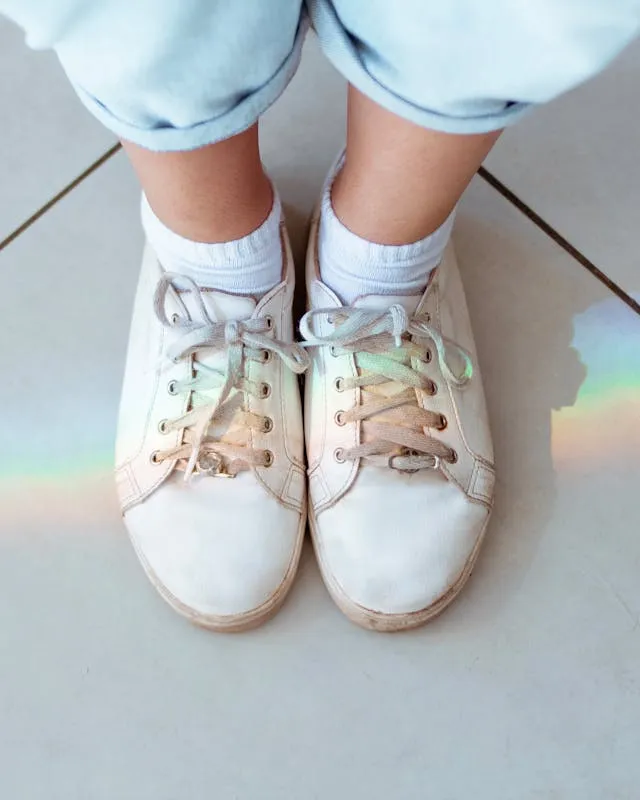
White shoes are one of those things that look incredible when clean and terrible when they’re not. There’s no middle ground. A scuff, a grass stain, or a single rainy day walk can take a fresh pair from pristine to embarrassing almost overnight.
The good news is that most white shoe stains—even the ones that look permanent—come out with the right approach. The bad news is that the wrong approach can make things significantly worse. Yellowing from bleach, cracked leather from harsh chemicals, and sole discoloration from abrasive scrubbing are all common outcomes when people reach for the wrong cleaner or apply the right cleaner incorrectly.
This guide covers how to clean white shoes at home across every major material—canvas, leather, mesh, and rubber soles—with methods that are safe, effective, and use things you likely already have.
Here’s the Real Reason White Shoes Are Hard to Keep Clean
It’s not just that white shows dirt more than other colors—though it obviously does. The bigger issue is that white shoes attract two completely different types of soiling that require different treatments:
Surface dirt and mud sits on top of the material and responds well to mechanical cleaning—brushing, wiping, and mild soap. Most people handle this type reasonably well.
Absorbed stains—grass, oil, food, sweat—penetrate into the material fibers or the surface coating. These need a chemical approach that breaks down or lifts the staining compound rather than just wiping the surface. Scrubbing harder doesn’t help; using the right cleaner does.
There’s also a third problem unique to white shoes: yellowing. This happens from UV exposure, oxidation of the material over time, and—ironically—from cleaning with the wrong products. Bleach is the most common culprit. It whitens initially but causes a chemical reaction with shoe materials that produces yellow discoloration within days, particularly on rubber soles.
Don’t Ignore the Material Before You Start
The single most important step before cleaning any white shoe is identifying what it’s made of. The same cleaning method that works brilliantly on canvas can crack leather, dissolve mesh adhesives, or strip protective coatings from synthetic materials.
Canvas: The most forgiving material. Tolerates water, mild soap, baking soda paste, and gentle scrubbing. Can often be machine washed.
Leather and faux leather: Needs gentler treatment. Water and mild soap work, but harsh chemicals, excessive water, and abrasive scrubbing damage the surface finish. Needs conditioning after cleaning to prevent cracking.
Mesh and knit: Delicate and prone to distortion if scrubbed aggressively. Needs gentle, low-pressure cleaning with soft tools. Machine washing is sometimes appropriate but carries risk with mesh shoes.
Rubber soles: Durable and tolerant of most cleaning methods. Magic erasers, baking soda, and even diluted bleach work on rubber without the risks present with the upper materials.
Suede and nubuck: Requires completely different treatment from all of the above—no water-based cleaning methods at all. Requires specialized suede brushes and erasers. This guide covers the common materials above; suede shoes should be treated with a dedicated suede cleaning kit.
What You’ll Need
Most of these are already in your home:
- Soft-bristled brush — an old toothbrush works perfectly for detailed cleaning
- Microfiber cloths or clean white rags — avoid colored cloths that can transfer dye
- Mild dish soap or laundry detergent
- Baking soda
- White vinegar
- Hydrogen peroxide (3% standard drugstore variety)
- Magic eraser (melamine foam) — for rubber soles especially
- Warm water
- Small bowls for mixing cleaning solutions
- Shoe trees or paper towels for stuffing shoes during drying
- White toothpaste (non-gel) — optional but effective for spot treatment
- Leather conditioner — if cleaning leather shoes
Stop Doing This to Your White Shoes
Using bleach directly on shoes. This is the most common and most damaging mistake. Undiluted bleach yellows rubber soles, weakens fabric fibers, and causes a chemical reaction with certain shoe dyes that produces permanent yellow staining. If you use bleach at all, it should be heavily diluted—one part bleach to five parts water—applied only to rubber or canvas, and rinsed thoroughly immediately after.
Putting shoes in a hot dryer. Heat warps the glue that holds shoes together, causes rubber soles to separate, and shrinks or distorts canvas uppers. Always air dry at room temperature, away from direct sunlight and direct heat sources.
Scrubbing wet stains aggressively. Wet stains spread when scrubbed. For fresh liquid stains—mud, sauce, drinks—let the stain dry completely first, then brush off the dried residue before applying any cleaning solution. Scrubbing a wet mud stain works it deeper into the material.
Using colored cleaning cloths. Any dye in a cleaning cloth can transfer to wet white shoe material, particularly canvas and mesh. Always use white or very light-colored cloths when cleaning white shoes.
Leaving shoes in direct sunlight to dry. UV exposure causes white shoe materials to yellow over time. Air drying in a shaded, well-ventilated spot preserves whiteness significantly better than drying in direct sun.
Machine washing shoes with hot water. If machine washing is appropriate for the shoe type, always use cold water and a gentle cycle. Hot water weakens adhesives and can cause soles to separate.
Step-by-Step: How to Clean White Canvas Shoes at Home
Canvas shoes—think Converse, Vans, and similar styles—are the most forgiving white shoes to clean at home and respond well to several different methods.
Step 1: Remove the laces and insoles. Clean these separately. Laces can be soaked in a bowl of warm water with a small amount of laundry detergent, agitated by hand, and rinsed clean. Insoles should be wiped down with a damp cloth and mild soap rather than submerged—soaking insoles can cause them to lose their shape.
Step 2: Dry brush the shoes to remove loose dirt. Use a soft-bristled brush or dry toothbrush to brush away any dried mud, dust, or loose debris from the upper and sole. Do this before introducing any liquid—wet cleaning works significantly better on a surface that’s been pre-cleared of dry debris.
Step 3: Mix a cleaning solution. Combine one tablespoon of mild dish soap or laundry detergent with two tablespoons of baking soda and enough warm water to form a paste. This combination gives you both the surfactant action of the soap and the mild abrasive and deodorizing properties of baking soda in one application.
Step 4: Apply the paste and scrub gently with a toothbrush. Work the paste into the canvas in small circular motions, covering the full upper surface. For stained areas, apply slightly more pressure and work the bristles into the weave of the canvas. The baking soda paste should foam lightly as the soap activates—this is normal.
Step 5: Wipe away the paste with a damp cloth. Use a clean, damp white cloth to wipe away the cleaning paste. Rinse the cloth frequently and repeat until all paste residue is removed. The shoe will look damp and slightly darker at this stage—this is normal and will lighten as it dries.
Step 6: For stubborn stains, apply hydrogen peroxide. Mix equal parts hydrogen peroxide and water and apply to persistent stains with a cotton ball or soft cloth. Hydrogen peroxide has a mild bleaching action that lifts yellowing and staining from canvas without the damaging effects of chlorine bleach. Leave it on for five minutes, then wipe clean with a damp cloth.
Step 7: Stuff the shoes and air dry. Stuff both shoes firmly with white paper towels or shoe trees to help them hold their shape as they dry. Place them in a well-ventilated area away from direct sunlight or heat. Allow at least 24 hours for complete drying before wearing.
Step-by-Step: How to Clean White Leather Shoes at Home
White leather shoes—sneakers, dress shoes, leather trainers—need a gentler approach than canvas to avoid drying out or cracking the surface.
Step 1: Wipe down with a dry cloth first. Remove surface dust and loose dirt with a clean dry cloth before introducing any moisture. Rubbing dry dirt into wet leather scratches the surface.
Step 2: Mix a mild soap solution. Add a few drops of mild dish soap to a bowl of warm water and mix until slightly sudsy. Avoid soaking leather—you want the cloth to be damp, not dripping.
Step 3: Clean with a damp cloth in gentle circular motions. Dip a clean white cloth into the solution, wring it out well, and wipe the leather upper in small circular motions. Work systematically across the entire surface. For scuffs, a small amount of white toothpaste applied with a toothbrush and worked in gently often lifts marks that soap alone doesn’t touch.
Step 4: Wipe away soap residue with a clean damp cloth. Go over the entire shoe with a fresh damp cloth to remove all soap residue. Soap left on leather dries it out over time.
Step 5: Dry and condition. Pat the shoe dry with a clean cloth and allow to air dry fully at room temperature. Once dry, apply a small amount of leather conditioner with a soft cloth, working it into the leather in circular motions. This step is not optional for leather—cleaning removes the natural oils that keep leather supple, and skipping conditioning causes cracking over time.
Step-by-Step: How to Clean White Mesh Shoes at Home
Mesh shoes—running shoes, athletic trainers—are the most delicate white shoes to clean because the open weave traps dirt deeply and the material distorts easily under mechanical pressure.
Step 1: Remove laces and insoles and brush dry. Same as canvas—remove removable components and dry brush first to clear loose debris.
Step 2: Mix a gentle cleaning solution. A small amount of mild laundry detergent in warm water works well for mesh. Avoid dish soaps with degreasers or heavy surfactants, which can break down the adhesives in athletic shoe construction with repeated use.
Step 3: Clean with a soft cloth or very soft brush using minimal pressure. Dip a microfiber cloth or very soft brush into the solution and clean the mesh upper with light dabbing and gentle circular motions rather than scrubbing. Aggressive scrubbing distorts the mesh fibers and can create visible pulling or pilling in the material. Work in small sections.
Step 4: Rinse by dabbing with a clean damp cloth. Rather than rinsing under running water, wipe away the cleaning solution with a clean cloth dampened with plain water. Repeatedly rinse and wring the cloth to avoid redepositing dirt.
Step 5: Stuff and air dry away from heat. Mesh shoes are particularly vulnerable to heat distortion. Stuff with white paper towels, reshape the toe box and collar carefully by hand, and dry at room temperature with good airflow.
How to Clean White Rubber Soles
Regardless of the upper material, rubber soles can almost always be cleaned with more aggressive methods than the upper allows.
Magic eraser method: Dampen a magic eraser and rub directly on the rubber sole in firm strokes. Magic erasers are melamine foam—a micro-abrasive material that physically removes surface oxidation and scuff marks from rubber with remarkable effectiveness. This is the fastest and most satisfying method for sole cleaning.
Baking soda and hydrogen peroxide paste: Mix two tablespoons of baking soda with one tablespoon of hydrogen peroxide into a paste. Apply to the sole with an old toothbrush, scrub firmly, and leave for five to ten minutes before wiping clean. This combination whitens yellowed rubber effectively and is safe for all rubber sole types.
White toothpaste: Non-gel white toothpaste applied with a toothbrush and scrubbed onto rubber soles works surprisingly well for scuff removal and general brightening. Rinse thoroughly after scrubbing.
Can You Put White Shoes in the Washing Machine?
For canvas shoes: yes, with conditions. Remove laces and insoles first. Place the shoes in a mesh laundry bag to prevent them from banging against the drum. Use cold water, a gentle cycle, and a small amount of liquid laundry detergent—powder detergent can leave residue in the seams. Never machine dry. This method works well for heavily soiled canvas shoes that need a deeper clean than hand washing provides.
For leather, mesh, and synthetic material shoes: generally not recommended. Machine washing leather causes irreversible damage. Mesh shoes risk adhesive failure and material distortion. If the shoe manufacturer’s care label explicitly states machine washable, follow those specific instructions.
How to Keep White Shoes White Longer
Getting your shoes clean is only part of the equation. These habits slow the rate at which they get dirty again:
Apply a water and stain repellent spray to clean white shoes before wearing them. Products like Crep Protect or Scotchgard for shoes create a barrier that causes liquids to bead rather than absorb, making surface cleaning significantly easier after every wear.
Rotate your shoes. Wearing the same white shoes every day gives stains and dirt less time to dry and set between wears. Alternating between pairs extends the life of each significantly.
Spot clean immediately after wearing. A quick wipe with a damp cloth immediately after wearing—before dirt has time to set and oxidize—is dramatically easier than cleaning a shoe that’s been sitting dirty for a week.
Store properly. Store white shoes in a cool, dry place away from direct sunlight. UV exposure causes yellowing over time even without any cleaning product involvement.
Quick Reference: Cleaning Method by Shoe Material
| Material | Safe Methods | Avoid |
|---|---|---|
| White canvas | Soap paste, baking soda, hydrogen peroxide, machine wash (cold) | Hot water, undiluted bleach, hot dryer |
| White leather | Mild soap, white toothpaste, leather conditioner | Excess water, harsh chemicals, abrasive scrubbing |
| White mesh | Gentle soap solution, soft cloth dabbing | Aggressive scrubbing, machine wash, heat drying |
| Rubber soles | Magic eraser, baking soda paste, toothpaste, diluted bleach | None—rubber tolerates most cleaning methods |
| White suede | Suede brush and eraser only | Any water-based cleaning method |
FAQ
Why do my white shoes turn yellow after cleaning? The most common cause is residual cleaning product left in the material that reacts with air or UV light as the shoe dries. Rinse thoroughly after any cleaning to remove all product residue. Bleach is the most common culprit for yellowing—even diluted bleach can cause yellow discoloration on rubber and canvas if not rinsed immediately and completely.
Does toothpaste really clean white shoes? Yes—non-gel white toothpaste works as a mild abrasive cleaner that’s effective on rubber soles and canvas uppers for scuff removal and general brightening. The key is using white toothpaste, not colored gel varieties, which can stain. Apply with a toothbrush, scrub, and rinse thoroughly.
How do I get grass stains out of white shoes? Grass stains contain chlorophyll, which bonds to fabric fibers. Rubbing alcohol or white vinegar applied directly to the stain and left for five minutes before gentle scrubbing works well on canvas. For leather, a small amount of rubbing alcohol on a cotton ball applied carefully to the stain area lifts grass staining without damaging the surface.
How often should I clean white shoes? Spot clean after every wear for maximum whiteness longevity. A full cleaning every two to four weeks for regularly worn shoes keeps staining from building up to the point where it becomes difficult to fully remove.
Can I use a magic eraser on the white canvas upper? Magic erasers are safe on rubber soles but should be used cautiously on canvas and leather uppers. They’re micro-abrasive and can remove surface coatings or cause slight texture changes on delicate materials with aggressive use. Test on a hidden area first and use with light pressure if you proceed.
Conclusion
Cleaning white shoes at home successfully comes down to two things: knowing what material you’re working with before applying anything, and treating stains with the right approach for their type rather than just scrubbing harder. Canvas tolerates the most aggressive cleaning; leather needs gentler treatment and conditioning after; mesh needs soft tools and light pressure; rubber soles handle almost anything. Avoid bleach on anything except heavily diluted applications on rubber, always air dry away from heat and sunlight, and apply a protective spray to clean shoes before the next wear. Do those things consistently and white shoes stay looking fresh significantly longer than most people expect.
Enjoyed this project? Get even more DIY ideas that save (and make) you money.
Join our free newsletter for profitable DIY projects, clever cleaning hacks, home ideas, and creative crafts delivered straight to your inbox.
✓ Free forever • No spam • Unsubscribe anytime