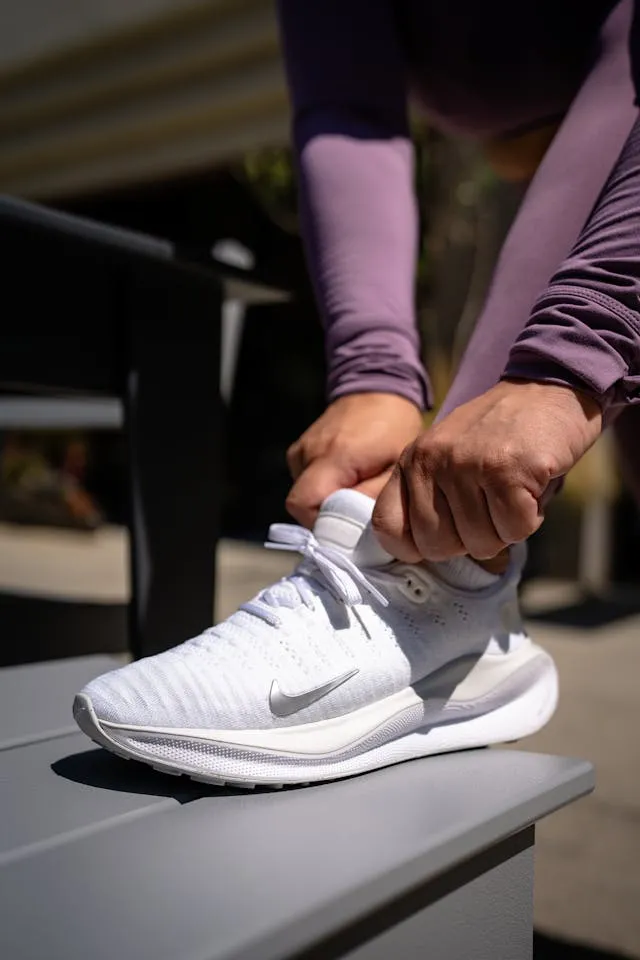
White running shoes are one of the more optimistic purchases a person can make. They look incredible out of the box—bright, clean, and fresh. Then you actually run in them, and within a few weeks they’re carrying mud, sweat stains, grass marks, and a general grayish tinge that no amount of wishful thinking is going to fix.
The problem isn’t that white running shoes are impossible to keep clean. It’s that running shoes are built differently from other white shoes, and cleaning methods that work fine on canvas sneakers or leather dress shoes can genuinely damage them. The mesh uppers, foam midsoles, gel cushioning, and heat-sensitive adhesives that make running shoes functional are exactly the things that get destroyed by hot water, harsh chemicals, and aggressive machine washing.
Here’s how to clean white running shoes properly—methods that remove real running dirt without compromising the shoe’s structure, cushioning, or fit.
Here’s the Real Reason Running Shoes Are Harder to Clean Than Other White Shoes
A white canvas sneaker is essentially fabric stretched over a rubber sole. It’s relatively simple in construction and tolerates a fairly wide range of cleaning approaches. A white running shoe is an entirely different object.
Modern running shoes typically combine five or six different materials in a single shoe:
- Engineered mesh or knit upper — lightweight, breathable, and open-weave, which means dirt gets inside the fibers rather than just sitting on the surface
- TPU or synthetic overlays — the structural panels layered over the mesh for support, often bonded with heat-sensitive adhesive
- EVA or foam midsole — the thick cushioning layer between the upper and the outsole, often white or light-colored and highly porous
- Gel, air, or specialized cushioning inserts — embedded in the midsole of many performance running shoes
- Rubber outsole — the bottom contact layer, usually more durable than the materials above it
- Removable insole — a separate foam layer inside the shoe that absorbs significant sweat and odor
Each of these materials has different tolerances for water temperature, cleaning chemicals, and mechanical stress. The mesh tears and distorts under aggressive scrubbing. The foam midsole absorbs water and takes a very long time to dry—creating ideal conditions for mold and odor if not dried properly. The adhesives that bond the overlays and sole layers weaken with hot water and heat drying. Understanding this is what separates a cleaning method that works from one that shortens the lifespan of a shoe you paid good money for.
Don’t Ignore These Warning Signs Before You Clean
Your running shoes will tell you what kind of cleaning they need before you start:
- Gray or brown overall tinge — accumulated surface dirt and dust; responds well to basic cleaning
- Yellow midsole — oxidation of the foam material over time; requires targeted treatment beyond basic cleaning
- Muddy upper — needs to dry completely before any cleaning begins; wet mud scrubbed into mesh makes the problem significantly worse
- Sweat staining around the collar and tongue — salt deposits from sweat; needs a solution that dissolves mineral deposits, not just lifts dirt
- Odor from the interior — bacteria in the insole and interior lining; the insole needs separate treatment, not just the exterior
- Sole separation starting — a gap appearing between the upper and the sole indicates adhesive failure; machine washing or soaking will accelerate this and the shoe needs repair, not a deep clean
Stop Doing This to Your White Running Shoes
Putting them in a hot washing machine cycle. This is the most damaging thing you can do to a running shoe. Hot water dissolves the adhesives bonding the sole to the upper, breaks down foam cushioning, and can cause the midsole to compress unevenly. If machine washing is your only option, cold water and a gentle cycle are the only acceptable settings—and even then it carries risk.
Putting them in the dryer. The heat from a dryer does to running shoes what hot water does—it melts adhesives, warps foam, and can permanently compress cushioning that took expensive engineering to create. Never use a dryer on running shoes. Ever.
Scrubbing wet mud aggressively. Fresh wet mud on mesh pushes further into the open weave fibers with every scrub stroke. Let mud dry completely—ideally overnight—then brush off the dried residue. You’ll remove far more with far less effort and without working it deeper into the material.
Soaking the entire shoe in water. Running shoes are not designed to be submerged. The foam midsole absorbs water like a sponge and can take 48 to 72 hours to fully dry from the inside. A shoe that doesn’t dry completely develops mold, bacteria, and a persistent odor that’s very difficult to eliminate. Clean the upper with minimal water and targeted application rather than dunking the whole shoe.
Using bleach on the mesh upper. Bleach weakens the synthetic fibers in engineered mesh and causes yellowing on the foam midsole and rubber outsole. The initial whitening effect reverses within days as the chemical reaction continues in the material. It also voids most running shoe manufacturer warranties.
Ignoring the insole. The insole absorbs more sweat, bacteria, and odor than any other part of the shoe. Cleaning only the exterior while leaving the insole in place means the odor source stays untouched and the cleaned exterior quickly re-absorbs odor from inside the shoe.
What You’ll Need
Everything here is inexpensive and widely available:
- Soft-bristled brush — a dedicated shoe brush or an old toothbrush for detailed work
- Clean white microfiber cloths — at least two or three
- Mild laundry detergent — liquid, not powder (powder leaves residue in mesh)
- Baking soda
- White vinegar
- Hydrogen peroxide (3% solution)
- Warm water — not hot
- Small bowls for mixing solutions
- White paper towels or newspaper for stuffing during drying
- Magic eraser for midsole and outsole
- Soft sponge
- Mesh laundry bag if machine washing becomes necessary
- Shoe deodorizer or baking soda for interior treatment
Step-by-Step: How to Clean White Running Shoes by Hand
Step 1: Remove laces and insoles before doing anything else. These need separate cleaning and their removal gives you better access to the tongue, collar, and interior of the shoe. Set them aside—laces and insoles are cleaned differently from the shoe upper and sole.
Step 2: Dry brush the entire shoe to remove loose dirt and debris. Use a soft-bristled brush to brush away any dried mud, dust, or loose debris from the upper, midsole, and outsole. Work from top to bottom—brush the upper first, then the midsole, then the outsole. This pre-cleaning step removes the easy stuff and makes the wet cleaning more effective on what remains. If the shoes are muddy, let them dry overnight before this step.
Step 3: Knock the soles together to dislodge debris from the outsole grooves. Hold both shoes by the heel and tap the outsoles together firmly several times. This loosens compacted dirt and small stones from the tread grooves that a brush can’t reach easily. Follow up with the brush on the outsole after tapping.
Step 4: Mix your cleaning solution. In a small bowl, combine one teaspoon of mild liquid laundry detergent with one cup of warm water. For shoes with significant yellowing or staining, add one tablespoon of baking soda to the mix. Stir until the baking soda dissolves and the solution is slightly sudsy.
Step 5: Clean the mesh upper with a soft brush using light, controlled strokes. Dip your brush into the cleaning solution and apply it to the mesh upper using gentle circular motions and light forward strokes along the direction of the mesh weave. Do not scrub back and forth aggressively—this distorts mesh fibers and can pull them loose from the overlay bonding points. Work in small sections, rinsing and reloading the brush frequently. The goal is repeated gentle passes rather than hard scrubbing.
Step 6: Pay extra attention to high-soil areas. The toe box accumulates the most contact dirt. The collar and heel area collect sweat and skin residue. The tongue picks up lace eyelet grime and sweat. Give these areas an additional pass with the cleaning solution and a toothbrush for more precise scrubbing in seams and tight areas.
Step 7: Wipe away cleaning solution with a clean damp cloth. Wring a clean microfiber cloth until barely damp and wipe the entire upper to remove the cleaning solution. Rinse the cloth and repeat until no suds remain. Avoid saturating the upper with rinse water—use a damp cloth rather than holding the shoe under running water, which drives water into the foam midsole.
Step 8: Clean the midsole with a magic eraser or baking soda paste. The foam midsole is where most of the visual aging happens on white running shoes—it picks up scuffs and yellows with oxidation. A dampened magic eraser applied with firm strokes removes surface scuffs and oxidation from the midsole effectively. For stubborn yellowing, mix two tablespoons of baking soda with one tablespoon of hydrogen peroxide into a paste, apply to the midsole with a toothbrush, leave for ten minutes, then scrub and wipe clean.
Step 9: Clean the outsole with a stiff brush and soapy water. The rubber outsole tolerates more aggressive cleaning than the upper or midsole. Use a stiffer brush with the cleaning solution to scrub the outsole tread, working the bristles into the grooves to dislodge compacted dirt. Rinse with a damp cloth.
Step 10: Stuff the shoes with white paper towels and reshape. Before drying, stuff both shoes firmly with white paper towels or crumpled newspaper to absorb interior moisture and help the shoes hold their shape as they dry. Pay attention to the toe box—press the stuffing forward to maintain the shape. Replace the stuffing after an hour if it becomes saturated.
Step 11: Air dry at room temperature in a ventilated area away from direct sunlight and heat. Place the shoes upright or on their sides in a spot with good airflow. A fan directed at the shoes significantly speeds drying time without the heat damage of a dryer. Expect six to twelve hours for the upper to feel dry, and up to 24 to 48 hours for the foam midsole to dry completely through. Do not wear the shoes until they are fully dry—wearing damp running shoes accelerates bacterial growth and odor.
How to Clean White Running Shoe Laces
Shoelaces are often the dirtiest part of the shoe and the easiest to clean properly:
Quick method: Place laces in a small bowl of warm water with a squirt of laundry detergent. Agitate by hand for a minute, let soak for 15 minutes, rinse thoroughly under running water, and hang to air dry.
Deep clean method: For laces that are deeply gray or stained, add one tablespoon of hydrogen peroxide to the soak solution. For white laces with persistent yellowing, a brief soak in a mixture of equal parts hydrogen peroxide and water for 30 minutes, followed by a rinse, restores significant whiteness.
Machine method: Place laces in a mesh laundry bag or pillowcase tied closed and wash on a cold gentle cycle with your regular laundry. Air dry—never put laces in the dryer.
How to Clean Running Shoe Insoles
The insole is the odor engine of a running shoe. Cleaning it separately makes a bigger difference to the overall freshness of the shoe than any amount of exterior cleaning:
Step 1: Remove the insole from the shoe and brush off any loose debris.
Step 2: Mix a solution of equal parts white vinegar and water in a bowl. Vinegar is antibacterial and neutralizes the ammonia compounds in sweat that cause persistent odor.
Step 3: Dip a cloth or soft brush into the solution and scrub both sides of the insole, paying attention to the heel and ball areas where sweat concentrates most heavily.
Step 4: Rinse by wiping with a clean damp cloth—don’t submerge the insole, as foam insoles absorb water and take a very long time to dry.
Step 5: Sprinkle baking soda lightly over the top surface of the insole and leave for at least two hours, ideally overnight. This draws out residual moisture and neutralizes odor.
Step 6: Brush off the baking soda and allow the insole to air dry completely before replacing it in the shoe. Placing a damp insole back in the shoe creates exactly the warm, moist conditions bacteria thrive in.
How to Whiten Yellowed Running Shoe Midsoles
Yellow foam midsoles are one of the most common complaints about white running shoes, and they’re caused by oxidation of the EVA foam material—a chemical process, not just surface dirt. Cleaning alone won’t reverse it. You need an oxidation treatment:
The hydrogen peroxide and UV method: Mix one part hydrogen peroxide with one part water. Apply generously to the yellowed midsole with a brush or cloth. Place the shoes in direct sunlight for two to four hours. The UV light activates the hydrogen peroxide, which reverses the oxidation process and whitens the foam. This method works surprisingly well on moderately yellowed midsoles and is the same principle used by retro sneaker restoration specialists.
Important: Cover the mesh upper with plastic wrap or a cloth while doing this—prolonged UV exposure combined with hydrogen peroxide can weaken mesh fibers and fade any colored design elements on the upper.
Can You Machine Wash White Running Shoes?
The honest answer is: sometimes, with significant caveats.
Machine washing is riskier for running shoes than for canvas sneakers because of the adhesives, foam cushioning, and structural components involved. That said, if hand cleaning isn’t producing the results you need, cold machine washing can work without causing immediate damage if done carefully.
If you machine wash running shoes:
- Remove laces and insoles first—wash these separately
- Place shoes in a mesh laundry bag to protect them and the washing machine drum
- Use cold water only—never warm or hot
- Use a gentle or delicate cycle with low spin speed
- Add a small amount of liquid laundry detergent—no powder, no bleach, no fabric softener
- Add a few old towels to the load to cushion the shoes and reduce banging
- Air dry completely afterward—never use the dryer
Even with all these precautions, repeated machine washing shortens the lifespan of running shoes. Reserve it for shoes that need a deep clean and hand cleaning hasn’t been sufficient, rather than as a routine cleaning method.
You’re Probably Doing This Wrong: Drying
The drying step gets less attention than the cleaning step in most guides, but it’s equally important—possibly more so for running shoes specifically. A running shoe that isn’t fully dry before the next wear or before being stored in a bag or box creates an enclosed, warm, moist environment that’s ideal for bacterial and fungal growth. This is the primary cause of the persistent odor that develops in running shoes over time and becomes nearly impossible to fully eliminate once established.
The stuffing method—white paper towels or newspaper packed firmly into the shoe—makes a measurable difference in drying time by absorbing interior moisture actively rather than waiting for it to evaporate. Replacing the stuffing once it becomes damp and adding fresh dry paper speeds the process further. A small fan directed at the shoes cuts drying time roughly in half compared to still air. Both together—fresh stuffing plus fan—get most running shoes dry within six to eight hours rather than 24 or more.
Quick Reference: Cleaning Method by Component
| Component | Recommended Method | Avoid |
|---|---|---|
| Mesh upper | Soft brush, mild detergent, light pressure | Aggressive scrubbing, bleach, soaking |
| Foam midsole | Magic eraser, baking soda + hydrogen peroxide paste | Bleach, abrasive scrubbing pads |
| Rubber outsole | Stiff brush, soapy water, magic eraser | Nothing — outsole tolerates most methods |
| Laces | Hand soak or mesh bag machine wash | Hot water, dryer |
| Insoles | Vinegar solution, baking soda treatment | Soaking, machine washing |
| Interior lining | Damp cloth with mild soap, baking soda | Soaking, bleach |
FAQ
How often should I clean white running shoes? A light brush-down after every run to remove surface dirt, and a full hand clean every two to four weeks for regularly used shoes. Letting dirt build up over multiple uses makes it significantly harder to remove and allows staining to set deeper into the mesh fibers.
Why do my white running shoes turn gray so quickly? The open weave of engineered mesh traps fine particles—road dust, dried mud, skin cells—inside the fibers rather than just on the surface. This is what causes the gray tinge that develops faster on running shoes than on canvas sneakers. Regular brushing immediately after runs before the dirt dries and sets makes a significant difference in how quickly this accumulates.
Can I use OxiClean on white running shoes? OxiClean (oxygen-based cleaner) is safer than chlorine bleach for running shoes and can be effective on stubborn staining. Use it diluted according to package directions, apply to the upper with a soft brush, leave for five minutes, and wipe clean. Test on a hidden area first—some shoe materials and dyes react unpredictably to oxygen cleaners.
How do I get the smell out of white running shoes? Odor in running shoes comes primarily from bacteria in the insole and interior lining, not the exterior. Remove and clean the insoles separately with a vinegar solution as described above. Sprinkle baking soda inside the empty shoes and leave overnight. For persistent odor, activated charcoal shoe inserts placed inside when not wearing are highly effective at ongoing odor absorption between cleanings.
Will cleaning affect the cushioning performance of my running shoes? Hand cleaning with cold water and mild detergent does not affect cushioning performance. Hot water, soaking, and machine washing with warm or hot water can compress or degrade EVA foam cushioning over time with repeated exposure. The dryer is the single most damaging thing for running shoe cushioning—the heat physically breaks down the foam cell structure that provides impact absorption.
Conclusion
Cleaning white running shoes properly comes down to understanding what they’re made of and respecting the limits of each material. Mesh needs soft tools and light pressure. Foam midsoles need targeted treatment for yellowing rather than general scrubbing. Insoles need separate attention because they’re the primary odor source. And drying completely—not just surface dry but fully dry through the foam—is as important as the cleaning itself. Hand clean with mild detergent and a soft brush, treat the midsole separately with baking soda and hydrogen peroxide, clean insoles with vinegar, and air dry with stuffing and airflow. Do those things consistently and white running shoes stay significantly cleaner and last significantly longer than most people expect.
Enjoyed this project? Get even more DIY ideas that save (and make) you money.
Join our free newsletter for profitable DIY projects, clever cleaning hacks, home ideas, and creative crafts delivered straight to your inbox.
✓ Free forever • No spam • Unsubscribe anytime