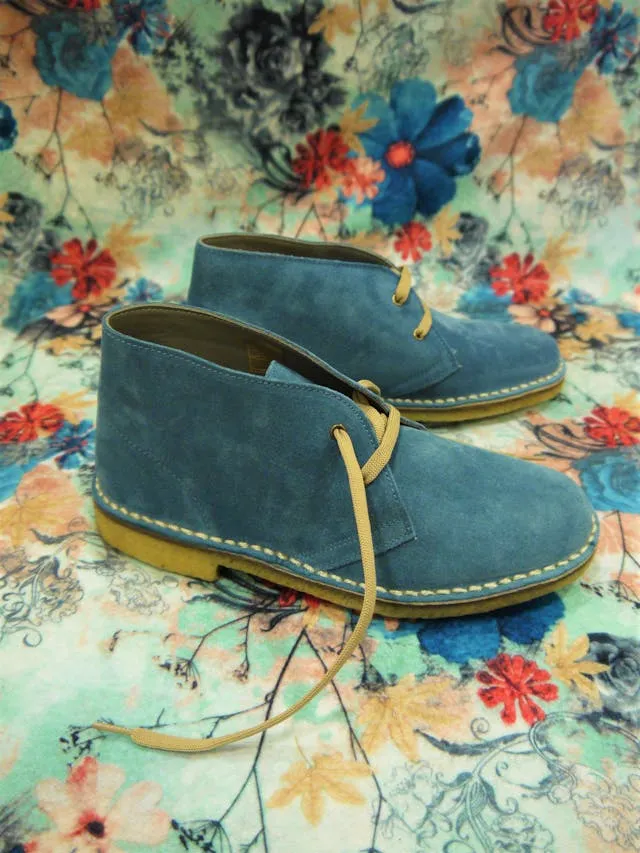
Suede has a reputation for being impossible to clean, and honestly, it’s not totally undeserved. Water stains it. Most cleaners ruin the nap. And if you get it wrong, you can turn a small scuff into a permanent mark that’s worse than what you started with.
But white vinegar is one of the few things that actually works on suede—and it works well. It breaks down salt stains, lifts surface grime, and doesn’t leave the watermarks that regular water does. The catch is that you have to use it correctly. Applied wrong, vinegar can flatten the nap and leave its own marks. Applied right, it’s genuinely one of the best DIY options for suede.
Here’s exactly how to do it.
What You’ll Need
- White vinegar — plain distilled white vinegar, nothing fancy; do not use apple cider vinegar or any flavored variety, they’ll stain
- Soft-bristle brush or suede brush — a suede brush is ideal, but a clean toothbrush or soft nail brush works
- Clean white cloths — white only so no dye transfers to light suede
- Pencil eraser or suede eraser — for dry scuffs and surface marks before you apply any liquid
- Small bowl
- Newspaper or shoe trees — to hold shape while drying
That’s it. If you want to go further after cleaning, a suede protector spray is worth having, but it’s not required for the cleaning itself.
Stop Doing This Before You Even Start
Two things people do out of instinct that make suede worse:
Rubbing a wet cloth on the stain. Water spreads on suede and dries into a ring that’s more visible than the original mark. If you’ve ever tried to clean suede shoes with a damp cloth and ended up with a faded halo around the spot—that’s why. Vinegar dries faster than water and at a lower surface tension, which is exactly why it doesn’t leave the same rings.
Scrubbing while the suede is wet. Suede’s texture comes from raised fibers called the nap. When those fibers are wet they’re vulnerable—scrubbing them flat while wet is what causes permanent shiny patches that no amount of brushing fixes later. Always let suede dry completely before you brush.
Step-by-Step: How to Clean Suede Shoes with Vinegar
Step 1: Brush off dry dirt and surface debris first. Before any liquid touches the shoe, use your suede brush or toothbrush to gently brush away loose dirt, dust, and dried mud. Brush in one direction—following the grain of the nap—rather than scrubbing back and forth. If there’s caked mud, let it dry completely first, then crumble it off with your fingers before brushing. Trying to clean wet mud off suede pushes it deeper into the fibers.
Step 2: Use a pencil eraser on dry scuffs and surface marks. For scuff marks or small dry stains, try rubbing gently with a clean pencil eraser or a dedicated suede eraser before reaching for the vinegar. This alone removes a surprising amount of surface-level marks without introducing any liquid at all. Work in one direction and brush away the eraser residue when done.
Step 3: Apply white vinegar to a cloth—not directly to the shoe. Pour a small amount of white vinegar onto a clean white cloth and let it soak in slightly. You want the cloth damp, not dripping. Never pour or spray vinegar directly onto suede—too much liquid at once is what causes uneven drying and marks.
Step 4: Dab (don’t rub) the stained area. Press the damp cloth gently against the stain and hold it there for a few seconds. Then lift and press again. You’re trying to transfer the stain to the cloth, not grind the vinegar into the suede. For salt stains—the white residue that appears on suede after walking in wet or salty conditions—this method works especially well. The vinegar dissolves the salt crystals without spreading them.
Step 5: For more stubborn stains, gently rub in small circles. If dabbing isn’t shifting the stain, you can apply a little more pressure and scrub very lightly in small circles with the cloth. Keep the motion controlled—you’re not trying to scrub through the suede, just lift the stain. Stop and let it dry before deciding if you need another round.
Step 6: Let the shoe dry completely at room temperature. Set the shoes in a well-ventilated spot away from direct sunlight and heat. Stuff with newspaper or use a shoe tree to hold shape while they dry. This step is non-negotiable—do not brush or wear the shoes until the suede is fully dry. Depending on how damp the cloth was and your environment, this takes 30 minutes to a few hours.
Step 7: Brush the nap back up. Once completely dry, use your suede brush to restore the texture. Brush in one direction first to realign the fibers, then lightly brush back and forth to fluff the nap back to its original raised texture. This step is what makes the difference between suede that looks cleaned and suede that looks cleaned and restored.
Step 8: Repeat if needed. One pass often isn’t enough for set-in stains. Let the shoe dry fully between rounds—applying vinegar on top of still-damp suede just adds moisture without improving the result. Most stains come out fully in two or three sessions.
Cleaning Specific Stain Types on Suede
Salt stains: White vinegar is genuinely the best home remedy for this. Salt stains are the chalky white marks that appear after winter walks or rain. Dab undiluted white vinegar onto the stain, let it sit for a minute, then blot away. The acid in the vinegar dissolves the salt without spreading it.
Water stains and rings: Lightly dampen the entire panel of the shoe with a vinegar-dampened cloth—not just the ring—so it all dries evenly. Spot-treating a water ring often just creates a new, slightly larger ring. Even coverage is the fix.
Oil and grease stains: Vinegar won’t touch oil. For grease, sprinkle cornstarch or talcum powder on the stain immediately, press it gently in, and leave it overnight to absorb the oil. Brush it away in the morning and follow up with vinegar on any remaining discoloration.
Mud: Let it dry completely, crumble it away, brush the residue, then use vinegar on what’s left. Cleaning wet mud off suede is one of the fastest ways to permanently damage it.
Ink: This is one situation where vinegar may not be enough. Try a small amount of rubbing alcohol on a cotton swab applied directly to the mark. Test in a hidden spot first.
Different Suede Colors React Differently
White and light suede is the most forgiving to clean but shows stains the fastest. The vinegar method works well but be extra conservative with how damp your cloth is—light suede shows any inconsistency in drying.
Dark suede—navy, brown, black—hides dirt better but can show dry patches after cleaning if the vinegar application was uneven. On dark suede, brush more aggressively after drying to even out the nap and blend any dried patches.
Brightly colored suede (red, cobalt, mustard) is the trickiest. Test the vinegar on a hidden spot first—some dyes are more reactive than others, and you don’t want to find out on the toe box.
After Cleaning: Protect the Suede
Once the shoes are clean and dry, a suede protector spray is a good investment. It creates a barrier that makes future spills bead up instead of soaking in. Brands like Crep Protect, Kiwi Suede Protector, and Scotchgard Fabric & Upholstery all work. Spray from about 6 inches away in a light, even coat and let it dry before wearing. Reapply every couple of months or after a deep clean.
This one step will make every future clean easier and keep salt stains from forming in the first place.
FAQ
Can I use apple cider vinegar on suede? No. Apple cider vinegar is colored and will stain suede, especially light colors. Only use plain white distilled vinegar.
Will vinegar damage suede? When applied correctly—damp cloth, not soaked, allowed to dry fully—white vinegar won’t damage suede. The issue is using too much liquid at once or scrubbing while wet. Used with restraint, it’s one of the gentler cleaning options available for suede.
My suede looks stiff and flat after cleaning. What happened? The nap got flattened, either from scrubbing while wet or from not brushing after drying. Try brushing firmly with a suede brush to raise the fibers back up. Holding the shoe over steam briefly (like over a boiling kettle, carefully) can help loosen the fibers before brushing if they’re severely matted, but don’t overdo it.
Can I clean suede shoes in the washing machine? No. The combination of water, agitation, and heat will ruin suede permanently. Suede is one material that genuinely cannot be machine washed.
How do I get the smell out of suede shoes? Sprinkle baking soda inside and leave overnight. Shake out the next day. For the exterior, the vinegar cleaning process itself helps neutralize odor since vinegar is a deodorizer. Let them air out fully between wears.
Does vinegar remove old stains from suede? It depends on how set-in the stain is and what caused it. Salt stains and general grime—yes, even old ones. Grease, ink, and dye transfer are harder and may not come fully clean at home regardless of method.
Wrapping Up
Suede doesn’t have to be a material you baby and never wear in questionable weather. Clean it regularly with a brush after each wear, hit salt stains and grime with white vinegar when they show up, protect it with a spray, and it holds up better than most people expect. The vinegar method isn’t a miracle—deep stains sometimes need a professional—but for everyday dirt, salt, and surface marks, it works as well as products that cost ten times more.
Enjoyed this project? Get even more DIY ideas that save (and make) you money.
Join our free newsletter for profitable DIY projects, clever cleaning hacks, home ideas, and creative crafts delivered straight to your inbox.
✓ Free forever • No spam • Unsubscribe anytime