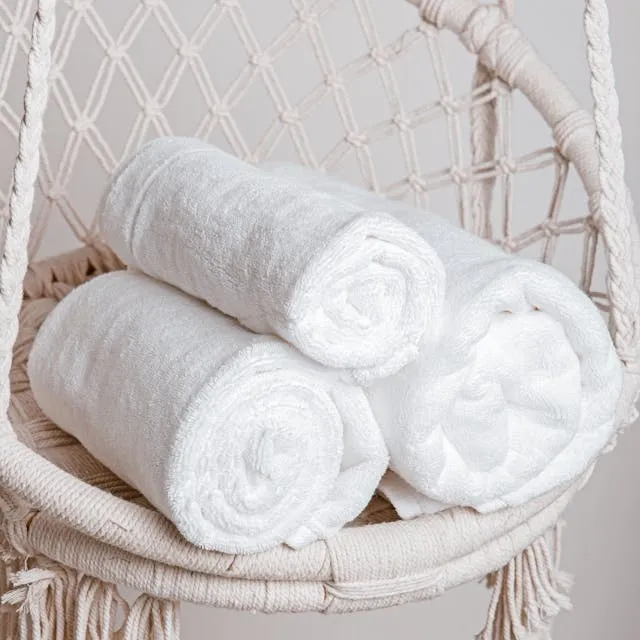
You wash your towels, dry them, fold them—and they still smell musty the moment they get wet again. It’s one of the most common laundry frustrations, and it happens to people who wash their towels regularly, not just those who neglect them.
The problem isn’t dirt. It’s mildew—microscopic fungi that thrive in the damp, warm environment inside towel fibers. Once mildew colonizes the fibers, a standard wash cycle with regular detergent often isn’t enough to fully eliminate it. The cycle continues: you wash, the mildew survives, the towels smell fine dry but release that distinctive sour, musty odor the moment moisture activates the remaining spores.
The good news is that mildew in towels is completely fixable. These eight methods range from simple one-ingredient fixes to more intensive treatments for towels that have been smelling bad for months. Most use things you already have at home.
Why Towels Develop Mildew Smell
Understanding the cause helps prevent it from coming back. Mildew grows on towels when:
- Towels are left damp for too long. Tossing a wet towel on the floor or bunching it on a hook gives mildew exactly the warm, moist environment it needs to start growing within a few hours.
- Too much detergent is used. This is the most common and least expected cause. Excess detergent leaves residue in the fibers that traps moisture and becomes a food source for bacteria and mildew. More detergent does not mean cleaner towels.
- Towels are washed in consistently cold water. Cold water is gentler on fabrics but less effective at killing mildew spores. A towel washed on cold repeatedly can accumulate mildew buildup over time even if it’s washed regularly.
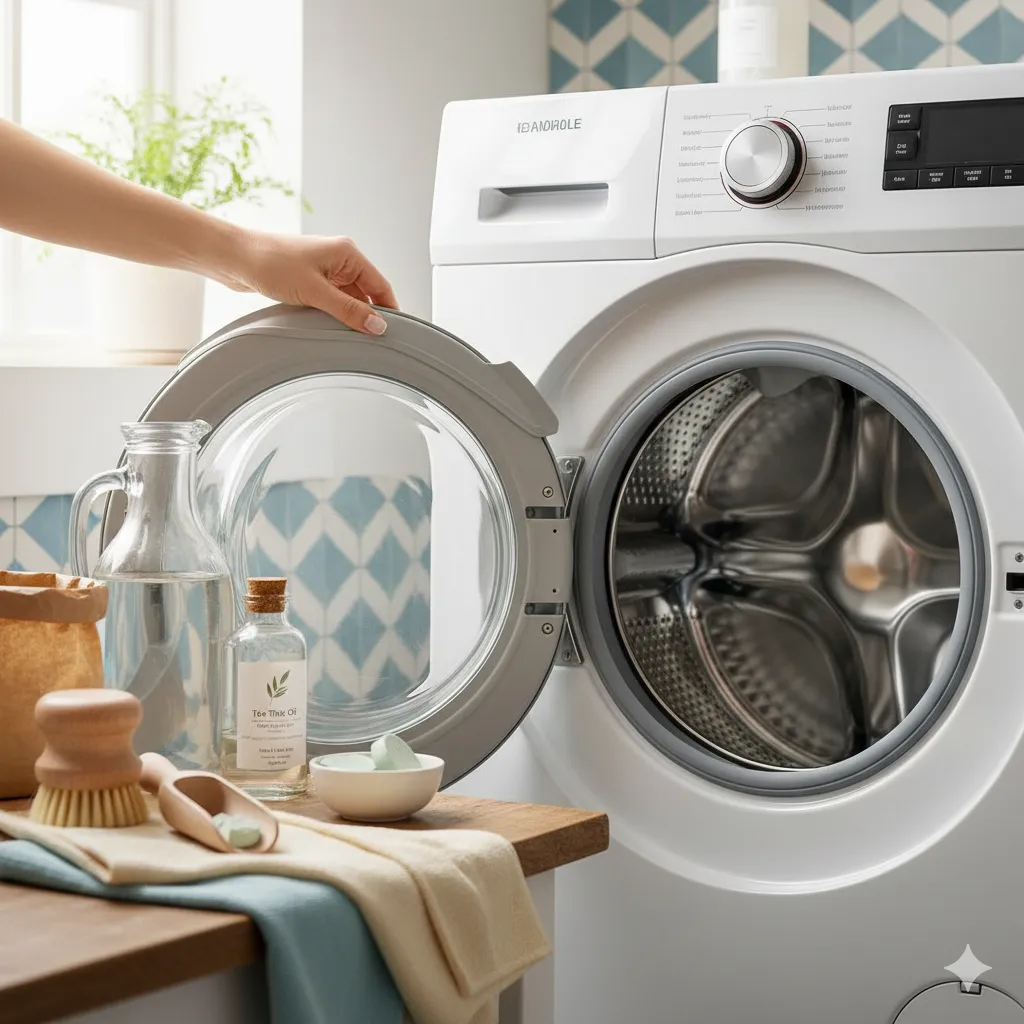
- The washing machine itself has mildew. A machine that smells musty—particularly front-loaders, which are prone to mold in the door gasket—transfers that smell directly to whatever you wash in it.
- Towels aren’t dried fully before being folded and stored. Slightly damp towels folded and stacked in a linen closet are a perfect mildew incubator.
What You’ll Need (Depending on the Method)
- White vinegar
- Baking soda
- Borax
- Laundry detergent (less than you think)
- Oxygen bleach (like OxiClean)
- Chlorine bleach (for white towels only)
- Hot water
- A washing machine
- Sunshine and fresh air
Method 1: White Vinegar Wash (Best First-Response Treatment)
White vinegar is the most widely recommended solution for mildew smell in towels—and it works because it actually kills mildew rather than masking the odor. The acetic acid in vinegar breaks down the mildew at a cellular level, and because it rinses out completely, it leaves no residue in the fibers. This is the right starting point for most towels with a mild to moderate mildew smell.
- Load the smelly towels into the washing machine without any laundry detergent. This is important—using detergent alongside vinegar reduces the vinegar’s effectiveness and can create excess suds.
- Add two cups of white vinegar directly into the drum of the machine, not the detergent dispenser. For a top-loader, pour it in after the water has started filling. For a front-loader, pour it directly into the drum before loading the towels.
- Select the hottest water setting the towels can handle. Check the care labels—most cotton towels tolerate hot water well. Hot water activates the vinegar more effectively and helps kill mildew spores that cold water leaves behind.
- Run a full wash cycle. Don’t add anything else—no fabric softener, no detergent, nothing. Let the vinegar work on its own.
- Don’t leave the towels sitting in the machine after the cycle ends. Transfer them immediately to the dryer or hang them outside. Leaving damp towels in a closed machine is exactly how mildew grows in the first place.
- Dry completely on high heat or hang in direct sunlight. UV light kills residual mildew spores that the wash cycle may have loosened but not fully eliminated.
- Smell the towels once dry. For mild mildew, one vinegar wash is usually sufficient. If odor remains, move to Method 2 or combine with Method 2 in a second wash.
Note on vinegar smell: Some people worry the towels will smell like vinegar after this treatment. They won’t—vinegar smell completely dissipates as the towels dry.
Method 2: Baking Soda Wash (Best for Residue Buildup and Mild Odor)
Where vinegar kills mildew, baking soda tackles the detergent residue and mineral buildup that traps moisture in towel fibers and creates conditions for mildew to return. These two methods complement each other so well that running them back-to-back—vinegar wash, then baking soda wash—is the most effective two-step treatment for stubborn mildew smell.
- Load towels into the washing machine without laundry detergent.
- Add half a cup of baking soda directly into the drum with the towels. For particularly stiff or residue-laden towels, use a full cup.
- Select the hottest water setting the towels can tolerate and run a full wash cycle.
- Transfer to the dryer immediately once the cycle ends and dry on high heat, or hang outside in direct sunlight.
- For best results, run the baking soda wash directly after a vinegar wash in the same laundry session—vinegar first, baking soda second. Don’t combine them in the same cycle (they neutralize each other), but running them sequentially addresses both the mildew and the residue that allows it to return.
Method 3: Vinegar and Baking Soda Sequential Wash (Best Two-Step Treatment)
This is the most effective home remedy approach for towels with a persistent mildew smell—the kind that survives a regular wash but is not yet severe enough to need a commercial product. Running vinegar and baking soda in back-to-back wash cycles (not the same cycle) combines mildew elimination with deep residue removal.
- Run a hot wash cycle with two cups of white vinegar and no detergent, exactly as described in Method 1.
- Without drying the towels, immediately run a second hot wash cycle with half a cup of baking soda and no detergent.
- Dry immediately after the second cycle on high heat or in direct sunlight. Don’t let the towels sit in the machine between cycles or after the second wash.
- Smell after drying. Most persistent mildew odors respond to this two-cycle treatment. If any smell remains, it indicates deeper mildew colonization—move to Method 5 or Method 6 for a stronger approach.
Method 4: Borax Boost (Best for Towels That Smell Bad Consistently)
Borax is a naturally occurring mineral compound that’s been used as a laundry booster for decades. It raises the pH of wash water, which creates an environment where mildew and bacteria can’t survive, and it softens water to help detergent work more effectively. It’s particularly useful for towels that keep developing mildew smell despite regular washing—a sign the standard detergent isn’t fully penetrating the fibers.
- Add your regular amount of laundry detergent to the machine as usual.
- Add half a cup of borax directly into the drum with the towels.
- Select the hottest water setting the towels can handle and run a full cycle.
- Dry immediately on high heat or in direct sunlight.
- Use borax as a regular additive once a month even after the smell is resolved to prevent mildew from returning—particularly if you live in a humid climate or your towels dry slowly.
Borax is available in the laundry aisle of most supermarkets and is safe for colored and white towels alike.
Method 5: Oxygen Bleach Soak (Best for Deeply Set Mildew Smell)
Oxygen bleach—sold as OxiClean or similar products—uses sodium percarbonate to release oxygen when it contacts water. That oxygen reaction breaks down organic matter, including mildew, at a deeper level than vinegar or baking soda can reach. It’s safe for colored towels and doesn’t carry the fiber-damaging risks of chlorine bleach.
- Fill a large basin, bathtub, or top-loading washing machine with the hottest water the towels can tolerate.
- Dissolve the oxygen bleach in the water according to the product’s instructions before adding the towels—usually one scoop per gallon of water. Make sure it’s fully dissolved so it contacts the fibers evenly rather than concentrating in one spot.
- Submerge the towels completely and press them down to ensure full saturation. Every part of every towel needs to be in contact with the solution.
- Soak for a minimum of one hour. For towels with severe mildew odor that has built up over months, soak for up to six hours or overnight. The longer the soak, the deeper the oxygen reaction penetrates the fibers.
- Wring out the towels and transfer them to the washing machine. Run a regular hot wash cycle with your normal amount of laundry detergent.
- Dry immediately on high heat or hang in direct sunlight. Do not leave them sitting in the machine.
Method 6: Chlorine Bleach (For White Towels With Severe Mildew)
Chlorine bleach is the most powerful mildew killer on this list—it eliminates mildew spores completely and handles even severe, long-standing odors. The significant limitation is that it can only be used on white towels. On colored towels, it will strip the dye and permanently damage the fabric. Even on white towels, it should be used sparingly—repeated bleaching weakens cotton fibers over time.
- Check that the towels are white and colorfast before proceeding. If there’s any color at all—even a border or stripe—use Method 5 instead.
- Add your regular amount of laundry detergent to the machine.
- Add half a cup of chlorine bleach to the bleach dispenser—not directly into the drum, which can cause concentrated bleach to contact fibers before dilution.
- Select the hottest water setting and run a full wash cycle.
- Run a second rinse cycle after the wash to ensure all bleach residue is fully removed from the fibers. Residual bleach continues to break down cotton fibers between washes.
- Dry immediately and completely on high heat.
- Limit bleach washing to once a month even for white towels to preserve fiber integrity.
Method 7: Sun Drying (Best Natural Mildew Treatment and Prevention)
Sunlight is a genuinely effective mildew treatment—not just a pleasant extra. UV rays kill mildew spores and bacteria on contact, and the combination of UV exposure and airflow on a sunny day can eliminate mild to moderate mildew smell from towels that have already been washed. It’s also the best ongoing prevention tool available at zero cost.
- Wash the towels first using any of the methods above—sun drying works best as a finishing step after a vinegar or baking soda wash, not as a standalone treatment for severe odor.
- Hang towels in direct sunlight rather than in shade. It’s the UV rays that do the work, not just the fresh air. A breezy, sunny day is ideal.
- Hang them fully spread out rather than folded over a line. Maximum surface area exposure to sunlight means maximum mildew elimination.
- Leave them out for at least two to three hours in direct sun. Flip them halfway through to expose both sides.
- Bring them in once fully dry and fold immediately—don’t leave them out after dark when dew can reintroduce moisture.
For towels that smell musty after washing but not severely so, sun drying alone after a standard hot wash is often enough to resolve the issue.
Method 8: Towel Stripping (For Towels That Have Smelled Bad for Months)
Towel stripping is a deep-cleaning technique that removes months or years of accumulated detergent residue, mineral buildup from hard water, fabric softener coating, and embedded mildew from towel fibers. It’s the most intensive method on this list and produces dramatic results on towels that have stopped responding to regular washing—you’ll often see the water turn visibly brown or grey, which is everything that’s been trapped in the fibers coming out.
- Fill a bathtub or large basin with the hottest water possible—near boiling if your towels can handle it. Hot water is essential for stripping; lukewarm water won’t work effectively.
- Add the stripping solution. The standard formula is: one quarter cup borax, one quarter cup washing soda (sodium carbonate, not baking soda), and a full scoop of laundry detergent. Stir until fully dissolved before adding the towels.
- Submerge all the towels completely and press them down to ensure full saturation. Stir to distribute the solution evenly.
- Soak for four to six hours, stirring every hour or so. Watch the water color—it will likely turn murky or visibly discolored as buildup releases from the fibers. This is normal and confirms the treatment is working.
- Drain the tub and wring out the towels thoroughly. Don’t rinse in the tub—transfer directly to the washing machine.
- Run a full hot wash cycle with no detergent to rinse out the stripping solution and loosened buildup completely.
- Dry immediately on high heat or hang in direct sunlight.
- Going forward, use less detergent than you think you need. Most people use two to three times the necessary amount. Buildup accumulates when excess detergent can’t fully rinse out of dense cotton fibers.
Method Comparison at a Glance
| Method | Best For | Odor Elimination | Safe for Colored Towels |
|---|---|---|---|
| White vinegar wash | Mild to moderate mildew | Strong | Yes |
| Baking soda wash | Residue buildup, mild odor | Moderate | Yes |
| Vinegar + baking soda sequential | Persistent mildew smell | Very strong | Yes |
| Borax boost | Recurring mildew | Strong | Yes |
| Oxygen bleach soak | Deeply set mildew | Very strong | Yes |
| Chlorine bleach | Severe mildew | Complete | White towels only |
| Sun drying | Mild odor, ongoing prevention | Moderate | Yes |
| Towel stripping | Months of buildup, no response to washing | Complete | Yes |
Why You Should Stop Using Fabric Softener on Towels
Fabric softener is one of the leading causes of mildew smell in towels—and most people don’t know it. Fabric softener coats cotton fibers with a waxy residue that makes them feel soft, but that same coating reduces absorbency over time and traps moisture inside the fibers. Trapped moisture equals mildew.
If your towels smell musty despite regular washing, stop using fabric softener entirely and run a stripping treatment (Method 8) to remove the existing buildup. The towels will feel slightly less soft initially—but they’ll be more absorbent, dry faster, and stop smelling within a few washes.
Dryer balls are a good alternative that softens towels through physical agitation without leaving any residue.
How to Prevent Mildew Smell from Coming Back
Getting rid of the smell is only half the job. Keeping it gone requires a few consistent habits:
- Hang towels fully spread out after every use—not bunched on a hook, not on the floor. A towel that dries completely between uses within a few hours won’t develop mildew.
- Wash towels every three to four uses at most, and always on hot. Waiting longer allows body oils and moisture to build up in the fibers.
- Use less detergent. For most machines and towel loads, half the recommended amount is plenty. Excess detergent residue is one of the primary causes of the conditions that allow mildew to return.
- Clean your washing machine regularly. Run an empty hot cycle with two cups of white vinegar monthly, and wipe down the door gasket and drum of front-loaders—mildew in the machine transfers directly to your laundry.
- Don’t leave washed towels sitting in the machine. Transfer to the dryer or line immediately when the cycle ends.
FAQ
Why do my towels smell fine when dry but musty when wet? This is the classic mildew signature. Mildew spores in the fibers don’t produce noticeable odor when dry, but moisture activates them and releases the musty smell. The towels aren’t clean despite smelling fine dry—the mildew is still there, just dormant.
Can I use apple cider vinegar instead of white vinegar? White vinegar is strongly preferred. Apple cider vinegar can work but may leave a slight color tint on light towels and has a stronger residual smell. Stick with plain white vinegar.
How often should I do a vinegar wash on my towels? Once a month as preventative maintenance is sufficient for most households. If you live in a humid climate or your towels take a long time to dry, every two to three weeks is better.
Will these methods work on towels that have had mildew smell for years? The oxygen bleach soak (Method 5) or towel stripping (Method 8) are the best options for long-term mildew. Expect to do two treatment sessions—one to break through the buildup and one to finish the job. Towels that have been heavily compromised for years may not fully recover, but most will show dramatic improvement.
The Bottom Line
Mildew smell in towels is a fiber problem, not just a surface cleanliness problem—which is why a standard wash cycle alone can’t fix it. Vinegar kills the mildew, baking soda removes the residue that allows it to return, and stripping clears out everything that’s built up over months. Start with the vinegar wash for most cases, move to the sequential vinegar-baking soda method if that doesn’t fully resolve it, and use towel stripping as the nuclear option for towels that haven’t smelled right in a long time. Then hang them properly after every use—that one habit prevents most of the problem from coming back.
Enjoyed this project? Get even more DIY ideas that save (and make) you money.
Join our free newsletter for profitable DIY projects, clever cleaning hacks, home ideas, and creative crafts delivered straight to your inbox.
✓ Free forever • No spam • Unsubscribe anytime