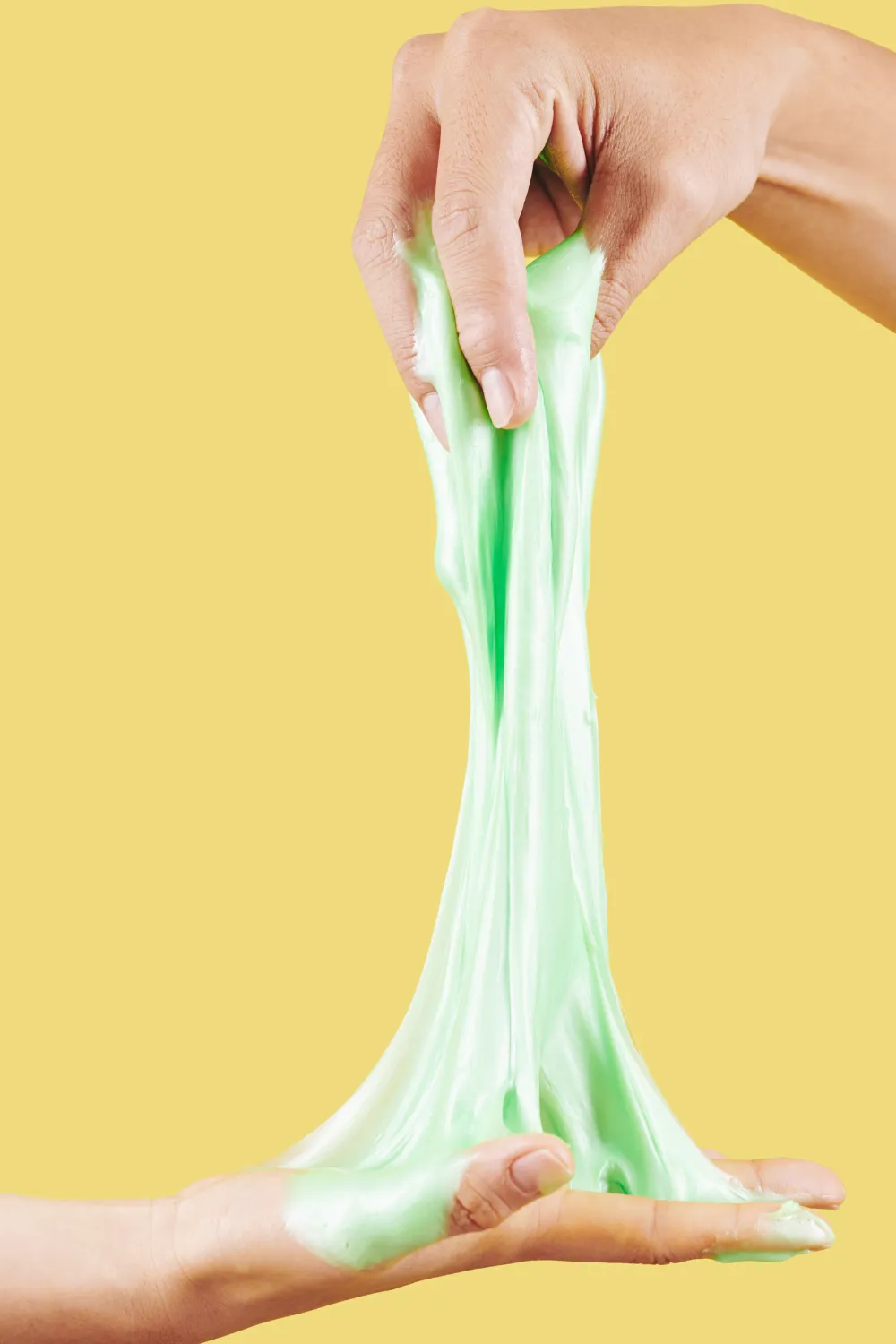
Slime that smells bad is one of the most common complaints in the slime-making world, and it usually comes as a surprise because fresh slime almost never has an unpleasant odor. The smell develops over time, either because of bacterial or mold growth inside the slime, a chemical reaction between ingredients, or simply the natural smell of certain base ingredients that becomes more noticeable once the slime is sealed and the scent concentrates.
The fix depends entirely on which of those causes is actually responsible, and getting that diagnosis right is what makes the difference between a slime that smells great for weeks and one that smells off again within days of being treated.
Why Slime Smells Bad: The Main Causes
Bacterial or Mold Growth
This is the most common cause of genuinely unpleasant slime smell and produces a sour, musty, or distinctly rotten odor rather than just a chemical one. It happens when slime is handled with unwashed hands, stored while slightly damp, left unsealed, or kept in warm conditions that encourage microbial growth.
Signs that bacterial growth or mold is the cause include a smell that gets noticeably worse over time, visible fuzzy spots in the slime (black, green, or white), and a smell that resembles old food or wet mold rather than chemicals.
The Natural Smell of Base Ingredients
Contact lens solution, baking soda, and certain glues all have mild odors of their own that most people don’t notice in fresh slime but that can become more pronounced over time, particularly when the slime is sealed in a container and the scent concentrates.
This type of smell is usually mild, chemical, or slightly clinical rather than truly unpleasant, and tends to stay consistent rather than getting worse over time.
Too Much Activator
Over-activated slime, slime that had too much contact lens solution or borax added during making, sometimes develops a specific chemical smell from the excess boric acid remaining in the slime. This smell is usually mild but can be noticeable enough to be off-putting.
Add-Ins That Off-Gas or Decay
Certain add-ins, particularly organic materials like pressed flowers, real leaves, food-based items, or any add-in with water content, can begin decomposing inside sealed slime and produce strong unpleasant odors. Foam beads and some plastics can also off-gas slightly, particularly when new, which produces a plastic-like smell in freshly made floam.
Shaving Cream Slime Breakdown
Fluffy slime made with shaving cream develops a sour, slightly rancid smell as the shaving cream continues breaking down inside the sealed slime over time. This is one of the most predictable smell problems in slime-making and affects virtually every fluffy slime batch eventually regardless of how it’s stored.
How to Prevent Slime From Smelling Bad
Prevention is significantly easier than treatment, and a few habits applied during and immediately after making slime keep the smell problem from developing in the first place.
- Always wash and completely dry hands before playing. This is the single most effective prevention measure. The oils, bacteria, and general contamination from hands are the primary source of microbial growth in slime, and starting every play session with clean, dry hands makes a measurable difference to how long slime stays fresh-smelling.
- Store slime in a fully airtight container. Sealing slime properly after every use prevents both drying and the introduction of airborne bacteria and mold spores that accumulate in open or loosely sealed containers.
- Add a small drop of antibacterial hand soap during making. Mixing in a single drop of antibacterial liquid hand soap with the glue before activating provides mild ongoing antibacterial protection without noticeably affecting texture or appearance.
- Add a few drops of tea tree oil. Tea tree oil is a natural antimicrobial with a clean, fresh scent that both prevents bacterial growth and adds a pleasant smell to the finished slime. Two to three drops per batch is enough to be effective without overpowering other added scents.
- Avoid organic add-ins for long-term slimes. Pressed flowers, herbs, and any food-based materials should be reserved for slimes that will be played with within a few days rather than stored for weeks, since these materials begin decomposing relatively quickly in the moist sealed environment of a stored slime.
- Don’t make slime with food or food residue nearby. Crumbs, food particles, and food smells can transfer into open slime during making and provide nutrients for bacterial growth.
How to Make Slime Smell Good
Adding pleasant scents to slime is one of the most popular slime customizations and one of the most effective ways to ensure slime never smells bad, since the added fragrance both masks any base ingredient odor and makes the sensory experience of playing with the slime significantly more enjoyable.
Fragrance Oils
Fragrance oils are the most popular and most effective scenting option for slime. They’re available in virtually every imaginable scent, from fruity to floral to bakery, are highly concentrated so a small amount goes a long way, and blend smoothly into the glue base before activation.
Add two to three drops per cup of glue during the mixing stage, before adding the baking soda and activator. Stir thoroughly to distribute evenly. The scent remains detectable in finished slime for weeks when stored properly.
Popular fragrance oil choices for slime include strawberry, watermelon, cotton candy, vanilla, lavender, peach, blue raspberry, and birthday cake.
Essential Oils
Essential oils provide natural scenting with genuine aromatherapy benefits alongside the sensory play experience. Lavender and eucalyptus are particularly popular for a calming slime experience. Peppermint and citrus oils give slime a fresh, invigorating scent.
Use the same application method as fragrance oils, two to three drops per cup of glue added during the mixing stage. Essential oils are generally slightly less strong-scented in finished slime than fragrance oils but are a good choice for anyone wanting a more natural ingredient profile.
Flavoring Extracts
Vanilla extract, almond extract, peppermint extract, lemon extract, and similar baking extracts provide familiar, pleasant scents without any non-food-grade ingredients. They’re particularly appropriate for edible slimes or for slimes made for very young children where ingredient safety is the priority.
Add half a teaspoon per cup of glue during the mixing stage. The scent from extracts tends to fade faster than fragrance oils or essential oils, typically noticeable for one to two weeks before fading.
Scented Lotion
Mixing a small amount of scented hand lotion into the slime base before activating both adds fragrance and softens the final texture. Use roughly a tablespoon per cup of glue and adjust the activator slightly since lotion changes the overall moisture content of the base.
This method produces a milder, more subtle scent than fragrance oils but has the added benefit of improving the slime’s texture at the same time, making it a particularly good option for butter slime or any slime where a soft, smooth texture is the priority.
Kool-Aid Powder
Mixing unsweetened Kool-Aid or similar drink powder directly into the glue before activation adds both a strong fruity scent and a vivid color simultaneously. The powder dissolves evenly into the glue and the resulting slime smells strongly of whichever flavor was used.
Use roughly a quarter packet per cup of glue, adjusting the amount based on how strong you want the scent and color. This method is particularly popular with kids specifically because of the recognizable candy-like scents.
How to Fix Slime That Already Smells Bad
Whether a fix is possible depends on what’s causing the smell.
If the Smell Is Mild and Chemical
A mild chemical smell from the base ingredients or excess activator can usually be improved by kneading in a few drops of fragrance oil or essential oil. The added scent doesn’t eliminate the cause but masks it effectively, and in many cases the chemical smell fades naturally over a few days once the slime is properly sealed.
If the Smell Comes From Shaving Cream Breakdown
For fluffy slime with a sour smell from shaving cream decomposition:
- Knead the slime thoroughly to release any trapped gases.
- Add a few drops of tea tree oil while kneading to address the bacterial component of the breakdown.
- Add two to three drops of fragrance oil and knead through.
- Leave the slime unsealed for thirty minutes in a well-ventilated area to allow the worst of the odor to dissipate.
- Seal properly in an airtight container.
This treatment improves the smell significantly but doesn’t stop the underlying breakdown, so expect the smell to return eventually. Fluffy slime has a limited lifespan regardless of treatment.
If the Slime Has a Sour or Rotten Smell
A genuinely sour, rotten, or mold-like smell usually indicates bacterial or mold growth that has progressed beyond a surface-level issue. At this stage:
- Check for visible mold. If present, discard the slime immediately.
- If no visible mold is present but the smell is genuinely rotten rather than just chemical, the slime should also be discarded. The bacterial contamination is throughout the slime even if not visibly apparent, and no treatment reverses this safely.
- Prevention for the next batch using clean dry hands, antibacterial soap addition, and proper airtight storage prevents the issue recurring.
If the Smell Comes From Add-Ins
If the smell started after adding organic materials or certain foam beads:
- Attempt to remove the problematic add-ins manually if possible.
- Knead fragrance oil through the remaining slime.
- If the smell is from organic decomposition rather than just off-gassing plastic, discard the slime, since the decomposing material will continue producing odor and potentially encourage further bacterial growth.
Scent Combinations Worth Trying
Pairing the slime color with a matching or complementary scent creates a more complete sensory experience that kids especially respond to strongly.
Blue or teal slime: Blueberry, ocean breeze, or blue raspberry fragrance oil.
Pink slime: Strawberry, rose, watermelon, or bubblegum fragrance oil.
Purple slime: Lavender, grape, or blackberry fragrance oil.
Green slime: Apple, lime, cucumber melon, or fresh mint essential oil.
Yellow slime: Lemon, banana, or pineapple fragrance oil.
White or clear slime: Vanilla, coconut, or clean cotton fragrance oil.
Galaxy or dark slime: A mix of lavender and vanilla creates a dreamy, sophisticated scent that suits the cosmic aesthetic well without being overly sweet.
Fluffy or cloud slime: Cotton candy or marshmallow fragrance oil suits the light, airy texture and color palette perfectly.
Quick Fixes for Common Problems
| Problem | Potential Solution | Alternative Approach |
|---|---|---|
| Slime smells chemical or clinical | Knead in two to three drops of fragrance oil or essential oil | Leave slightly unsealed for thirty minutes to allow chemical odor to dissipate, then seal properly |
| Fluffy slime smells sour | Add tea tree oil and fragrance oil while kneading and leave ventilated briefly | Fluffy slime has a limited lifespan and eventually needs to be remade rather than repaired |
| Slime has a rotten or mold-like smell | Check for visible mold—if present or smell is genuinely rotten, discard immediately | Prevention only: clean dry hands before play, antibacterial soap added during making, fully airtight storage |
| Scent faded after a few days | Fragrance oils last longer than extracts—switch to fragrance oil for next batch | Knead in a few additional drops of the original scent to refresh a faded batch |
| Added too much fragrance and scent is overwhelming | Knead the slime extensively in the open air to dissipate some of the excess scent | The scent naturally fades over days of storage, so leaving it sealed for a few days before playing usually resolves it |
| Plastic-like smell from foam beads | This off-gassing from new beads typically fades on its own after a few days | Leave finished floam in a slightly ventilated container for 24 hours before sealing fully |
| Slime smells fine fresh but bad after storage | Contamination from hands is the likely cause—start each session with washed, dried hands | Add antibacterial soap and tea tree oil to the next batch during making for ongoing protection |
FAQ
How long should scented slime smell good?
Fragrance oils hold their scent in properly stored slime for two to four weeks before noticeably fading. Essential oils fade slightly faster, typically one to three weeks. Baking extracts fade the fastest, usually within one to two weeks. The scent can be refreshed at any point by kneading in a few additional drops of the original scenting ingredient.
Is it safe to use fragrance oils in slime?
Most fragrance oils sold for cosmetic or candle use are safe for skin contact in the small amounts used in slime. If skin sensitivity is a concern, essential oils are the more natural alternative, and choosing oils that are clearly labeled as skin-safe provides extra reassurance. Avoid fragrance oils with alcohol as a primary carrier since this can affect slime texture and increase the drying-out rate.
Can I use perfume or cologne to scent slime?
The alcohol content in most perfumes and colognes affects the slime texture and can interfere with the polymer network, making it stickier or causing it to break down faster. Fragrance oils or essential oils are better choices specifically because they don’t contain alcohol.
Why does my slime smell fine when first made but bad after a few days?
The smell developing over time rather than being present immediately is the classic sign of bacterial or mold growth rather than a base ingredient smell issue. The contamination, usually from hands, takes time to multiply to the point where it produces a detectable odor. Preventing this with clean hands and antibacterial soap in the recipe is the most effective solution.
Can scented slime be made with babies or very young toddlers in mind?
For very young children, baking extracts like vanilla or peppermint are the safest scenting choice since they’re food-grade ingredients. Fragrance oils vary in safety profiles, and some essential oils are not recommended for young children. When in doubt, unscented slime is the safest option for children under two.
Closing Thoughts
Slime that smells bad is almost always preventable rather than inevitable, and the fix is usually simpler than the problem makes it seem. Start with clean dry hands at every play session, add a drop of antibacterial soap and a few drops of fragrance oil or tea tree oil during making, store in a fully airtight container between uses, and the smell problem either never develops or gets addressed before it becomes a genuinely unpleasant issue.
Once you’ve made a batch that smells like strawberry or lavender and stays that way for weeks, the difference from an unscented batch is significant enough that scenting slime becomes a standard part of the process rather than an optional extra.
Enjoyed this project? Get even more DIY ideas that save (and make) you money.
Join our free newsletter for profitable DIY projects, clever cleaning hacks, home ideas, and creative crafts delivered straight to your inbox.
✓ Free forever • No spam • Unsubscribe anytime